
Last updated November 17, 2026
 Home additions & ADU
 Kitchen remodeling
 Bathroom remodeling
 Roofing
 Windows & doors
 Driveway & pavers
 Fence
Free written scope consultation - allowances, timeline, and change-order rules on paper before a single trade is scheduled
DIY vs Professional Construction: The Las Vegas Homeowner’s Decision Guide
Nevada lets you pull your own permits and build as an owner-builder. That surprises most homeowners. What surprises them more is the two-year clause buried in state law: sell within 24 months of finishing the work, and if something fails, the presumption flips against you. You become the contractor, liable for contractor-level defects, without the license or the insurance that protects one. That’s the line most DIY guides never draw. This guide draws it, the actual one for Las Vegas – what you can legally self-permit, where the DIY math really lands, and when a project that’s perfectly legal to do yourself still voids your insurance or trips your HOA.
Quick Answer
In Las Vegas, DIY makes sense for cosmetic, non-structural work that needs no permit: interior paint, tile on a concrete slab, landscaping, minor trim. It stops making sense the moment a project needs a permit, touches structure, or involves the trades that can hurt you (gas, electrical, roofing, excavation). Nevada’s owner-builder rules also carry a resale clause most people never hear about, so a legal DIY job can still become a liability at resale. When in doubt, get a professional bid and read it against the true cost of doing it yourself.
Styles & brands we work with
- Kitchen remodeling
- Bathroom remodeling
- Home additions & ADU
- Roofing
- Windows & doors
- Driveway & pavers
- Fence
Table of Contents
- What Nevada’s Owner-Builder Permit Rules Actually Say
- The Las Vegas Factors That Break DIY Projects
- True Cost: Three Las Vegas Projects, DIY vs Professional
- Which Las Vegas Projects Are Genuinely DIY-Appropriate
- How DIY Work Voids Insurance and Trips HOA Rules
- Are You Competent, or Just Confidently Wrong?
- The Permit and Inspection Question
- Common Mistakes to Avoid
What Nevada’s Owner-Builder Permit Rules Actually Say
Nevada allows a homeowner to act as an owner-builder, which means you can pull permits in your own name and perform the work on a home you occupy. That’s broad. It’s also where people stop reading.
The part that matters at resale: if you sell a home you built or substantially improved as an owner-builder within two years, Nevada law presumes you built it for resale, not for your own use. Once that presumption applies, you lose the personal-homeowner exemption and can be treated like a contractor – exposed to claims for construction defects, with none of a licensed contractor’s protections behind you. A project that saved you $9,000 on paper can become a drawn-out legal problem when the buyer discovers a shower that leaks into the wall.
Here’s the practical version, in plain terms:
- You can self-permit only on a home you own and occupy. Investment properties and flips are a different category with different rules.
- The two-year resale clause applies to permitted work you performed as owner-builder. Plan to stay put through it, or disclose and document everything.
- Failed inspection is your problem, not the city’s. If work doesn’t pass, the red tag stays until a qualified party corrects it – which often means hiring the pro you avoided, at emergency pricing.
This is the core of the Barrett & Sons Construction Las Vegas home approach to permits: pull them, get them inspected, get them signed. The permit inspector works for you, not for the contractor – that’s the whole point of the process.
The Las Vegas Factors That Break DIY Projects
Building in Las Vegas is not building in a mild climate. Three local conditions decide whether a project finishes well or finishes badly.
Heat damages materials in storage. A garage that hits 130 degrees ruins the wrong adhesive, warps vinyl flooring before it’s laid, and bakes paint and stucco products past their working life. Pros order materials in phase with the job and keep them shaded. A homeowner who buys everything upfront in July and works weekends is asking for a call-back problem.
Monsoon timing collapses half-finished work. An open roof deck or an exposed wall in July and August is a magnet for a 20-minute downpour that can undo a week. Professional scheduling accounts for the season. A weekend pace does not. In our experience, the projects that fail hardest in Las Vegas are the ones still open when the first monsoon hits.
Caliche makes excavation dangerous without equipment. That concrete-hard layer of soil under much of the valley doesn’t give up easily and doesn’t respond to a hand shovel. Patio covers, fence posts, and driveway pads all hit it. Digging into it by hand is slow, and cutting it with a rented breaker without training is where people get hurt – and where footings end up under-built for the price they were quoted.
Las Vegas county inspectors know these patterns, and so do the crews who work here every week. That local knowledge is what you’re paying for on the tough jobs.
True Cost: Three Las Vegas Projects, DIY vs Professional
The honest comparison doesn’t start with the material receipt. It starts with tool rental, waste, and time. Here’s how three common projects really pencil out for a Las Vegas homeowner.
1. Tile work in a bathroom or entry
- DIY: $600 – $1,000 in materials (tile, thinset, backer, grout); $120-$200 in tool rental (wet saw, mixing, leveling); 25-40 hours of weekends. Improperly set tile over Las Vegas slabs is the most common DIY failure we’re called to fix.
- Professional bid: priced on the line-item scope with tile supplied. Includes setting over a proper substrate, so the tile doesn’t tent a year later.
- The gap: the DIY number looks like half until you count the weekend time and the likelihood of a repair.
2. Patio cover framing
- DIY: framing is the trap here. Caliche footings, roof attachment to the house structure, and wind loading are where “I watched enough videos” meets an inspector’s red tag.
- Professional: framing, footings, and attachment are engineered and permitted. You get an inspection signature before the finish goes on.
- The gap: a patio cover is a structural attachment to your home. This is the classic project that costs more to fix than to have built.
3. Exterior painting
- DIY: $800 – $1,500 in paint and prep supplies for a typical stucco home, 40-60 hours, plus ladders and height risk. In Las Vegas heat, paint applied outside its window fails within a couple of seasons.
- Professional: surface prep, correct product for stucco and sun exposure, and height handled safely.
- The gap: closer than most. Exterior painting is a rare project where a careful homeowner with a shaded work plan and no two-story sections can make the numbers work.
Two of these three favor a pro clearly. One is genuinely negotiable. That’s the honest answer, project by project.
Which Las Vegas Projects Are Genuinely DIY-Appropriate
We don’t tell every homeowner to hire out. Some work is well-matched to a careful homeowner with time and patience. Some is a trap that looks like a savings.
Genuinely DIY-appropriate in Las Vegas:
- Interior painting of a single room or two
- Tile over an existing concrete slab, on a small area, with a level substrate
- Landscaping, drip irrigation, and planting that needs no permit
- Minor trim, shelving, caulking, and weather-stripping
Save money on paper, create a liability in practice:
- Anything electrical beyond swapping a fixture – panel work and new circuits belong to a licensed electrician
- Any gas line work. This is a hard stop.
- Roofing, especially two-story or steep-pitch work – the height and heat risk is real, and a bad roof leads to water intrusion
- Structural changes, additions, and anything requiring a permit with a framing inspection
- Excavation, footings, and driveway pads that hit caliche
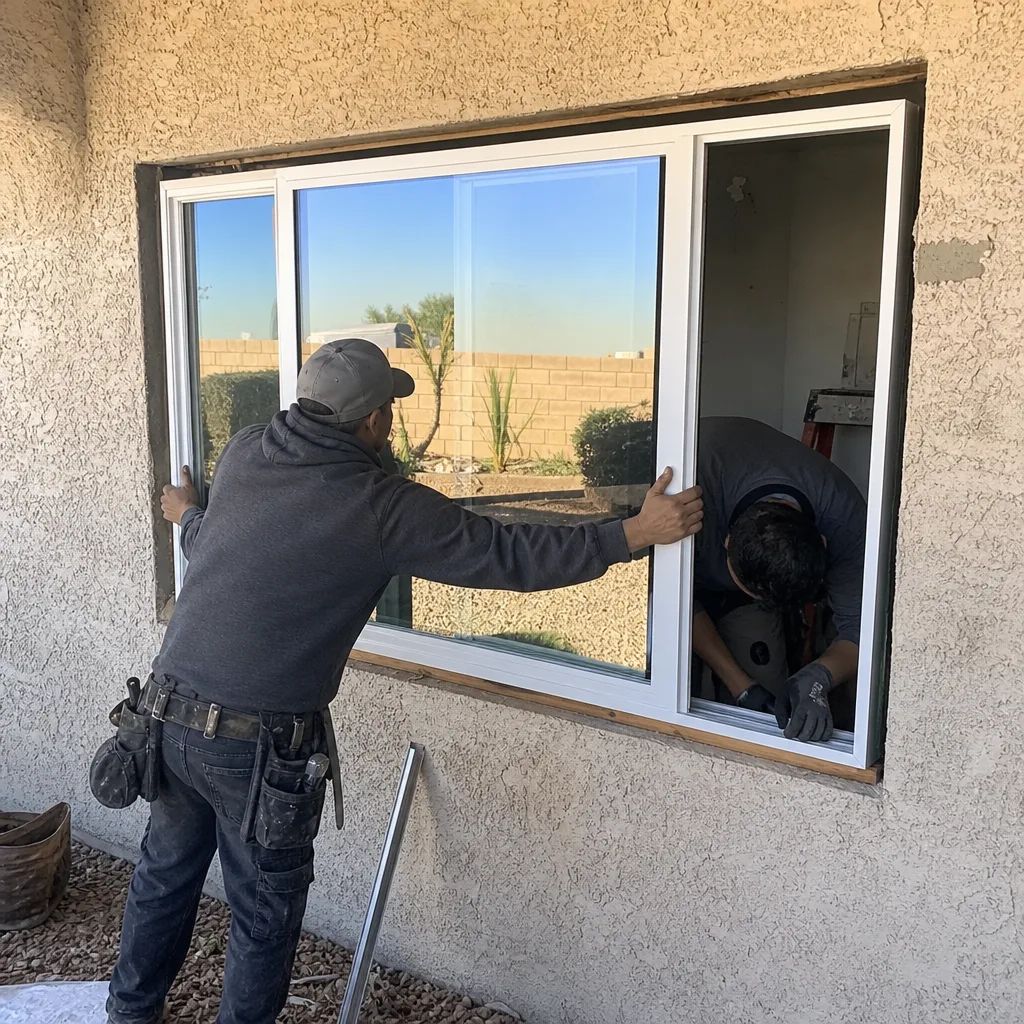
- Window replacement on the exterior envelope – a mis-set window in Las Vegas leaks around the frame. We install brands like andersen and marvin units through our window and door work precisely because envelope failures are expensive to unwind.
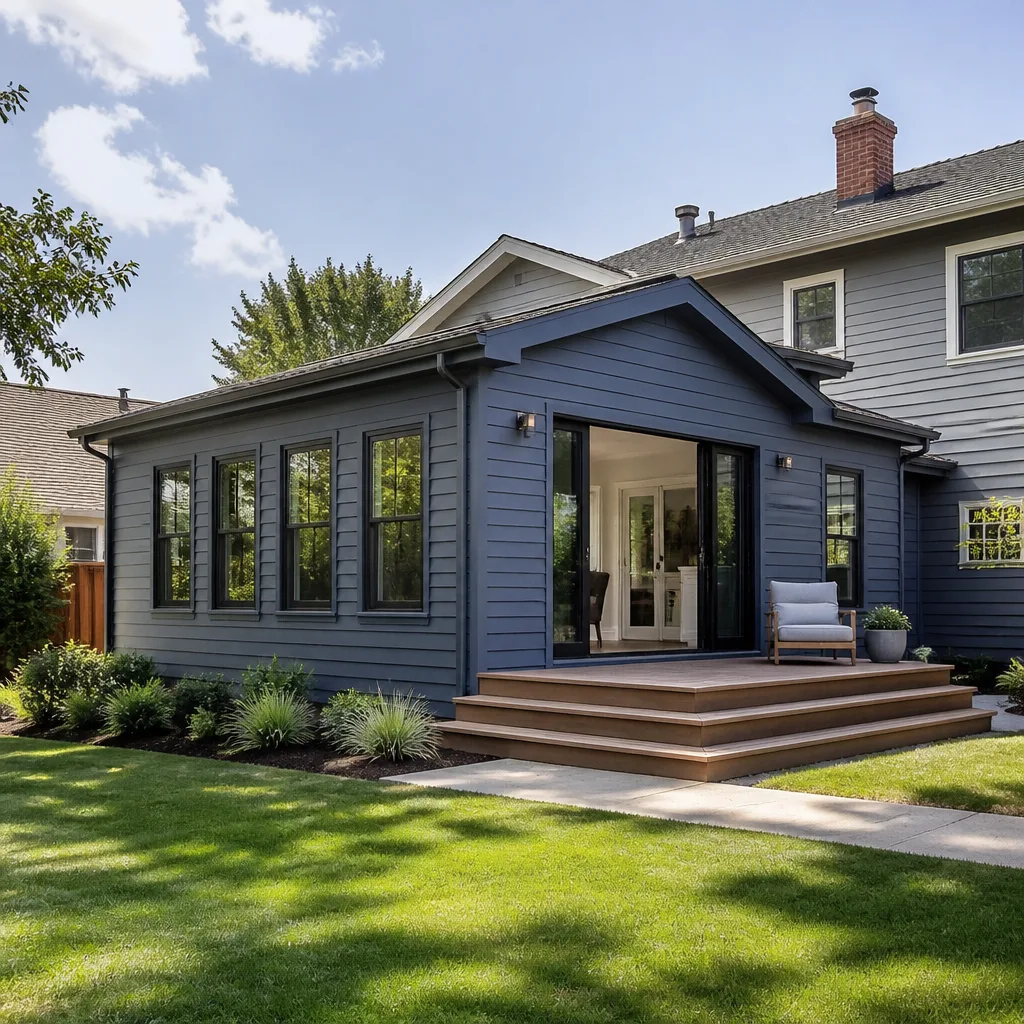
And when a project grows into a real improvement, like a room addition or an ADU, the DIY question answers itself – see our guide on Home Additions & ADU in Las Vegas for why those jobs live in professional hands.
How DIY Work Voids Insurance and Trips HOA Rules
This is the hidden third answer the other guides skip. Some work is legal to do yourself and still leaves you uncovered.
Most homeowner policies assume the home was built and maintained to code by qualified parties. If unpermitted or improperly installed work causes damage – a shower that leaks into the framing, a patio cover that fails in wind, a water heater wired by a homeowner – a carrier can deny the claim or reduce the payout. The work wasn’t the problem. The missing permit and the lack of a qualified installer change the claim status. That’s a project that saves you money right up until the day it doesn’t.
Your HOA adds a second layer. Many Las Vegas HOAs require architectural approval before exterior changes: paint colors, fencing, patio covers, and exterior additions. A project that’s legal in the county can still violate your HOA’s approval process, which typically means removing the work. All of this is avoidable – permits pulled, inspections signed, written scope, and change orders in writing before a single nail moves.
Are You Competent, or Just Confidently Wrong?
Here’s a test that’s harder than it sounds. Ask yourself the following, honestly:
- Can you describe the failure mode? Name the way this project typically fails and how you’d prevent it. If you can only describe the finished result, you’re not ready.
- Have you done a smaller version of this exact job, successfully, and lived with it for a year? A video is not a completed job.
- Do you have a plan for the permit and the inspection? If you don’t know whether the job requires a permit, you don’t know the job.
- Can you afford to redo it? A confident amateur who can absorb a full redo has a qualified risk profile. One who can’t, doesn’t.
- Does the insurance and HOA question have an answer? If not, the savings are provisional.
The homeowners who get burned aren’t careless. They’re confident, and they’ve watched just enough to underestimate the one step that matters. Confidence follows knowledge, not the other way around.
The Permit and Inspection Question
A simple rule that covers most of this guide: if the work changes the structure, the envelope, or the systems of your home, you want it permitted and inspected. If you’re painting a wall, you don’t.
When we take on a job in Las Vegas, the permit is part of the scope, not an upsell. It’s how a homeowner gets an independent eye on the framing and rough-in before it’s covered up. Every eligible job we do includes permits pulled and inspections signed, and every price change arrives in writing before work proceeds. The permit is the cheapest insurance you’ll ever buy on a construction project.
For work that stays on the outside of the house – driveways, patios, hardscape – the same logic applies with fewer code layers. Our Driveway & Pavers in Las Vegas page covers how the base and caliche handling decide whether it holds up, which is exactly the step a DIY pad usually skips.
Common Mistakes to Avoid
- Buying all materials upfront in summer. Las Vegas garages bake adhesives and warp materials. Order in phase, store shaded, or you’ll be buying twice.
- Starting a roof or wall project in July without a monsoon plan. One 20-minute storm can undo a week of weekend work. Check the forecast and work in a finish-it-fast window.
- Digging footings by hand into caliche. Slow, exhausting, and dangerous without the right equipment. Under-built footings show up as settling and cracks within a season or two.
- Calling the “permit optional” line. If the last contractor you spoke with told you permits weren’t necessary, that’s a reason to check, not a reason to relax. The inspector works for you.
- Skipping the HOA architectural approval. Exterior paint, fencing, and patio covers in many Las Vegas communities need written approval before you begin.
- Letting an allowance go unspecified. An allowance that isn’t on paper is a surprise waiting for a date. Get every scope and every allowance in writing.
- Planning a sale within two years of owner-builder work. Read the resale clause before you self-permit a substantial project.
See the difference
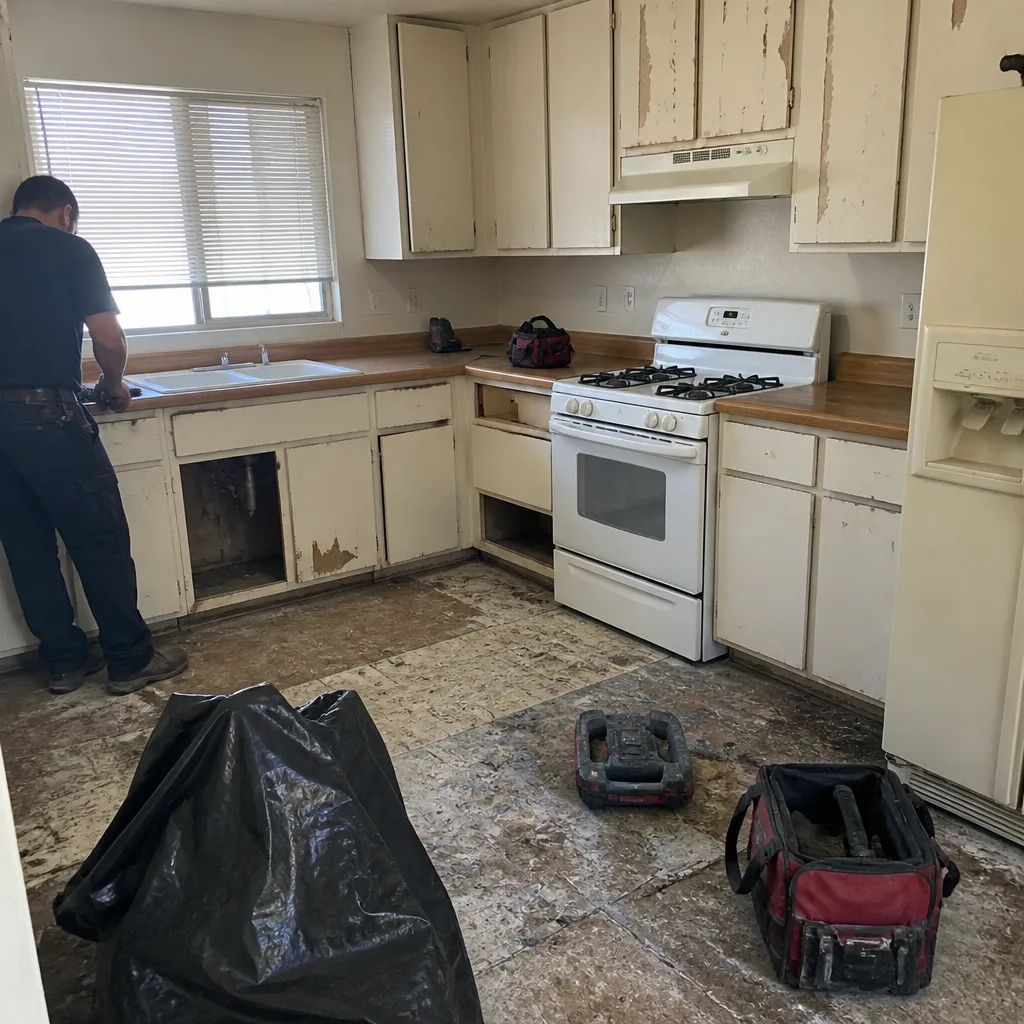 Before
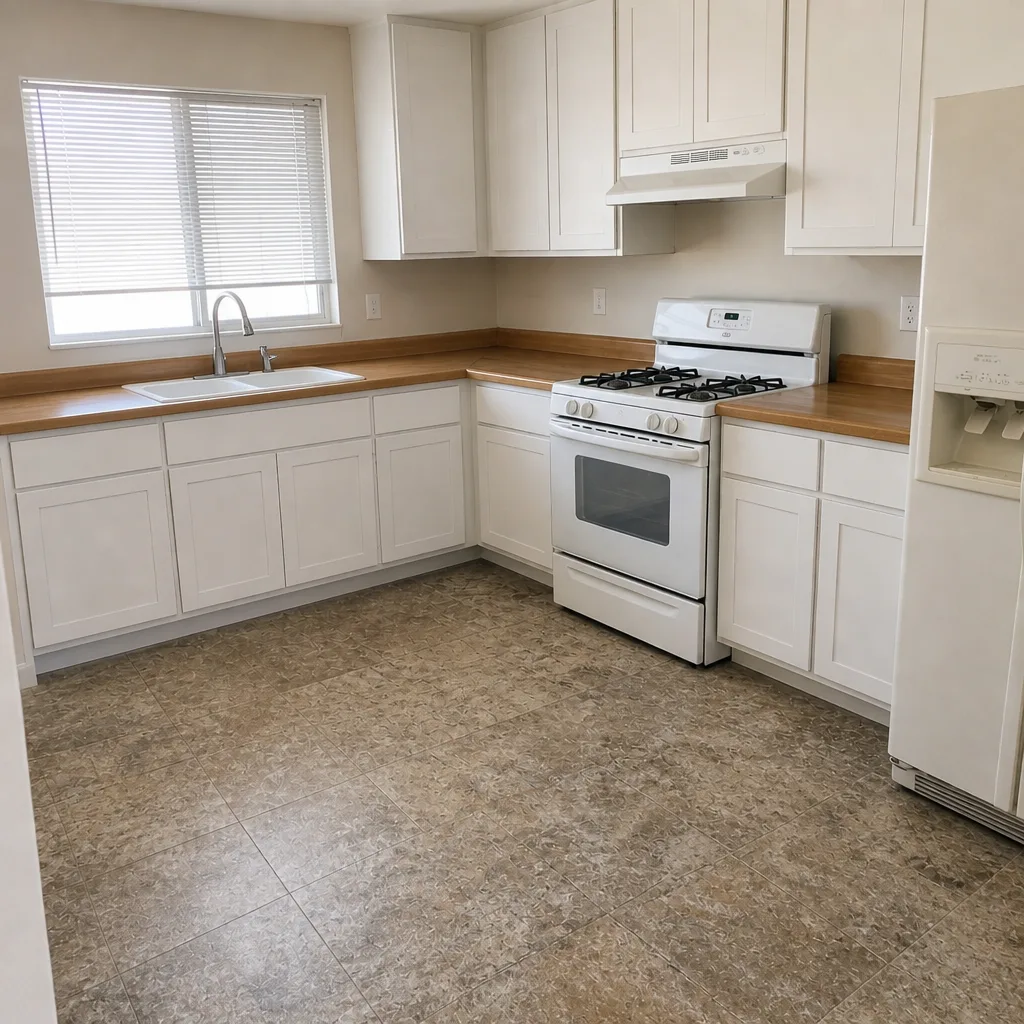 After
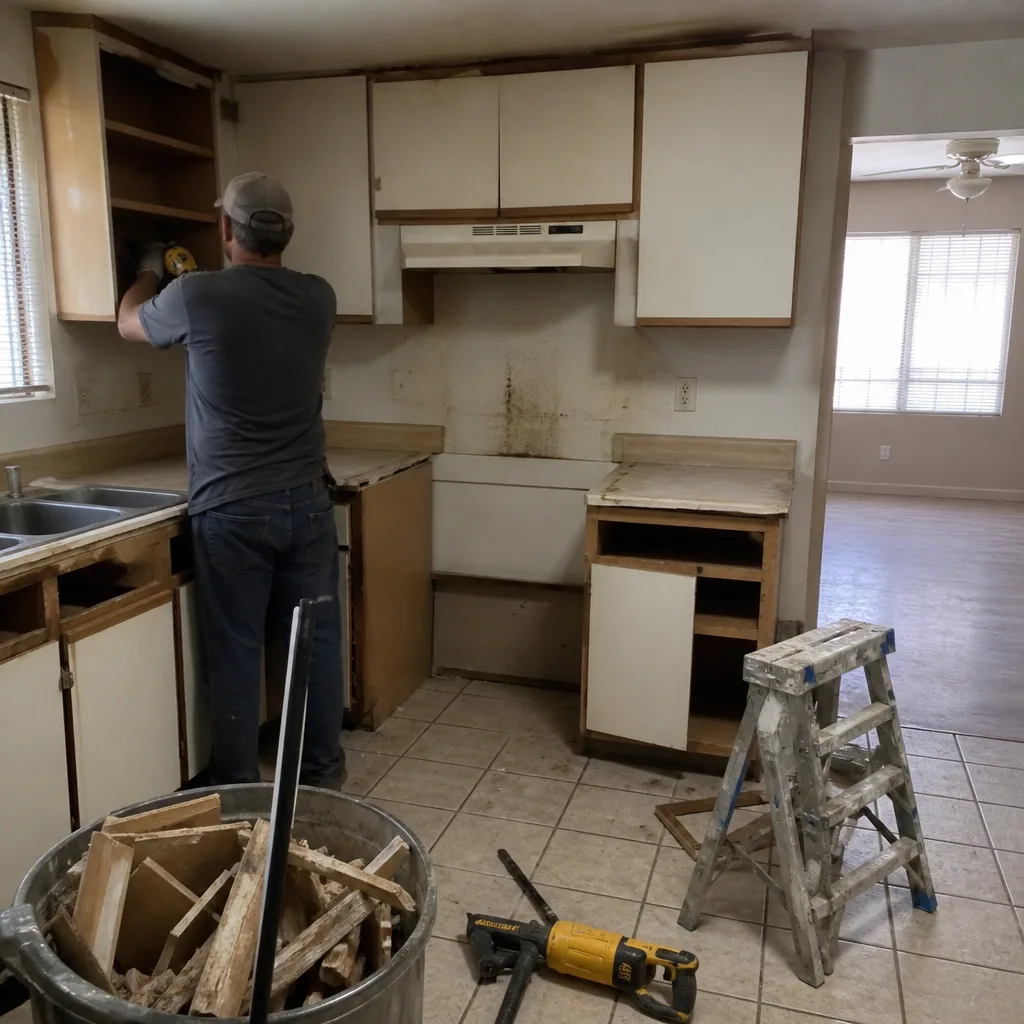 Before
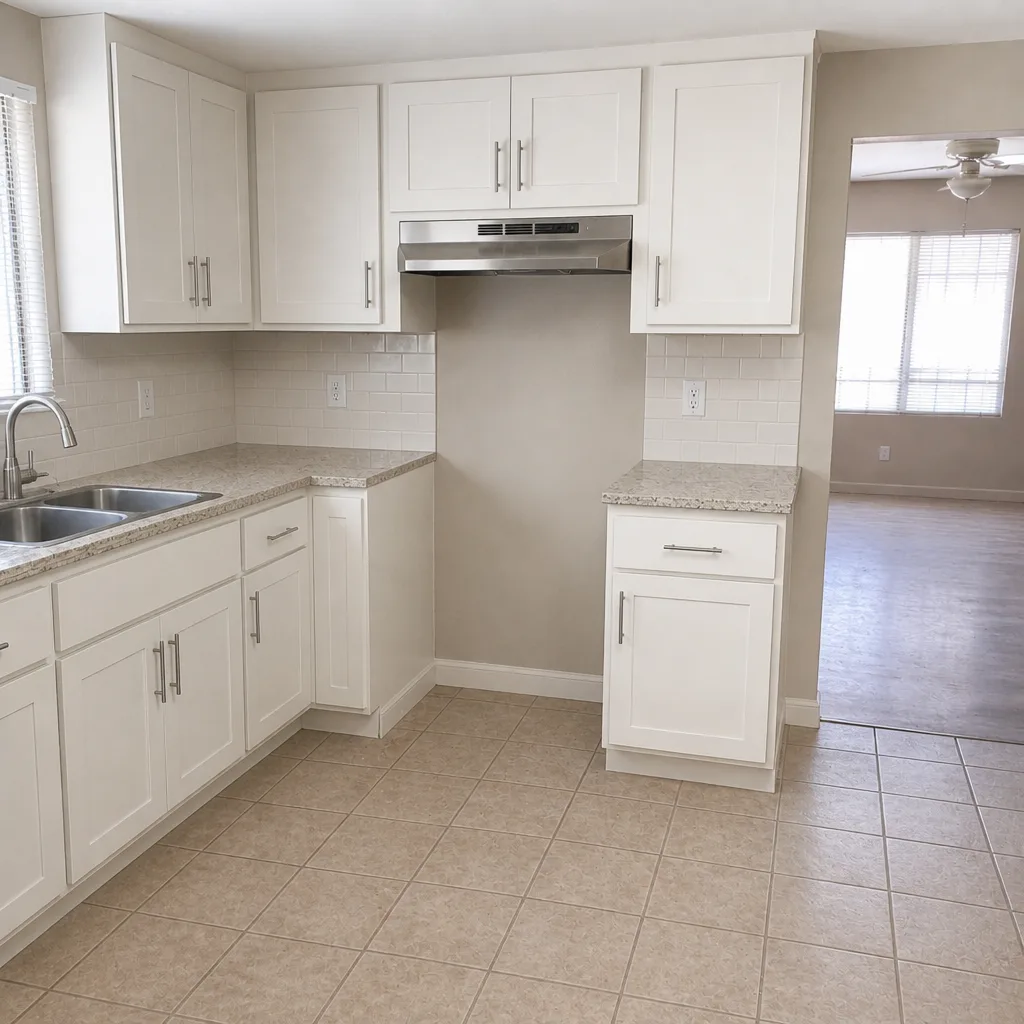 After
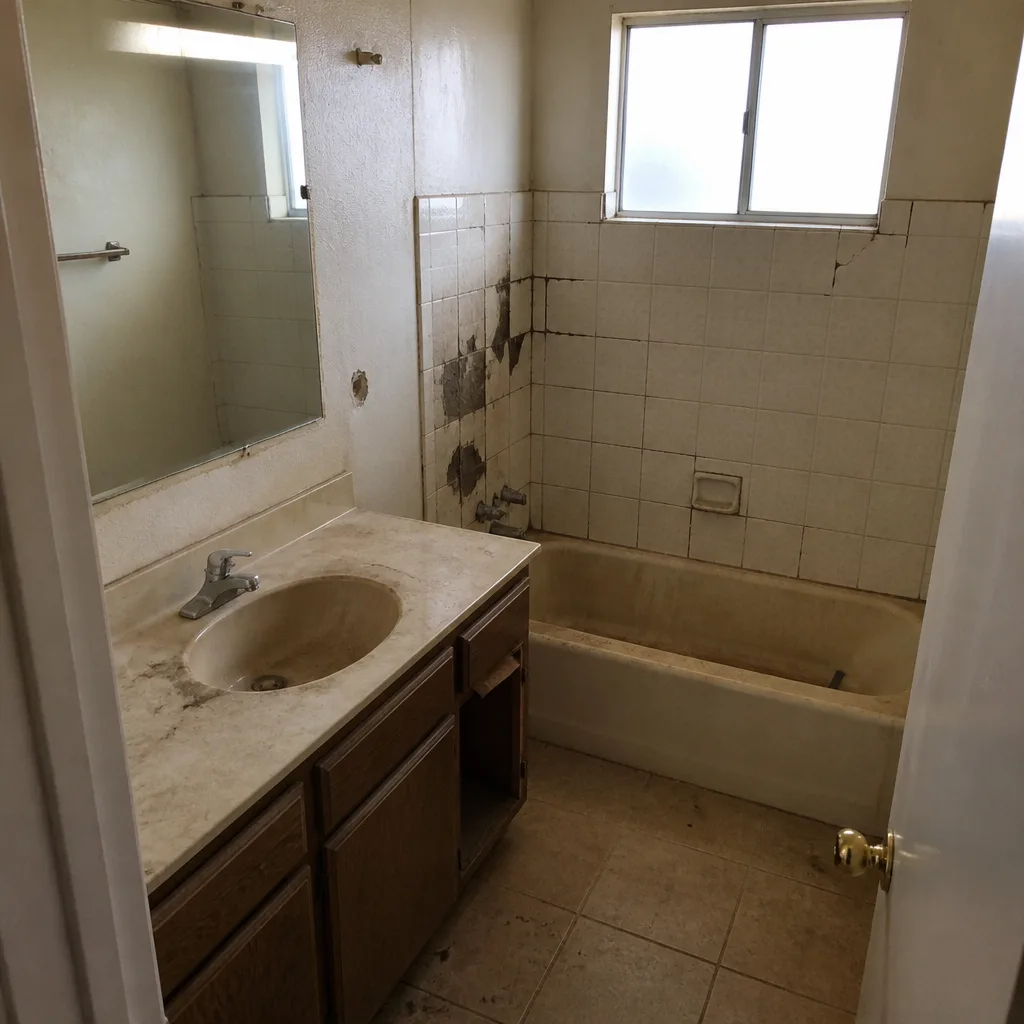 Before
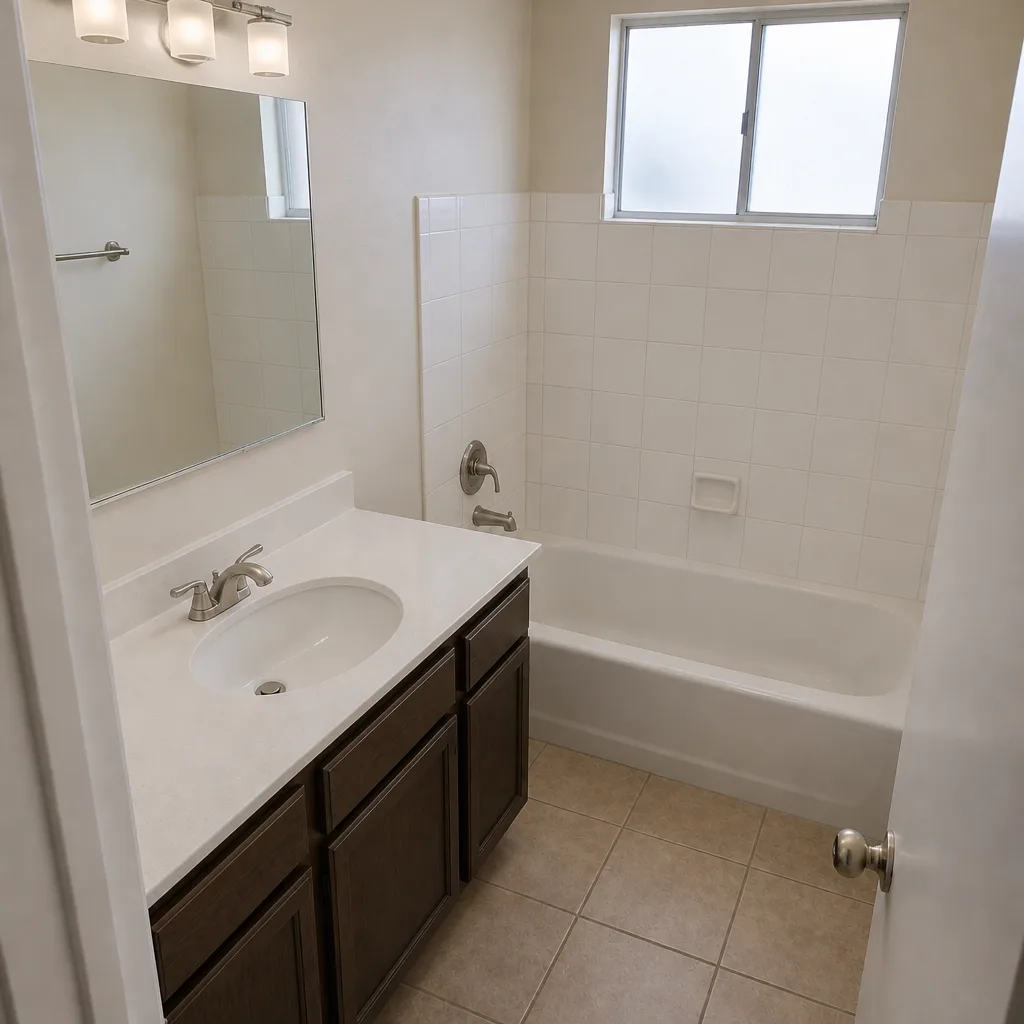 After
When to Call a Professional
Call a professional when the project touches structure, the electrical panel, gas, or the roof; when it needs a permit and an inspection; when it involves height or excavation; or when it’s big enough that a failed attempt would cost more to fix than to have hired out. That covers additions, ADUs, most window replacements on the exterior envelope, patio covers, driveway and paver work, and anything with a framing inspection. For hardscape in particular, the base and caliche work is the entire job – see our Fence Installation in Las Vegas guide for how footings behave in this soil. Barrett & Sons Construction Las Vegas offers free estimates in Las Vegas – call (866) 814-4155. Every eligible job includes permits pulled, inspections signed, and written change orders before any scope changes.
Frequently Asked Questions
Yes. Nevada allows a homeowner who occupies the home to act as an owner-builder and pull permits in their own name. The catch is the two-year resale clause: sell within that window and the law can presume you built it for resale, stripping your homeowner exemption and exposing you to contractor-level liability. Call (866) 814-4155 for a free second opinion on any written estimate before you decide.
It can reduce or void coverage if unpermitted or improperly installed work causes damage. Carriers can deny or reduce a claim on work that wasn’t permitted or installed by a qualified party, and HOA rules can require removal if you skipped architectural approval. Call (866) 814-4155 for an exact quote on doing it right the first time.
Interior painting, small tile jobs on a level slab, landscaping and drip irrigation, and minor trim work usually pay off for a careful homeowner. Roofing, electrical beyond a fixture swap, gas work, patio covers, window replacement, and excavation generally cost more to fix than to hire out. Estimates are free – call (866) 814-4155.
It varies by trade, but the pattern is consistent: fixing a failed tile job or shower pan means removing the failed work and redoing the substrate, often doubling the original cost. A patio cover that fails inspection may need full re-framing and re-footing. Get a professional bid before you start, and call (866) 814-4155 for a free estimate.
Yes. Patio covers and additions involve structural attachment and framing, which require permits and inspections. Skipping the permit leaves you with an unpermitted structure the county can require you to correct, and your insurance can decline related claims. Call (866) 814-4155 – we pull permits and sign off inspections on every eligible job.
Timeline depends on scope, but the price should never drift: every scope, allowance, and price change belongs in a written change order before work proceeds. If a bidder can’t put it in writing, walk away. Call (866) 814-4155 for a free estimate and a written line-item quote.
The Bottom Line
DIY in Las Vegas isn’t a yes-or-no question. It’s a question of which line you’re crossing. Cosmetic work that needs no permit and carries no structural risk? A careful homeowner can make the numbers work. Anything that touches structure, gas, the electrical panel, the roof, or the envelope – or that triggers Nevada’s owner-builder resale clause or your HOA’s approval process – is where DIY stops saving money and starts creating a liability. Get the pro bid for those, read it line by line, and make the true-cost comparison. If you’re in Las Vegas and want a number to compare against, start there.
Call (866) 814-4155 to schedule your free estimate. The crew at Barrett & Sons answers the phone with a live person, puts every scope and allowance in writing, pulls the permits, and stands behind the work with the written 90-Day Done Right Promise. Ask about the $40 Off Any Repair Over $200, the Free Second Opinion on Any Written Estimate, and the No Trip Charge Inside the County – and all seniors and veterans always get the permanent 10% discount. Our technicians have up to 28 years of experience, and we’re happy to walk you through the decision before you spend a dime.
Written by the team at Barrett & Sons Construction Las Vegas.