
Last updated November 17, 2026
 Driveway & pavers
 Kitchen remodeling
 Bathroom remodeling
 Home additions & ADU
 Roofing
 Windows & doors
 Fence
Free written scope consultation - allowances, timeline, and change-order rules on paper before a single trade is scheduled
DIY vs Professional Driveway & Pavers: What’s Safe to Do Yourself
A homeowner in Summerlin spent three weekends laying beautiful travertine pavers across his driveway. He was proud of it. Eighteen months later he paid a contractor twice what a professional install would have cost to tear it out. Two things did him in: nobody told him Clark County requires a permit for driveway work over 200 square feet, and the base under those pavers was never compacted to spec. The pavers didn’t fail because he laid them wrong. They failed because the ground beneath them moved. That’s the whole story of DIY pavers in Las Vegas in one paragraph, and this guide will show you exactly where the DIY line sits so you don’t pay for the job twice.
Quick Answer
You can safely handle the paver setting itself: pattern layout, setting field pavers on a prepared base, and basic cuts with a rented wet saw. You should not do the base prep, and you cannot skip the permit. Base failure, not sloppy paver placement, is what destroys nearly every DIY driveway in Las Vegas, and unpermitted flatwork is what stops a home sale or stalls an insurance claim. Do the finish work yourself if you want. Hire out the base and pull the permit.
Styles & brands we work with
- Kitchen remodeling
- Bathroom remodeling
- Home additions & ADU
- Roofing
- Windows & doors
- Driveway & pavers
- Fence
Table of Contents
- Where the DIY line actually sits
- Why base prep is the part you can’t fake
- The Las Vegas permit threshold nobody warns you about
- DIY vs professional: the real cost comparison
- The hybrid approach: split the job with a crew
- What the Las Vegas climate does to pavers
- Common mistakes to avoid
- When to call a professional
Where the DIY Line Actually Sits
People frame pavers as one job. It’s really three jobs stacked on top of each other, and they have very different difficulty curves.
The first job is excavation and base preparation. This is the part that determines whether your driveway lasts 20 years or starts shifting in 18 months. It involves digging to depth, grading for drainage, laying and compacting aggregate in lifts, and getting moisture content right. It’s heavy, it’s precise, and it’s where a rental plate compactor earns its keep.
The second job is paver setting. This is layout, screeding the bedding sand, laying the field in your pattern, cutting at edges, and tapping everything into plane. A careful, patient homeowner can do this part well. It’s a skill, but it’s a learnable one.
The third job is joint sand, sealing, and edge restraint. Joint sand goes in the gaps, edge restraint locks the perimeter, and sealer goes on top. Finishing work is very doable yourself if the base under it is right.
Here’s the split in plain terms:
- Legitimately DIY: pattern layout and string lines, setting field pavers on a prepared base, straight cuts with a rented wet saw, joint sand, sealing after cure.
- Not really DIY: excavation to depth, sub-base compaction to spec, moisture-corrected aggregate, edge restraint set into concrete, permit filing and inspection.
- Never DIY: gas, electrical, or utility locates near the driveway footprint. Call before you dig, every time.
We’ve watched plenty of Las Vegas homeowners do the middle job beautifully and then lose it all to a base that was never compacted. The laying part is the visible work. The base is the invisible work, and the invisible work is what you’re paying a professional for. For the full picture of what a finished driveway involves, our Driveway & Pavers in Las Vegas page walks through materials and scope.
Why Base Prep Is the Part You Can’t Fake
A hand tamper and a few bags of hardware store gravel will not compact a driveway base to spec. That’s the honest answer. Clark County’s base requirements for driveway pavers assume a properly compacted aggregate base laid in lifts, each lift compacted before the next goes down. A plate compactor delivers the force that a hand tamper cannot, and it has to be run at the right moisture content, because aggregate that’s too dry won’t bind and aggregate that’s too wet won’t compact.
This matters more in Las Vegas than it does in wetter climates, and here’s why. Our soil is caliche-heavy and expansive in places, our summer ground temperatures push 140 degrees at the surface, and our monsoonal rains arrive in violent bursts that dump an inch in an hour. A base that’s slightly undercompacted in Ohio might hold for a decade. In Las Vegas, that same base opens up on the first 110-degree week, water gets under the pavers during monsoon season, and the whole field starts rocking.
What proper base prep actually involves:
- Utility locates before any digging begins.
- Excavation to a depth that accounts for base, bedding sand, and paver thickness combined.
- Grading for positive drainage away from the garage and any structure.
- Laying compacted aggregate in lifts, usually 4 inches at a time, never all at once.
- Running a plate compactor over each lift at the correct moisture content.
- A final pass to verify grade, plane, and slope before the bedding sand goes down.
Every one of those steps has a way to go wrong that won’t show up for a year. That’s the nature of base work. The evidence always arrives late.
The Las Vegas Permit Threshold Nobody Warns You About
In Clark County, driveway work over 200 square feet generally requires a permit. Most residential driveways are well over that. A standard two-car driveway is typically 400 to 600 square feet, which means almost every driveway replacement project in Las Vegas hits the permit threshold whether the homeowner realizes it or not.
What happens when unpermitted flatwork surfaces later is where people get hurt. Three specific scenarios:
- Home sale: A title search during escrow turns up unpermitted flatwork. The buyer’s lender can require it be permitted retroactively or torn out before closing. That’s a five-figure surprise at the worst possible moment.
- Insurance claim: If a vehicle damages the driveway, or a monsoon event undermines it, an adjuster can deny the claim on the grounds that unpermitted work wasn’t built to code. You paid premiums for years and get nothing.
- Refinance: Appraisers flag unpermitted structures and improvements. A refinance can stall while you sort out paperwork that should have been filed before the first shovel went in.
The permit inspector works for you, not for the contractor. That’s why we like him. An inspection is a second set of eyes confirming the base was built to spec before the pavers go on top of it, and that inspection record follows the property forever. Barrett & Sons pulls permits and signs inspections on every eligible job, and if you’ve ever had a contractor tell you permits were optional, that’s exactly the contractor who created this problem. When you’re ready to talk scope, our home page lays out how we work.
DIY vs Professional: The Real Cost Comparison
DIY pavers look cheaper on paper until you add up everything the paper leaves out. Here’s the honest math on a typical 500-square-foot Las Vegas driveway, using ranges that reflect what materials and rentals actually cost in this market. (These are working ranges, not quotes. Your exact numbers depend on paver choice, site access, and how much excavation your yard needs.)
- Pavers (material): $3 to $8 per square foot depending on brand and finish. Belgard and Techo-Bloc sit at the higher end and last longer.
- Base aggregate and bedding sand: $1 to $2 per square foot delivered.
- Plate compactor rental: $80 to $150 per day, and you’ll need several days.
- Wet saw rental: $60 to $120 per day.
- Edge restraint, joint sand, sealer: $1 to $2 per square foot.
- Dumpster and haul-away: $400 to $800 for excavation spoils.
- Permit: varies by scope, and it’s not optional.
Add it up and DIY materials and rentals land in the range of $6 to $13 per square foot before you count a single hour of your own labor. A professional bid on the same driveway typically runs $12 to $22 per square foot installed, all in, permit and labor included.
That gap looks like real savings until you account for the redo. If the base fails, you’re paying for excavation, disposal, new base, and new pavers a second time. Including the cost of one redo, DIY runs about even with a professional install on the low end of the range, and you spent three weekends on your knees doing it. That’s not a savings. That’s a coin flip with your weekends as the stake.
For a closer look at how we scope driveway work, our Driveway & Pavers in Las Vegas page breaks down materials and process.
The Hybrid Approach: Split the Job With a Crew
There’s a middle path that more homeowners should consider, and it’s the one we recommend most often when someone calls wanting to do some of the work themselves.
Hire a professional crew to handle excavation, base prep, compaction, and the permit. You take on the paver setting, edge cuts, joint sand, and final sealing. This lets you put your own labor into the visible, learnable part of the job, and leaves the invisible, unforgiving part to people who do it every day.
Here’s how it typically runs:
- The crew excavates, grades, and compacts the base to spec, and pulls the permit.
- An inspector signs off on the base before any pavers go down.
- You take delivery of the pavers and set the field on the screeded bedding sand.
- The crew returns to check the plane and lock the edge restraint into concrete.
- You finish the joint sand and apply sealer after cure.
This arrangement works well on budget, and it works well on the permit, because the permit and inspection ride on the crew’s license. If you want to talk through what a split scope looks like, we’ll put it in writing before any work starts. That’s how every scope, every allowance, and every price change gets handled here, because the allowance that isn’t on paper is a surprise waiting for a date.
If you’re also fencing the yard while the driveway is torn up, timing the two together saves you a haul-away charge. See our Fence Installation in Las Vegas page for how that scheduling works.
What the Las Vegas Climate Does to Pavers
Paver failure in Las Vegas usually doesn’t look like paver failure. It looks like base failure showing up above ground. Three climate factors drive that.
First, ground heat. Pavers on a summer driveway can hit 140 degrees at the surface, and they expand. That expansion needs somewhere to go, which is why edge restraint set into concrete matters so much here. An unrestrained edge in full sun starts pushing out within a couple of seasons.
Second, monsoonal rain. An inch of rain in an hour hits a driveway the way a firehose hits a sidewalk. If the grading lets water pool against the garage, or the base wasn’t compacted tightly, that water finds every weak spot and works it like a wedge. Proper slope and a compacted base are what keep monsoon water moving off the surface instead of into it.
Third, caliche. Las Vegas soil can be caliche-heavy and expands and contracts with moisture in ways that push up on flatwork. Base prep here has to account for that, which is one reason a one-size-fits-all base depth doesn’t hold. A crew that’s worked Las Vegas driveways for years can read the soil on your lot and know whether standard depth is enough or you need extra. That’s the kind of local judgment you can’t rent a plate compactor to get. Our crews have up to 28 years of experience with exactly this kind of ground.
Common Mistakes to Avoid
- Skipping the permit because the last guy said it was optional. In Clark County, driveway work over 200 square feet generally needs one, and unpermitted flatwork is a title problem during a Las Vegas home sale, not a paperwork problem you can fix later for free. Get it in writing that your contractor is pulling the permit.
- Compacting the base with a hand tamper. A hand tamper can’t reach the compaction a plate compactor delivers, and a base that’s slightly undercompacted in a Las Vegas summer opens up in one season. Rent the compactor or hire the base.
- Buying hardware store gravel instead of spec aggregate. Compacted base to spec is a specific material at a specific depth in specific lifts. Bag gravel isn’t that, even when it looks like it.
- Setting pavers on dry bedding sand. Screed sand needs the right moisture or the pavers won’t bed. It seems like a detail. It’s the difference between a flat field and a wavy one.
- Leaving the edge unconstrained. In Las Vegas sun, an unrestrained perimeter pushes outward faster than anywhere else in the country. Edge restraint set in concrete is not a suggestion here.
- Sealing too soon. Sealer applied before the pavers and joint sand cure traps moisture and turns cloudy. Read the cure requirement on the product, then wait longer than it says.
- Digging before utility locates. Free call, ten minutes, and it can save you a gas line. There’s no version of this where skipping the locate is worth it.
When to Call a Professional
Call a professional if the driveway is over 200 square feet and needs a permit. Call if the existing surface has cracks, settling, or drainage issues that go deeper than the pavers. Call if the driveway connects to a garage slab and you need the transition graded correctly. Call if you’re selling within a few years and can’t afford a permit problem at closing. Call if you want the base prepped to spec and inspected, but plan to handle the finish work yourself.
Barrett & Sons Construction is owner-operated, so the person who quotes your job is on site during the work. Every eligible job gets permits pulled and inspections signed. Every price change arrives as a written change order before any work moves. And every completed driveway is backed by our 90-Day Done Right Promise, which is written on the contract, not buried in fine print. If something isn’t right, one call brings us back. Barrett & Sons Construction Las Vegas offers free estimates in Las Vegas – call (866) 814-4155. Live person answers the phone, any hour.
Frequently Asked Questions
For most Las Vegas homeowners, no. The paver-setting part is doable, but the base prep that determines whether the driveway lasts is not, and the permit threshold for driveways over 200 square feet is real. Once you include the cost of tool rental, disposal, the permit, and the realistic risk of a redo, DIY usually runs even with a professional install, and you spent your weekends doing it. Call (866) 814-4155 for a free estimate and we’ll walk you through exactly which parts you can safely handle yourself.
Sometimes, but not often, and it depends on the condition of the concrete, the drainage, and how much height you can add without trapping water against the garage. Las Vegas concrete that’s already cracked or settled cannot be saved by pavers on top, because that same movement will telegraph straight up to the new surface. Get an assessment before you buy a single paver.
A professional paver driveway in Las Vegas typically runs $12 to $22 per square foot installed, permit and labor included. DIY materials and tool rentals land around $6 to $13 per square foot before your own labor, and that range doesn’t count a redo. One failed base wipes out the savings. Call (866) 814-4155 for an exact quote on your driveway, and estimates are free.
Usually yes. In Clark County, driveway work over 200 square feet generally requires a permit, and a standard two-car driveway runs well over that. Unpermitted flatwork can hold up a home sale, stall a refinance, or get a claim denied. Every eligible job we take on gets the permit pulled and the inspection signed.
A properly installed paver driveway lasts 20 to 30 years in Las Vegas, assuming the base was compacted to spec and the edge restraint was set into concrete. A driveway on a poorly compacted base can start shifting within 18 months, especially after a monsoon season. The pavers themselves rarely fail. The ground underneath them does.
We don’t recommend it, because the base is the part of the job where mistakes don’t show up until later, and we can’t back a driveway we didn’t base-prep. What we do recommend is the reverse: we handle the base, the permit, and the inspection, and you set the field pavers and finish the sealer yourself. Call (866) 814-4155 and we’ll quote that split scope in writing.
The Bottom Line
The honest line between safe DIY and professional work on a Las Vegas driveway is narrower than most guides admit. Laying pavers well is a real skill, and a patient homeowner can learn it. Base prep to Clark County spec is a different animal: heavy equipment, moisture control, and compaction that a hand tamper will never reach. The permit threshold for driveways over 200 square feet is not optional, and unpermitted flatwork follows the property for life. If you do the work yourself, do the visible part and hire out the base and the permit. If you want the whole job done once, with a written guarantee behind it and a name you can look up, call us. Our Home Additions & ADU in Las Vegas page shows the same permit-first approach we bring to every project on your lot.
Call (866) 814-4155 to schedule your free estimate. Live person answers, any hour. We’ll put the scope in writing, itemize the base prep and the permit separately so you can see what you’re paying for, and tell you honestly which parts you could handle yourself if you’d rather split the work.
Written by the team at Barrett & Sons Construction Las Vegas.
See the difference
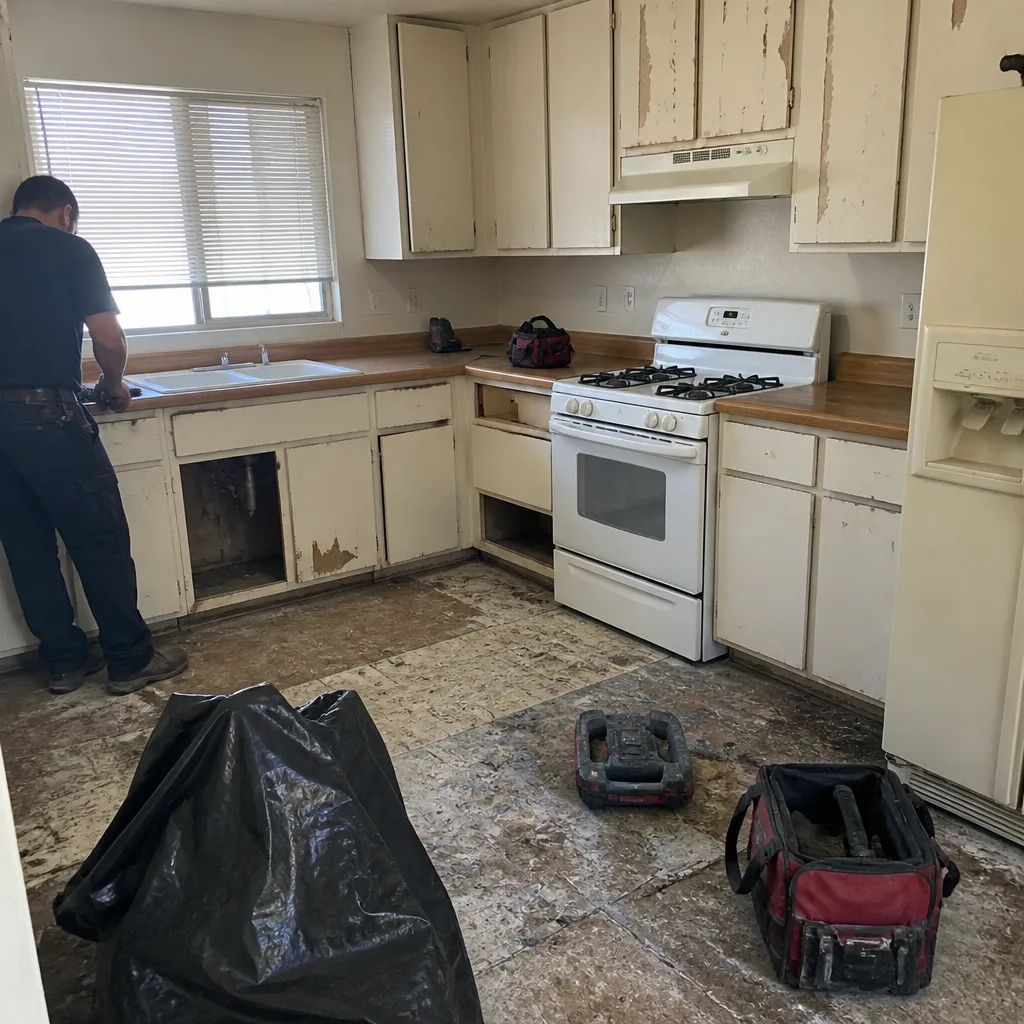 Before
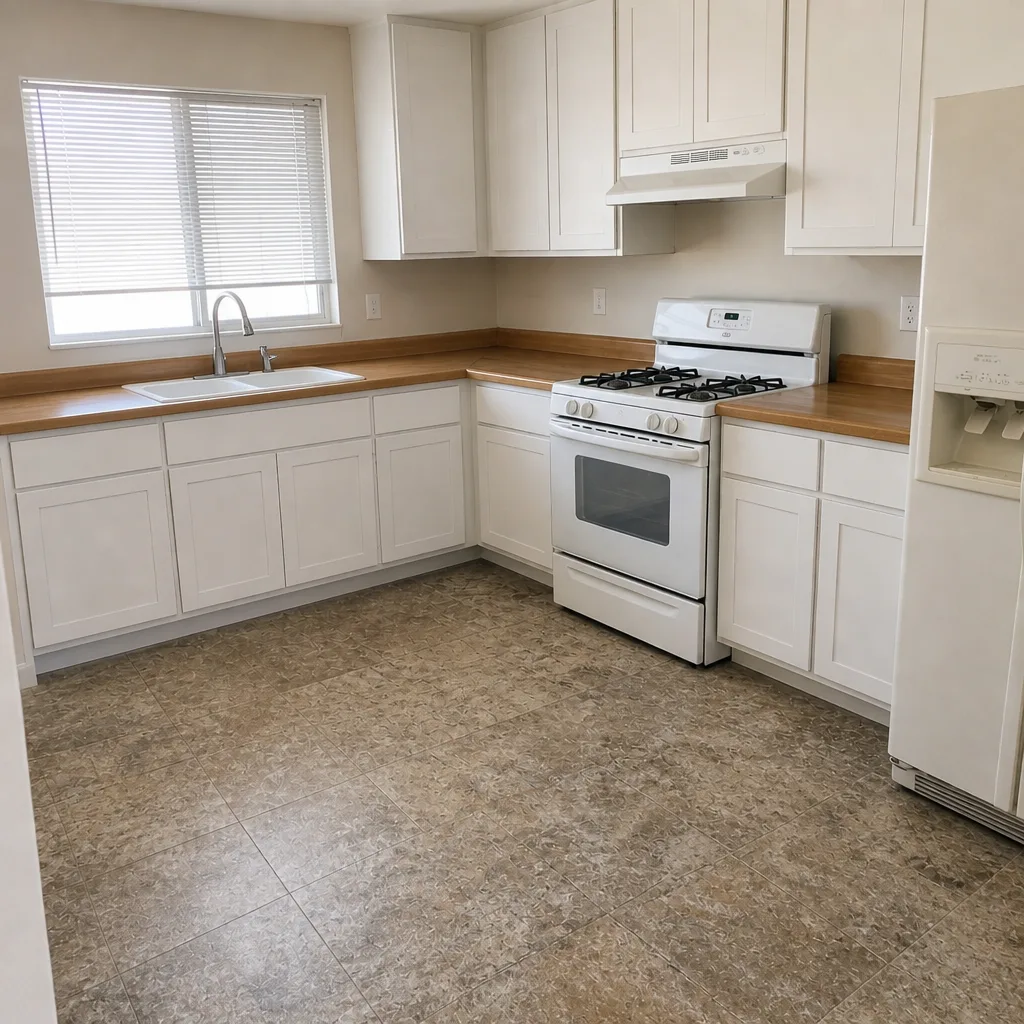 After
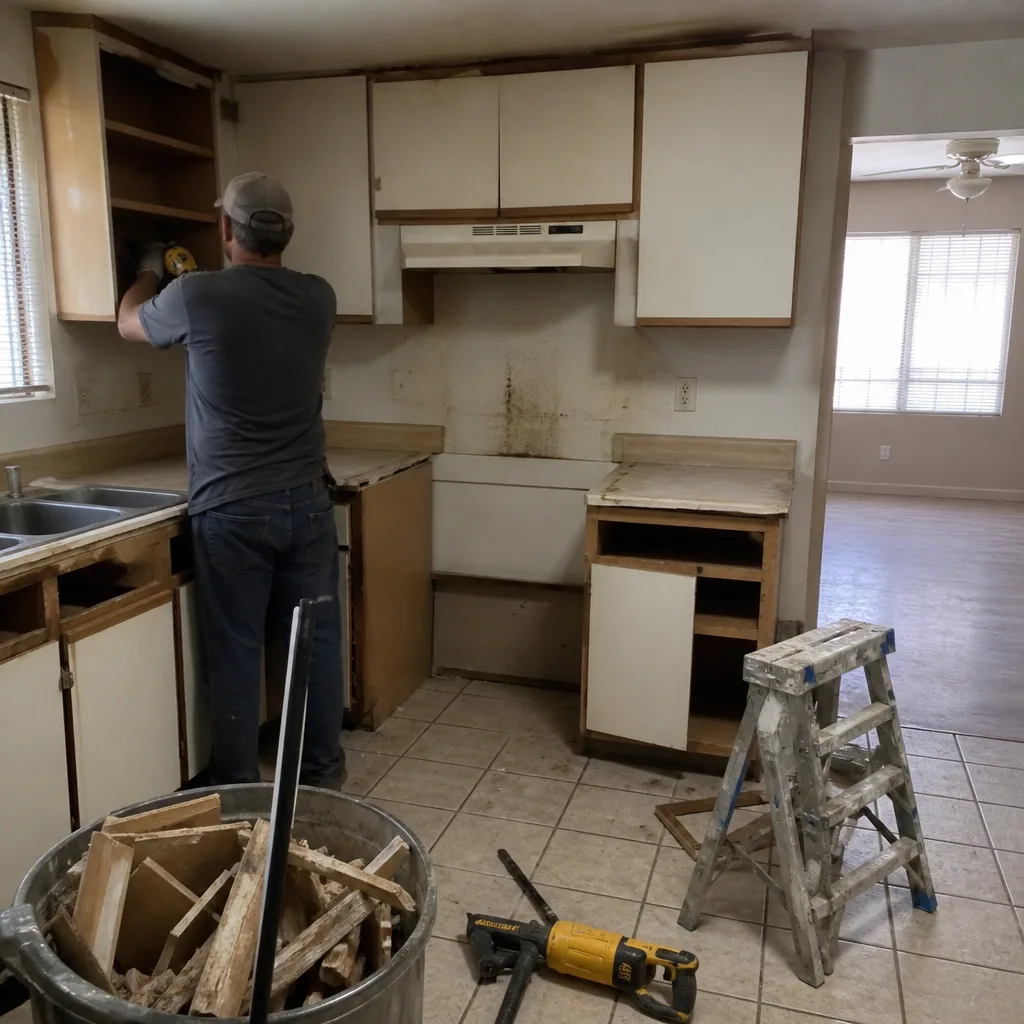 Before
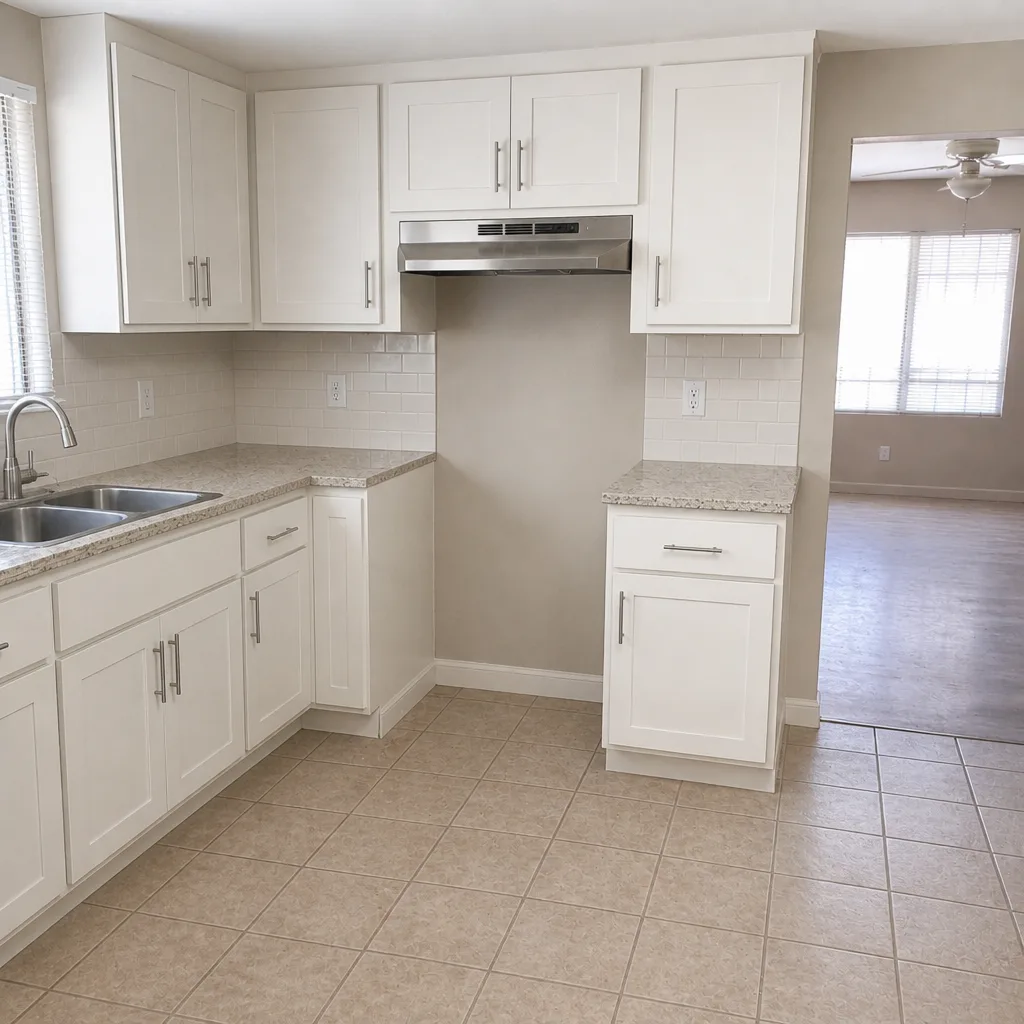 After
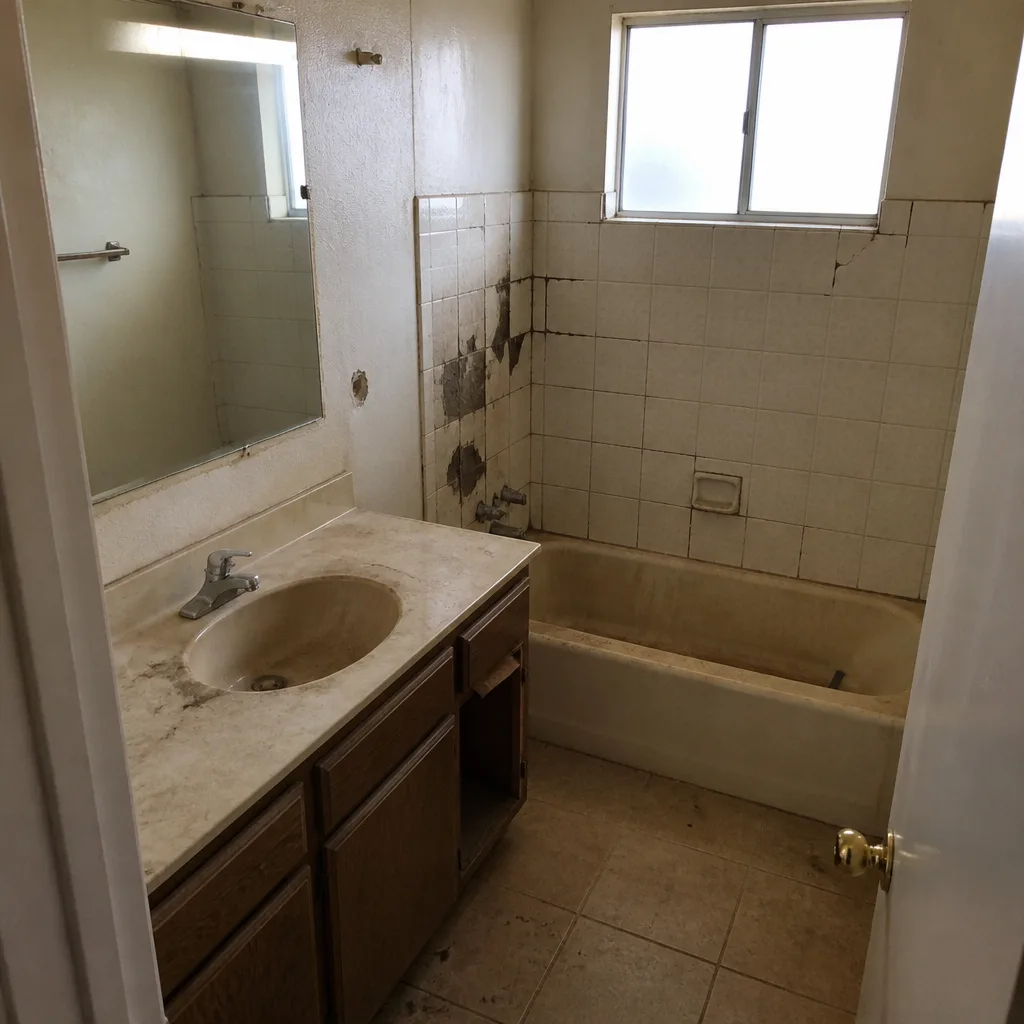 Before
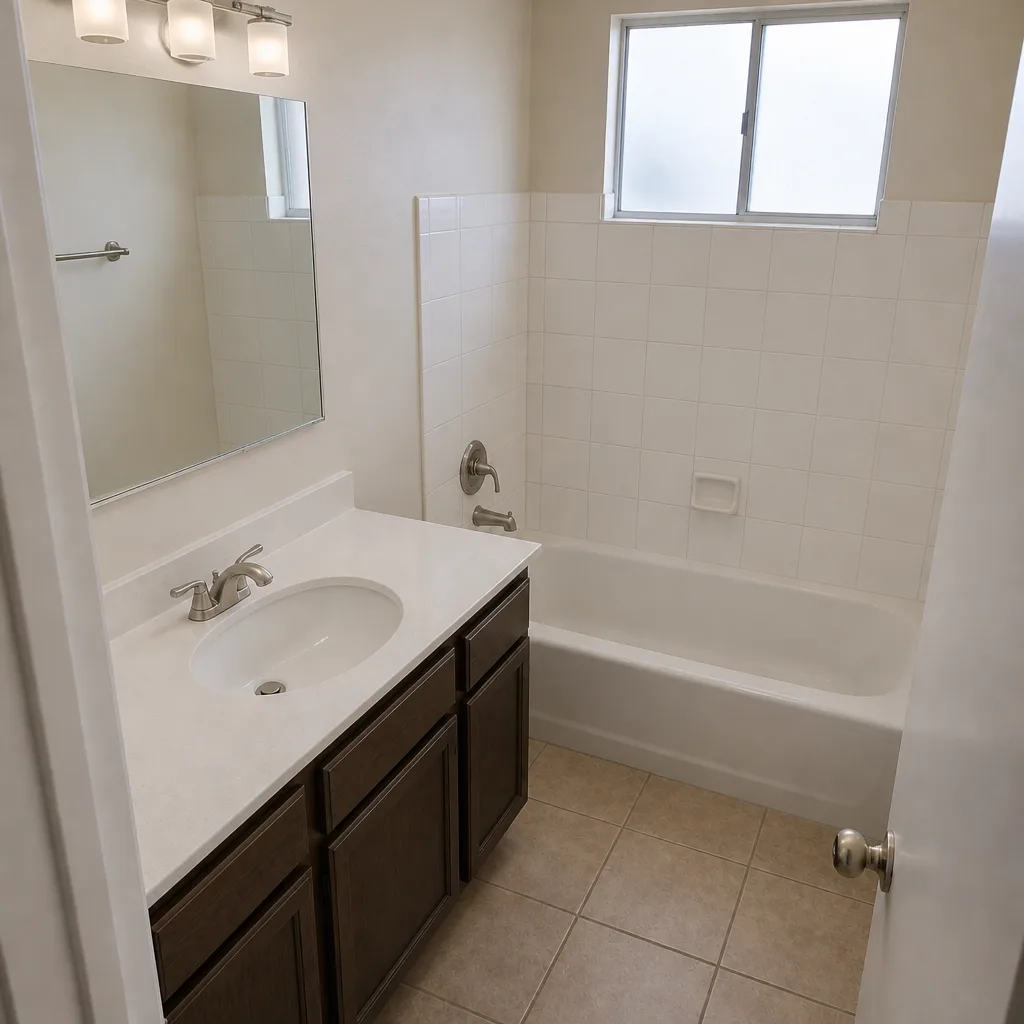 After