
Last updated November 17, 2026
 Home additions & ADU
 Kitchen remodeling
 Bathroom remodeling
 Roofing
 Windows & doors
 Driveway & pavers
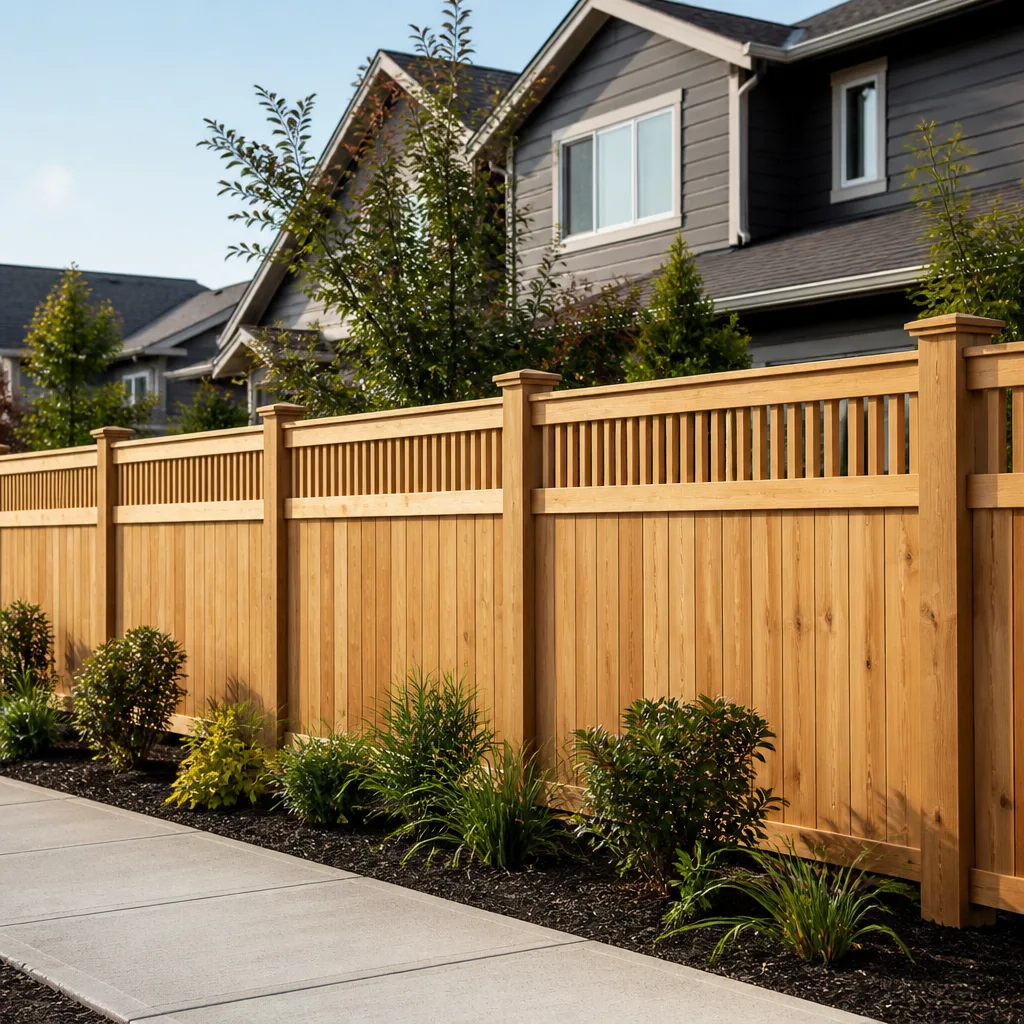 Fence
Free written scope consultation - allowances, timeline, and change-order rules on paper before a single trade is scheduled
The Complete Fence Installation Guide for Las Vegas Homeowners
Las Vegas sustained winds regularly hit 35 mph, with gusts past 50, and that’s enough to topple a 6-foot block wall section that was set in a post hole dug to Texas standards instead of the deeper, wider footings the Mojave actually requires. Most fence guides you’ll find online were written for loamy soil and gentle climates, then copy-pasted for every market. They miss the two things that decide whether your fence stands for decades or leans by the second summer: alkaline caliche soil and wind load. This guide covers what actually matters here – Clark County permits, footing depth, HOA palettes, and real material life spans under desert UV. If you’ve been burned by a bid that looked nothing like the final bill, this is the guide we’d hand you in person.
Quick Answer
Fence installation in Las Vegas costs roughly $28 to $65 per linear foot installed, depending on material. A typical 150-foot residential lot runs $4,200 to $9,750, and block (CMU) walls run higher at $45 to $90 per foot because of footing and reinforcement requirements. The two hidden cost drivers in Las Vegas are caliche excavation and wind-load engineering – both routinely missing from out-of-state quotes.
Styles & brands we work with
- Kitchen remodeling
- Bathroom remodeling
- Home additions & ADU
- Roofing
- Windows & doors
- Driveway & pavers
- Fence
Table of Contents
- Why Las Vegas Soil Changes Everything About Your Fence
- Clark County and Henderson Permit, Setback, and Height Rules
- Wind Load: When a Permit Is Mandatory for Block Walls and Tall Wood Fences
- Material Longevity Under Desert UV and Heat
- HOA Fence Rules in Las Vegas Master-Planned Communities
- The Installation Process, Step by Step
- What Fence Installation Costs in Las Vegas
- The Real Maintenance Calendar
Why Las Vegas Soil Changes Everything About Your Fence
Caliche is a cemented layer of calcium carbonate that forms just below the surface across much of the Las Vegas Valley. It behaves like soft rock. A standard post-hole digger won’t cut it, and a contractor who budgets two hours for post holes will either walk off the job or hand you a change order on day one. We’ve watched post holes in the southwest valley take three times longer than the same job in a more forgiving soil type.
The second problem is chemistry. Las Vegas soil runs alkaline, often with a pH north of 8. That alkaline moisture attacks bare steel post bases and galvanized hardware faster than in neutral soil. A post that would last 25 years in the Midwest can show corrosion at the base in under ten here if it’s set without proper isolation.
Three things fix this:
- Deeper, wider footings. Las Vegas post holes are typically dug 24 to 36 inches deep and 10 to 12 inches wide, set below the frost line and into stable soil, then filled with concrete – not gravel.
- Concrete collars. A concrete collar around the base of steel posts keeps alkaline soil moisture away from the metal.
- Correct post material. In our experience, powder-coated aluminum or hot-dip galvanized steel outperforms bare steel in Las Vegas soil. The national “just use pressure-treated pine” advice is a poor fit for caliche and alkaline conditions.
If a bid doesn’t mention caliche excavation or footing depth, ask. The answer tells you whether the person quoting has actually dug a hole in this valley.
Clark County and Henderson Permit, Setback, and Height Rules
Fence permit rules in Clark County and Henderson share a lot but aren’t identical, and this is where most homeowners get tripped up. Here’s the working baseline for residential fencing.
Height limits
- Front yard / street-facing: typically 3 feet maximum in most residential zones, though corner-lot sight-triangle rules can push this lower near driveways and intersections.
- Side and rear yards: usually 6 feet maximum for solid fencing in Clark County residential zones. Anything taller often needs a variance.
- Corner lots: the visibility triangle at the intersection matters. A 6-foot wall placed too close to the corner blocks sight lines and can be required to come down.
Setbacks
- Fences are generally required to sit on or inside your property line, with the finished face toward your neighbor in most HOA communities.
- Easements (utility, drainage, flood control) can forbid permanent structures – check your plat before digging. A fence built over a utility easement can be ordered removed at your expense.
When a permit is required
- Any CMU block wall over a certain height (typically 6 feet in many jurisdictions, lower in some) requires a building permit and inspection.
- Wood and vinyl fences under the height limit often don’t require a permit – but damage to a shared property line, retaining walls, and structures on easements are a different story.
Permits pulled and inspections signed aren’t a formality. The permit inspector works for you, not for us – that’s why we like him. A signed inspection protects you at resale when a buyer’s inspector starts asking questions.
Wind Load: When a Permit Is Mandatory for Block Walls and Tall Wood Fences
This is the section most Vegas fence guides skip entirely. Wind load is engineering, not opinion, and Clark County treats it that way.
A 6-foot CMU block wall in Las Vegas is subjected to design wind pressures that a standard ungrouted, unreinforced wall can’t safely resist. The fix is structural: vertical rebar in every cell at defined intervals, horizontal bond beams, and grout fill. A wall built without these elements is a wall that will lean after the first 50 mph gust, and it’s a wall a permit inspector will not pass.
When a permit is mandatory for wind reasons:
- Any block (CMU) wall of 6 feet or taller, and often any block wall above 3 to 4 feet in many jurisdictions.
- Wood fences over 6 feet, because the surface area catches wind pressure the post footing wasn’t designed for.
- Fences on retaining walls or slopes, where the wind and soil forces combine.
- Any fence acting as a windbreak near pools or on ridgelines in higher elevations of the valley.
The engineering that matters: post spacing, footing depth and diameter, rebar schedule, and reinforcement of any gate posts. A gate post receives more load than a plain wall post and needs to be sized accordingly. Contractors who skip this are the reason you see leaning block walls in older Las Vegas neighborhoods every time a wind event rolls through.
Material Longevity Under Desert UV and Heat
Las Vegas averages around 294 sunny days a year, and summer highs regularly clear 105°F. That UV and heat combination punishes some materials far more than others. Here’s how the common fence materials actually hold up here.
- Wrought iron: 30+ years if powder-coated and the base is properly isolated from alkaline soil. Repaint touch-ups every 5 to 7 years. Corrosion at the base is the failure point, not the finish.
- Aluminum: 25+ years, powder-coated finishes hold up well to UV. Lighter than wrought iron, no corrosion issue at the base. Repaint every 8 to 10 years if you want it looking fresh.
- Vinyl: 20 to 30 years in most climates, but desert UV can yellow or chalk lower-grade vinyl. Higher-end vinyl holds color better. No repainting – pressure wash every few years and replace any sun-cracked sections.
- Wood (cedar, pine, composite): 12 to 20 years for real wood with proper finish, and 15 to 25 for high-end composite. Wood requires restaining every 2 to 4 years here – the sun bleaches it faster than in cooler climates. Composite needs a wash every year or two.
- CMU block: 40 to 50+ years when properly engineered and grouted. Repaint or reseal the stucco finish every 8 to 12 years. Failure comes from bad footings, not from the block itself.
The takeaway: a “35-year vinyl fence” claim assumes a climate with moderate UV. In Las Vegas, discount the marketing lifespan by roughly a third and spec the higher-grade version of whatever material you choose. We install materials you can look up by name, not mystery brands off a van.
HOA Fence Rules in Las Vegas Master-Planned Communities
If you live in Summerlin, Green Valley, Southern Highlands, Aliante, or any of the dozens of master-planned communities around Las Vegas, your HOA has architectural rules that go further than Clark County code. The most common requirements we run into:
- Approved color palette. Most communities restrict fence and wall color to a specific tan, stucco-textured palette. A fence that matches the community is approved; a white vinyl or natural wood fence will likely be denied.
- Material restrictions. Many HOAs don’t allow chain-link in front yards, and some restrict vinyl entirely. Wrought iron and block are more commonly approved.
- Height and placement. The HOA rule can be stricter than the county code – a 6-foot county max doesn’t mean your HOA approves 6 feet everywhere.
- Shared-fence protocols. In many communities the fence between neighbors is on one lot or the other per the plat, and HOA documents define who maintains what.
- Architectural review before you install. Most HOAs require written approval before installation. Installing before approval can result in a removal order at your cost.
How to spec a fence that passes approval the first time:
- Pull your community’s architectural guidelines and confirm the approved materials, colors, and max heights.
- Submit a one-page drawing with dimensions, material specs, and color swatches to the architectural review committee.
- Get written approval on file before any material is ordered.
- Keep the approval and the contractor’s scope in writing next to the contract – if a neighbor or the HOA asks later, you have the paper.
We’ve seen Las Vegas homeowners install a beautiful fence and get a removal notice the same week because they skipped step three. Scope in writing, approvals in writing, change orders in writing.
The Installation Process, Step by Step
Here’s how a properly run Las Vegas fence installation goes, from first call to final walk-through.
- On-site estimate and soil check. We walk the line, look at caliche depth with a probe, confirm the property line, and note any easements.
- Written scope with line items. Material and footage per section, footing depth and diameter, color and style choices, and the permit line – all in writing. Any allowance is written down. An allowance that isn’t on paper is a surprise waiting for a date.
- HOA and permit review. If applicable, we submit drawings for architectural approval and pull the county or Henderson permit in parallel.
- Utility locate. Nothing gets dug until the 811 locate marks are back.
- Removal and site prep. Old fence and posts come out, and the line gets graded.
- Post holes and footings. Caliche broken up, holes dug to depth and width, rebar or rebar cage set on block walls, concrete poured and cured.
- Panels, rails, gates. Assembled and hung with gate posts sized for the load.
- Inspection. County or city inspector signs off on permitted work.
- Final walk. We walk the fence with you, showing every section and gate, and the 90-Day Done Right Promise is written on the contract.
Most residential fence jobs in Las Vegas run two to five days of on-site work, with permission and curing time adding a week or more depending on permit pace.
What Fence Installation Costs in Las Vegas
Realistic Las Vegas pricing, laid out line by line. These are installed prices – material, labor, footings, and cleanup.
- Wood (cedar or pine) privacy fence: $28 to $45 per linear foot.
- Vinyl privacy fence: $32 to $52 per linear foot.
- Aluminum ornamental: $38 to $60 per linear foot.
- Wrought iron: $45 to $75 per linear foot.
- CMU block wall with stucco finish: $45 to $90 per linear foot, higher on engineered walls.
- Caliche excavation surcharge: $8 to $20 per post where the caliche layer is thick.
- Permit fees (block walls): typically $150 to $500 depending on scope and jurisdiction.
- Gate installation (walk or drive): $200 to $1,200 depending on width and hardware.
A 150-foot rear-yard wood fence in Las Vegas typically lands between $4,200 and $6,750 installed. The same footage in CMU block with a stucco finish runs $6,750 to $13,500. If a bid comes in dramatically under these ranges, the difference is usually footing depth, caliche handling, or a missing permit – the three line items you can’t see until the hole is dug.
For a broader look at exterior hardscape pricing and sequencing alongside your fence project, see our guide to Driveway & Pavers in Las Vegas.
The Real Maintenance Calendar
Fence maintenance in Las Vegas isn’t the same as anywhere else. This is the cycle that actually applies here.
- Every spring: walk the fence and check every post base for corrosion or rot, and check gate hinges and latches.
- Every 2 to 4 years: restain wood fences. Desert sun drives this schedule faster than in cooler climates.
- Every 5 to 7 years: touch-up repaint wrought iron, particularly at the base where alkaline soil does its work.
- Every 8 to 10 years: repaint or reseal aluminum and stucco block walls.
- Annually after any wind event over 40 mph: check leaning posts, cracked stucco, and gate alignment – a small repair now prevents a full section rebuild later.
- Every year: pressure wash vinyl to remove dust and desert grit before it embeds.
If your HOA required a specific color, keep a small can of touch-up paint on hand – the color may not be a standard shelf item years later.
Common Mistakes to Avoid
- Skipping the caliche check at estimate. A two-hour post-hole budget in caliche means a change order by lunch on day one. Ask for caliche excavation to be priced in writing.
- Building a 6-foot block wall without engineering. Unreinforced block walls lean or crack in the first sustained 40 mph wind event. Grouted cells and rebar are non-negotiable.
- Installing before HOA approval. A single removal notice can cost more than the entire fence. Get the architectural committee’s signature first.
- Trusting a “35-year vinyl” claim in Las Vegas. Desert UV cuts most vinyl life spans by a third. Spec higher-grade material and discount the marketing number.
- Digging before the 811 utility locate. Cutting a gas or irrigation line on day one is a real risk and a real bill.
- Bare steel posts in alkaline soil. Without a concrete collar and proper coating, the base corrodes years before the fence above it fails.
- An oral quote with no written scope. Allowances and change orders that live only in a phone call don’t count for anything when the final invoice arrives.
See the difference
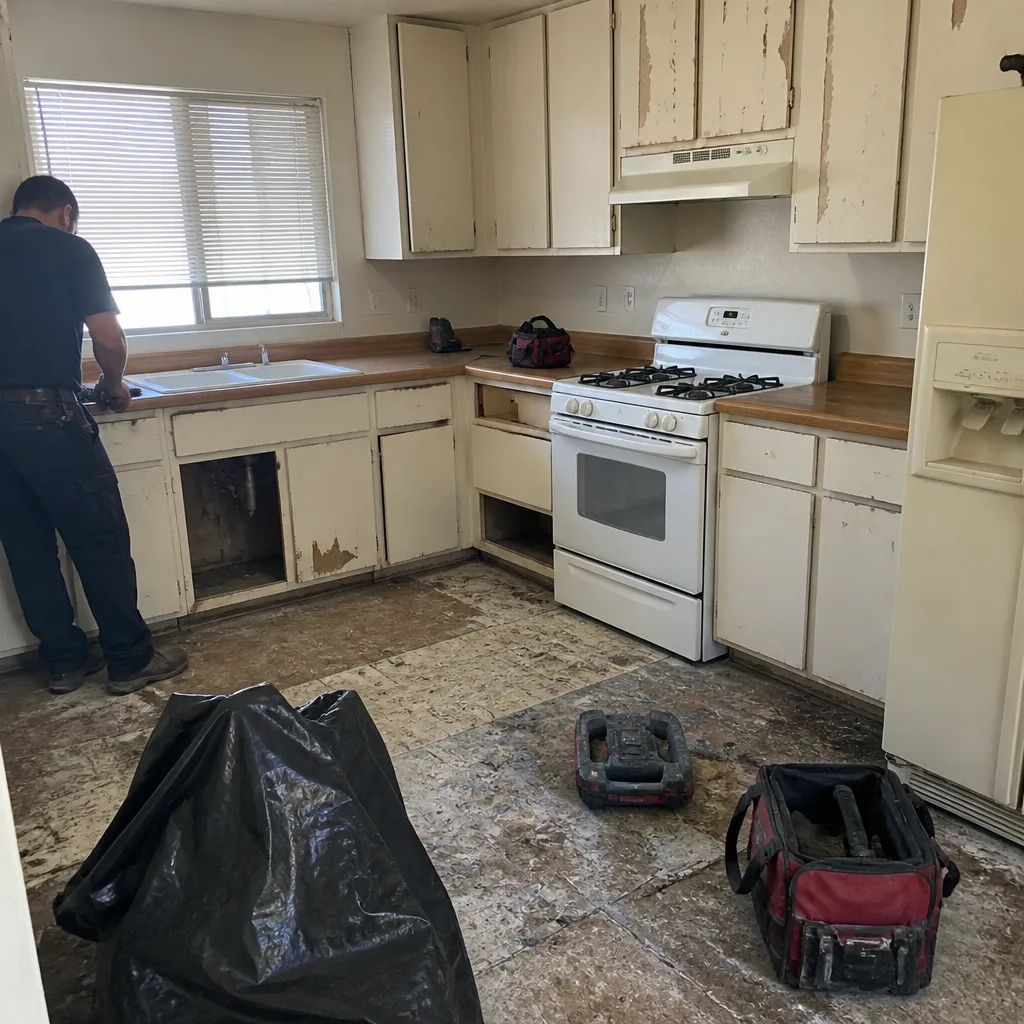 Before
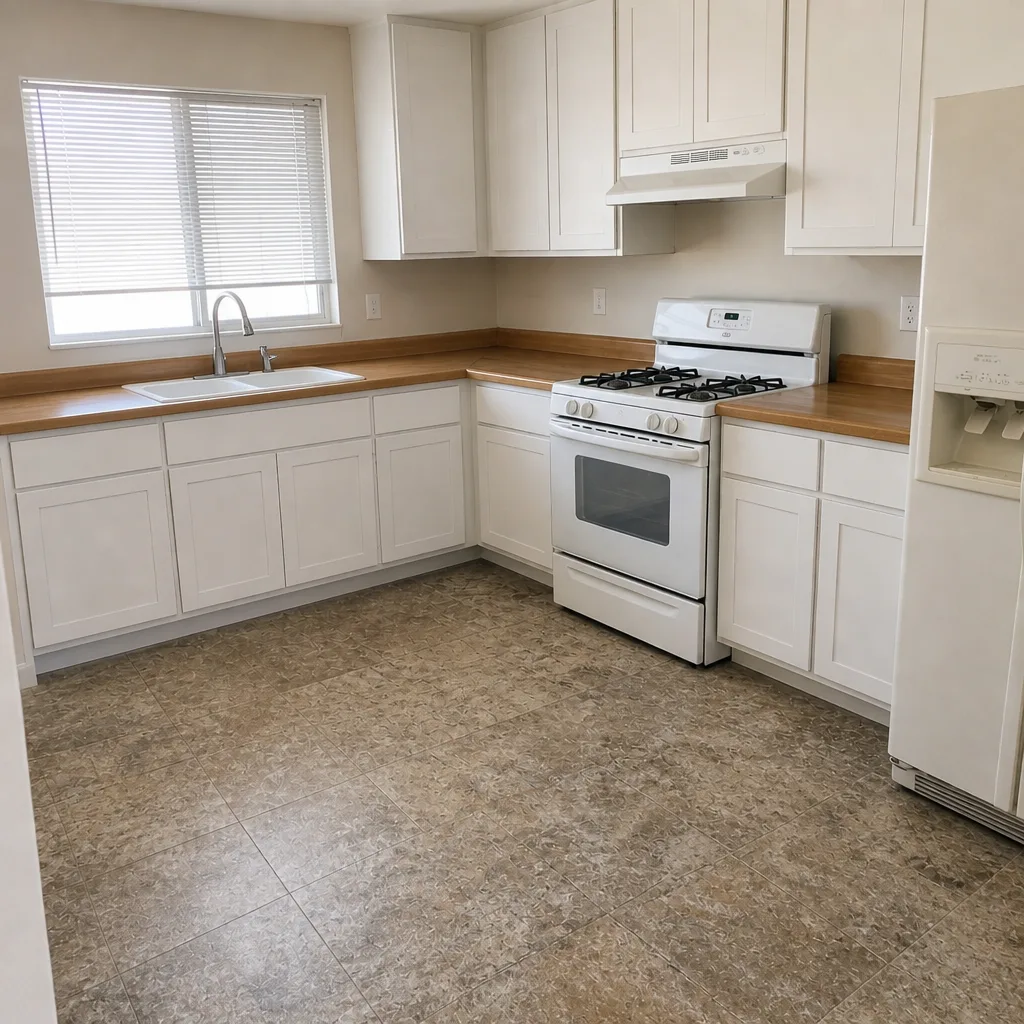 After
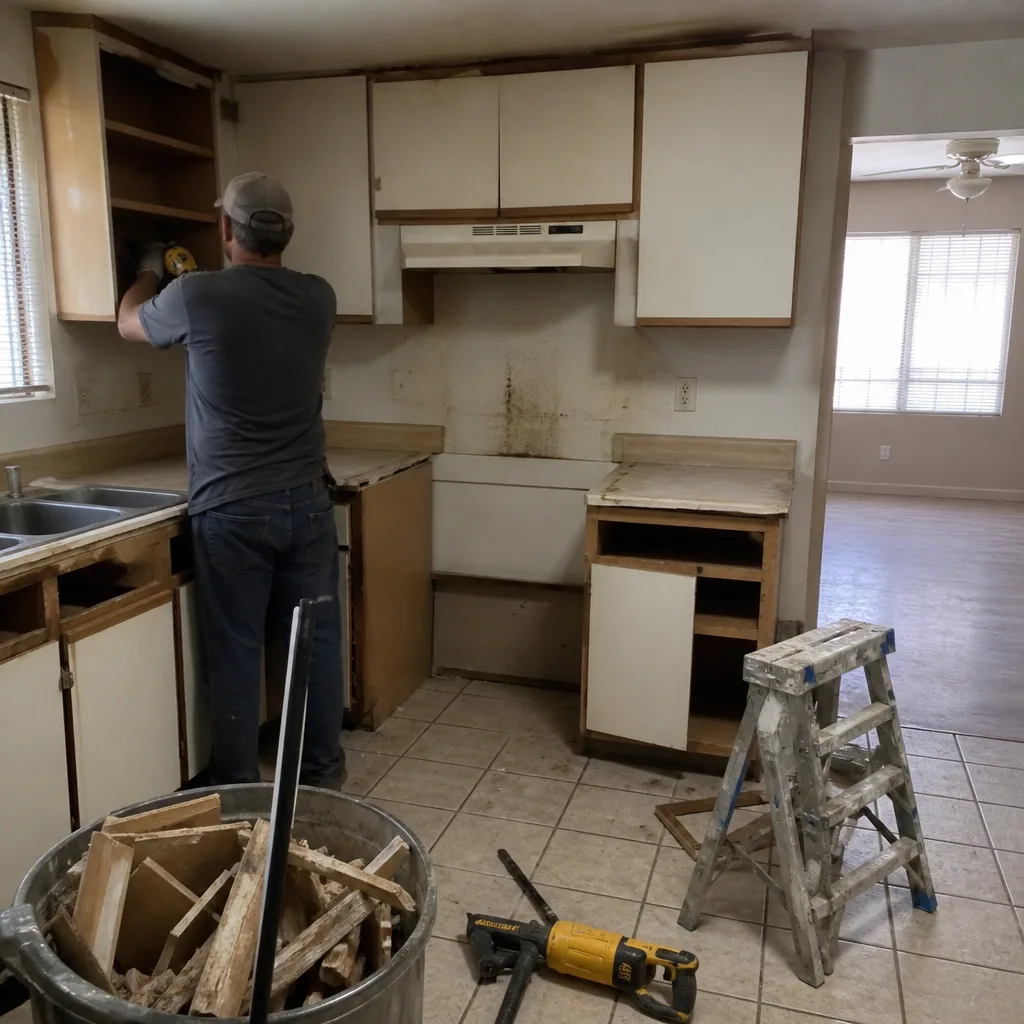 Before
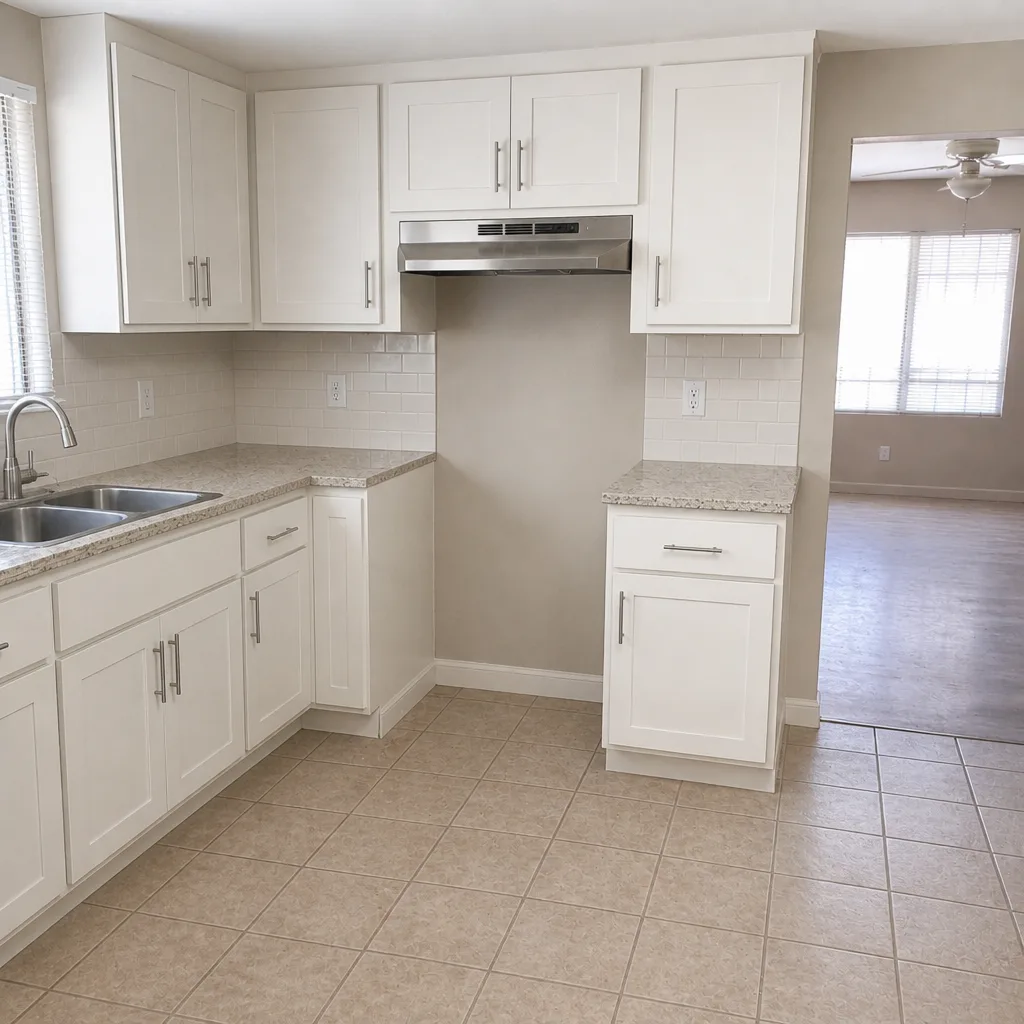 After
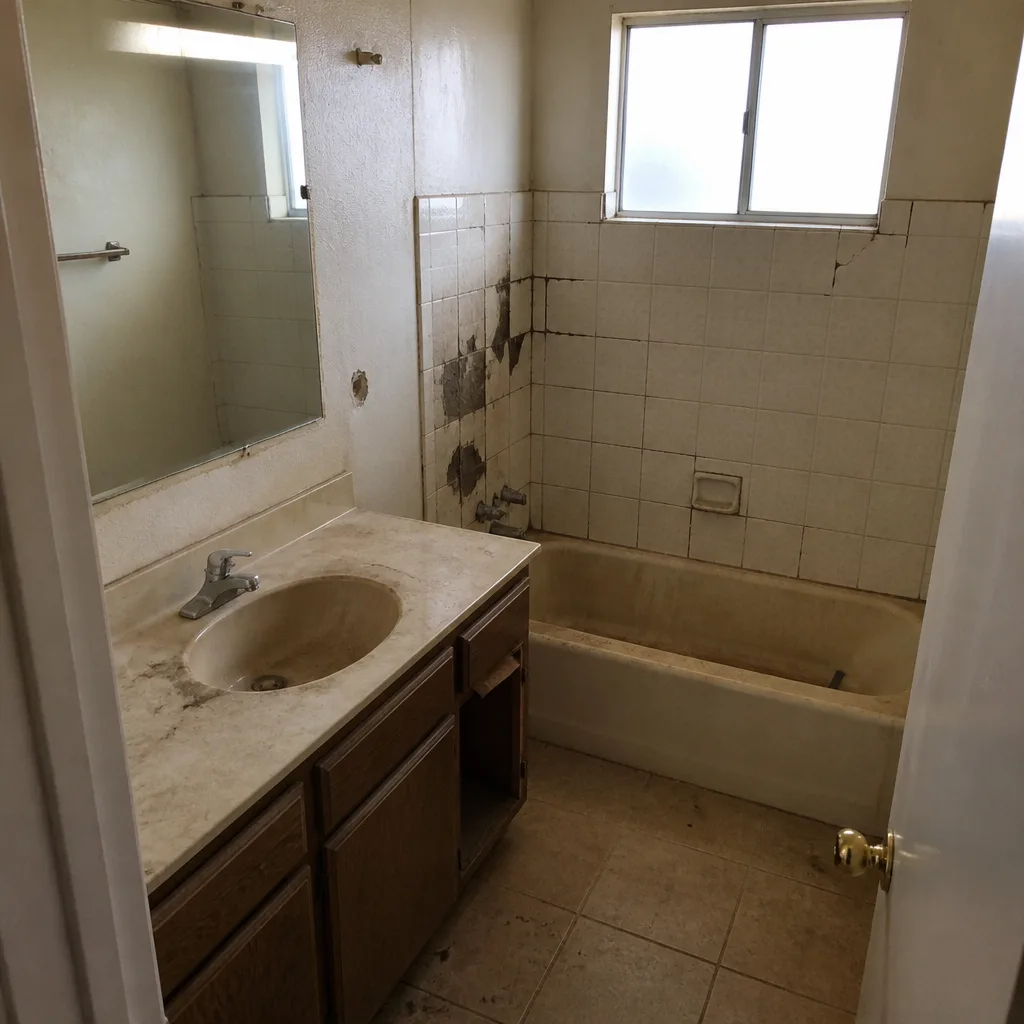 Before
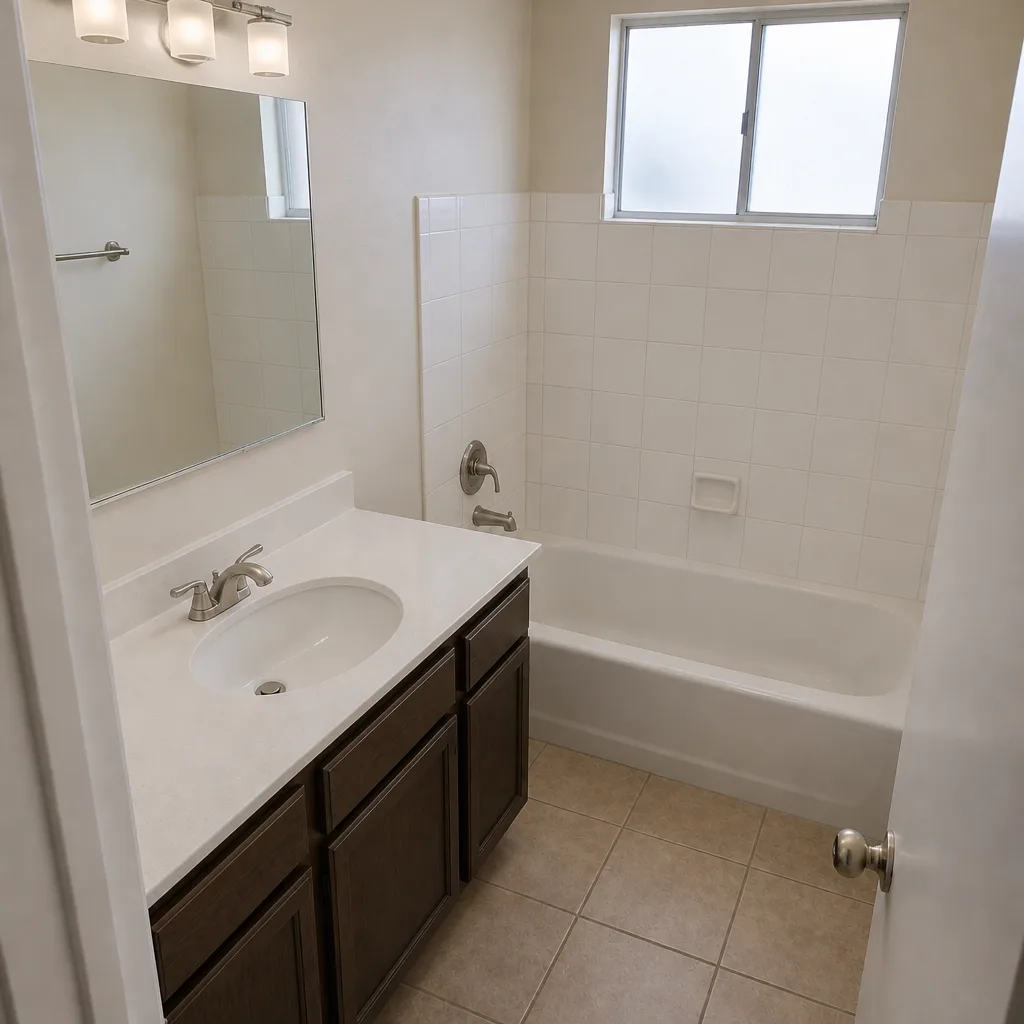 After
When to Call a Professional
Some fencing tasks are a weekend project. A lot aren’t. If your project involves any of the following, call a licensed crew: a CMU block wall of any height, a wood fence taller than 6 feet, a fence on a slope or retaining wall, any project requiring a permit or inspection, caliche that a probe won’t penetrate, and any fence in a master-planned community with architectural review. Also call if a wind event has left a post leaning or a block wall cracked – what looks cosmetic often isn’t.
Barrett & Sons Construction Las Vegas offers free estimates in Las Vegas – call (866) 814-4155. We’ll check the soil, confirm the setback, walk your HOA requirements, and put every line item in writing before a single post goes in the ground. If you want to see how fencing fits into a broader exterior project, start with our Fence Installation in Las Vegas service page, or take a look at the full scope of what we handle from the Barrett & Sons Construction Las Vegas home page. Fencing often comes up alongside a larger yard or structure plan – if you’re already thinking about an ADU or addition, our Home Additions & ADU in Las Vegas guide lays out how fencing ties into the site plan.
Frequently Asked Questions
Fence installation in Las Vegas typically costs $28 to $65 per linear foot installed, depending on material. A 150-foot lot runs $4,200 to $6,750 for wood and $6,750 to $13,500 for CMU block. Caliche excavation and permit fees can add $8 to $20 per post and $150 to $500 respectively. Call (866) 814-4155 for an exact quote – estimates are free.
Yes. In Clark County, any CMU block wall over the residential height threshold (typically 6 feet) requires a building permit, and many jurisdictions require a permit for block walls above 3 to 4 feet. Wind-load engineering is the reason: unreinforced block walls don’t safely resist Las Vegas wind events. Call (866) 814-4155 and we’ll confirm the rule for your address.
Fence posts in Las Vegas are typically set 24 to 36 inches deep and 10 to 12 inches wide, in concrete, to get below the loose surface layer and into stable soil. Caliche layers can require a breaker bar or powered auger to reach the target depth. Shallow footings are the number one reason fences lean after a wind event.
Not without your written approval. Every scope, every allowance, and every price change arrives as a written change order before work proceeds. If caliche turns out deeper than the probe suggested, that’s a conversation and a signature – not a surprise on the final invoice. Call (866) 814-4155 for a free second opinion on any written estimate.
For longevity in desert UV and heat, CMU block (40 to 50+ years, engineered and grouted), wrought iron (30+ years), and aluminum (25+ years) hold up best. Wood requires restaining every 2 to 4 years, and vinyl yellows faster here than in cooler climates. The right choice depends on HOA rules and budget – call (866) 814-4155 to talk through it.
Most residential fence installations in Las Vegas run two to five days of on-site work, with permit approval and concrete curing adding another week or two. Block walls requiring engineering and inspection take longer. Your written scope will list a realistic timeline before work begins. Call (866) 814-4155 for a free estimate.
The Bottom Line
Fencing in Las Vegas comes down to two things most national guides ignore: caliche and wind. Get the post footings deeper and wider than a generic guide recommends, spec materials for alkaline soil, engineer any block wall for wind load, and get HOA approval in writing before you order material. Do those four things and your fence will outlast the one your neighbor installed in a weekend. Skip them and the repair bill arrives with the first 40 mph gust. Every job we do carries a written scope, pulled permits, and a 90-Day Done Right Promise on the contract. If you want to talk through your project, call (866) 814-4155 for a free estimate – no pressure, no surprises.
Written by the team at Barrett & Sons Construction Las Vegas.