
Last updated November 17, 2026
 Kitchen remodeling
 Bathroom remodeling
 Home additions & ADU
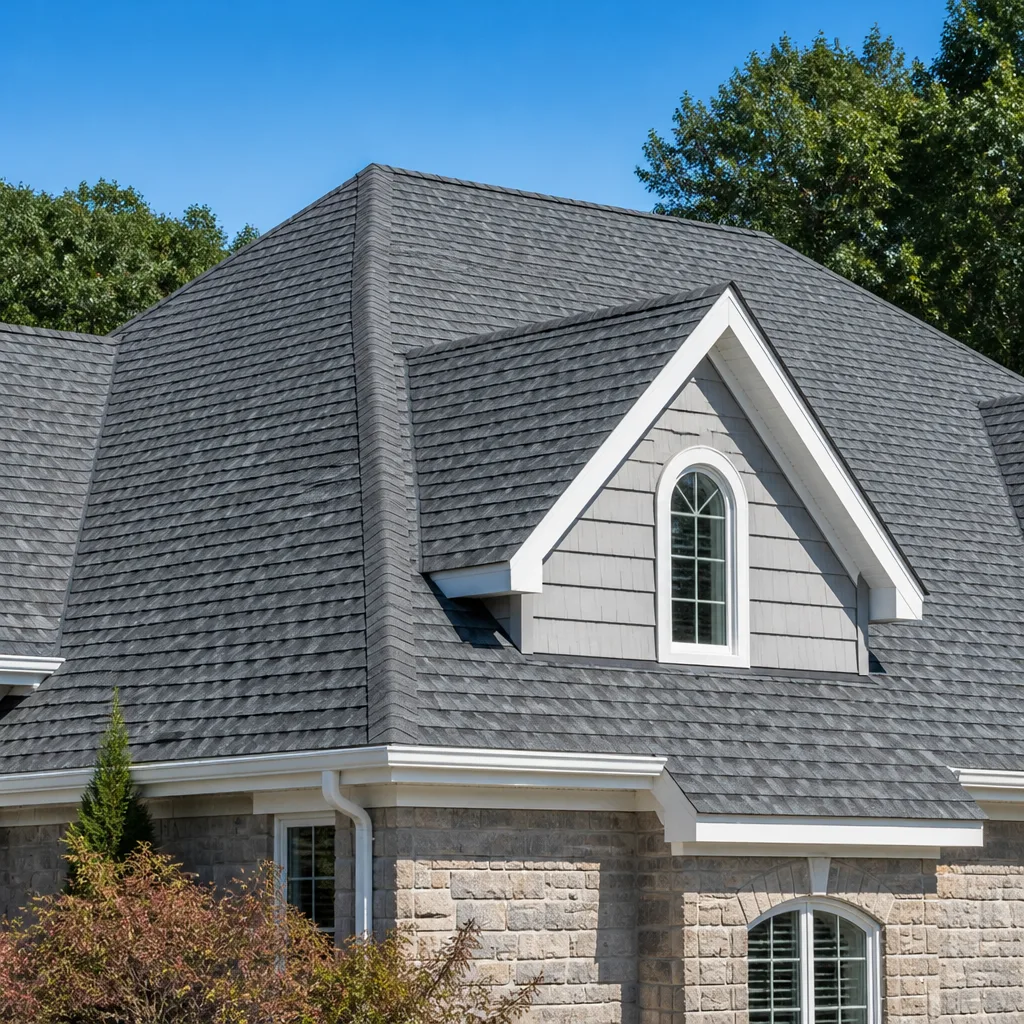 Roofing
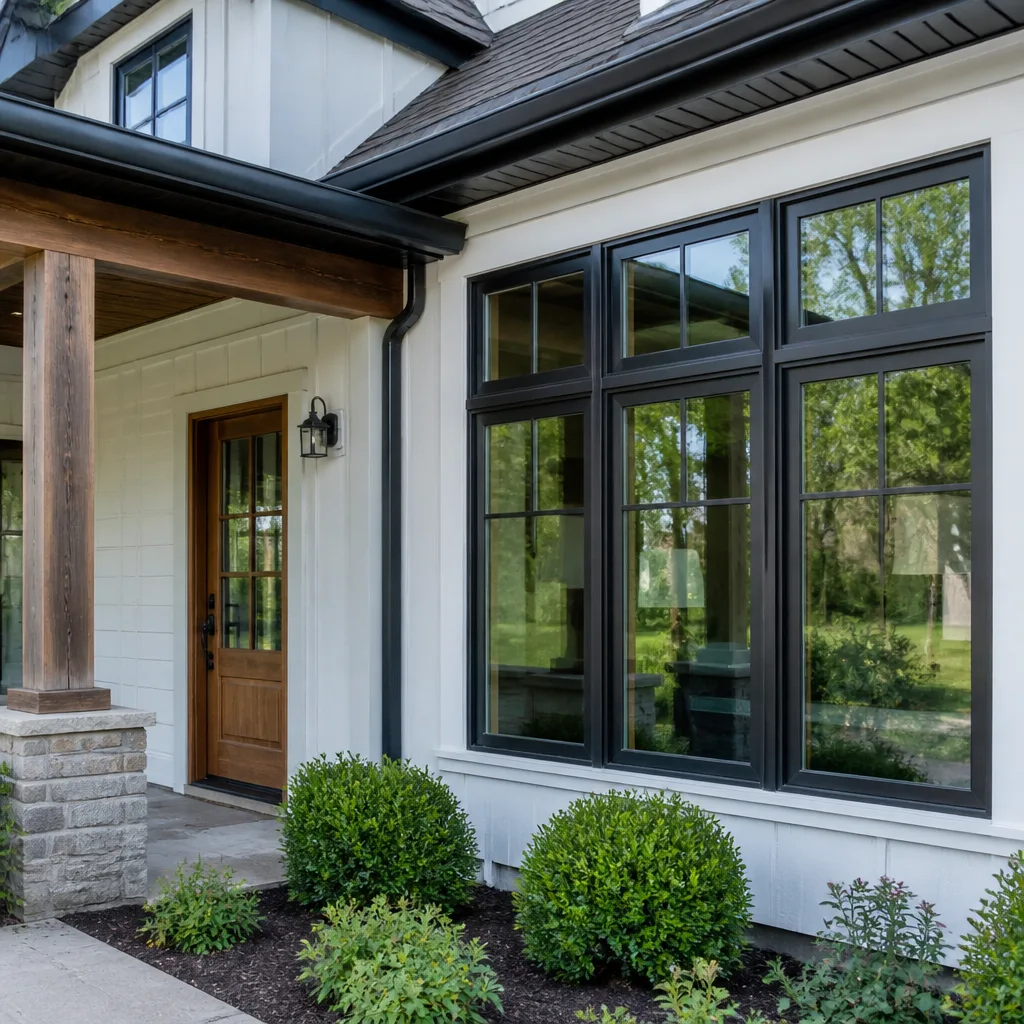 Windows & doors
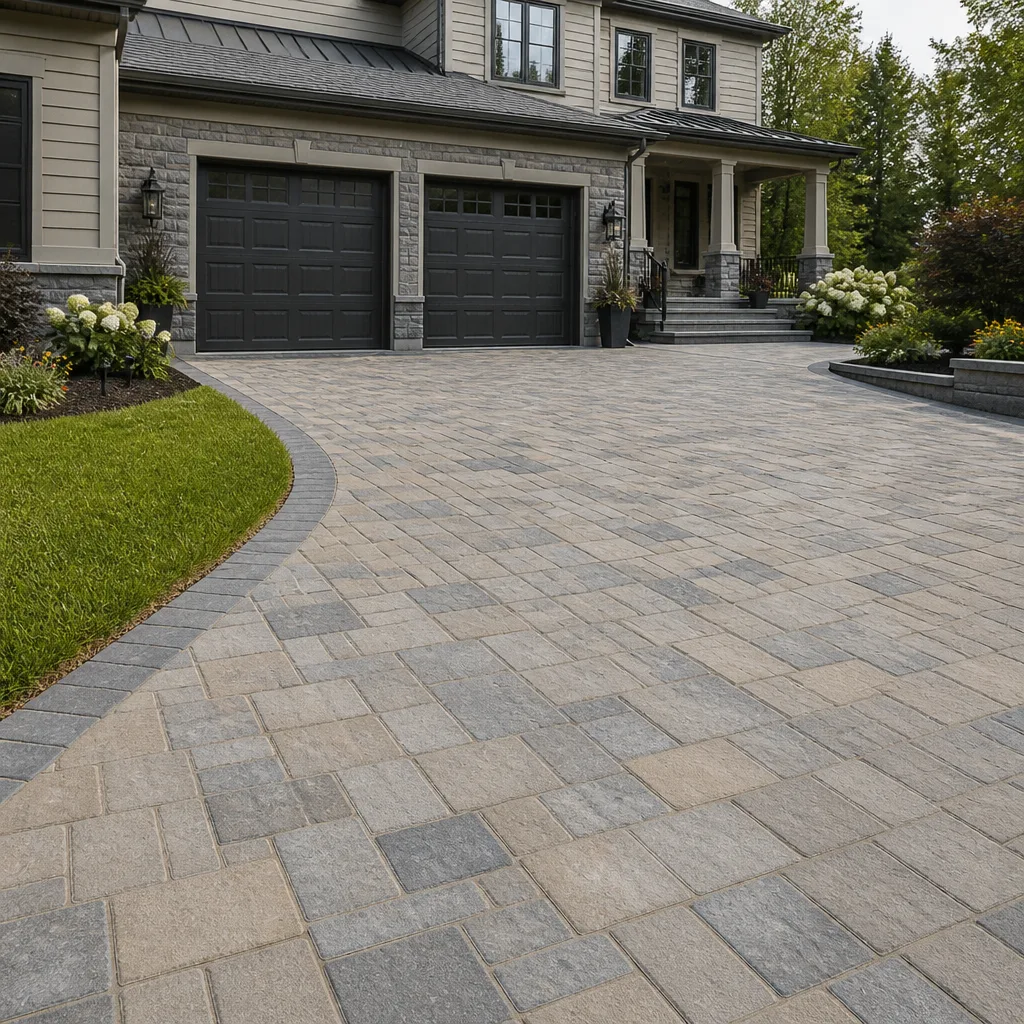 Driveway & pavers
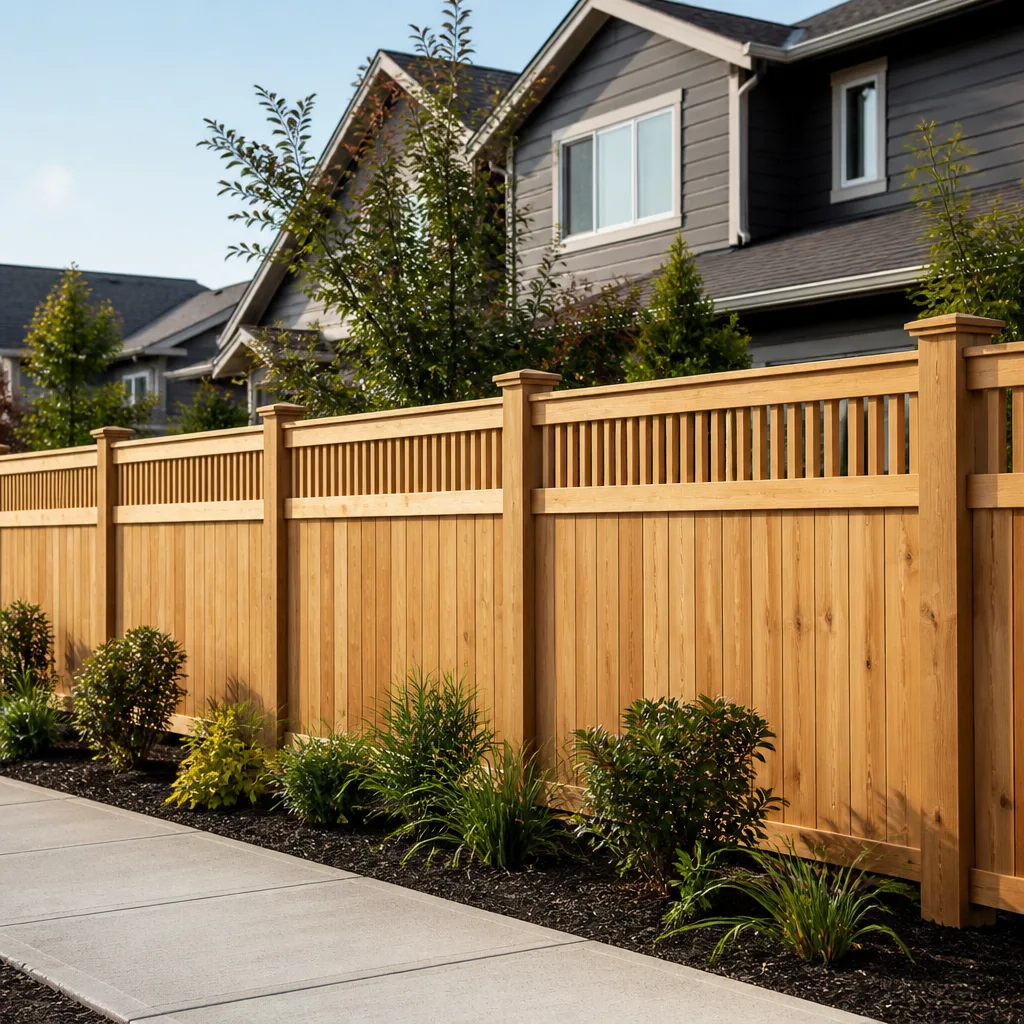 Fence
Free written scope consultation - allowances, timeline, and change-order rules on paper before a single trade is scheduled
Choosing the Right Construction Brand: A Buyer’s Guide for Las Vegas
Two shingles can carry the same Class A fire rating and the same “25-year” label, and still age completely differently on a south-facing roof in Las Vegas. One has an IR-reflective coating and a desert-climate heat warranty. The other was built for a climate that gets rain in July instead of 115 degrees. Same rating sheet. Different ten-year outcome. That gap is what this guide is about: the material brands behind your roof, windows, and flatwork actually change how a Las Vegas home holds up, and knowing two or three key names gives you a way to tell a contractor who reads spec sheets from one who buys whatever’s on sale at the supply house. You’ll learn which brands matter most in the desert, which certifications to look for, and how to ask about them without turning the conversation into a standoff.
Quick Answer
In Las Vegas, the construction brands that matter most are the ones whose products publish desert-climate performance data: IR-reflective roofing with a heat warranty, windows rated for a low solar heat gain coefficient, and sealers built for UV and caliche soil. Brand names are useful as a credibility filter, not a sales pitch. A contractor who can name the exact product and show you the spec sheet is a different contractor from one who says “builder-grade equivalent” and changes the subject.
Styles & brands we work with
- Kitchen remodeling
- Bathroom remodeling
- Home additions & ADU
- Roofing
- Windows & doors
- Driveway & pavers
- Fence
Table of Contents
- Why Desert-Climate Ratings Beat National Ratings
- The Three Categories Where Brand Choice Matters Most
- Roofing: Membranes, Shingles, and Heat Warranty Language
- Windows: Solar Heat Gain Coefficient Is the Number to Ask For
- Pavers, Concrete, and Sealers in Caliche Country
- How to Ask About Material Specs Without Sounding Like a Challenge
- Manufacturer Warranty vs. Contractor Warranty
- Red Flags in Material Selection
Why Desert-Climate Ratings Beat National Ratings
A national rating tells you a product passed a test somewhere. A desert-climate rating tells you the manufacturer tested for the thing that actually breaks products in Las Vegas: sustained UV, dry heat cycling, and day-night temperature swings that run 30 to 40 degrees in spring and fall. Those swings work on sealers, caulk joints, and roofing adhesive the way a bending machine works on a paperclip. Eventually something cracks.
When you read a product spec sheet, look for these specifically:
- ASTM D3161 Class F or higher for wind resistance on shingles, and ASTM D7158 for high-wind classification. Las Vegas gets monsoon gusts that peel underlayment, and the valley’s exposure varies block by block.
- Solar reflectance (SRI) values published by the manufacturer, not just “cool roof” marketing language. A cool roof claim without an SRI number is decoration.
- Accelerated UV weathering data (often quoted in hours of QUV or xenon-arc testing). Premium brands publish it. Value brands often don’t.
- Heat warranty language specific to desert climates, sometimes written as an “extreme heat” or “high-temperature” rider on the standard warranty.
- Factory-certification requirements for the installer, because a lot of these warranties are void without them.
None of this is about brand loyalty. It’s about verifying that the product was designed and tested for the conditions it will actually live in. A shingle that performs in Seattle is not the same product as one built for a Las Vegas summer, and the spec sheet is where the difference shows up in writing.
The Three Categories Where Brand Choice Matters Most
Not every material decision carries the same weight. Paint color and cabinet hardware are aesthetic choices with short lifespans. Roofing, windows, and flatwork sealers are the three areas where brand choice has the biggest long-term performance difference in Las Vegas, because they’re the components exposed to the most sun, heat, and soil movement over the longest time.
- Roofing membranes and shingles. The roof takes the full brunt of the sun for 20-plus years. A reflective, desert-rated shingle with proper ventilation under it can run cooler and last longer than a cheaper one that looks identical from the street.
- Window glazing. Windows are the single biggest heat transfer point on most Las Vegas homes. Solar heat gain coefficient (SHGC) and low-E coating decide how much afternoon heat your AC has to fight.
- Paver and concrete sealers. Caliche soil and UV exposure break down sealers fast. A sealer rated for high UV and alkaline soils can hold a driveway finish for years; a generic hardware-store product can fail in a single summer.
Kitchens are the area where brands like KraftMaid, Wellborn, and Cambria do the heavy lifting, and those names are worth knowing too. The material difference in a kitchen is mostly about fit, finish, and cabinet box construction, not desert survival. If you want to see how brand choice plays out in a full kitchen or bath, our Barrett & Sons Construction Las Vegas home page lays out the trade-by-trade picture.
Roofing: Membranes, Shingles, and Heat Warranty Language
Roofing is where the brand conversation earns its keep in Las Vegas. The brands you’ll hear most often in this market are GAF and CertainTeed, and both make products that perform well here – but “GAF” or “CertainTeed” on a bid isn’t enough. You want the specific product line and the specific warranty tier.
Here’s how a confident contractor talks about a roof:
- They name the product line, not just the manufacturer. “Timberline HDZ” or “Landmark” tells you something. “GAF shingles” doesn’t.
- They mention the manufacturer’s factory-certification tier for the installer, because the best warranties depend on it. GAF, for example, runs a certification program that unlocks extended warranty coverage.
- They talk about ventilation, because attic ventilation is what actually determines roof temperature in a Las Vegas summer. An IR-reflective shingle on a badly ventilated roof still runs hot.
- They show you the underlayment and flashing plan in writing. Shingles get the attention; underlayment and flashing cause most of the leaks we see.
Two more things specific to roofing in Las Vegas. First, the valley has a lot of tile and flat/low-slope roofs, and the product lines that matter for a foam or TPO system are different from the ones that matter for asphalt shingles. Ask which system the bid uses and why. Second, monsoon season brings short, hard rain that finds every weak point in flashing. A roof that was installed without a proper cricket behind a chimney or a sealed penetration is a roof that will leak in August. For a deeper look at the roofing side of a project, you can read more through our Home Additions & ADU in Las Vegas page where roof tie-ins come up often.
One safety note: we don’t recommend walking your own roof to check any of this. Las Vegas roofs get hot enough to cause serious burns on bare skin, and pitch plus heat is a bad combination for someone who doesn’t climb roofs every day. Have a trained professional get on the roof and photograph the decking, flashing, and ventilation.
Windows: Solar Heat Gain Coefficient Is the Number to Ask For
If you only remember one number from this guide, make it SHGC. Solar heat gain coefficient measures how much of the sun’s heat comes through a window. In Las Vegas, a low SHGC is the difference between an AC that keeps up and one that runs until midnight in July.
What to look for on the window spec sheet:
- SHGC around 0.25 or lower for a Las Vegas home, especially on west- and south-facing walls. Lower is cooler, though extremely low values can cut winter solar gain on a north wall.
- Visible transmittance (VT), which is how much light comes through. You can have a low SHGC and still get a bright room if the glazing is engineered well.
- U-factor, which measures heat conduction. Las Vegas winters are mild but not nothing, and a window that’s weak on both SHGC and U-factor is a year-round problem.
- Low-E coating type. Different coatings serve different climates. Ask which one the window uses and why it fits Las Vegas.
The brands most homeowners hear about here are Andersen and Marvin, and both have products that handle desert heat well. Again, the value is in the specific line and glazing package, not the name on the glass. A cheap window with the right SHGC will outperform a premium window with the wrong one for your exposure. Ask about the glazing package, not the marquee name.
Pavers, Concrete, and Sealers in Caliche Country
Driveways, patios, and walkways in Las Vegas live on caliche, which is a calcium-carbonate-rich soil that expands and contracts with moisture and can push hardscape around. Sealers do two jobs here: they block UV damage to the paver surface, and they keep water from getting under the slab where caliche movement does its damage.
What a desert-rated sealer should offer:
- UV inhibitors listed on the technical data sheet, not just “UV resistant” in the marketing copy.
- Breathability, so moisture can escape rather than getting trapped under the film. Trapped moisture plus caliche is a recipe for spalling.
- Alkali resistance, because caliche soils run alkaline and can attack the wrong sealer.
- Solvent- or water-based label clarity, plus the recoat window in writing, so you know what maintenance looks like over the years.
Premium paver brands like Belgard and Techo-Bloc publish sealer compatibility guidance for their products, which is a useful check: if the sealer manufacturer and the paver manufacturer disagree about what’s safe, that’s a question worth asking. For a deeper look at hardscape installation, our Driveway & Pavers in Las Vegas page covers base prep and the caliche side of the job. The same soil logic applies to fence posts, where a post footing that ignores caliche swells can lean within a few seasons. Our Fence Installation in Las Vegas page gets into that if it’s on your list.
How to Ask About Material Specs Without Sounding Like a Challenge
You don’t need to sound like an inspector to get a straight answer. A few plain questions, asked with genuine curiosity, separate contractors who know their materials from ones who don’t – and good contractors will enjoy the conversation.
- “What specific product line are you planning to use, and why that one?” A confident contractor names the product and explains the fit. A defensive one gives a generic answer or shifts to price.
- “Can you send me the spec sheet before we sign?” Any contractor working with a real brand should be able to forward the manufacturer’s data sheet. This is a normal request. If it gets pushback, that’s information.
- “What’s the warranty and who honors it?” A confident answer walks through both manufacturer and contractor warranty. A vague answer (“it’s covered”) is a warning sign.
- “Has this product been used on other homes in the valley?” Good contractors will tell you about similar installs. Ask a neighbor or two on your street; if they used the same product and it’s holding up, that’s the best reference you can get.
The confident contractor sounds unhurried. They might say, “We use this line because it has the reflectivity ratings we need and the manufacturer’s certification tier gets you their extended warranty.” The defensive one gets louder, or vague, or suddenly wants to talk about how “brands don’t matter, it’s all the same.” Material choice is one of the few things you can actually verify before signing. Treat it like a fair question, because it is.
Manufacturer Warranty vs. Contractor Warranty
Two very different warranties land in your hands on a construction job, and homeowners often assume they’re the same thing. They aren’t.
- Manufacturer warranty covers the product itself: defects in the shingles, the window unit, the sealer. Premium brands like GAF, CertainTeed, Andersen, Marvin, Cambria, and James Hardie publish detailed warranty documents, some covering decades. Read the coverage tier, because the best tier is often tied to installer certification.
- Contractor warranty covers the installation: the flashing detail, the window seal, the sealer application, the fence post footing. It’s the part the manufacturer will point to if something fails and the installation is at fault.
Here’s the part most homeowners miss: a premium brand warranty is only worth what the installer’s certification makes it worth. Manufacturer warranties often require certified installation to unlock the top tier, and if the installer wasn’t certified, the extended coverage may not apply at all. That’s why we ask to see the certification, not just the warranty paper. It’s also why our crews pull permits and get inspections signed on eligible jobs (the permit inspector works for you, not for us), and why every Barrett & Sons job carries a written 90-Day Done Right Promise. Ask any contractor for their warranty terms in writing before signing anything, and if they won’t put it on paper, that’s your answer.
Red Flags in Material Selection
None of these are tricks, exactly. They’re shortcuts, and they cost you in the long run. Watch for:
- “Builder-grade equivalent.” There isn’t such a thing. Either the product is a named brand with a spec sheet or it’s an unnamed product. “Equivalent” is a phrase that means “we don’t want to name it.”
- Unlabeled bulk products. Sealers, caulk, and adhesives poured from a generic jug into a bucket don’t come with a data sheet. No data sheet means no way to verify the product performs in desert heat.
- Brands that don’t publish desert-climate performance data. If the manufacturer’s website has no SRI values, no weathering data, and no heat warranty on their product spec sheets, they didn’t design for Las Vegas. Don’t let a contractor talk you into finding out the hard way.
- Warranty tiers switched at signing. If the bid says “GAF” and the contract says a lower tier, ask about it. The brand name and the product tier are not the same thing.
- “Permits aren’t needed for this.” They usually are, and skipping permits means skipping inspections. The permit process protects your investment long after the contractor has driven off.
- No allowance detail in writing. An allowance that isn’t on paper is a surprise waiting for a date. Any line item with an allowance should show the exact dollar amount in the contract.
- Pressure to skip the spec sheet conversation. If asking about the product line makes a contractor uneasy, that’s usually because they can’t answer.
See the difference
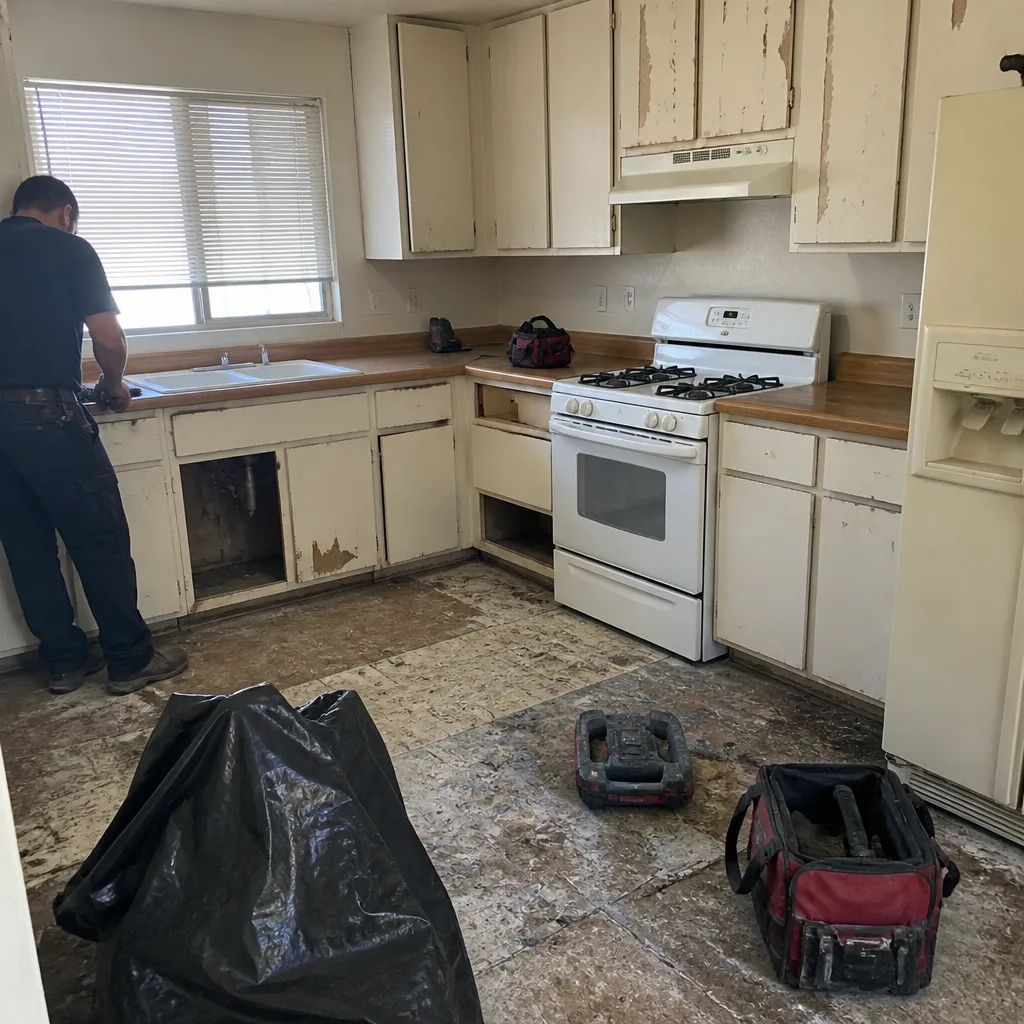 Before
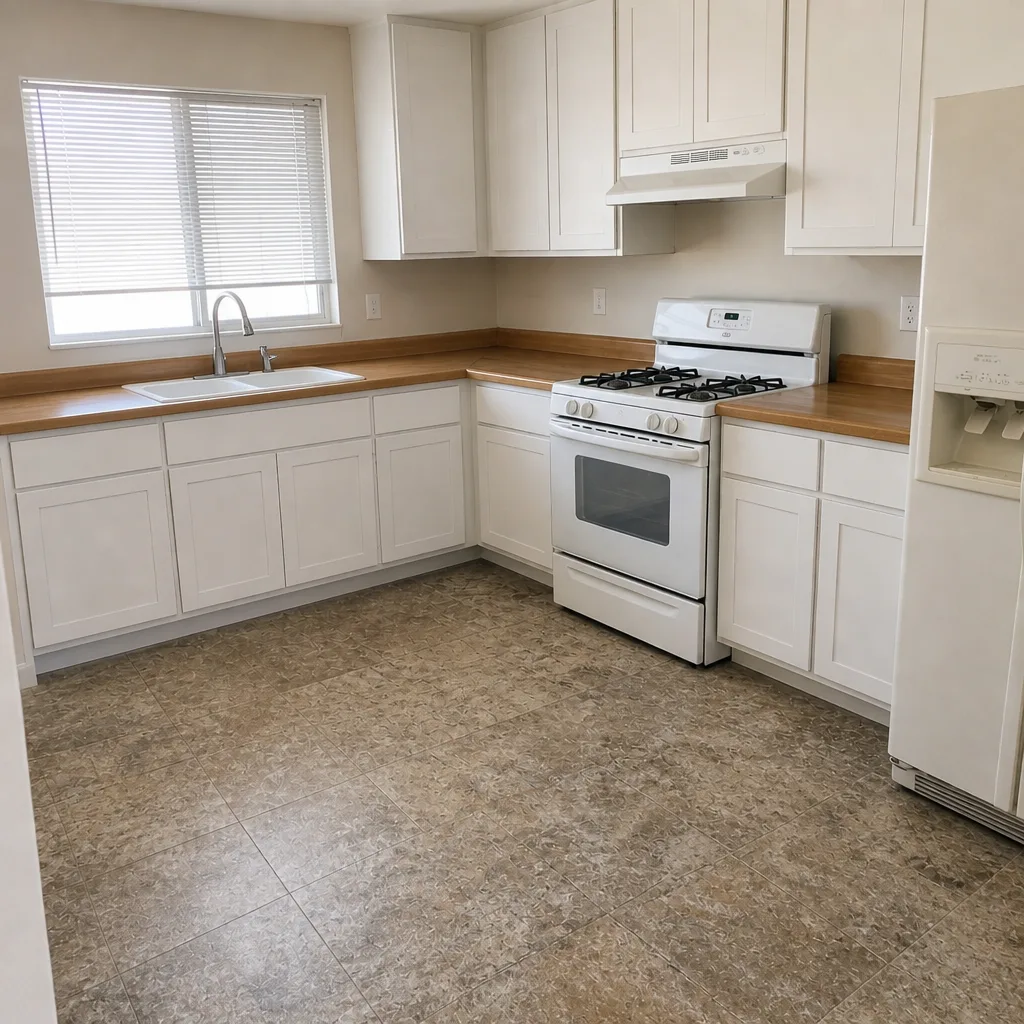 After
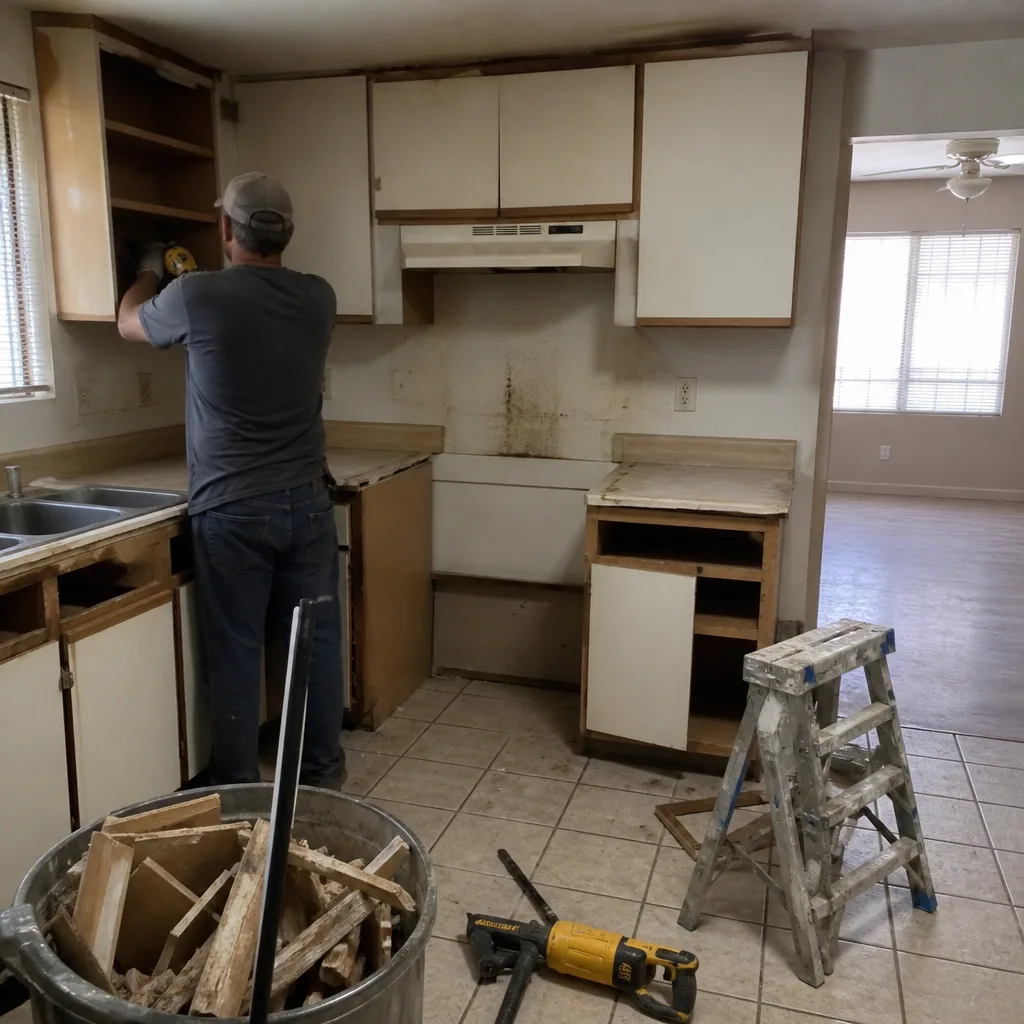 Before
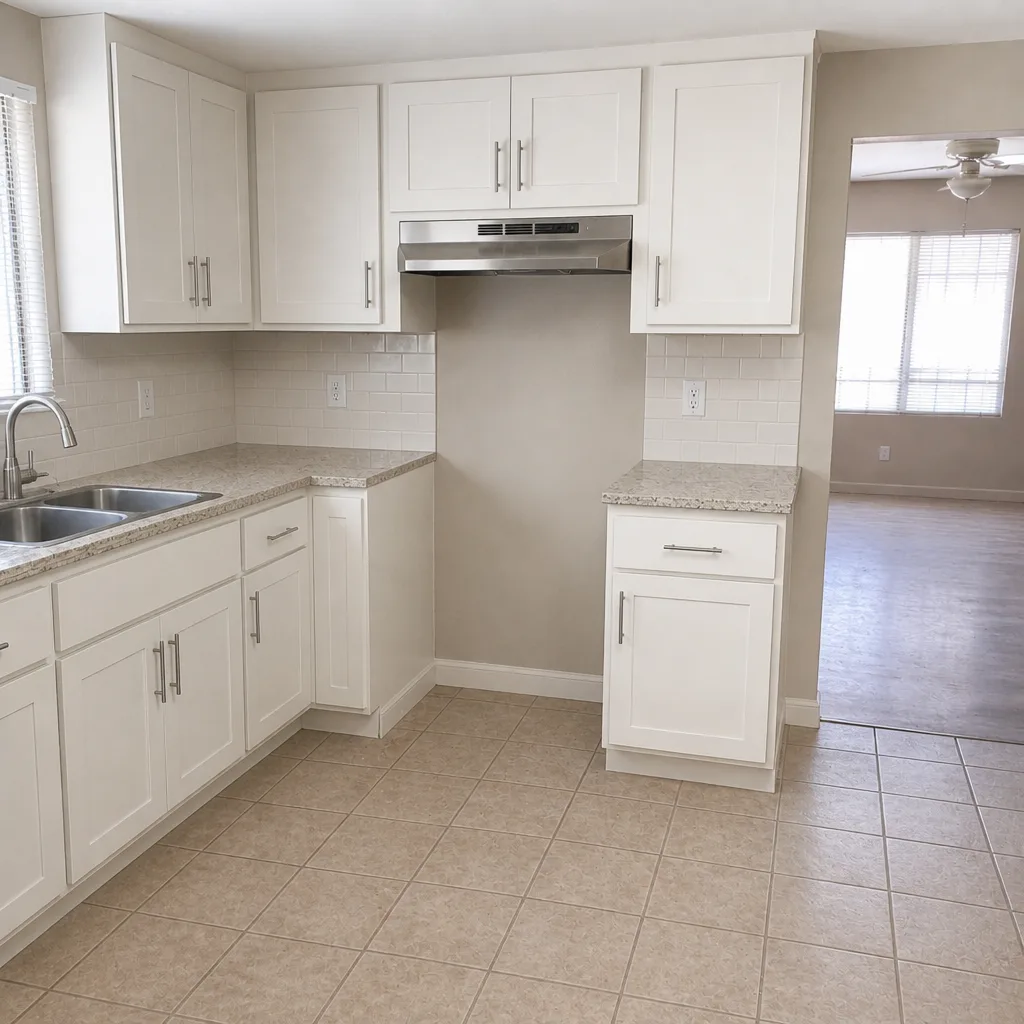 After
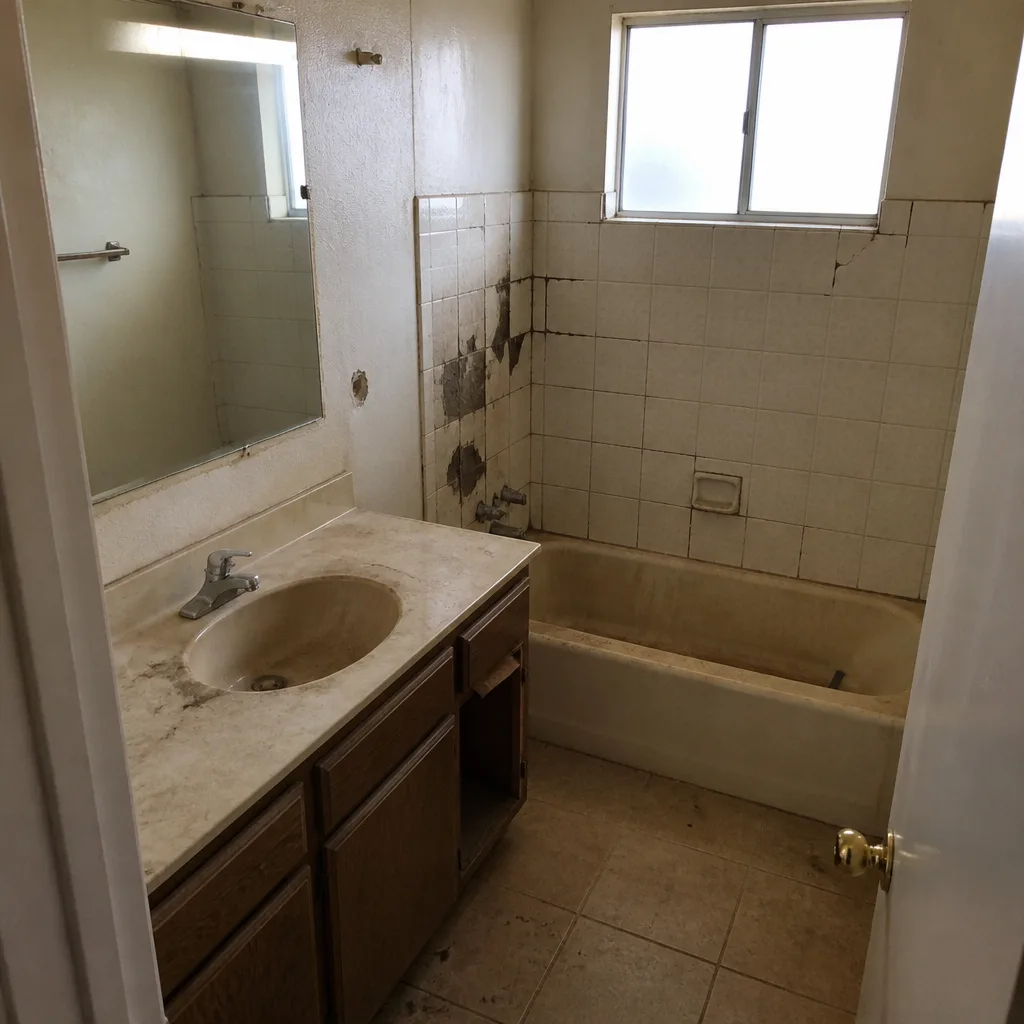 Before
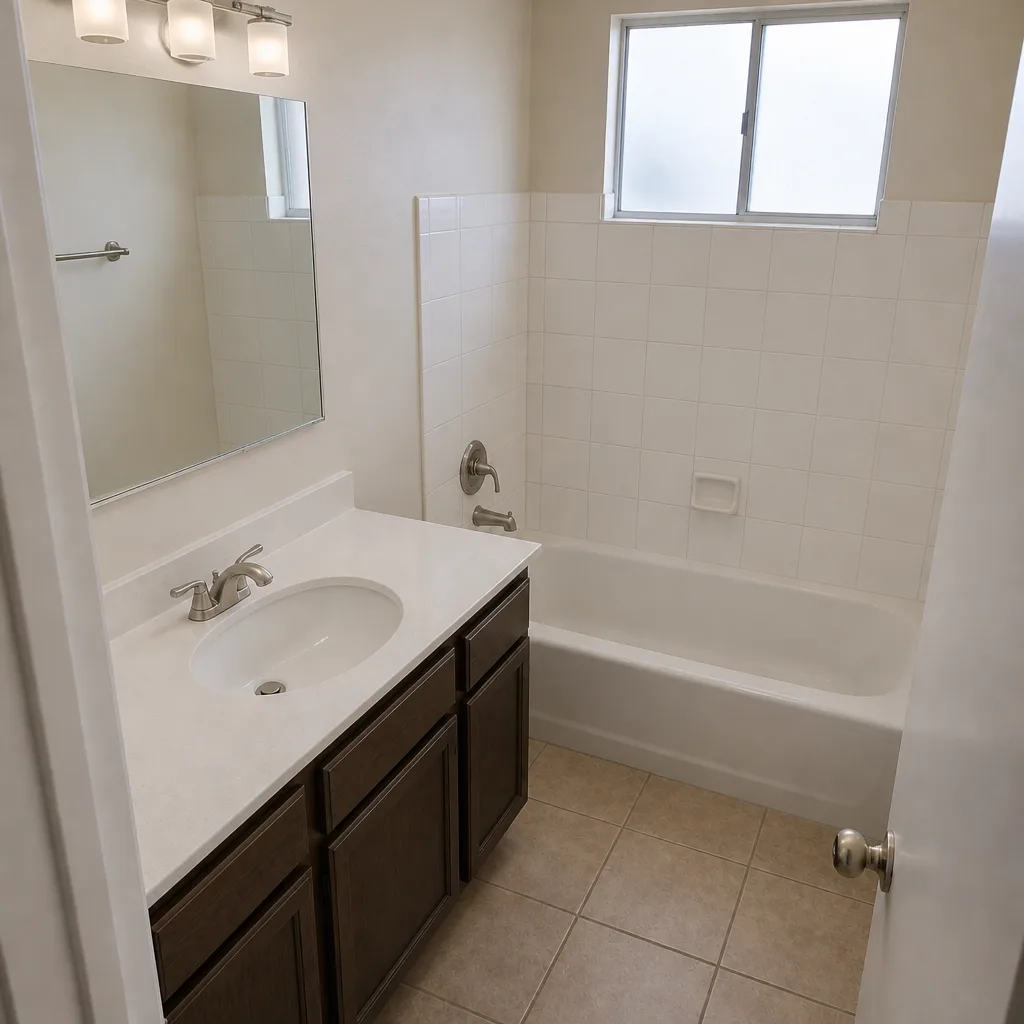 After
When to Call a Professional
Some of this you can review yourself: reading a spec sheet, asking about warranty tiers, checking whether a bid names the product line. The point where you should call a professional is the point where a decision carries real risk. Roofing and window installations involve working at height and on hot surfaces, and a botched flashing detail or a window that leaks into a wall cavity is a five-figure mistake. Sealer and hardscape decisions need someone who has worked around caliche and can read the soil. If a contractor’s spec answers don’t match their written bid, or if a warranty conversation feels slippery, a second opinion is worth the phone call.
Barrett & Sons Construction Las Vegas offers free estimates in Las Vegas – call (866) 814-4155. Every estimate includes a written scope with named products, a written change-order process for any scope change, and a written 90-Day Done Right Promise on the finished job. Live person answers the phone around the clock, and there’s no trip charge inside the county.
Frequently Asked Questions
GAF and CertainTeed for roofing, Andersen and Marvin for windows, and Belgard and Techo-Bloc for hardscape are the brands most often specified in Las Vegas – and KraftMaid, Wellborn, and Cambria for kitchens. The right brand is less about the name and more about whether that manufacturer publishes desert-climate performance data for the specific product line your bid names. Ask for the spec sheet before signing.
A national rating tells you a product passed a test somewhere. A desert-climate rating tells you the manufacturer tested for sustained UV, dry heat cycling, and the day-night swings Las Vegas actually gets. A shingle rated for Seattle rain isn’t tested for what a south-facing Vegas roof sees. Look for SRI values, accelerated UV weathering data, and heat warranty language on the spec sheet.
Costs in Las Vegas vary widely by roof size, pitch, and product line – a shingle roof on an average valley home typically runs in the thousands, and a whole-house window package runs higher. Rather than quote ballpark numbers that may not fit your home, ask for a written line-item estimate that names the product and the warranty tier. Call (866) 814-4155 for an exact quote – estimates are free, and we’ll walk you through the spec sheet line by line.
It shouldn’t if the scope is in writing from day one. Every price change should arrive as a written change order before work proceeds, and every allowance should show its exact dollar amount in the original contract. An allowance that isn’t on paper is a surprise waiting for a date. Ask any contractor how they handle scope changes before you sign anything.
Roofing and window replacements usually require permits in Las Vegas, and permits mean inspections, which protect your investment. Contractors who skip the permit are skipping the inspection too. Ask to see the permit number before work begins, and ask who signs the inspection card.
A manufacturer warranty covers the product; a contractor warranty covers the installation. Premium brand warranties often require certified installation to unlock the top coverage tier, which is why the installer’s certification matters as much as the brand name. Ask for both warranty documents in writing before signing, and ask whether the installer is factory-certified for the product line.
The Bottom Line
In Las Vegas construction, the brand conversation is worth having – but only when it’s about specifics. Know three things: which product line the bid names, what desert-climate ratings the manufacturer publishes, and whether the installer is certified to unlock the warranty that matters. That’s your credibility filter. It separates the contractor who knows materials from the one who buys whatever’s on sale, and it costs nothing to ask. Get the spec sheet in writing, get the warranty terms in writing, and get the scope in writing. Those three documents are worth more than any brochure you’ll ever see.
Written by the team at Barrett & Sons Construction Las Vegas.