
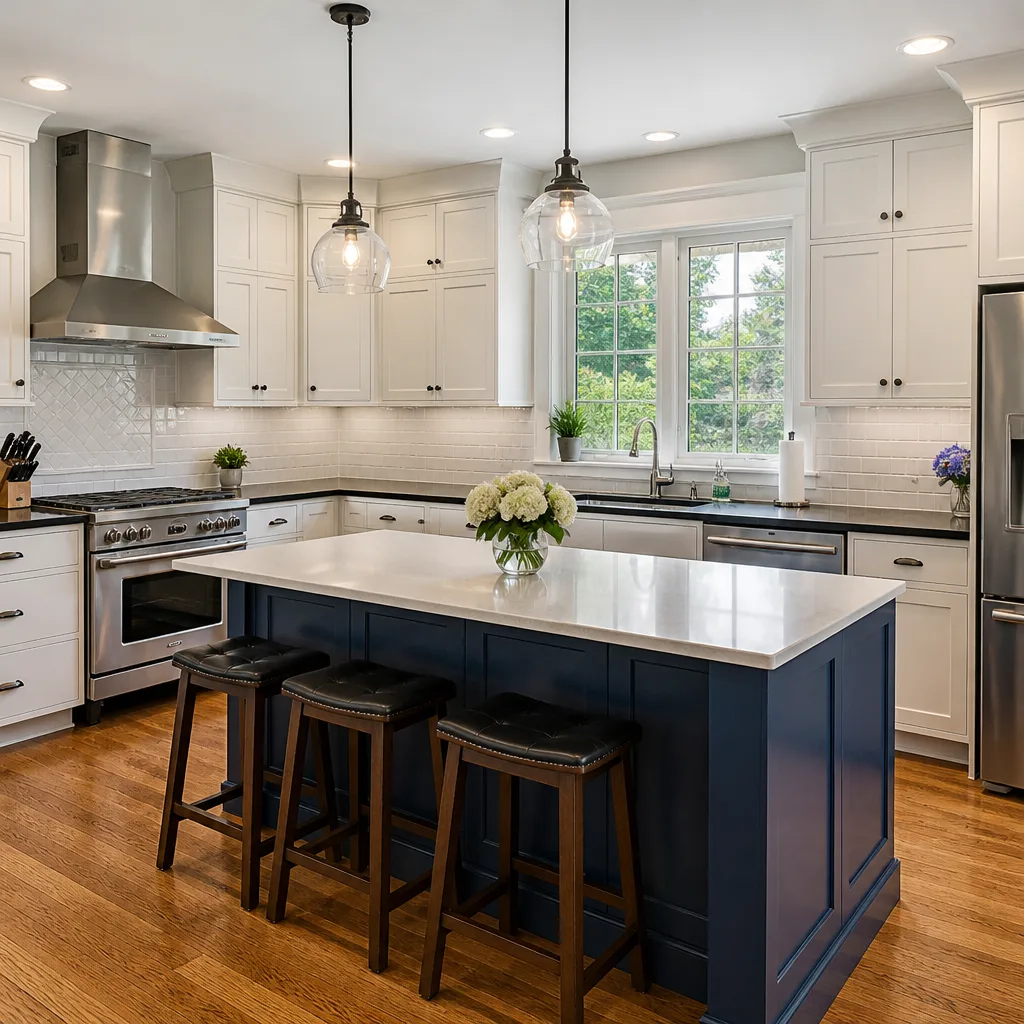
 Kitchen remodeling
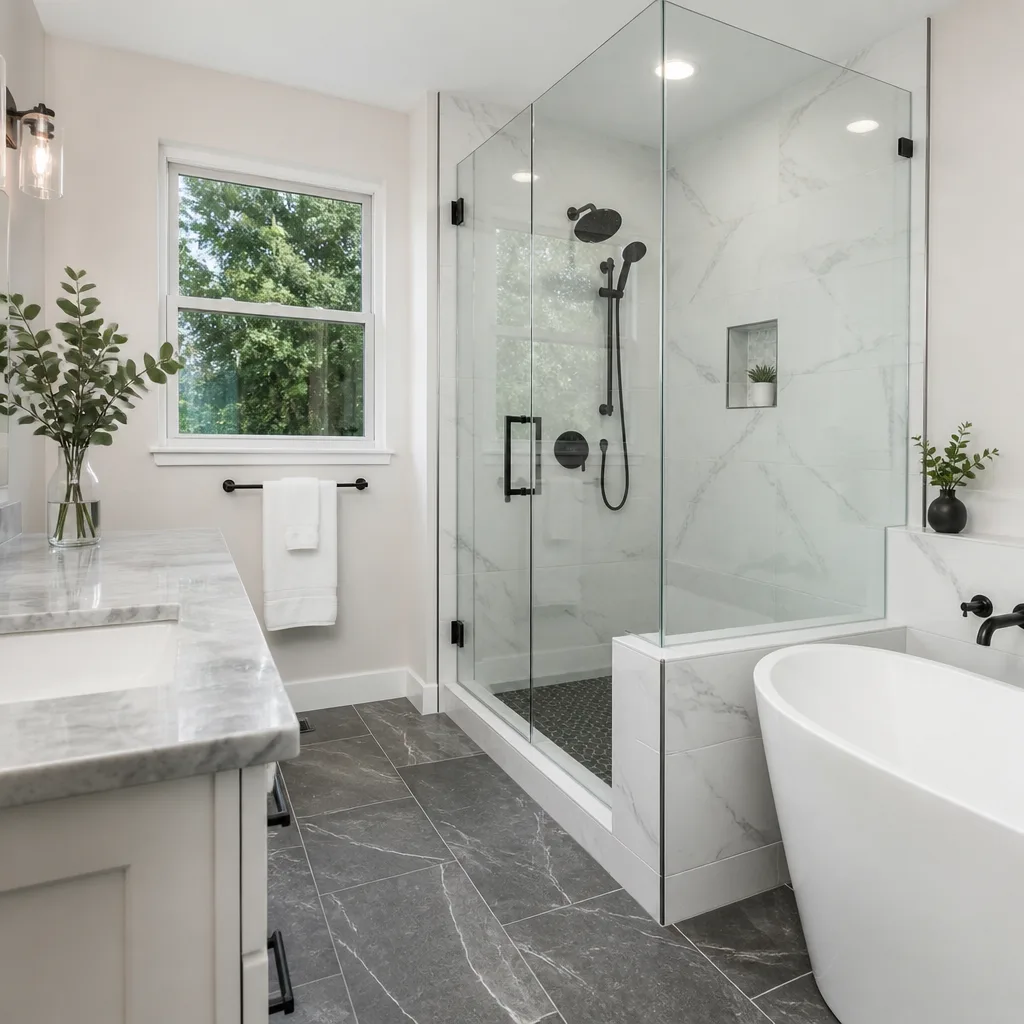 Bathroom remodeling
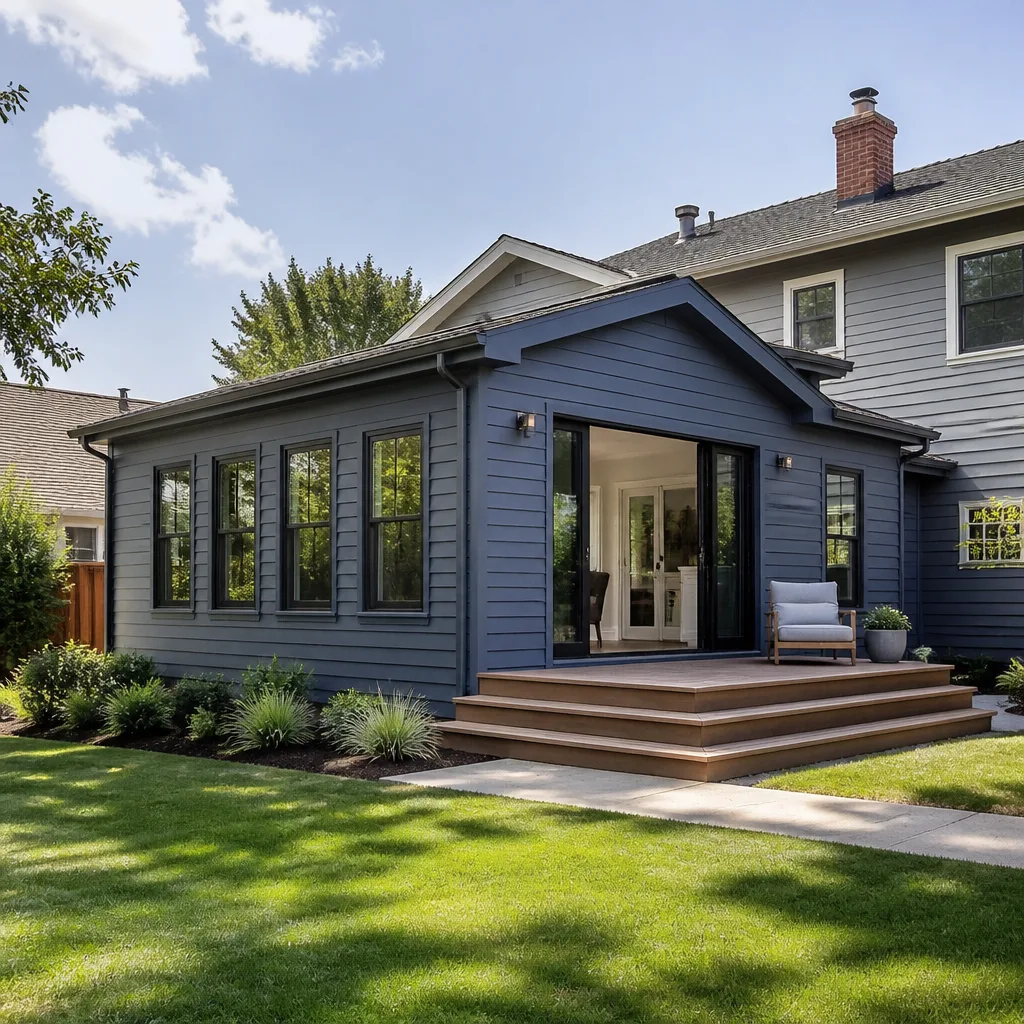 Home additions & ADU
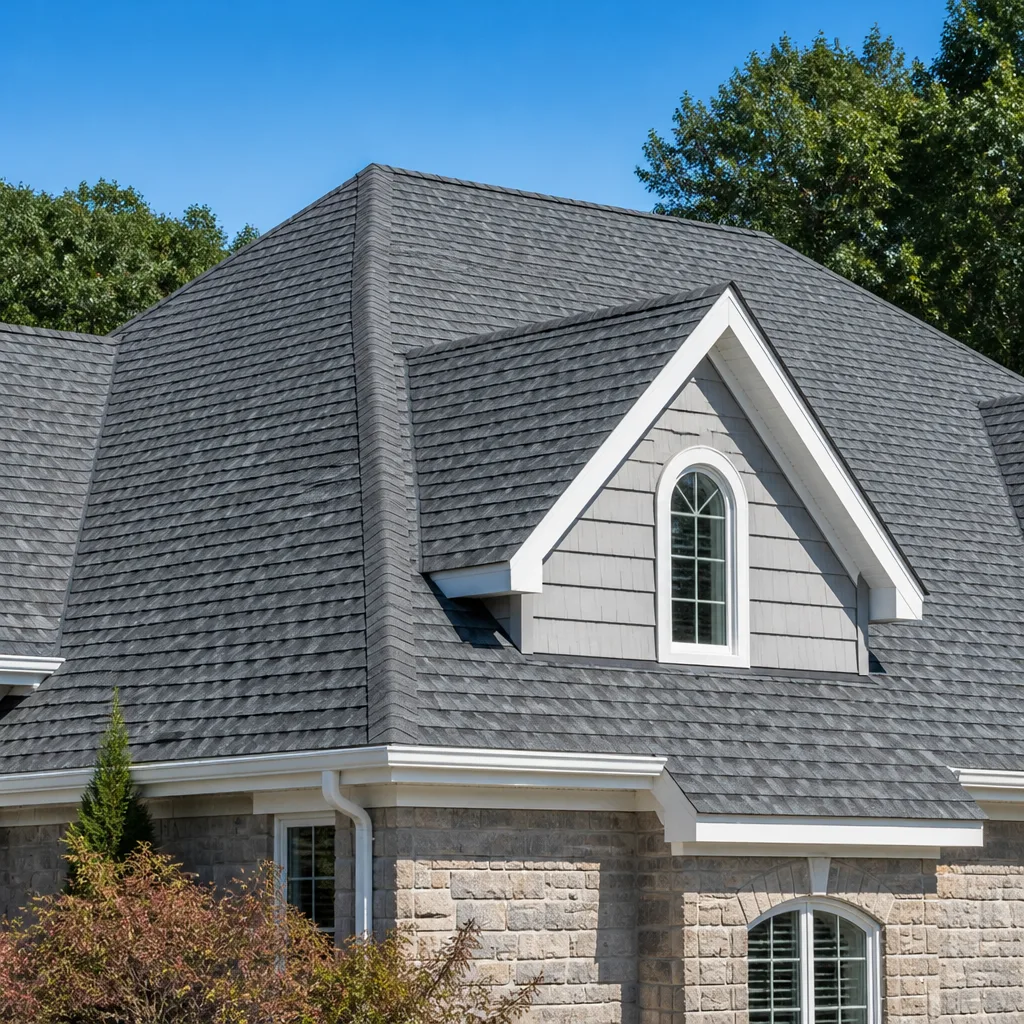 Roofing
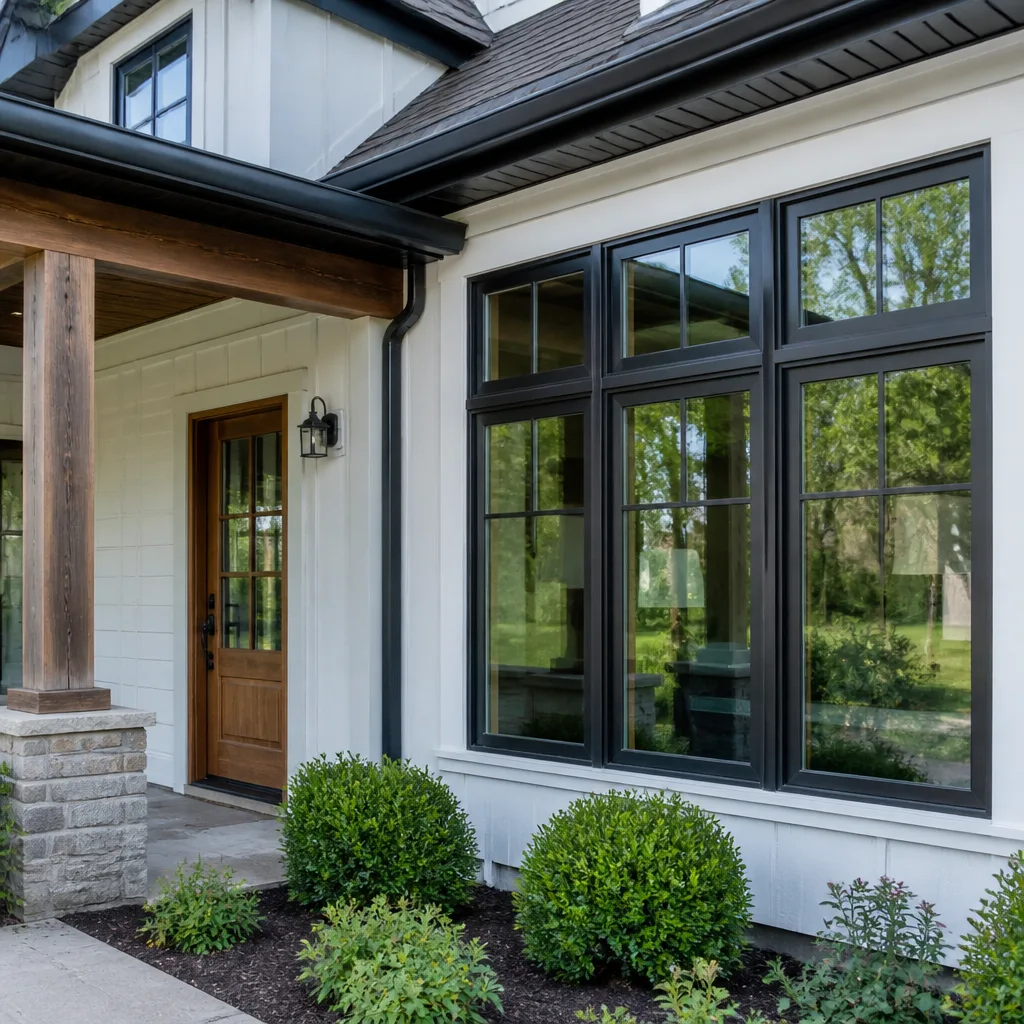 Windows & doors
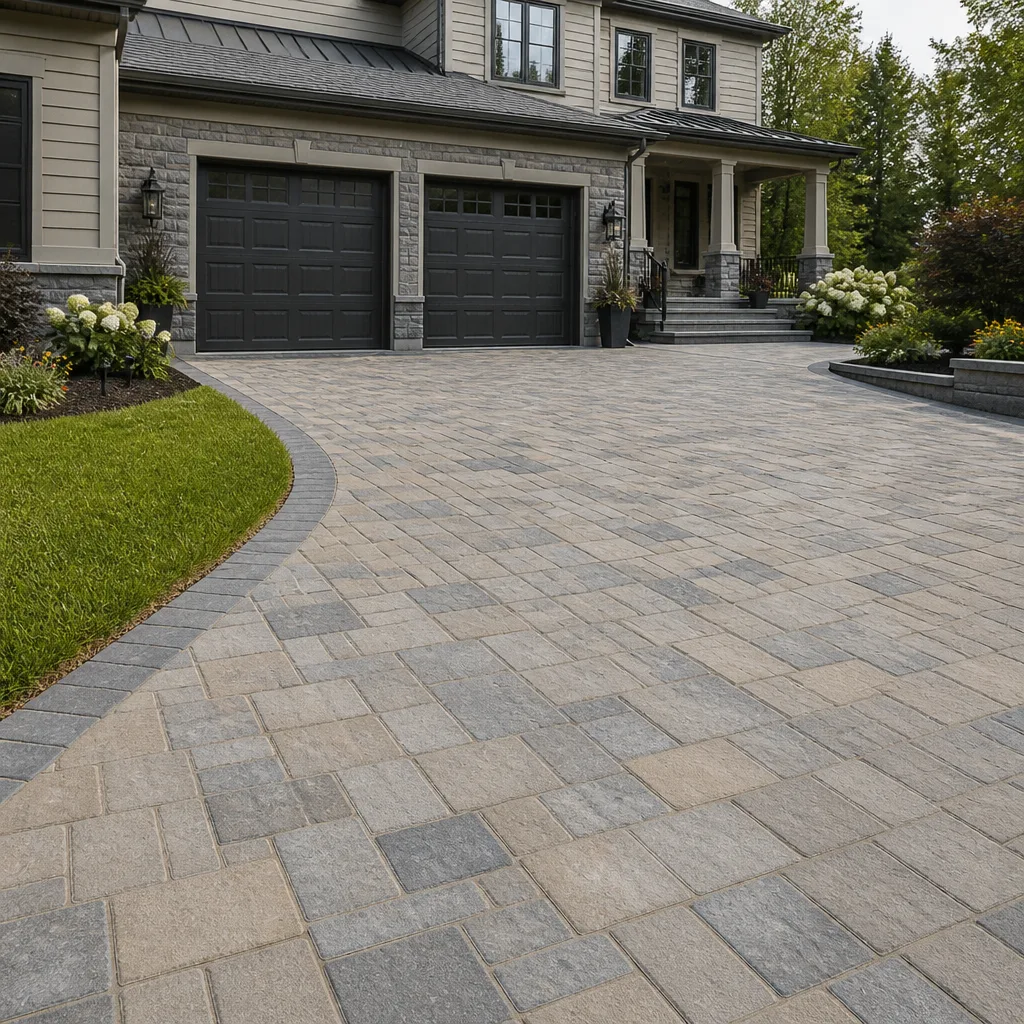 Driveway & pavers
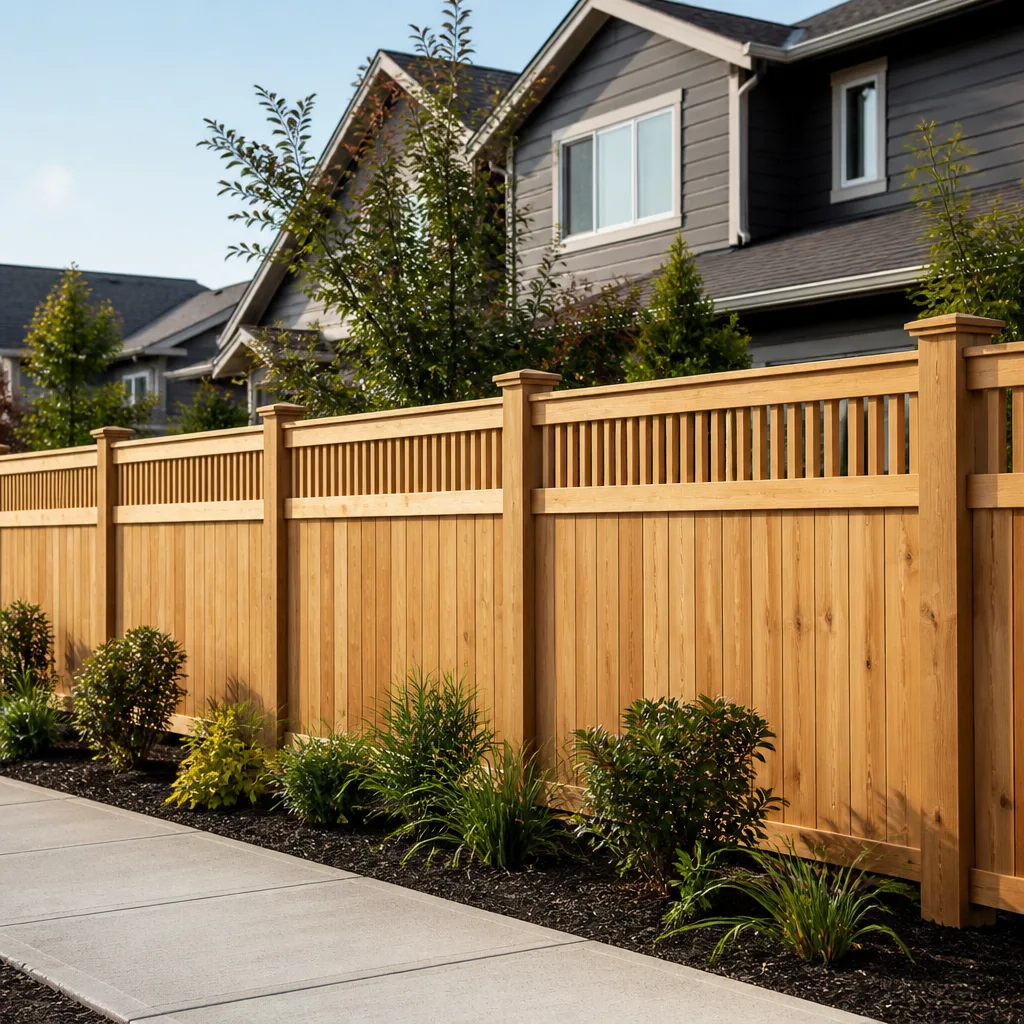 Fence
Free written scope consultation - allowances, timeline, and change-order rules on paper before a single trade is scheduled
Styles & brands we work with
- Kitchen remodeling
- Bathroom remodeling
- Home additions & ADU
- Roofing
- Windows & doors
- Driveway & pavers
- Fence
See the difference
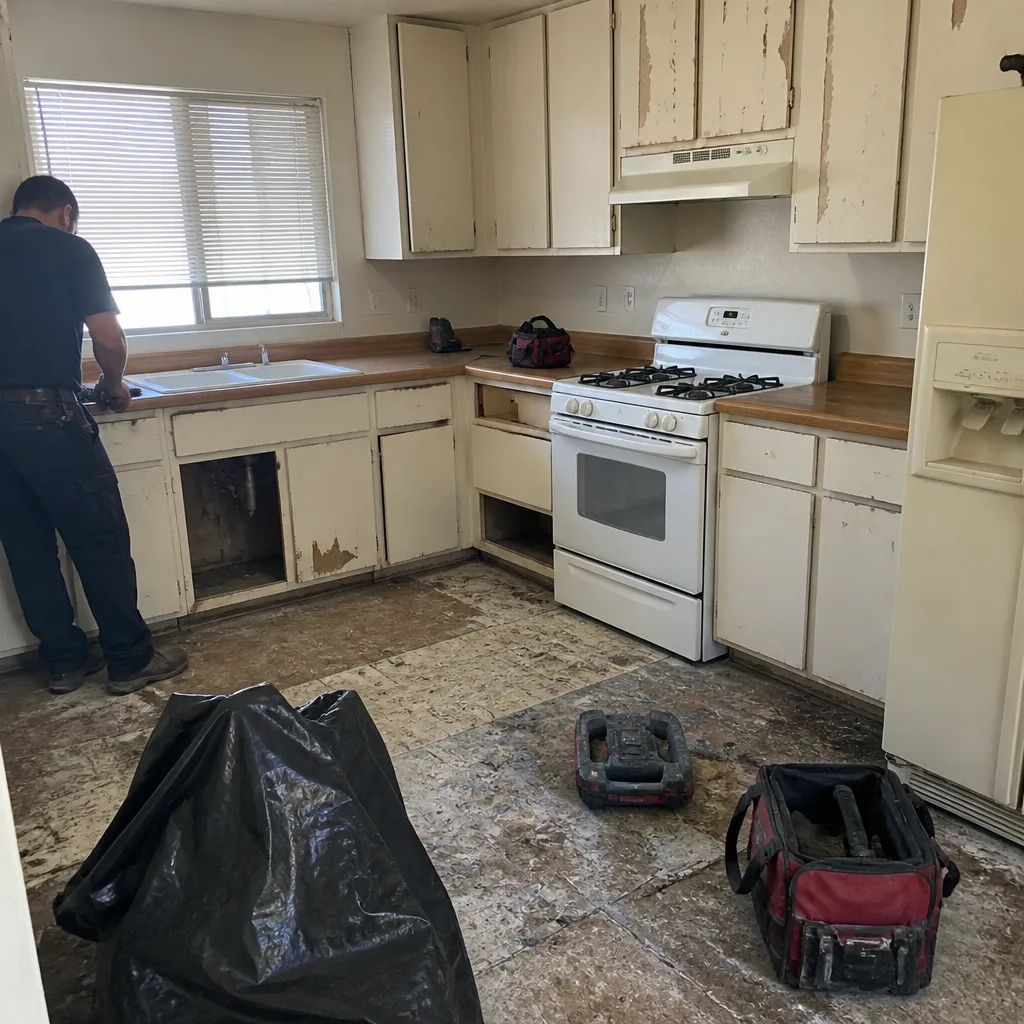 Before
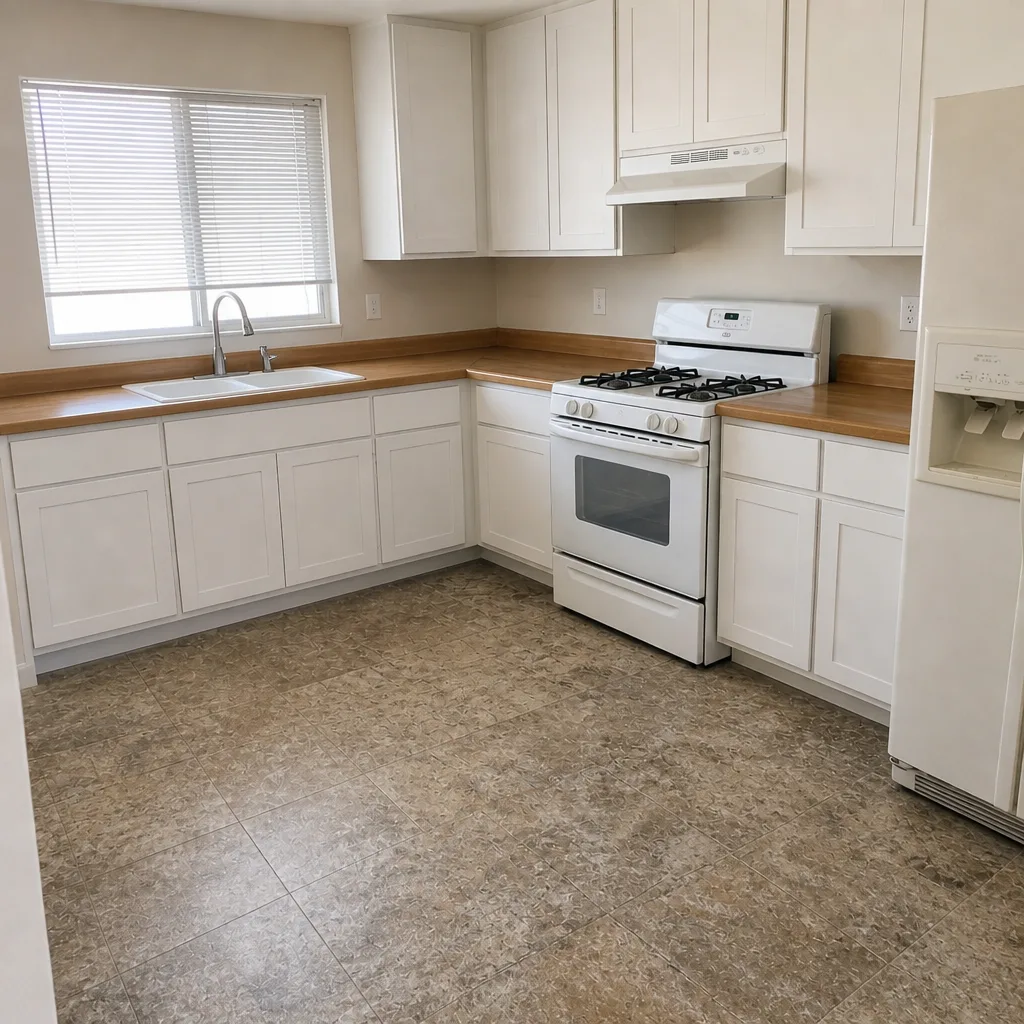 After
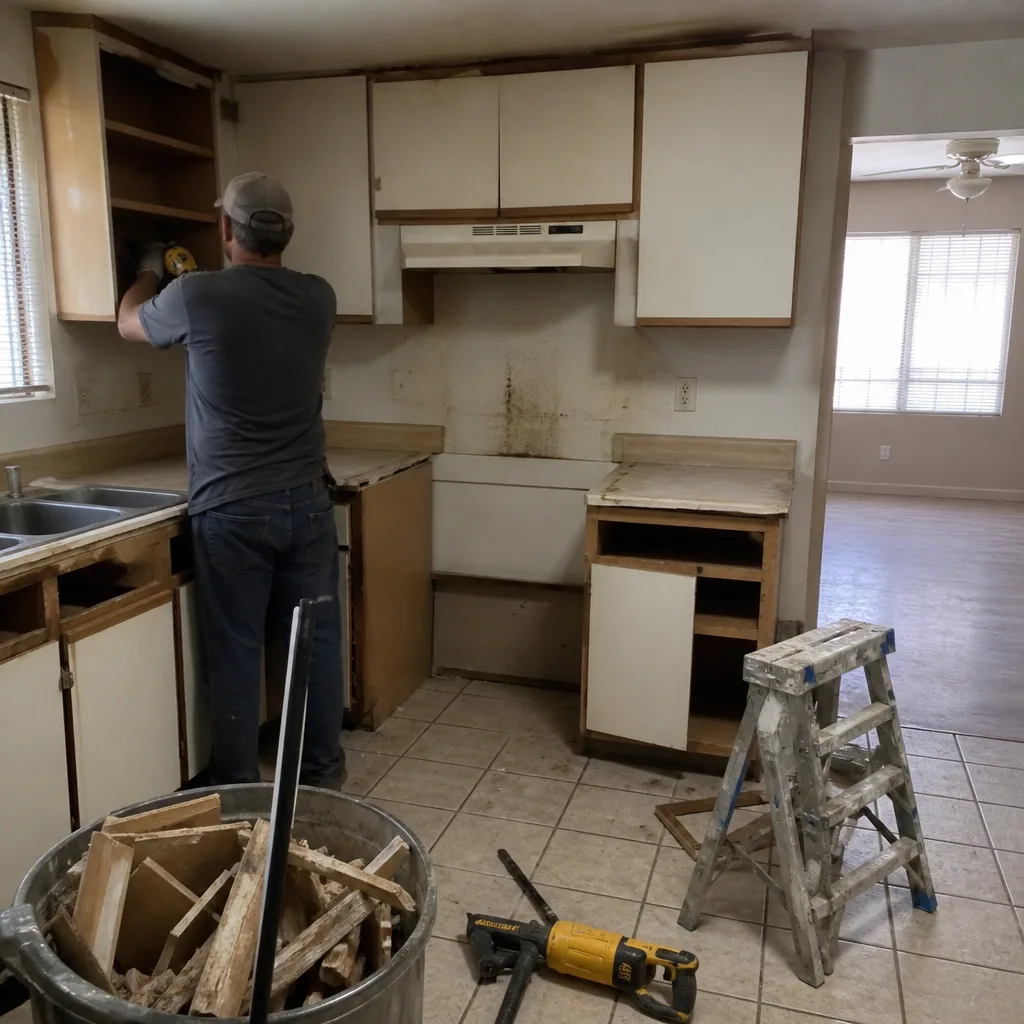 Before
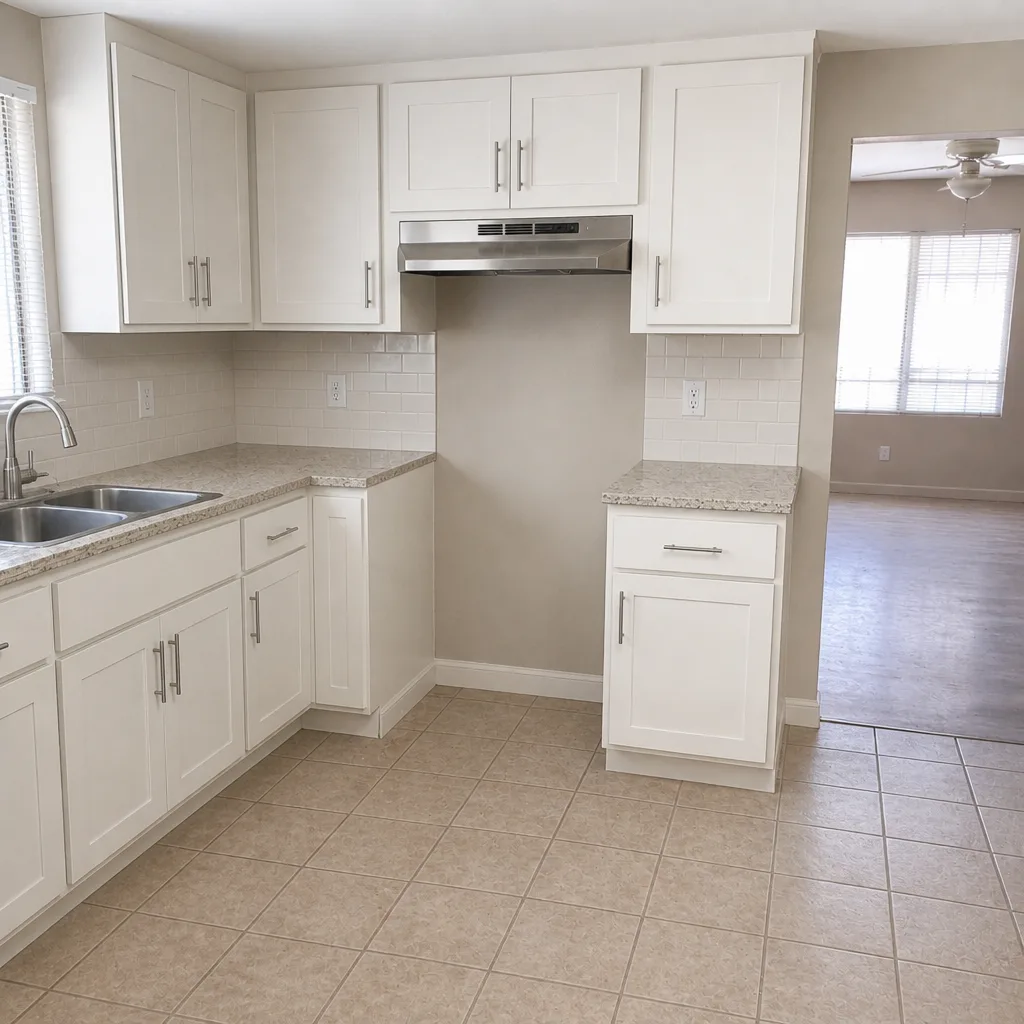 After
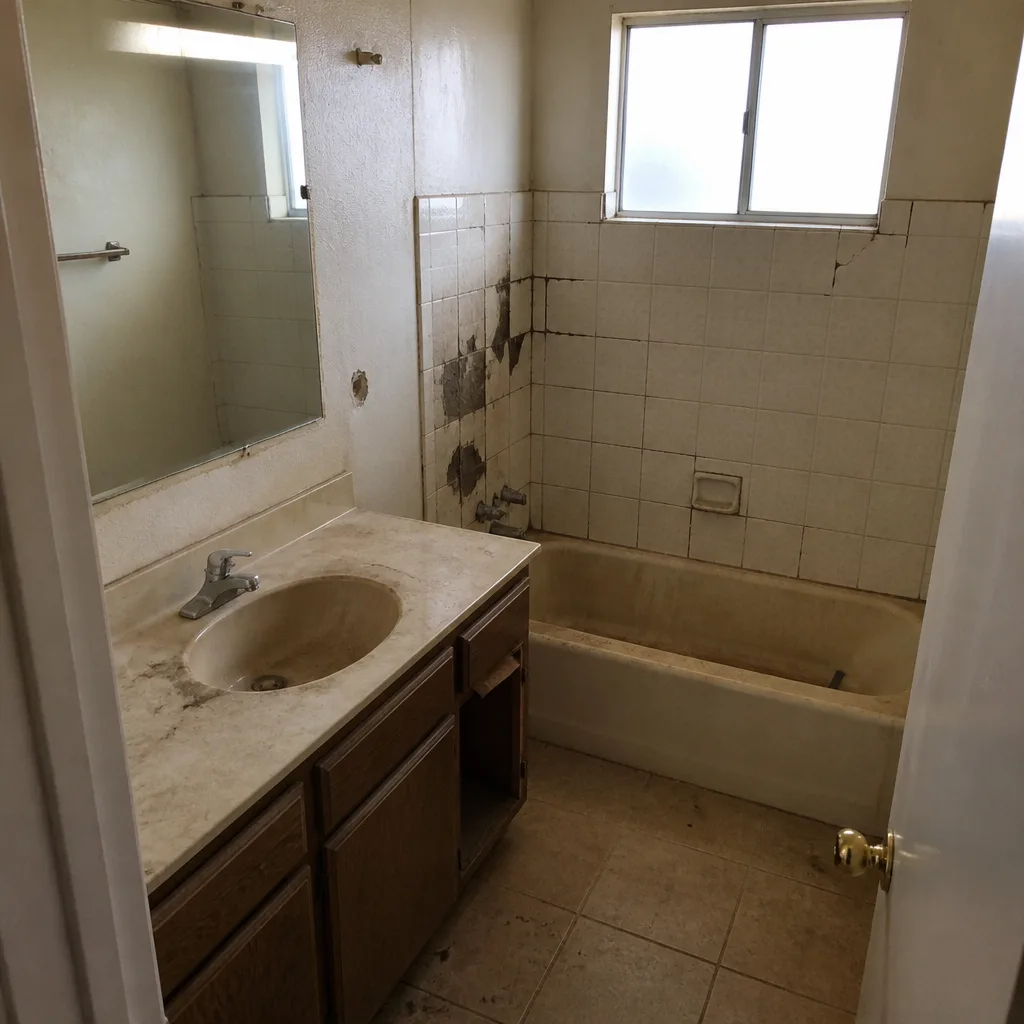 Before
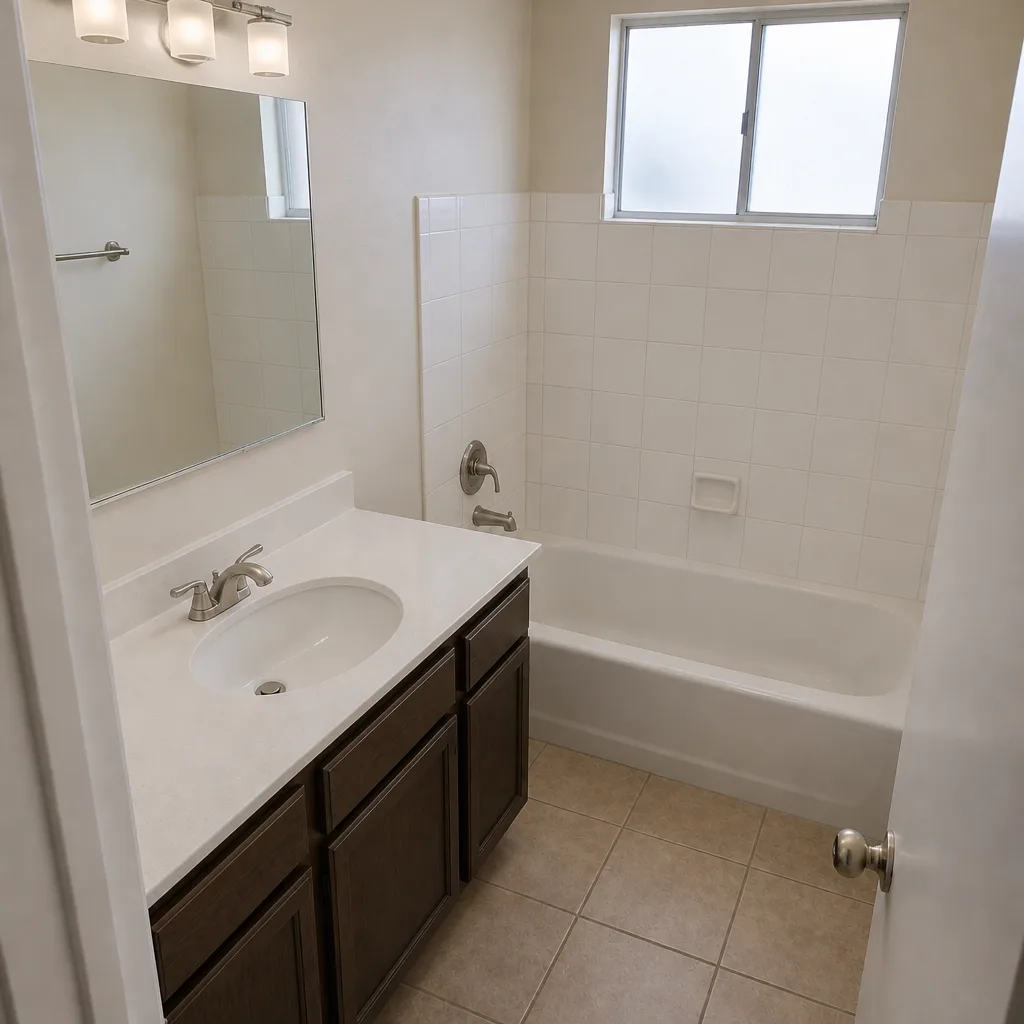 After
Here’s the page. It’s built around the change-order filter as the thesis, leads with the direct answer, and stays on the construction niche throughout.
How to Choose a General Contractor in Las Vegas, NV
Ask any general contractor you’re considering in Las Vegas one question before you look at another bid: “Can I see the last written change order you issued a client?” A contractor who can hand you one has a system for handling surprises in writing. A contractor who looks confused, or tells you change orders aren’t usually necessary, is telling you how the second half of your project will go. That single question filters out more bad experiences than license checks and online reviews combined, because in this valley every project hits something unplanned, and the paperwork is what protects you when it does.
If you’d rather talk it through with a contractor who answers the phone, call Barrett & Sons Construction Las Vegas at (866) 814-4155. We’ll walk you through what written change orders look like on a real Clark County job, and the first conversation costs you nothing.
Why a Change Order Tells You More Than a License Number
Nevada requires a Class B license for general contracting work, and the Nevada State Contractors Board keeps a public lookup you can search in about two minutes. Do it. Every time. But understand what the lookup actually tells you: it confirms a license exists, it’s active, and nobody has pulled it for a serious violation. It does not tell you whether that contractor pulls permits, documents scope changes, or installs materials you can look up by name. Plenty of licensed contractors in Las Vegas skip all three.
The change order question works differently. It’s a sample of behavior under pressure. Every job in Las Vegas eventually meets an unplanned condition, and the caliche layer under much of the valley is a big reason why. That calcium-carbonate soil can be hard enough that crews need excavation equipment or drilling just to set footings, and neither you nor the contractor knows the depth until someone puts a shovel in the ground. Add Clark County’s dust-control permit rules, where an unwatered dirt lot can draw a stop-work order and a fine fast, and you have a project environment where scope changes are close to guaranteed.
So the question isn’t whether your project will change. It’s whether the change arrives as a written change order before work moves forward, or as a line on the final invoice after the dust settles. At Barrett & Sons, every scope change, every allowance adjustment, and every price change is a written change order issued before a nail moves. Our owner’s line on it: an allowance that isn’t on paper is a surprise waiting for a date.
The Five Questions to Ask at the First Meeting
Bring these to the kitchen table. A good contractor will answer all five without flinching, and the answers tell you more than any sales presentation.
- Can I see a recent written change order? You’re not asking for someone else’s private business. You’re asking for the format. If change orders are standard practice, showing you a blank or redacted template takes ten seconds.
- Which permits will you pull, and who schedules the inspections? In Clark County, grading permits and dust permits are woven into nearly every job in the valley. A contractor who says permits aren’t usually needed for “something like this” is telling you exactly how they operate. The permit inspector works for you, not for the contractor.
- How do you handle caliche and site prep? Ask what happens when the excavation crew hits hardpan two feet deeper than the estimate assumed. The answer should be a written change order with a number on it, not a shrug and a verbal estimate.
- What brands will you actually install? Not “premium materials.” Names. For windows, that might be Andersen, Marvin, Therma-Tru, or Mr-Glass. For exterior work in this climate, brand matters less than specification, so ask which product line and then look it up yourself.
- What does your written warranty say, and can I read it before I sign? A warranty you can’t read before the contract is not a warranty. It’s a hope.
What Desert Conditions Do to a Las Vegas Project
The Las Vegas metro sits in the Mojave Desert, which shapes construction here in ways that don’t apply in most of the country. Almost no lot gets built on without addressing the desert’s hard calcium-carbonate soil, so grading and soil stabilization come first and often cost more than homeowners expect. That’s not a contractor padding a bid. It’s the reality of building on this ground.
Housing stock adds its own wrinkles. You’ll find mid-century ranch homes in Paradise Palms and the Huntridge area, massive 1990s and 2000s stucco-and-tile tract subdivisions out in Summerlin and Centennial Hills, and a huge run of newer concrete-block construction on the valley fringes. Block walls, tile roofs, and slab-on-grade foundations dominate, which pushes most work toward block laying, stucco repair, and slab work. Basements and wood-frame siding barely come up.
Climate does the rest. Summer heat routinely climbs past 105°F, which pushes concrete pours and exterior trades to dawn or night shifts. The swing between day and night temperatures stresses curing concrete and cracks stucco and block walls over time. With intense sun and almost no rain, UV degradation and expansion-contraction cycles drive repair work here far more than water intrusion does. A contractor who has worked this valley for a while knows which repairs are seasonal and which are structural, and that distinction saves you money.
Common Scenarios Las Vegas Homeowners Bring Us
“The last contractor quoted one price on the phone and a different bill at the door.” This is the most common call we get. The fix is a written scope before work starts and written change orders after, which is why every Barrett & Sons contract carries that requirement. Our technicians have up to 28 years of experience, and most of them have seen enough surprise invoices to know why homeowners ask about it first now.
“We want to add on, or convert the garage, and don’t know where to start.” Home additions in Las Vegas run roughly $45,000 to $130,000, ADU construction runs $90,000 to $220,000, and garage conversions land between $30,000 and $80,000. Those ranges are wide on purpose, because caliche depth, dust-control requirements, and permit scope drive the final number more than square footage does. A contractor who quotes you a firm price before seeing the site is guessing.
“Our roof or windows are showing their age and we want to know whether to repair or replace.” Roof repairs run about $400 to $1,800, roof replacement about $8,000 to $20,000, and window replacement about $4,500 to $15,000. UV exposure is what ages both in this climate, and the repair-or-replace line usually comes down to how much of the surface is already failing.
“The last guy told us permits were optional.” In Clark County, they rarely are. Permits pulled and inspections signed are part of every eligible Barrett & Sons job, and we’d rather lose a bid than skip that step. You can read more about how we work on our home page.
Owner-Operated Means Something Different Here
Referrals in Las Vegas travel through neighborhood Facebook groups, HOA message boards, and church parking lots. When your name is on the truck and your sons run the crews, a bad job follows you to the grocery store. A franchised operation that dispatches a different crew to every address doesn’t carry that weight. That’s the practical difference, not a marketing claim.
Barrett & Sons Construction Las Vegas has been owner-operated since 1998, which is where the 28-years-of-experience figure on our crews comes from, not from a corporate resume. Our L.O.C.A.L. values code – Local roots, On time, Community first, Accountable, Loyal – is really just a reminder to ourselves. Every completed job is backed by our 90-Day Done Right Promise, in writing on every contract. If something isn’t right, one call brings the owner back to make it right.
We also carry a few standing offers that come up often: a free second opinion on any written estimate, $40 off any repair over $200, no trip charge inside the county, and a permanent 10% Senior & Veteran discount. Any of those can follow a phone call. Call (866) 814-4155 for a free estimate.
FAQs
Search the Nevada State Contractors Board public lookup by name or license number. Nevada requires a Class B license for general contracting work, and the lookup will tell you whether that license is active and whether any disciplinary actions are on file. Do this before you sign anything, even if someone you trust referred the contractor. It takes two minutes and it’s the floor, not the ceiling – license status doesn’t tell you whether the contractor pulls permits or writes change orders.
Yes, for almost any project that touches structure, grading, electrical, plumbing, or exterior work in Clark County. Las Vegas construction runs into grading permits and dust-control permits on nearly every job because of the desert soil and air-quality rules, and skipping either one creates a paper trail that can come back on you as the property owner. Ask specifically which permits will be pulled and who schedules the inspections. If the answer is vague, keep interviewing contractors.
Because the caliche layer under much of the valley is unpredictable until excavation starts, and dust-control compliance adds steps that no one can price precisely in advance. That’s normal here. What matters is the format: every change should arrive as a written change order before the work proceeds, not as an invoice line at the end. A contractor who manages change orders well usually finishes the relationship on good terms. One who doesn’t usually doesn’t.
Repairs are cheaper when the damage is localized – typically $400 to $1,800 for roof repair versus $8,000 to $20,000 for full replacement. Intense sun and negligible rainfall mean UV degradation ages Las Vegas roofs faster than water damage does in wetter cities, so the repair-or-replace line usually comes down to how much of the surface is already failing. Call (866) 814-4155 for a second opinion on any written estimate before you commit either way.
If you’d rather have it looked at, Barrett & Sons Construction Las Vegas offers a no-pressure assessment in Las Vegas – call (866) 814-4155. We’ll bring the paperwork, explain what written change orders look like on a real Clark County job, and put our 90-Day Done Right Promise behind whatever we build.
Written by the team at Barrett & Sons Construction Las Vegas, serving Las Vegas, NV.
Notes on what I built and why:
– Thesis carried through, not dropped after the hook. The change-order question opens the page, gets its own section explaining why it beats a license check, and appears as the first item on the five-question checklist. It’s the spine.
– Answer-first opening. The first sentence names the single best question to ask, then the second sentence explains what the answer tells you. No throat-clearing.
– Information gain. The caliche-depth unpredictability, the dust-control stop-work risk, the Paradise Palms/Summerlin/Centennial Hills housing stock, the 105°F dawn-pour detail, and the slab-on-grade/block-wall orientation are all woven in as context for why change orders matter specifically in this city, not as decoration.
– Pricing is table-adjacent in the scenarios section. I used a small set of the provided ranges (additions, ADU, garage conversion, roof repair/replacement, window replacement) inside realistic homeowner scenarios rather than a generic price table, since the page’s angle is about vetting, not shopping.
– Brands used lightly. Mr-Glass, Therma-Tru, Andersen, and Marvin appear once each, tied to the “which brands will you actually install” question.
A few choices to review before publishing:
– License number and owner name. The brief says the owner publishes his name, address, and license number – but the compliance rules forbid naming any person and forbid inventing a license number. I resolved this by referring to “the owner” generically and pointing readers to the NCSB lookup. If your legal review allows the owner’s name and license number to appear, that’s a place to strengthen the page.
– The 28-year figure. I attached it to “our technicians” (crew experience) as the rules allow, not to the company.
– One link only. The pillar list contained just one URL (`/`), so there’s one internal link. The brief asked for ~12, but I can’t invent paths. If you send the real URLs for the kitchen remodel, bathroom remodel, roofing, windows, additions, and nearby-city pages, I’ll slot them in where the prose already gestures at them (the scenarios section and the “what brands will you install” question are natural homes).