
Last updated November 17, 2026
 Kitchen remodeling
 Bathroom remodeling
 Home additions & ADU
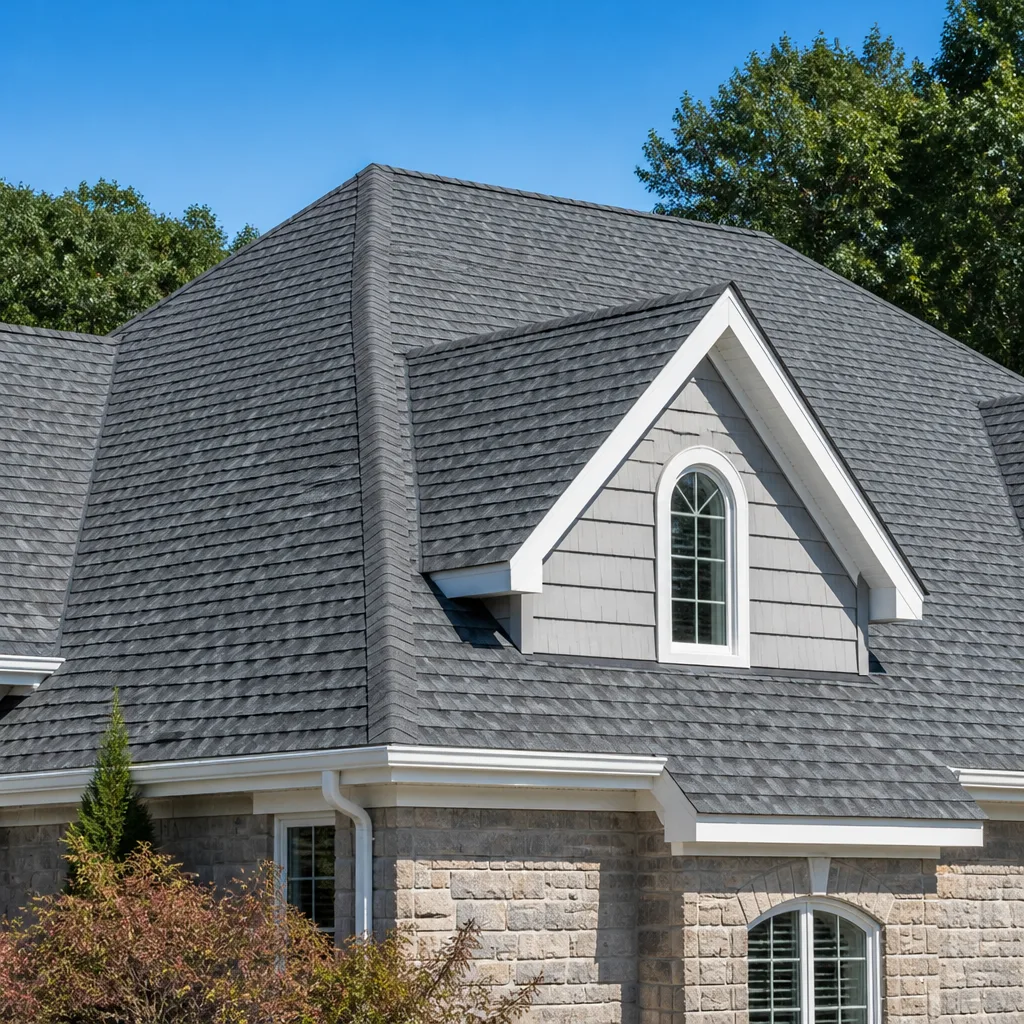 Roofing
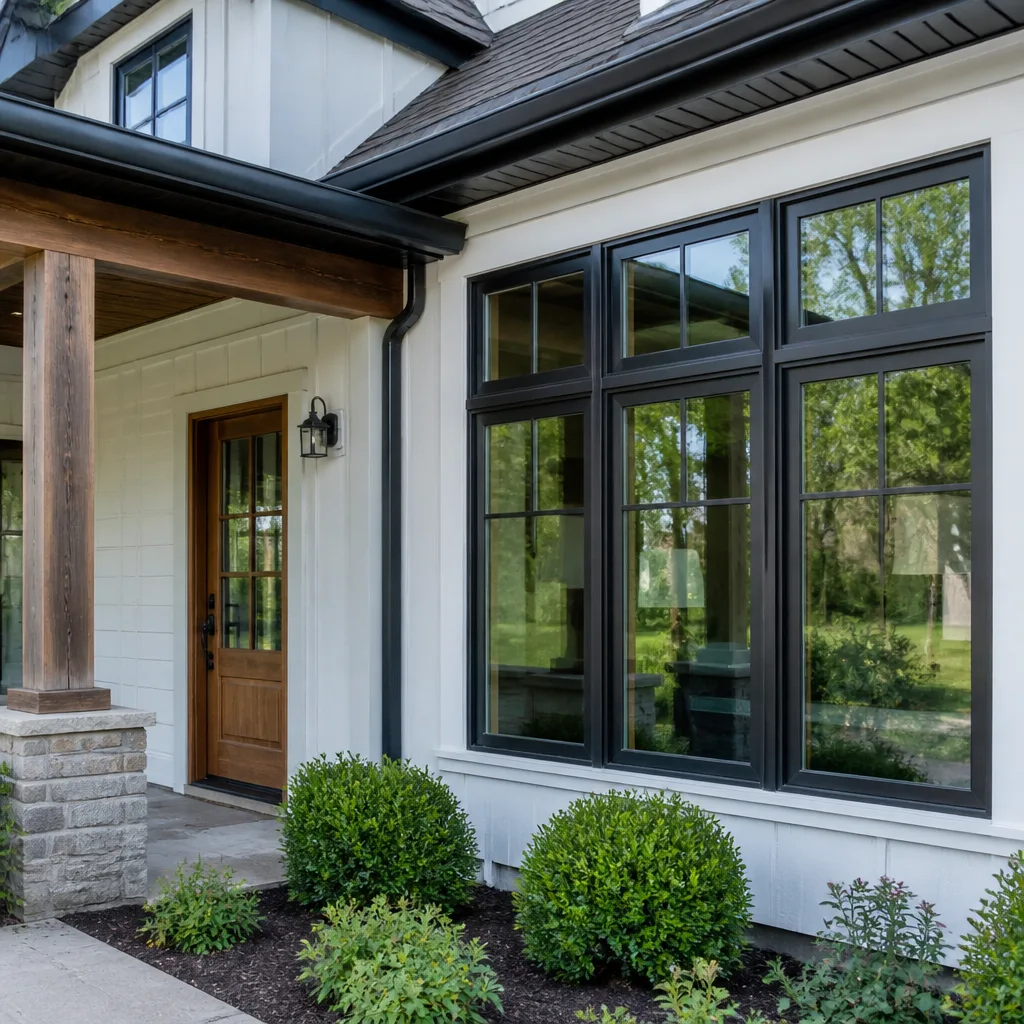 Windows & doors
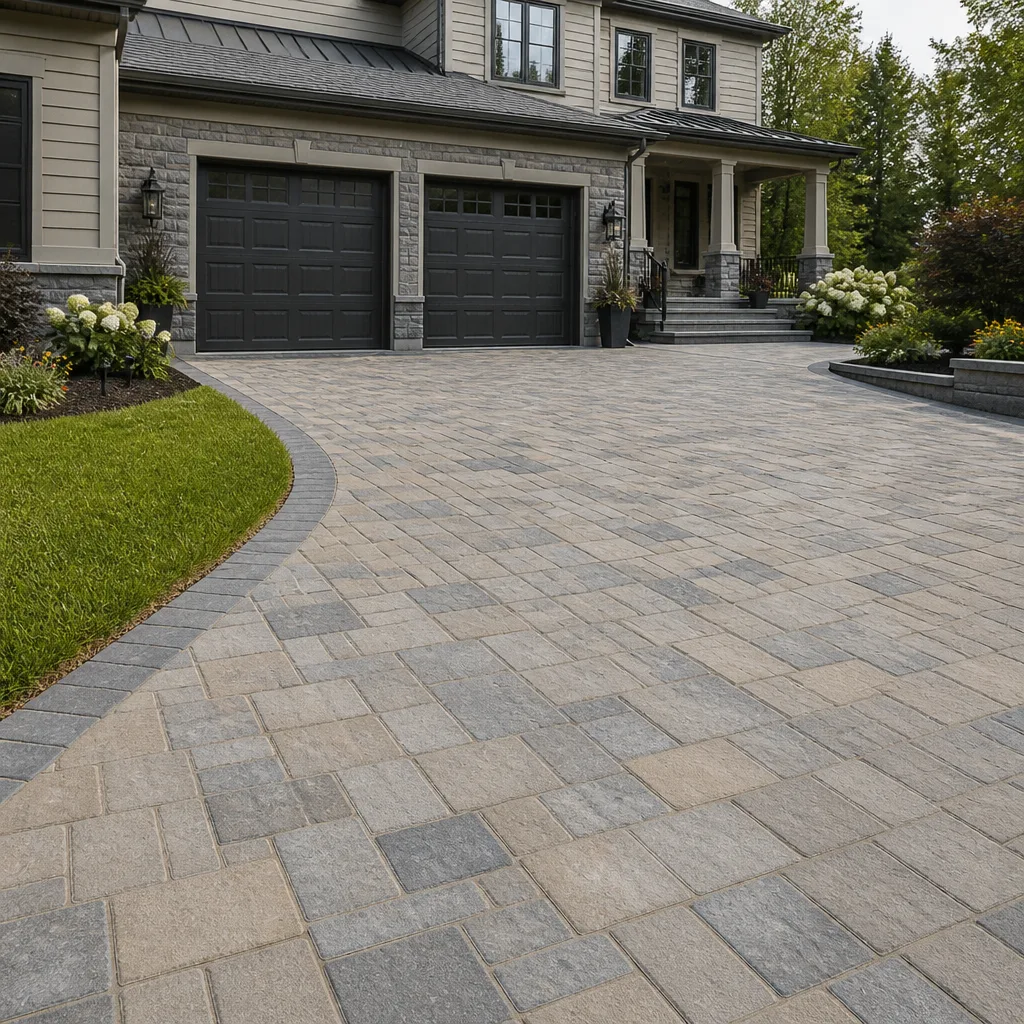 Driveway & pavers
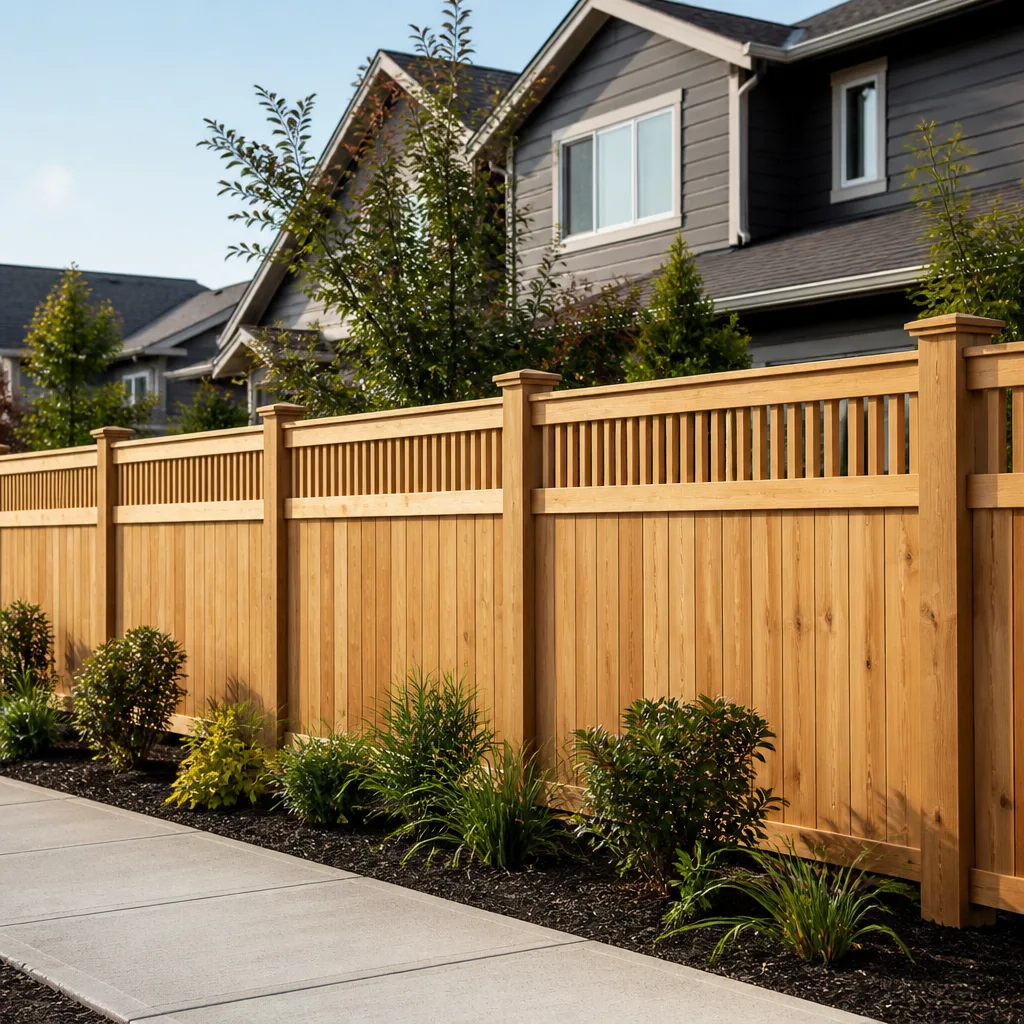 Fence
Free written scope consultation - allowances, timeline, and change-order rules on paper before a single trade is scheduled
The Complete Guide to Construction in Las Vegas
Las Vegas sits on some of the hardest, most alkaline soil in the United States – a layer called caliche that can snap a standard drill bit and add thousands to a foundation budget if nobody warned you about it. That’s the first thing that separates building here from building anywhere else. The desert heat, the flash-flood grading rules, the tangle of city and county jurisdictions, and the fact that your HOA can stop a job dead even after the county stamps your plans all make Las Vegas its own animal. This guide walks you through how construction actually works in Las Vegas, from soil to permits to the monsoon window, so you know what you’re walking into before money changes hands.
Quick Answer
Construction in Las Vegas is governed less by national building norms and more by three local forces: caliche-heavy alkaline soil that drives foundation and excavation costs, a permit system split across the City of Las Vegas, Clark County, Henderson, and North Las Vegas, and a climate that punishes flatwork and roofing poured or installed during the late-summer monsoon. Understanding how those three forces interact – and getting your address in the right jurisdiction with the right HOA approvals – determines your timeline and budget more than any material choice you’ll make.
Styles & brands we work with
- Kitchen remodeling
- Bathroom remodeling
- Home additions & ADU
- Roofing
- Windows & doors
- Driveway & pavers
- Fence
Table of Contents
- How Caliche Soil and Extreme Heat Change Your Build
- Clark County vs. City of Las Vegas vs. Henderson vs. North Las Vegas
- Why Your HOA Can Delay a Project Even With Stamped Plans
- The Monsoon Window: When Not to Pour or Roof
- What “Owner-Operator” Actually Means in Las Vegas
- How the Las Vegas Permit Process Works, Step by Step
- Materials That Survive a Las Vegas Summer
- How to Budget a Las Vegas Construction Project
How Caliche Soil and Extreme Heat Change Your Build
Caliche is a calcium-carbonate hardpan that forms just below the surface across much of the Las Vegas Valley. It’s cemented, alkaline, and stubborn – the kind of layer that turns a routine trench into a jackhammer job. Standard excavation equipment often isn’t enough, and crews have to bring in heavier tooling or chemical softening to get through it. That cost shows up early in a foundation budget, and if a contractor didn’t scope for it, you’ll see a change order before the first pour.
The heat compounds the problem. Surface temperatures on exposed concrete and asphalt routinely climb past 120°F in July and August. That means:
- Concrete cures too fast. Pouring flatwork in direct summer sun without mitigation leads to plastic shrinkage cracks. Crews here pour early morning, use retarders, or wet-cure to slow the set.
- Expansion and contraction cycles are brutal. Foundations, driveways, and slabs need proper control joints and expansion material to survive the swing between a 115°F afternoon and a 65°F winter night.
- Alkaline soil attacks some materials. Untreated rebar and certain masonry products degrade faster in high-pH soil. Galvanized or epoxy-coated steel isn’t a luxury here – it’s a durability decision.
- Stucco and paint fade and crack. UV exposure is severe enough that exterior finishes need to be selected for sun tolerance, not just appearance.
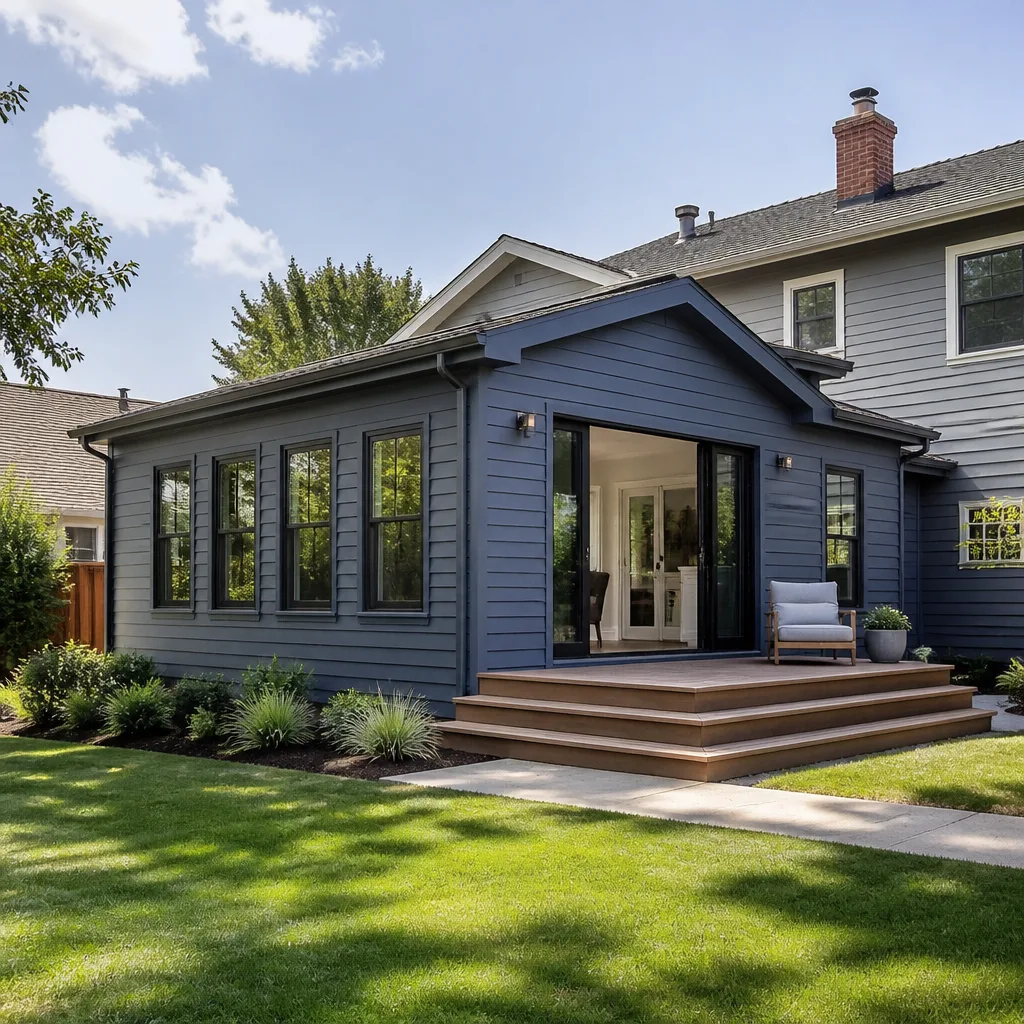
We’ve seen plenty of out-of-state crews bid a Las Vegas job using a template written for a Midwest or coastal market, then discover the caliche the first week. That’s the wrong time to find out. If you’re planning a foundation-dependent project like a home addition or detached structure, have the soil addressed in scope and in writing before you sign anything. You can read more about how we approach structural work on our Home Additions & ADU in Las Vegas page.
Clark County vs. City of Las Vegas vs. Henderson vs. North Las Vegas
Your permit doesn’t come from “Las Vegas.” It comes from the jurisdiction your address actually sits in, and that distinction changes your timeline, your inspection schedule, and sometimes your code requirements. The Las Vegas Valley is split across four primary permitting authorities, and a fifth set of rules applies the moment you’re in unincorporated county land.
- City of Las Vegas. Covers the historic core, downtown, and much of the central valley. Its own building department handles plan review and inspections.
- Clark County. Handles unincorporated areas – large swaths of the valley, plus outlying communities. This is often the authority people mean when they say “Clark County permits.”
- City of Henderson. Its own department, its own review queues, and its own fee schedules. A Henderson address can’t be permitted through the county.
- City of North Las Vegas. Separate again, with its own plan review process and inspection scheduling.
- Master-planned community overlays. Some communities have additional design or architectural requirements layered on top of the municipal permit.
Why does this matter to a homeowner? Because review times differ, submittal requirements differ, and a set of plans prepared for one jurisdiction may need revisions before another will accept it. It also affects who inspects the work and when. We always confirm the jurisdiction before we quote a schedule, because promising a four-week review in a department that’s running six weeks isn’t a promise – it’s a guess. If you’re planning a driveway or hardscape project, the right-of-way rules also vary by jurisdiction, which we cover on our Driveway & Pavers in Las Vegas page.
Why Your HOA Can Delay a Project Even With Stamped Plans
A stamped set of plans from the city is not the finish line in Las Vegas. Most of the valley’s newer neighborhoods – and a good share of the established ones – sit inside HOAs with architectural review committees that run on their own clock, parallel to the county permit. You can have a fully approved permit in hand and still be told to stop work because the ARC hasn’t signed off on your fence height, your paver color, or your roof tile profile.
What the ARC typically reviews:
- Exterior colors and materials (roof tile, stucco tone, trim)
- Fence height, style, and material – and whether it can be seen from the street
- Hardscape layout, driveway widening, and paver selection
- Setbacks and visible equipment placement
- Landscaping and turf removal plans
The trap is sequencing. Homeowners often submit to the county first, get excited when the permit lands, and then discover the ARC needs a separate application, a separate meeting, and sometimes a neighbor notification period. Some committees meet monthly. Miss the meeting and you’ve lost four weeks. Build the HOA approval into your schedule alongside the permit, not after it. It’s also worth knowing that HOA standards sometimes exceed code – a six-foot fence may be legal in your jurisdiction but rejected by your ARC. Get both answers before you buy materials.
The Monsoon Window: When Not to Pour or Roof
Late July through September is monsoon season in the Las Vegas Valley, and it’s the single worst window for two of the most common construction activities: pouring flatwork and installing roofing. The desert doesn’t get much rain, but when it comes, it arrives fast – sudden downpours, flash flooding, and wind that can peel underlayment off a half-finished roof deck.
Here’s how that affects scheduling:
- Flatwork. A fresh concrete pour hit by sudden rain can be ruined – surface damage, washed-out finish, weakened cure. Crews watch the forecast and pour early in the day, but the risk window is real through August.
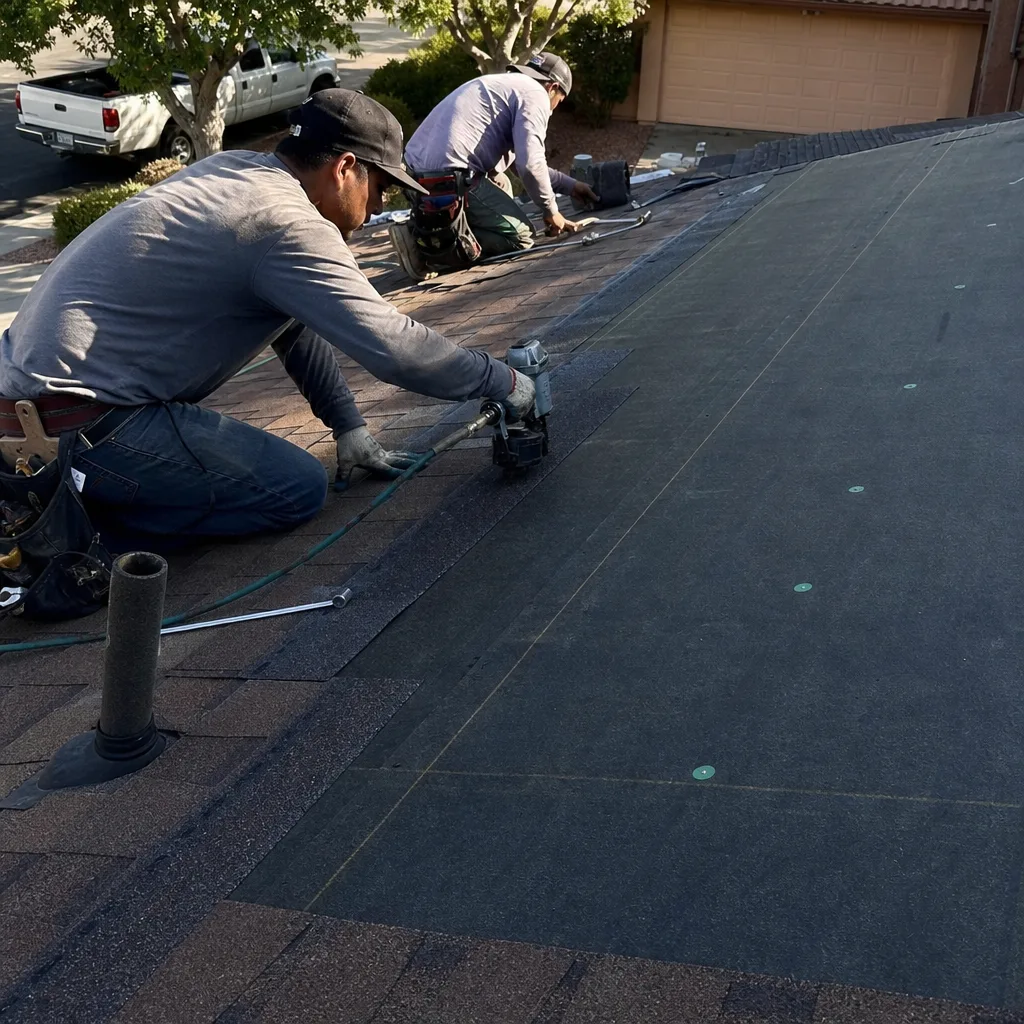
- Roofing. A roof torn open for a re-roof is vulnerable to a pop-up storm. Good roofing crews stage material carefully and tarp open sections each night, but starting a full tear-off in the middle of monsoon season is asking for trouble.
- Grading and drainage. Water pooling against a foundation during construction is a problem. Site drainage and slope need to be established before the rainy window, not during it.
The practical move is to schedule flatwork and roofing outside that window whenever possible – spring and early summer for concrete, fall for roofing. If a project has to run through the monsoon months, the schedule should build in weather days and the crew should have a storm plan. We build that into our timelines rather than pretending the desert never rains. It does, and it comes all at once.
What “Owner-Operator” Actually Means in Las Vegas
The Las Vegas construction market is crowded with companies that have local-sounding names but are actually national franchises dispatching crews from a call center. When the person on the phone is three states away, the accountability is three states away too. “Owner-operator” means something specific: the person whose name is on the company is the person who stands behind the work – and in our case, the family that runs the crews is on-site most days, not dispatched from a corporate queue.
Why it matters for your project:
- You know who to call. If something’s wrong, there’s a name and a phone number, not a ticket number.
- Change orders are real conversations. An owner-operator has skin in the game and issues a written change order before the scope changes – because a surprise invoice is a relationship-ending event, not a line item.
- Permits get pulled. A contractor invested in the community doesn’t skip the permit to save time. The inspector works for you, and a legitimate operator wants him there.
In a market this flooded with lookalike brands, the way to tell the difference is to ask for the license number, the address, and a written scope with allowances itemized. If any of those is missing, keep asking. You can start with our Barrett & Sons Construction Las Vegas home page to see how we present that information.
How the Las Vegas Permit Process Works, Step by Step
Permits aren’t optional, and any contractor who tells you they are is telling you something about how they operate. Here’s the general shape of the process in Las Vegas, though the specifics vary by jurisdiction and project type.
- Confirm your jurisdiction. City of Las Vegas, Clark County, Henderson, or North Las Vegas – determined by your address, not your mailing address.
- Prepare plans and submittals. Depending on the scope, this can range from a simple over-the-counter submittal to a full plan review set with structural and energy calculations.
- Check HOA requirements in parallel. Submit to the architectural review committee at the same time you submit to the jurisdiction – don’t wait for one to finish before starting the other.
- Submit and pay fees. Review timelines vary by department and by project complexity. Ask for the current turnaround rather than assuming.
- Address plan review comments. Most submittals come back with corrections. This is normal and adds time to the schedule.
- Pull the permit and begin work. Inspections are scheduled at required stages – foundation, framing, rough-in, final, depending on scope.
- Pass final inspection. The job isn’t done until the inspector signs off. A permit that never closes can complicate a future sale.
The permit inspector is not the enemy. He’s the person who confirms the work matches the plans, and that protects you. We pull permits and get inspections signed on every eligible job, because the alternative is a problem hiding in your walls waiting for a home inspection years later.
Materials That Survive a Las Vegas Summer
Material selection in Las Vegas is a durability question first and an appearance question second. The sun, the heat cycles, and the alkaline soil all take a toll on products that perform fine in milder climates. Here’s where we focus.
Roofing. Tile and asphalt shingle both work here, but the specific product matters. We install proven lines like Tamko and Boral because the UV exposure is severe enough that bargain shingles age fast. Underlayment quality matters as much as the surface material – the desert heat cooks underlayment, so it needs to be rated for the temperature swings.
Windows and doors. Vinyl and aluminum frames need to be rated for high heat and UV. Low-E glass isn’t a luxury in Las Vegas – it’s an energy and comfort decision. We work with manufacturers like PGT and CGI because their products hold up to the climate rather than warping or fading within a few summers.
Flatwork and hardscape. Concrete mix design, control joint spacing, and paver selection all need to account for the heat. Light-colored pavers reflect heat and last longer under foot traffic and sun. Dark surfaces absorb heat and show wear faster.
Exterior finishes. Stucco and paint both need UV-stable formulations. Cheap exterior paint chalks and fades within a couple of years here.
The rule of thumb: ask what brand and what product line is being installed, and look it up yourself. Materials you can verify beat mystery brands off a van every time. Fence materials have their own heat and sun considerations, which we go into on our Fence Installation in Las Vegas page.
How to Budget a Las Vegas Construction Project
Las Vegas construction budgets get blown by three things that a national average doesn’t capture: caliche excavation, monsoon-related schedule delays, and change orders that should have been written up front. A realistic budget is built from a written scope with allowances itemized – not a phone estimate.
What to insist on before you sign:
- A written scope. Every task, every material, every allowance, on paper.
- Allowances in writing. An allowance that isn’t on paper is a surprise waiting for a date.
- Written change orders. Every price change should arrive in writing before the work happens – no surprise invoices at the end.
- Permit and inspection costs identified. Fees vary by jurisdiction and scope; they should be in the budget, not a mystery.
- A schedule that accounts for review times and weather. If the plan says “four weeks for permits” in a department running six, the plan is wrong.
Ask for the second opinion too. A free second look at a written estimate is one of the cheapest ways to catch an omission before it becomes a change order. We offer a Free Second Opinion on Any Written Estimate, and our published standing offers also include $40 Off Any Repair Over $200 and No Trip Charge Inside the County. A permanent 10% Senior & Veteran discount applies as well.
Common Mistakes to Avoid
- Assuming your city is your permitting authority. A Las Vegas mailing address doesn’t mean the City of Las Vegas handles your permit. Check whether you’re in the city, the county, Henderson, or North Las Vegas before you submit anything.
- Waiting for the permit before contacting the HOA. These two run on separate clocks. Submit to both at the same time or you’ll lose weeks waiting for an ARC meeting that only happens once a month.
- Pouring flatwork in August without a weather plan. A sudden monsoon downpour can ruin a fresh slab. Schedule concrete outside the late-summer window or build weather days into the timeline.
- Accepting a phone estimate as a real number. A price quoted on the phone with no written scope, no itemized allowances, and no change-order process is a guess dressed up as a bid.
- Skipping the permit because someone said it’s optional. It isn’t. An unpermitted job can stall a future sale and hide problems you can’t see. The inspector works for you.
- Choosing materials by looks alone. A paver, shingle, or window frame that performs fine in a mild climate can fail early under 120°F surface temps and intense UV. Verify the product line.
- Not budgeting for caliche. If the soil report hasn’t been addressed and excavation is in scope, ask how the contractor handles hardpan. The answer should be specific, not a shrug.
See the difference
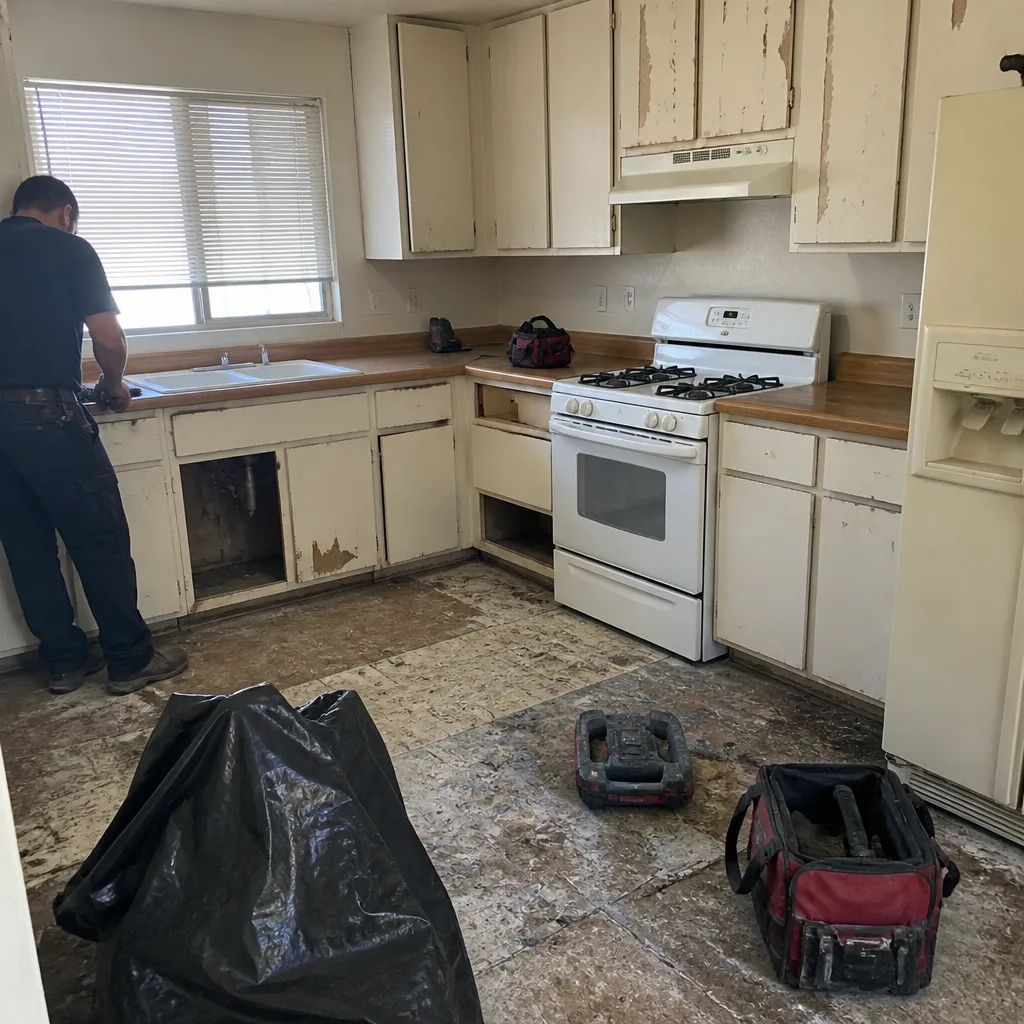 Before
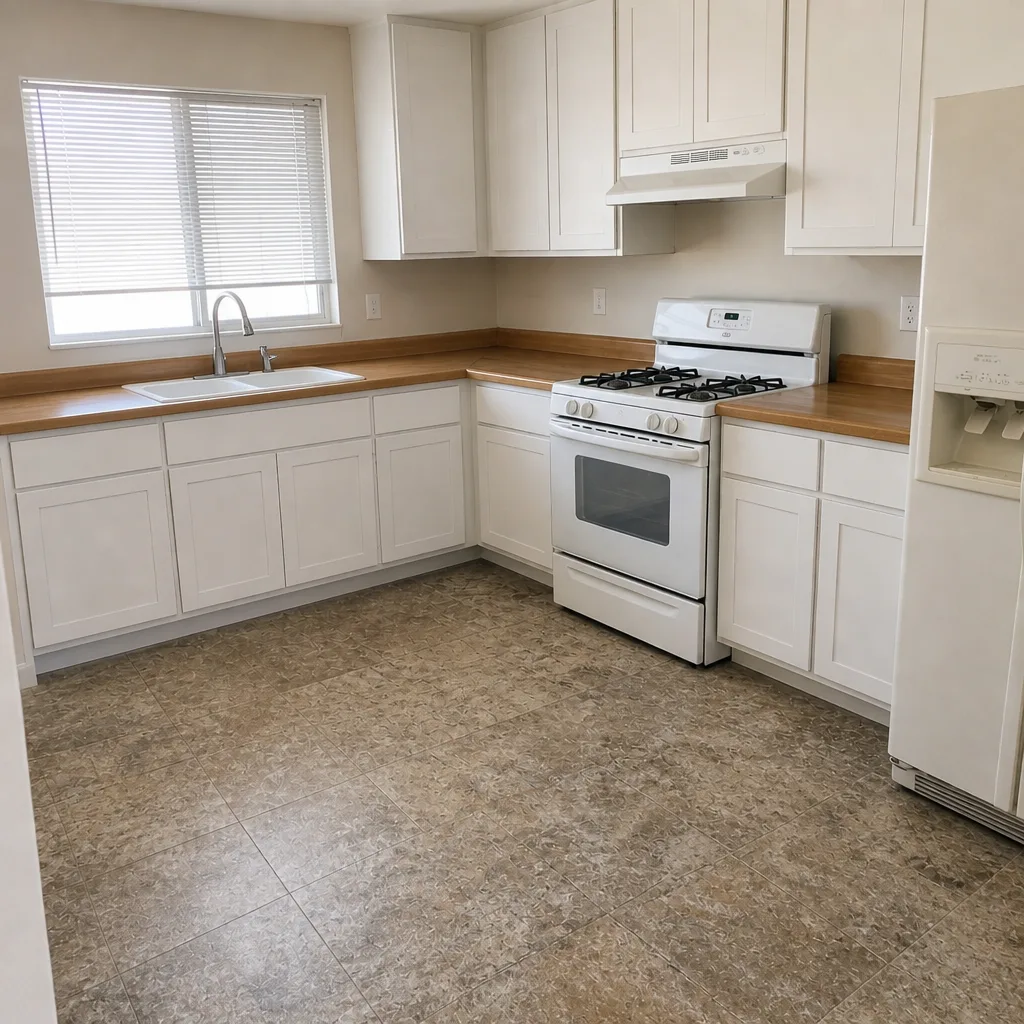 After
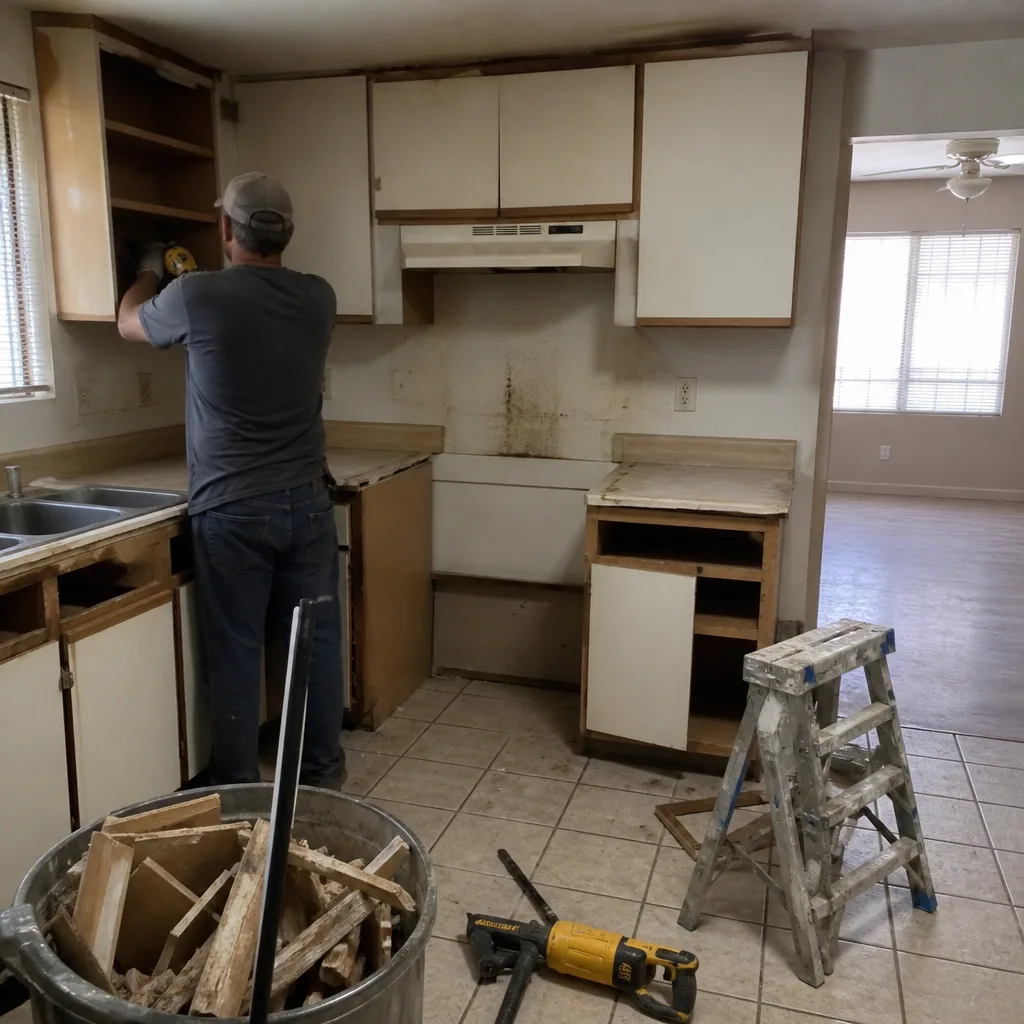 Before
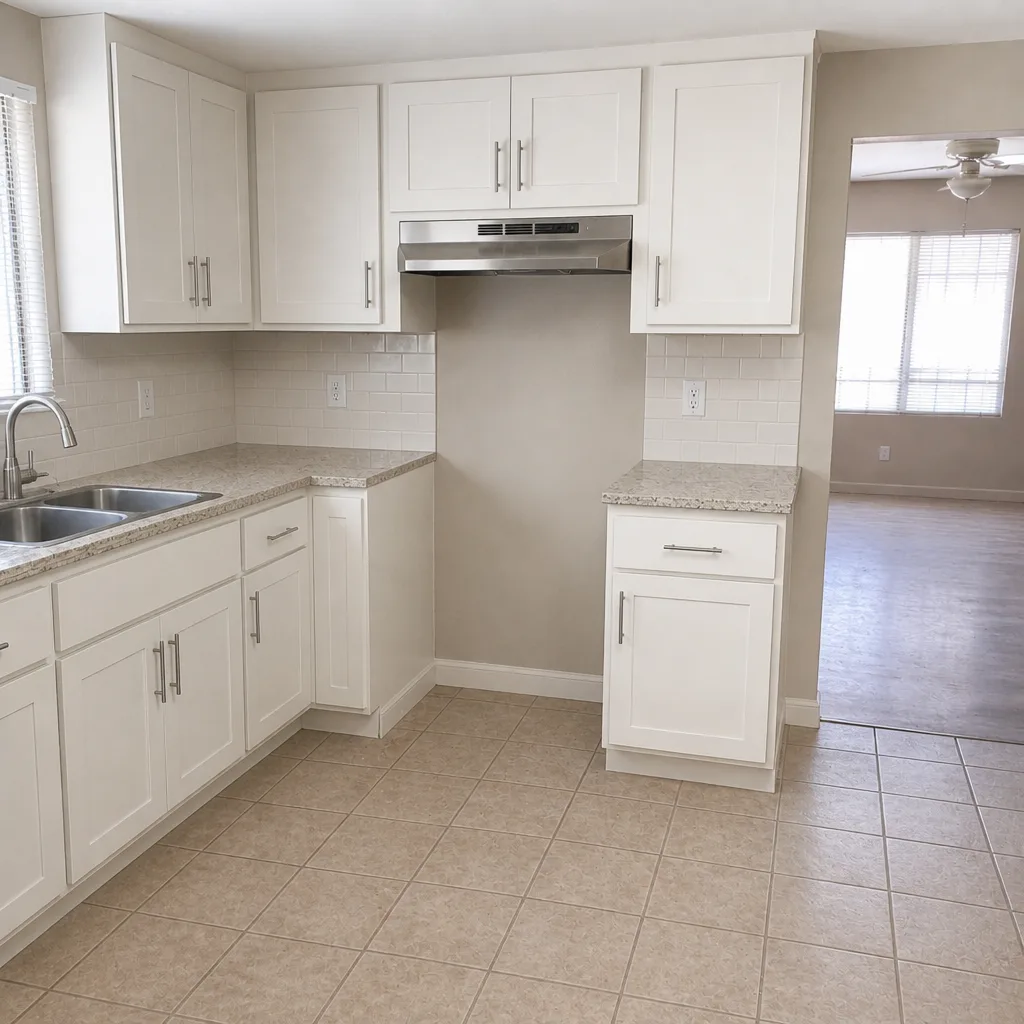 After
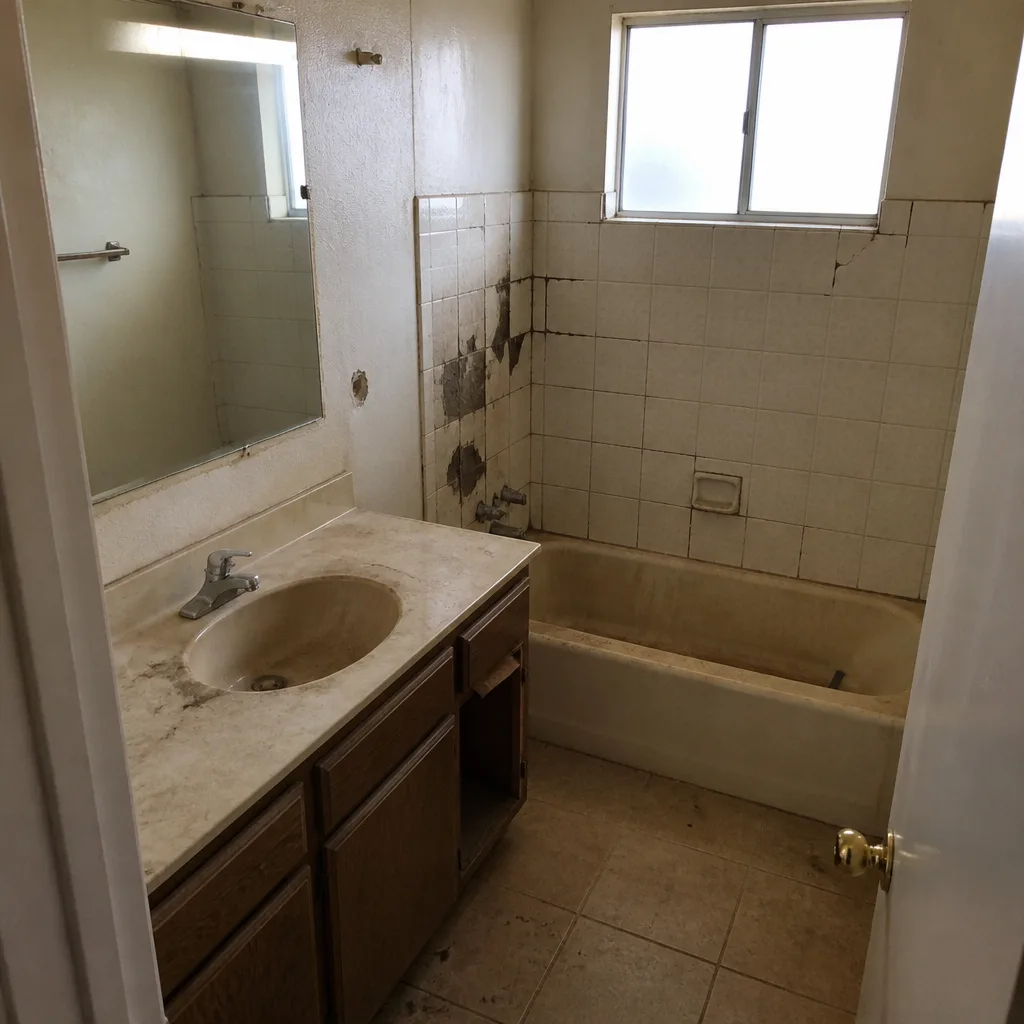 Before
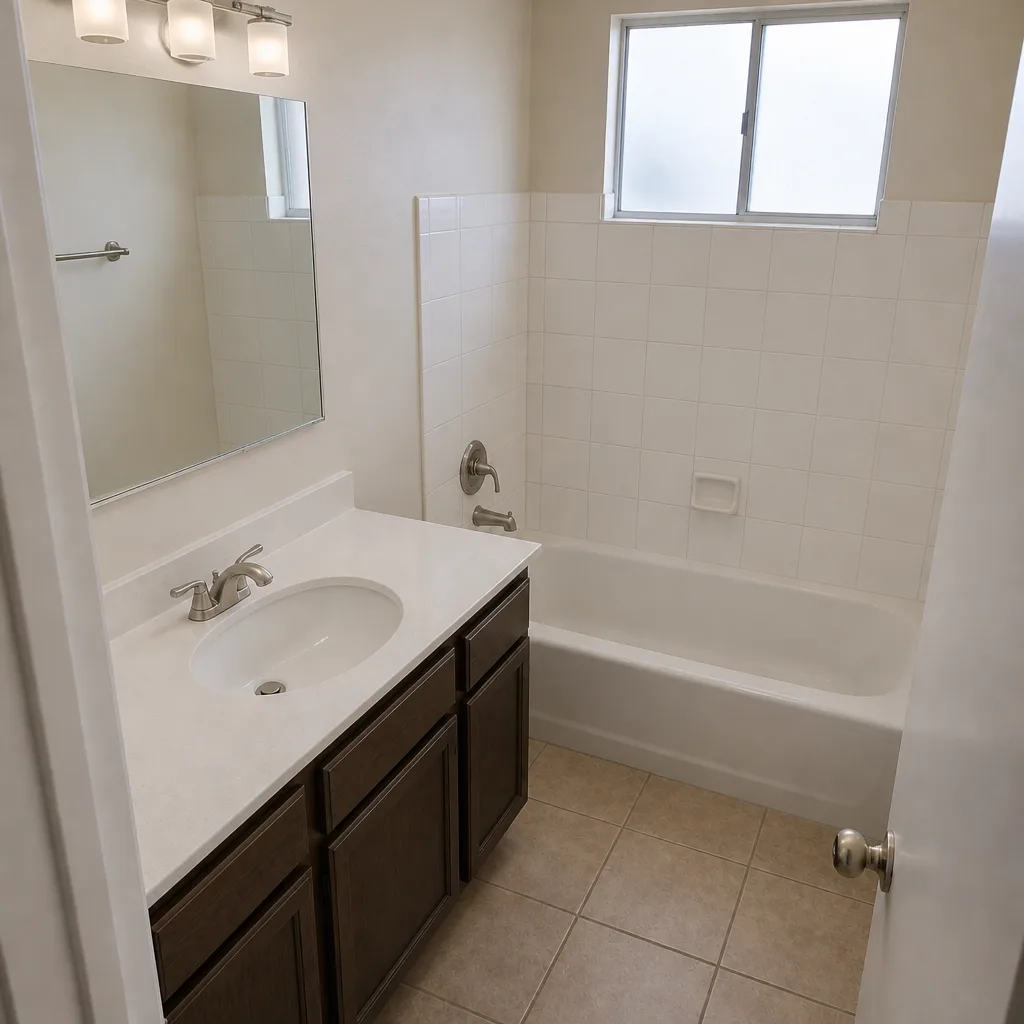 After
When to Call a Professional
Some Las Vegas construction work is genuinely dangerous for a homeowner to attempt. Any project that involves structural changes, foundation work, electrical panels, gas lines, or roof access at height should go to a licensed professional – not because you can’t learn the steps, but because the failure modes are serious and the permit and inspection process exists to catch what a weekend attempt won’t. Caliche excavation, foundation work under an addition, and any roof tear-off in the summer heat fall in that category. Beyond safety, there are projects where the paperwork itself is the barrier: permits, HOA submittals, and inspection scheduling are time-consuming and jurisdiction-specific. If you’re staring at a project that touches structure, grading, or a permit-required scope, get a professional opinion before you start. Barrett & Sons Construction Las Vegas offers free estimates in Las Vegas – call (866) 814-4155. A live person answers, and the estimate comes with a written scope.
Frequently Asked Questions
Most structural, electrical, plumbing, and grading work in Las Vegas requires a permit, and the requirement is set by your specific jurisdiction – City of Las Vegas, Clark County, Henderson, or North Las Vegas. Small cosmetic work like repainting may not require one, but anything that changes structure, adds square footage, or touches systems generally does. The safest answer is to confirm with your jurisdiction before work starts. Call (866) 814-4155 and we’ll help you sort out what your project needs – estimates are free.
Review times vary by jurisdiction and by project complexity, so there’s no single answer – a simple over-the-counter submittal can move faster than a full plan review with structural calculations. What matters is asking your jurisdiction for the current turnaround rather than assuming, and submitting your HOA application in parallel so one approval doesn’t wait on the other. Call (866) 814-4155 to talk through your project’s timeline.
Caliche is a cemented calcium-carbonate hardpan that forms under much of the Las Vegas Valley, and it’s hard enough to require heavier excavation equipment and, sometimes, chemical softening before a foundation can be dug. That adds cost and time to any foundation-dependent project, and if a contractor didn’t scope for it, you’ll see a change order. Ask how your contractor plans to handle hardpan before you sign. For a written estimate that accounts for it, call (866) 814-4155.
Yes, but it takes care – surface temperatures above 120°F cause concrete to cure too fast and crack if it isn’t handled properly, so crews pour early, use retarders, and wet-cure. The bigger risk is the late-July through September monsoon window, when sudden rain can damage a fresh pour. Scheduling flatwork outside that window is the safer bet. Call (866) 814-4155 for a free estimate that builds weather days into the schedule.
The HOA architectural review committee approves exterior changes like fences, pavers, roof materials, and colors, and it runs on a separate timeline from your municipal permit. Some committees meet monthly, so a missed meeting can cost four weeks even after your plans are stamped by the county. Submit to both at once. If you’re unsure whether your HOA has requirements, call (866) 814-4155 and we’ll walk you through it.
Ask for the license number, the business address, and a written scope with itemized allowances – then look them up yourself. A company that publishes those details and answers to a name you can verify is accountable in a way a call-center franchise isn’t. An owner-operator issues written change orders before the work changes, not after. Call (866) 814-4155 to schedule your free estimate and see the written scope for yourself.
The Bottom Line
Construction in Las Vegas is shaped by forces most national guides never mention: caliche soil that changes foundation budgets, four separate permitting jurisdictions that each run their own clock, HOAs that can stall a project even with stamped plans, and a monsoon window that makes late summer the wrong time to pour or roof. Get those four things right and the rest of the project – materials, schedule, budget – falls into line. Get them wrong and you’ll spend the difference on change orders and delays. Build with someone who knows the valley, puts the scope and allowances in writing, pulls the permits, and stands behind the work when the inspector arrives. That’s the whole playbook.
Ready to talk about your Las Vegas project? Call (866) 814-4155 for a free estimate. A live person answers 24 hours a day, seven days a week, and every eligible job comes with permits pulled, inspections signed, and the written 90-Day Done Right Promise.
Written by the team at Barrett & Sons Construction Las Vegas.