
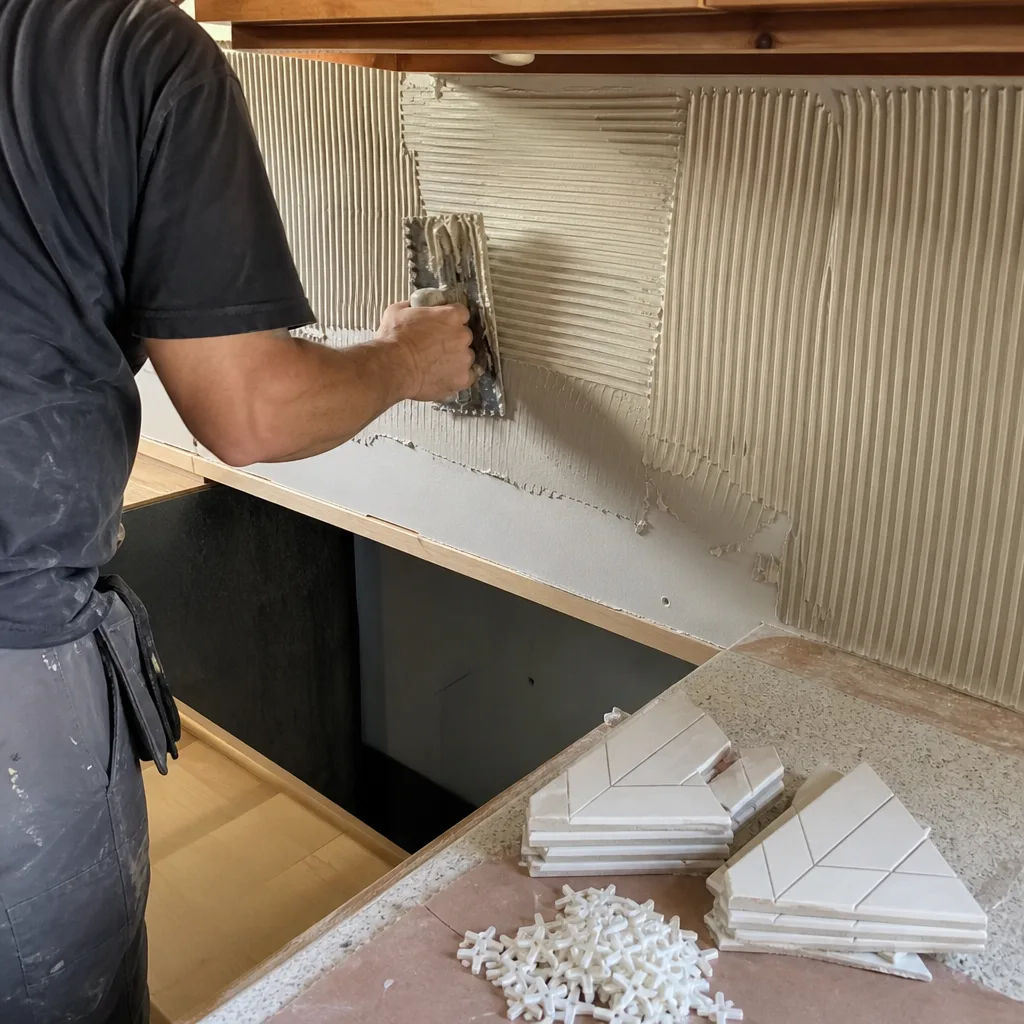
Last updated November 17, 2026
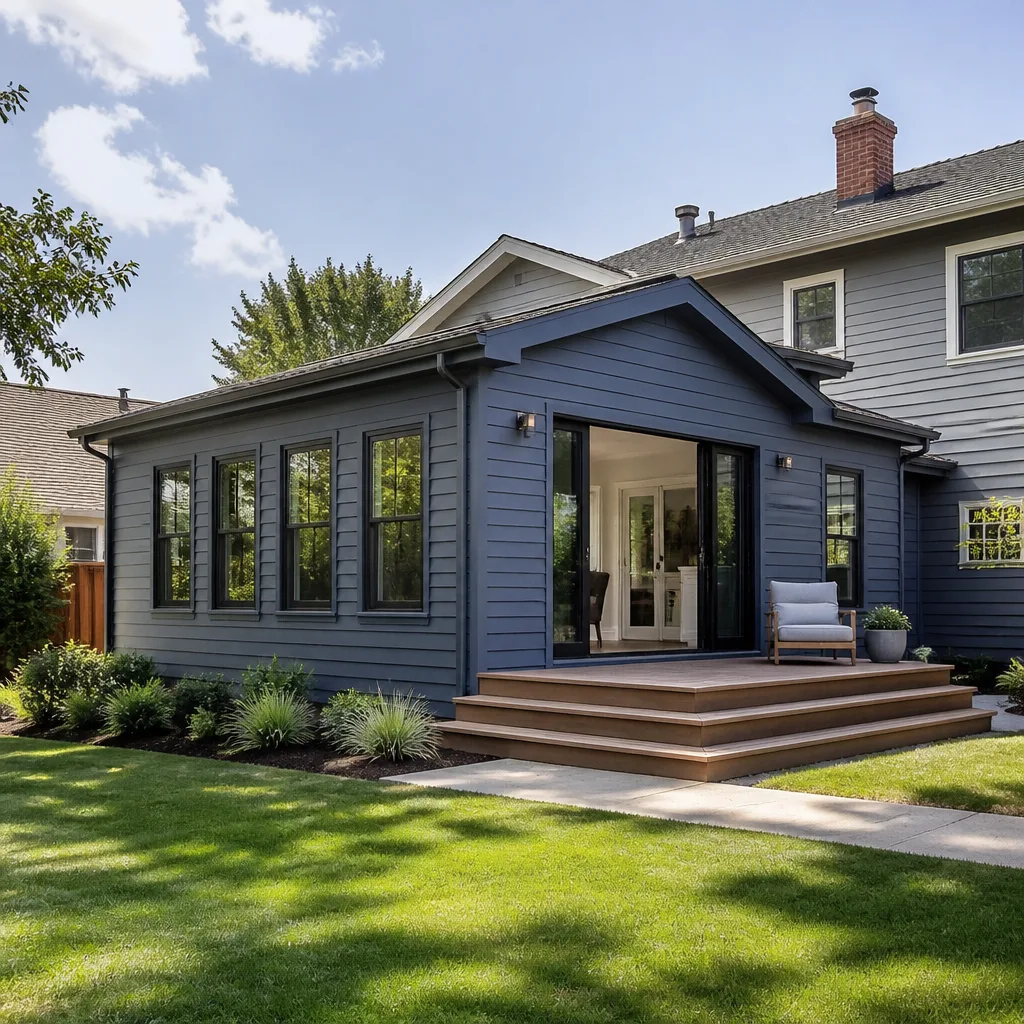 Home additions & ADU
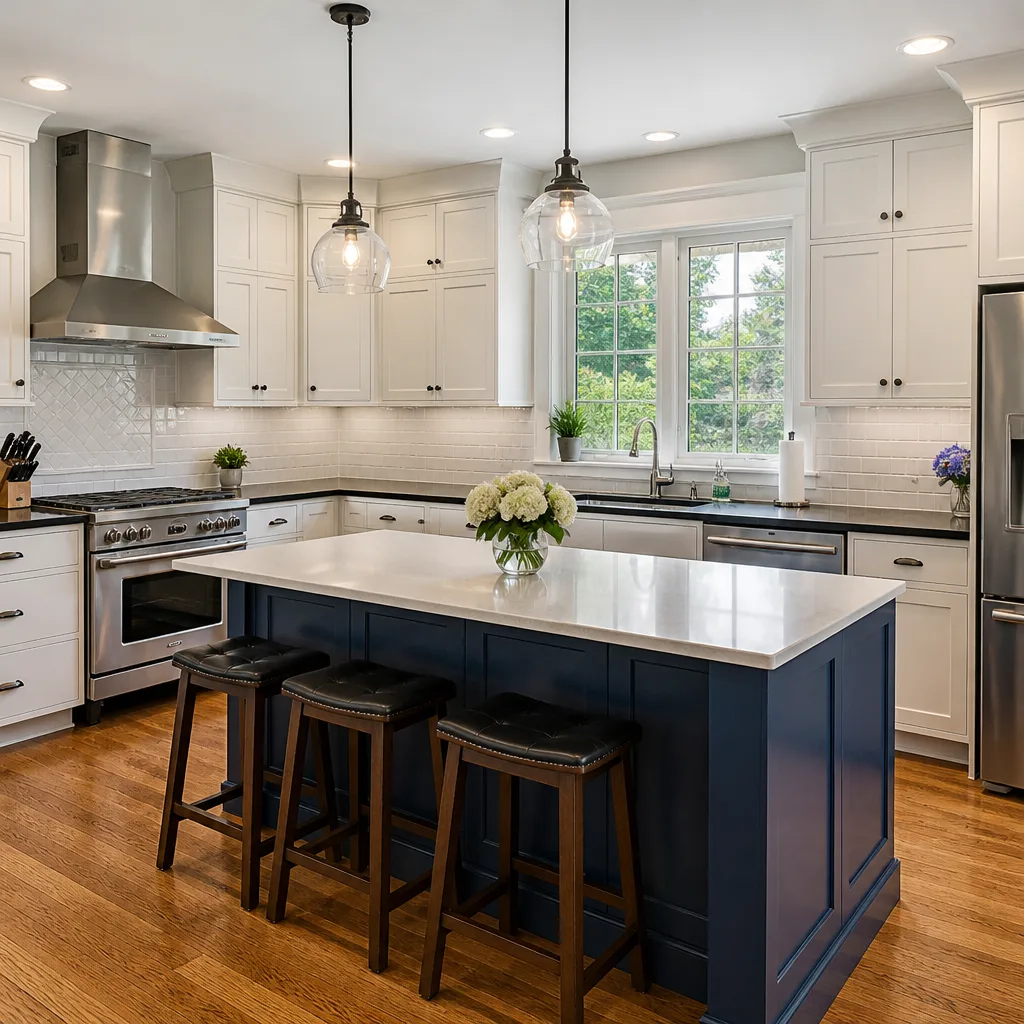 Kitchen remodeling
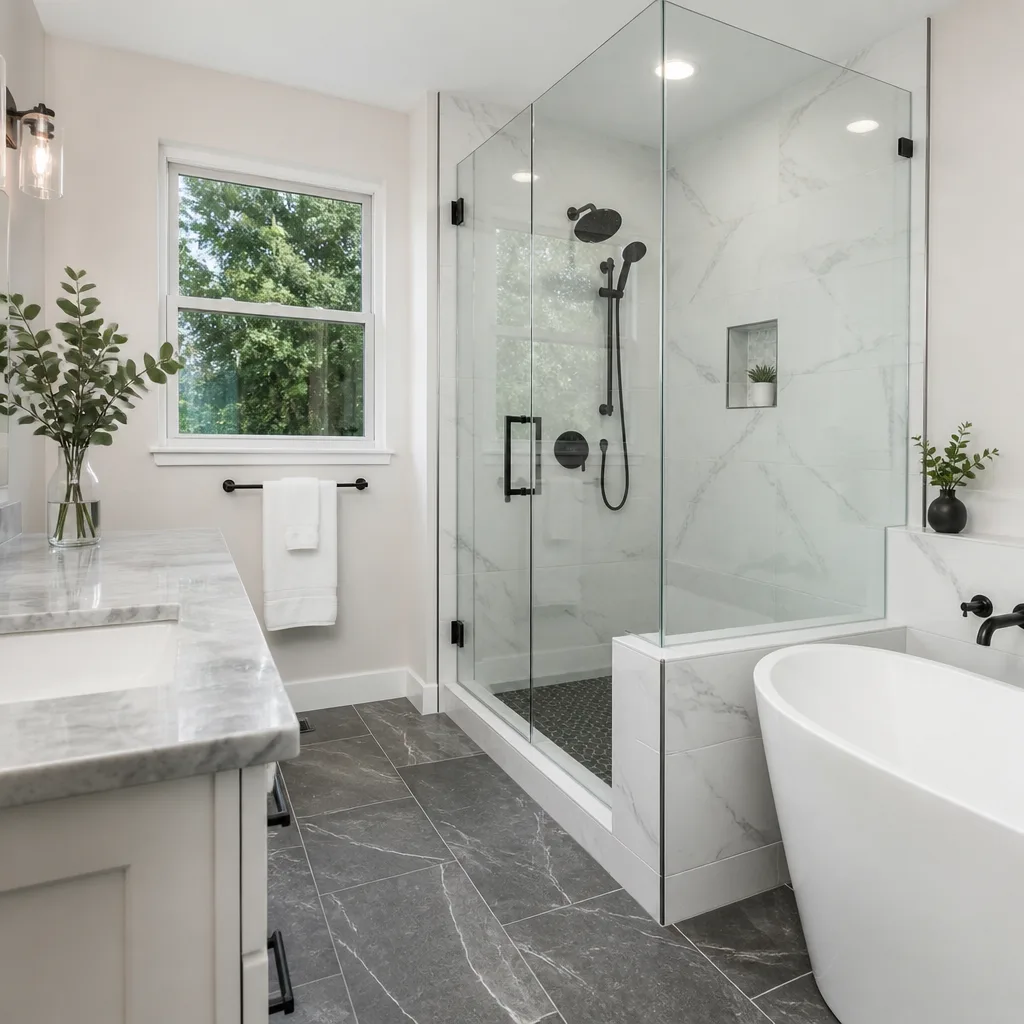 Bathroom remodeling
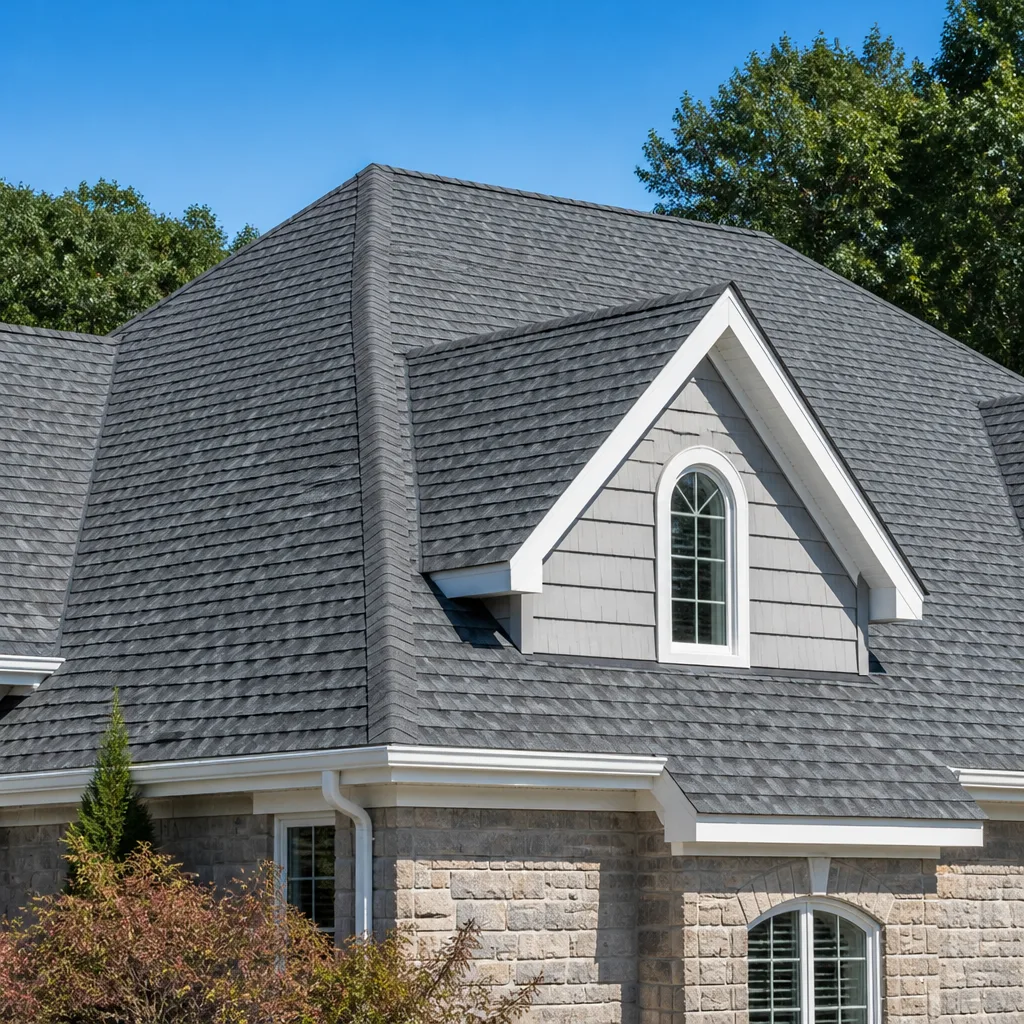 Roofing
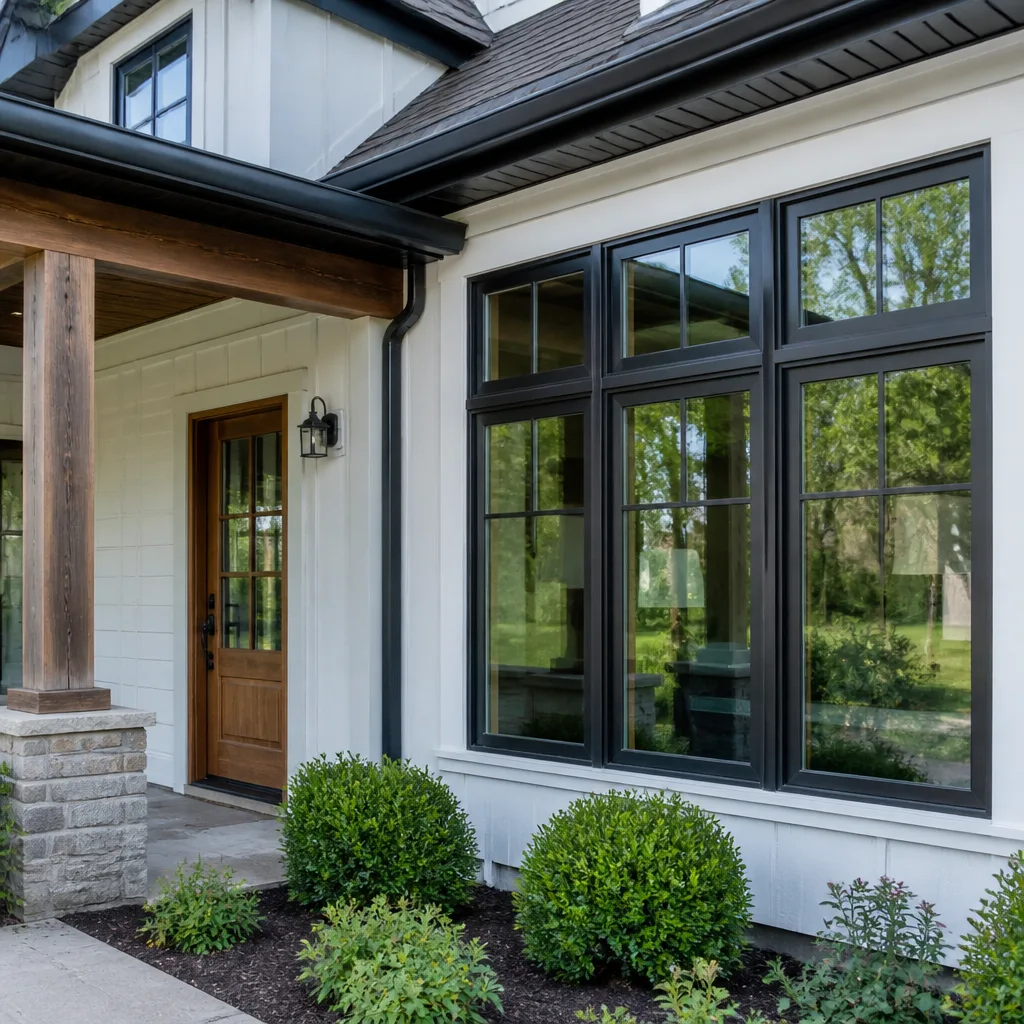 Windows & doors
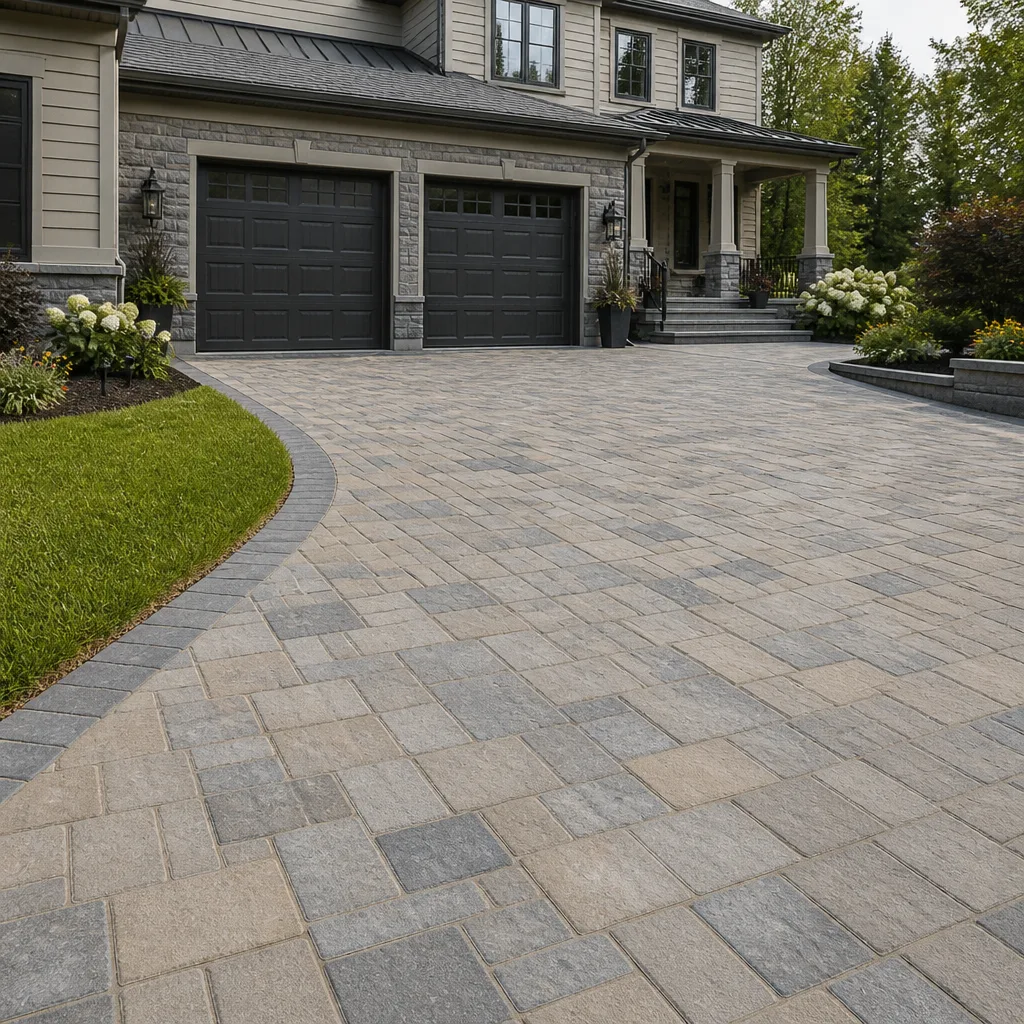 Driveway & pavers
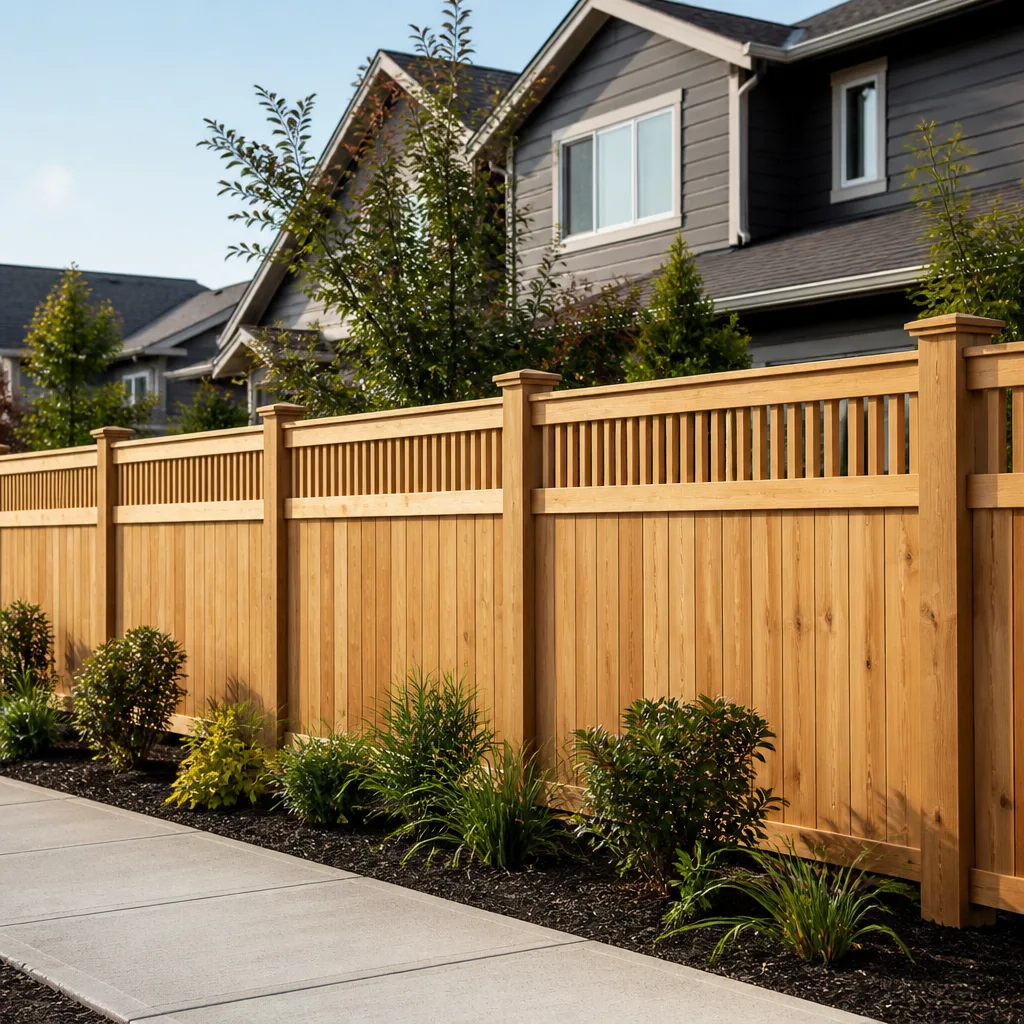 Fence
Free written scope consultation - allowances, timeline, and change-order rules on paper before a single trade is scheduled
Construction Cost Breakdown: The Las Vegas Homeowner’s Reference for 2026
Here’s the number that should give every Las Vegas homeowner pause: a national cost estimator will quote your kitchen remodel at the same price it quotes a Denver or Phoenix kitchen. That number is wrong for our city. Las Vegas pays a freight premium on nearly every material category that ships in, and in current market conditions that gap runs 8 – 14% above the national average. This guide breaks down what you’re actually paying in 2026, why, and how to read a contractor’s estimate line by line so a padded bid doesn’t get past you.
Quick Answer
Construction costs in Las Vegas in 2026 run roughly 8 – 14% above national averages, driven by freight premiums into a landlocked desert market, Clark County permit fee increases passed in late 2024, and a labor market tightened by Strip commercial construction pulling residential tradespeople. Expect kitchen remodels at $75 – $150 per square foot, room additions at $200 – $400 per square foot, and permitted project fees adding $800 – $3,500 on top of any contractor quote. The biggest variable isn’t the brand you pick. It’s whether your estimate is written clean or padded.
Styles & brands we work with
- Kitchen remodeling
- Bathroom remodeling
- Home additions & ADU
- Roofing
- Windows & doors
- Driveway & pavers
- Fence
Table of Contents
- Why Las Vegas Builds Cost More Than the National Average
- Per-Square-Foot Costs for the Five Most Common Las Vegas Projects
- The Las Vegas Labor Premium and Your Scheduling Window
- Clark County Permit and Inspection Fees: The Line Item Contractors Leave Out
- Material Cost Drivers Unique to the Desert
- How to Read a Las Vegas Contractor Estimate Line by Line
- Where Las Vegas Homeowners Actually Save Money in 2026
Why Las Vegas Builds Cost More Than the National Average
Three forces are pushing Las Vegas construction costs in 2026, and national calculators miss all three.
First, freight. Las Vegas sits in a desert basin with no nearby manufacturing base and no navigable water route. Almost every material category – lumber, cabinetry, roofing, windows, pavers – ships in by truck over long distances. Freight is not a rounding error. On a mid-range kitchen, freight alone can add $1,200 to $2,500 compared to a market near a rail hub or mill. That cost lands on your estimate whether or not the contractor names it.
Second, permits. Clark County raised permit fees in late 2024, and those increases are now showing up on 2025 and 2026 jobs. Most contractor quotes either bury permit costs in a lump sum or leave them out entirely. Either way, the homeowner is paying $800 to $3,500 on most permitted projects and often doesn’t see the line item until the job is already started.
Third, labor. The Strip’s ongoing commercial boom competes directly with residential work for the same electricians, plumbers, and finish carpenters. When a commercial contractor offers steady hours and a higher hourly rate, skilled hands follow the money. That means residential contractors in Las Vegas are scheduling tighter and paying more in 2026 than they were two years ago.
None of these forces are mysterious. They’re just rarely explained. A contractor who tells you what’s driving the number is a contractor who has actually priced the job and isn’t guessing. One who hands you a lump-sum number with no breakdown is telling you something else about how the job will go.
Per-Square-Foot Costs for the Five Most Common Las Vegas Projects
Here’s what homeowners are actually paying in the Las Vegas market in 2026. These are working ranges, not marketing numbers – they reflect low-tier, mid-tier, and high-tier finishes on typical jobs.
- Room additions (ground-up): $200 – $275/sq ft (builder-grade), $275 – $350/sq ft (mid-range), $350 – $400+/sq ft (custom finishes, complicated rooflines). A 400-square-foot addition lands somewhere between $80,000 and $160,000 depending on tier and site conditions.
- Kitchen remodels: $75 – $100/sq ft (cosmetic refresh), $100 – $125/sq ft (full mid-range with new cabinetry and countertops), $125 – $150+/sq ft (premium with island reconfiguration, new layout, high-end appliances). A typical 150-square-foot Las Vegas kitchen runs $15,000 – $22,500 at the mid-range.
- Bathroom remodels: $150 – $200/sq ft (hall bath, tub-to-shower conversion), $200 – $275/sq ft (primary bath with tile work and custom vanity), $275 – $350+/sq ft (full gut with layout change). A 60-square-foot hall bath runs $9,000 – $12,000 mid-range.
- Patio covers (attached, permitted): $45 – $70/sq ft for engineered wood or aluminum, $70 – $95/sq ft for insulated or decorative solid-roof builds. A 300-square-foot patio cover runs $13,500 – $21,000 mid-range.
- Driveway pavers: $14 – $22/sq ft installed for standard pavers, $22 – $30/sq ft for premium or large-format, plus $2 – $5/sq ft for tear-out and base prep on old concrete. A standard two-car driveway of 400 square feet runs $5,600 – $8,800 at the mid-range.
Two things drive every one of these ranges: the extent of structural change and the grade of finish. Adding a wall or moving a drain line costs real money. Swapping a light fixture doesn’t. Before you compare bids, write down exactly what’s being replaced, what’s being moved, and what’s staying put.
If you’re planning a driveway or paver project, our Driveway & Pavers in Las Vegas guide walks through base prep and material selection specific to desert soil conditions.
The Las Vegas Labor Premium and Your Scheduling Window
The single most misunderstood line on a Las Vegas contractor’s estimate is labor. Homeowners often assume the labor rate is set by the local market. It isn’t. It’s set by whatever the busiest commercial job in town is willing to pay, and right now that job is on the Strip.
Here’s what that means for your project:
- Skilled trades schedule out further. A good electrician, finish carpenter, or tile setter in Las Vegas in 2026 may be three to six weeks out on residential work. That’s not because nobody wants the job. It’s because their calendar is being filled by higher-paying commercial contracts.
- Labor rates have tracked upward. Residential labor in Las Vegas is running higher than it did in 2023 and 2024. This is not a temporary spike. It’s a structural condition of a growing metro competing with its own commercial sector.
- Scheduling windows compress. The good weather window for exterior work in Las Vegas is October through April. From June through August, daily highs regularly push past 110 degrees, and crews working exterior jobs start at dawn and stop by 1 p.m. to stay safe. A July roof install or paver project is going to take longer per square foot than the same job in November.
Our team at Barrett & Sons has up to 28 years of experience, and one of the practical things we’ve learned is that the best time to schedule an exterior project is September, before the fall rush. By the time October arrives, most Las Vegas homeowners are thinking about it at the same moment. The ones who book in August and September get the better calendar slot.
On interior projects, the timing matters less for heat but just as much for labor availability. If you want a kitchen done before the holidays, the conversation needs to happen in summer. Not because the job takes that long, but because the trades calendar in Las Vegas does.
Clark County Permit and Inspection Fees: The Line Item Contractors Leave Out
Permit and inspection fees for Clark County in 2025 and 2026 are almost never itemized on a contractor’s estimate. That’s a problem, because they add $800 to $3,500 on most permitted residential projects, and they’re often the difference between the quote you got and the bill you end up paying.
Here’s the practical breakdown of where those fees come from:
- Building permit fees: Scaled to project valuation. A small bathroom remodel permit may run a few hundred dollars; a room addition may run well over $1,000. The county set these to recover the cost of plan review and inspection, and the 2024 fee adjustments raised them meaningfully.
- Plan review fees: Additions, ADUs, and structural changes require plan review, which adds its own fee on top of the permit.
- Inspection fees: Some projects require multiple inspection visits (framing, rough-in, final). Those visits have a cost attached, and that cost is passed through.
- Engineering and soil reports: On additions and paver jobs on graded lots, a soils report may be required. That’s another line item.
- HOA approval costs: In neighborhoods across Summerlin, Green Valley, and Southern Highlands, HOA architectural review is required in addition to county permitting. Those fees are separate and are not covered by the county permit line.
Ask any contractor you’re considering: “Is the permit fee on this estimate the actual county fee, or an estimate of it?” A clean bid names the line item. A padded bid hides it. And a bid that omits it entirely is going to come back asking for the difference right when the county cashes the check.
Permits pulled and inspections signed are non-negotiable on any job we take – because the last contractor many homeowners used told them permits were optional, and that conversation gets expensive when the county or the next buyer asks for the paper trail. The permit inspector works for you, not for the contractor. That’s the point of the system.
If you’re planning a room addition or ADU, our Home Additions & ADU in Las Vegas page covers how Clark County’s ADU rules and lot coverage limits affect what you can build.
Material Cost Drivers Unique to the Desert
Las Vegas is not a forgiving climate for materials. Ninety-degree temperature swings between summer highs and winter lows stress every building product on the market, and UV exposure at our elevation is extreme. Some materials hold up and some don’t. The ones that do are often the ones that cost more on the front end, and that premium is part of the reason Las Vegas estimates run above the national average.
Here’s where the desert drives costs:
- Freight on everything. Already covered, but worth repeating: materials that ship into Las Vegas ship a long way. PGT windows, Tamko roofing shingles, and any specialty hardscape product will carry a freight component that a Phoenix or Denver homeowner doesn’t pay.
- Heat-rated roofing. Standard asphalt shingles in Las Vegas degrade faster than in cooler markets. Tamko and other manufacturers produce heat-rated products engineered for high-UV climates. These cost more per square than standard shingles, but they hold their integrity longer in real Las Vegas conditions.
- Sealants and caulkings. The variance between 110-degree summer days and 35-degree winter mornings is hard on joints. Standard sealants crack. Desert-rated sealants cost more and last longer. This matters most on windows, exterior trim, and any exterior transitions where water can get behind a seam.
- Lumber for framing and trim. Desert heat and dry air cause lumber to shrink and check. The species and moisture content of framing lumber actually matters more here than in humid climates, which is why suppliers in the Vegas market stock a narrower but tighter-selected catalog.
- Water-efficient landscape materials. If paver or hardscape work is part of your project, the Southern Nevada Water Authority’s turf-removal incentives and watering restrictions shape what materials make sense. Drought-tolerant groundcover, drip irrigation, and pavers that minimize runoff are the current standard. Boral and Belgard pavers both have lines that hold color in high-UV conditions.
None of this means every project needs the premium option. It does mean asking a contractor “What brand is this?” and “Is this rated for Las Vegas conditions?” is fair and necessary. Choose roof material the same way you’d choose a tire for a commute you make every day.
See the difference
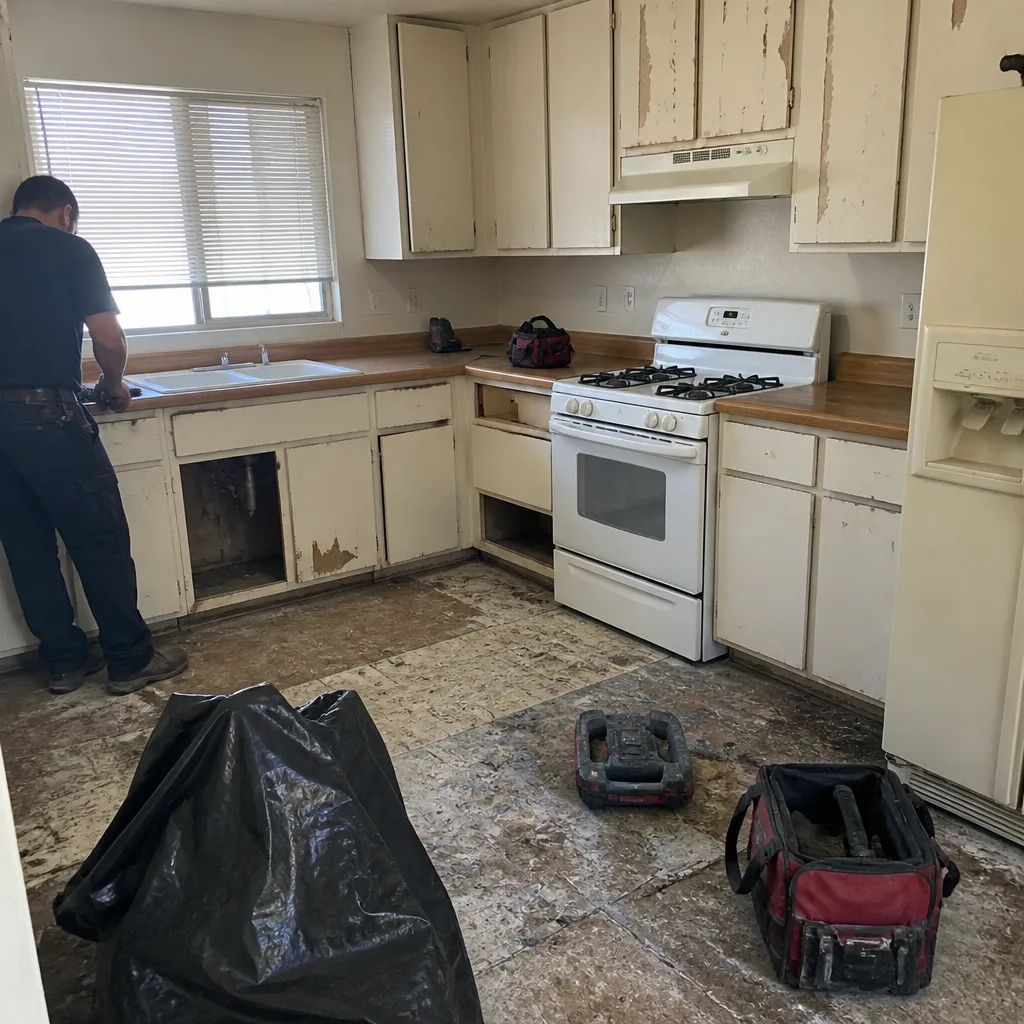 Before
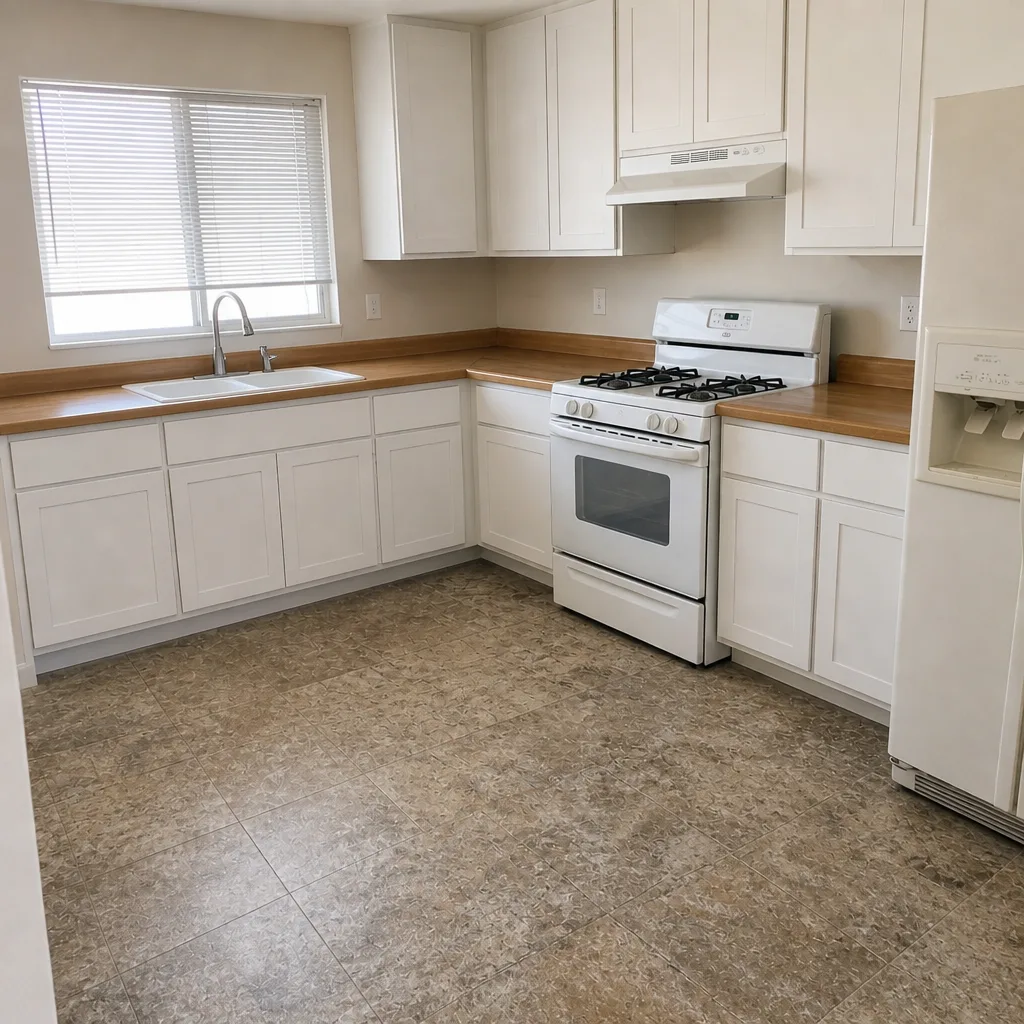 After
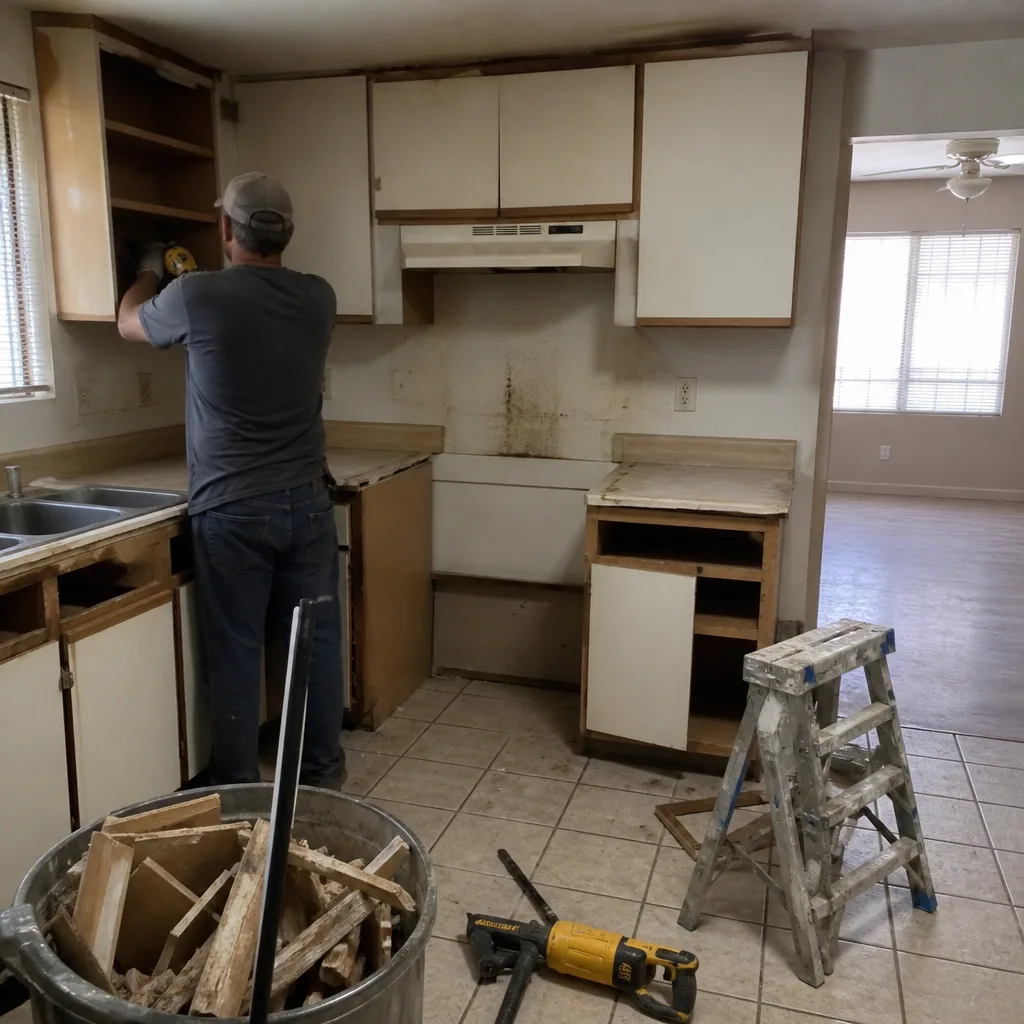 Before
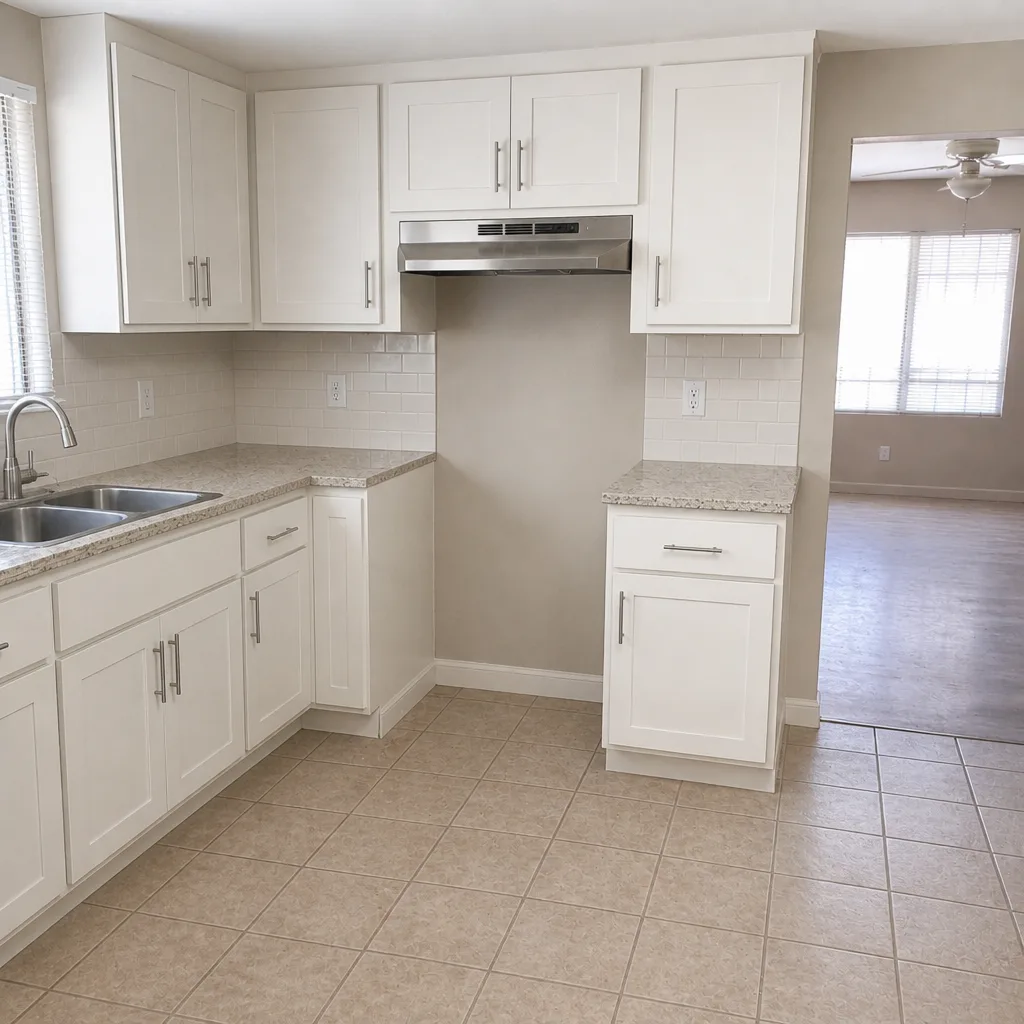 After
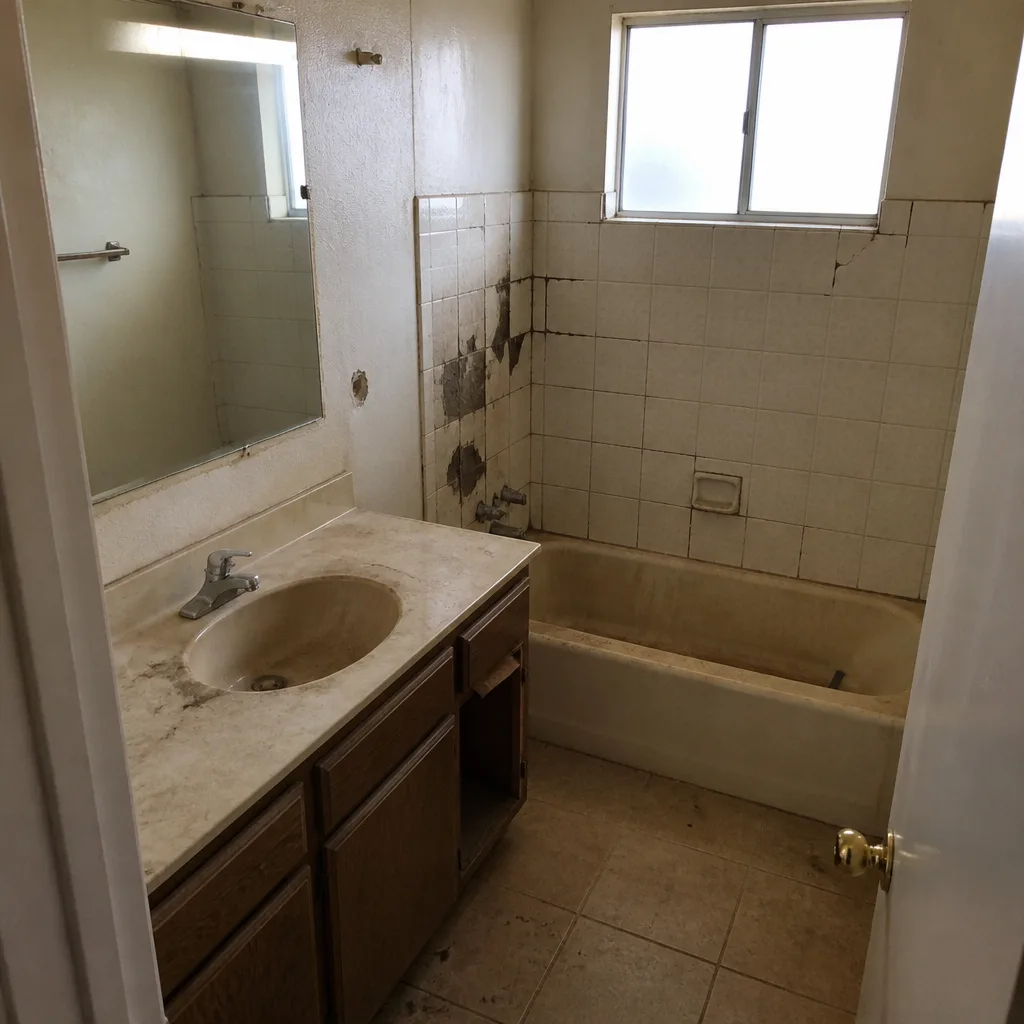 Before
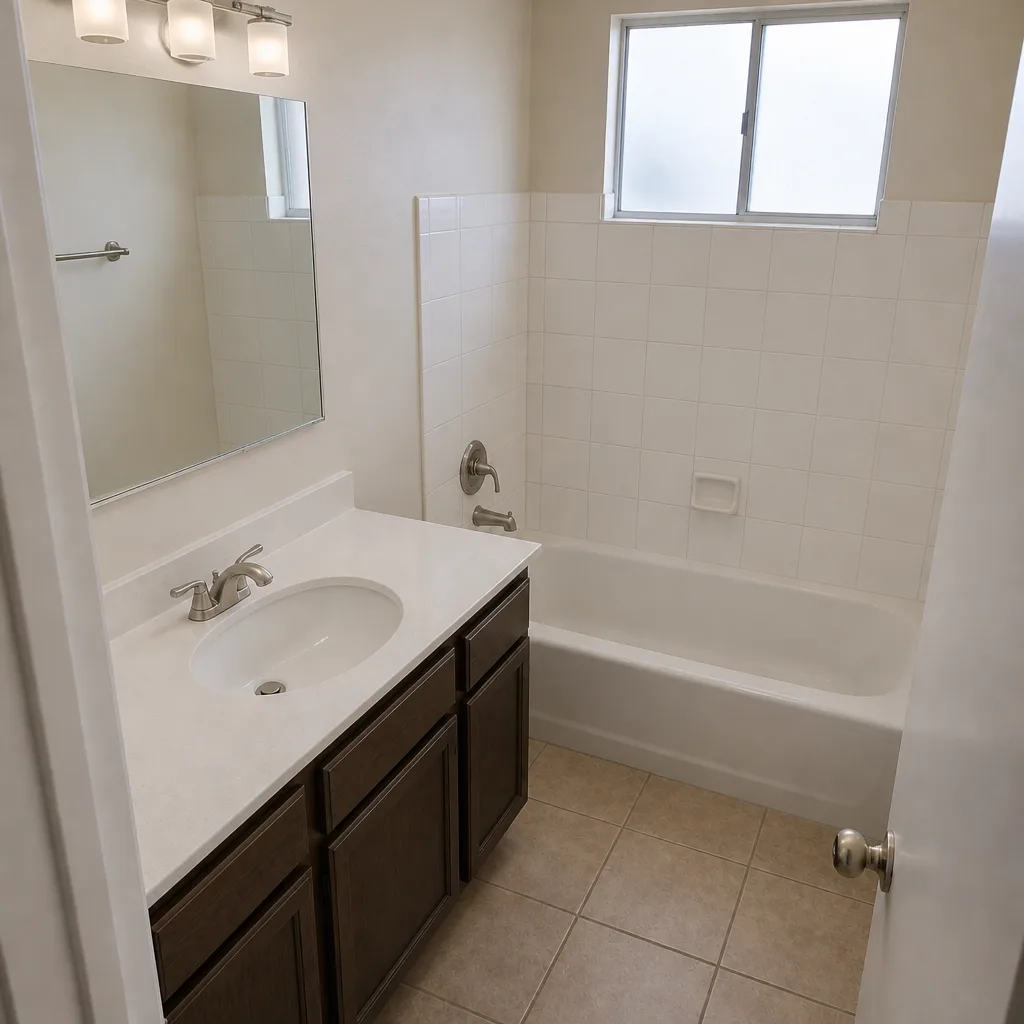 After
How to Read a Las Vegas Contractor Estimate Line by Line
Most homeowners look at the bottom line on an estimate and make a decision from there. That’s the wrong line. The final number is a result. The real information is in how the line items are written. Here are four things to look for, and what they tell you about how the job will go.
- Is the permit fee broken out or buried? A clean bid names the permit fee as its own line item. A buried permit is a buried problem. If the number changes after the county processes the application, you’ll be asked to absorb the difference without warning.
- Are allowances written with a brand and a dollar amount? “Allowance for materials: $2,500” is not an allowance. It’s a placeholder. A clean allowance says “Kitchen faucet, Moen Arbor, $425.” That prevents the “we hit the allowance cap” conversation in month two, and it means you’re not selecting from a mystery catalog.
- Are change orders described in writing, or verbally? A clean bid states that any change to scope arrives as a written change order before work proceeds. A padded bid leaves it to a phone call. The difference, as anyone who’s been burned already knows, is that written change orders keep both parties honest. Verbal changes produce invoices that arrive after the work is done, when it’s too late to negotiate.
- Is the warranty written into the contract? A clean bid has a warranty. If the contract mentions it but doesn’t name it and name its terms, it isn’t a real warranty. The 90-Day Done Right Promise we write into every Barrett & Sons contract is real because it’s in writing and names one call as the remedy. Read the warranty language, not just the price.
If a number on an estimate feels too low, don’t dismiss it and don’t accept it. Ask what’s included and what’s not. A contractor who can answer that clearly is worth the extra point or two on the bid. A contractor who gets defensive about the question isn’t going to enjoy the rest of the project.
You can also use the free second opinion offer: bring any written estimate to us and we’ll read it line by line with you, no commitment. It’s the fastest education a homeowner in Las Vegas can get on whether a bid is clean or padded.
Where Las Vegas Homeowners Actually Save Money in 2026
Not every dollar of a Las Vegas project is fixed. There are real places to save, and real places where pinching pennies costs ten times what it saves.
Where you can save:
- Off-season scheduling. Book exterior projects for fall and early spring. Not only is the crew more efficient in cooler weather, but you’re also less likely to be competing with the summer rush for calendar slots.
- Phased projects. Break a larger addition or remodel into phases so you can spread cost. A kitchen and bath done in one phase is more efficient than the same job spread over two years, but if budget is the constraint, a phased plan is better than a budget-driven decision to skip permits.
- Keep plumbing and electrical in place. Every drain line you move and every circuit you add is real time and real money. The cheapest version of any remodel keeps existing services where they sit.
- Choose your brands on the front end. Locking in KraftMaid cabinetry and Cambria countertops in writing during the planning phase means no surprises at the design meeting. The cost of a downgrade made mid-project is almost always higher than picking a tier you can afford from the start.
Where skipping costs money:
- Permits. Skip them and you inherit the risk on resale, inspections, and insurance. The paper trail is worth far more than any fee you save.
- Inefficient windows. Upgrading windows to PGT or CGI for better thermal performance pays back in summer cooling costs. In Las Vegas, this is not a small consideration.
- Cheap materials in exterior applications. Desert heat and UV exposure degrade inferior products quickly. Replacing a cheap roof in five years costs more than the better roof would have.
Common Mistakes to Avoid
- Choosing a contractor based on the phone quote. In Las Vegas in 2026, a phone quote is a rough estimate and nothing more. The real number is in the written bid. Never sign off on a project based on what someone said on a call.
- Assuming the permit fee is included when it isn’t stated. If the estimate doesn’t list the permit fee as a line item, ask directly. That conversation in the planning phase is cheaper than the invoice in month three.
- Locking in a schedule without checking the trades calendar. In Las Vegas, the best contractors schedule out further than the ones with open calendar space next week. If a bid comes back and the job can start right away, ask which tradesperson on the crew is about to be available and why.
- Skipping the HOA architectural review. In Summerlin, Green Valley, and Southern Highlands, HOA architectural review is required for most additions, patio covers, and fences. Start that process early. Approval timelines vary by community and are not tracked by the contractor.
- Accepting a verbal allowance. An allowance that isn’t on paper is a surprise waiting for a date. If the number is in writing with a brand and a product name attached, you’re protected. If it’s a dollar figure in a column, you’re not.
- Ignoring the warranty language. The warranty on the contract is the part of the bid most homeowners skip. Read it. Ours is a 90-Day Done Right Promise that names one call as the remedy, and it’s in writing, not in a brochure.
- Starting any work before reading the full contract. Read every line before signing. The phone quote is the rough number. The contract is the real number. The two should match, and if they don’t, ask why before you sign.
When to Call a Professional
Some construction work can be done yourself, and some can’t. When the scope crosses into structural changes, electrical rough-in, gas line work, or plumbing re-route, the cost of doing it wrong is far higher than the cost of doing it right. Same with roofing: any time you’re on a roof at height in Las Vegas heat, the risk of injury compounds with every hour the temperature climbs. That’s before we get to the trades calendar, permit requirements, and inspections.
There are also jobs where the specific Las Vegas code requirements catch homeowners off guard: ADU lot coverage limits, HOA architectural review, Southern Nevada Water Authority restrictions on landscape changes, and the county’s recent permit fee changes. A contractor who works here knows how those rules apply to your project. A contractor who doesn’t will find out mid-job at your expense.
Barrett & Sons Construction Las Vegas offers free estimates in Las Vegas. If you’re planning a project in 2026 and want to know what it will actually cost and why, call (866) 814-4155. We come out, we price the job in writing, and we tell you exactly what’s in the bid and what’s not. Scope in writing, allowances in writing, change orders in writing. No paperwork hand-offs to strangers.
For homeowners thinking about fencing alongside another project, our Fence Installation in Las Vegas page covers HOA review, material durability in desert conditions, and how fencing costs interact with ground prep. And for a wider view of what we build across the metro, our Barrett & Sons Construction Las Vegas home page covers all seven service lines.
Frequently Asked Questions
A mid-range Las Vegas kitchen remodel runs $100 to $125 per square foot in 2026, or roughly $15,000 to $22,500 for a standard 150-square-foot kitchen. Premium remodels with island reconfiguration and custom layout changes run $125 to $150+ per square foot. The two biggest variables are whether you’re moving plumbing or electrical and what brand tier you’re choosing for cabinets and countertops. Call (866) 814-4155 for an exact quote – estimates are free and in writing.
Three forces: freight premiums on materials shipped into a landlocked desert market, Clark County permit fee increases passed in late 2024, and a skilled labor market tightened by Strip commercial construction pulling residential tradespeople. Together these add 8 to 14% over national cost averages. A Las Vegas contractor who prices a job without naming these forces is either estimating from a national calculator or hiding the difference in the bottom line.
They should be. On most permitted Las Vegas projects, Clark County permit and inspection fees add $800 to $3,500, and those fees should appear as a named line item on the estimate. If the estimate doesn’t name the permit fee, ask why. A clean bid is a bid where every line item is accounted for. That includes the county permit, the plan review, and the HOA review if applicable.
A bathroom remodel typically runs three to five weeks; a kitchen remodel five to eight weeks; a room addition 12 to 20 weeks. The right window for exterior work is October through April, since summer heat regularly pushes above 110 and compresses daily working hours. Scheduling timelines are longer in 2026 than in prior years because of labor availability. Call (866) 814-4155 to get a realistic timeline for your specific project.
Not without a written change order. Any change to scope, materials, or timeline is documented in writing before work proceeds. That’s the standard our contracts hold to on every job, and it’s the difference between a bid that holds and a bid that grows. If your contractor won’t commit to written change orders, ask them to. If they won’t, that’s information you can use before you sign.
At minimum, ask for the brand name on every allowance line. Las Vegas homeowners considering a roof should ask about heat-rated products like Tamko. Window projects should name PGT or CGI. Kitchens should name KraftMaid and Cambria if the estimate is at that tier. Hardscape projects should name Boral or Belgard. A bid that names brands you can look up is a bid you can price-check. One that names nothing is a bid you have to take on faith.
The Bottom Line
Las Vegas construction costs in 2026 run 8 to 14% above national averages, driven by freight into a desert market, Clark County permit fee increases, and labor scarcity pulled by commercial construction. Expect room additions at $200 to $400 per square foot, kitchens at $75 to $150, bathrooms at $150 to $350, patio covers at $45 to $95, and driveway pavers at $14 to $30 depending on material. The most important defense a homeowner has is a clean, itemized bid with allowance brands, permit fees, and change-order language written in. Read every line before you sign. And if a bid feels too clean and too low, ask what’s not on it. Our technicians have up to 28 years of experience and we’re happy to be the second opinion: call (866) 814-4155 for a free, no-hassle written estimate. No trip charge inside the county, and a permanent 10% Senior & Veteran discount on every job.
Written by the team at Barrett & Sons Construction Las Vegas.