
Last updated November 17, 2026
 Fence
 Kitchen remodeling
 Bathroom remodeling
 Home additions & ADU
 Roofing
 Windows & doors
 Driveway & pavers
Free written scope consultation - allowances, timeline, and change-order rules on paper before a single trade is scheduled
DIY vs Professional Fence Installation: What’s Safe to Do Yourself
Installing a wood fence on your Las Vegas property without checking whether a permit is required first is a coin flip. Fence height, material, and location relative to easements all affect the threshold in Clark County, and an unpermitted fence in the wrong spot can mean a forced removal, not just a fine. We’ve watched homeowners spend a weekend on a back fence only to learn the setback rules put it three feet onto a neighbor’s easement. This guide draws the line honestly: which parts of a fence project are real weekend work for a careful DIYer, and which parts carry permit, structural, or HOA obligations that turn a $600 savings into a four-figure do-over in Las Vegas.
Quick Answer
You can safely install a prefabricated wood or vinyl panel fence on a flat lot yourself if it stays under the local permit height threshold, sits clear of easements and property lines you’ve verified, and your HOA has approved it in writing. You should not DIY a block wall in Clark County at any height, and you shouldn’t self-perform post setting or panel work that pulls an HOA engineering review or a permit you don’t understand. The permit itself is the line, not skill.
Styles & brands we work with
- Kitchen remodeling
- Bathroom remodeling
- Home additions & ADU
- Roofing
- Windows & doors
- Driveway & pavers
- Fence
Table of Contents
- Where the DIY-No-Permit Lane Actually Exists in Las Vegas
- Why Block Walls Aren’t a DIY Project in Clark County
- What a Capable DIYer Can Realistically Handle
- How HOA Architectural Review Timelines Affect Your Budget
- The Hybrid Approach: Split the Labor Smartly
- Las Vegas Climate, Turf, and Why Footing Depth Matters Here
- Reading Post Depth and Wind Load Without a Calculator
- Common Mistakes to Avoid
Where the DIY-No-Permit Lane Actually Exists in Las Vegas
The simplest true thing about fencing in Las Vegas is that the permit threshold depends on height and material, and it changes municipality to municipality. A standard residential privacy fence in most Clark County single-family zones commonly sits under the local regulating threshold, often somewhere around six feet. Push your fence past that ceiling, run it along a corner lot’s street side, or put it on an easement, and you walk straight into permit territory. The city of Las Vegas publishes its own fence rules that differ from unincorporated Clark County and from Henderson and North Las Vegas.
Here’s the practical test we tell homeowners to run before touching a shovel:
- Measure the exact height you plan to build, from finished grade, not from your best guess.
- Pull your plat map or property report and confirm setbacks and easements.
- Call your jurisdiction’s building department and ask the fence height and easement question directly. Get a name and a reference number.
- Compare that answer to what your HOA covenant says. The stricter rule wins.
Where all four checks clear, you have a legitimate DIY lane. Where any one check triggers a permit or a variance, the DIY math usually flips. We’ve seen a Natomas-style scenario repeated in Las Vegas’s older neighborhoods: a homeowner builds a six-foot fence into a drainage easement behind the lot line, and the water district orders it out after the first monsoon season. That’s the real risk. It’s not craftsmanship. It’s whether the fence belongs where you put it.
For a fuller picture of what a code-compliant installation looks like from start to finish, our Fence Installation in Las Vegas page walks through layout, materials, and inspection requirements in detail.
Why Block Walls Aren’t a DIY Project in Clark County
A block wall is a retaining or privacy structure with an engineering load path, and Clark County treats it accordingly. Even at a height that feels modest, a masonry wall needs a properly engineered footing, rebar tied correctly into a concrete grade beam, and a licensed mason who understands soil expansion in the Las Vegas Valley. The clay-heavy soils here swell and shrink with irrigation cycles, and a footing poured too shallow or without the right steel will crack a wall face within a season or two.
Three reasons block wall work stays out of the DIY lane:
- Structural engineering. A block wall carries lateral wind load and dead load. At heights above a small threshold, most jurisdictions require a stamped plan.
- Licensed mason requirement. Masonry work above the DIY threshold generally requires a licensed contractor, and the permit will be pulled in that license holder’s name.
- Inspection sign-off. There’s a footing inspection and often a bond beam inspection before the wall goes up. If those inspections don’t happen, the wall can fail on resale disclosure.
We’ve seen a homeowner in the northwest valley stack block on a skim-coat footing to save $2,000, then pay $9,000 two years later to tear it out after the wall leaned. That’s the kind of failure that doesn’t show up until it does. The wall is not the place to prove you can do it yourself in Las Vegas.
What a Capable DIYer Can Realistically Handle
Here’s where the honest answer lives. A prefabricated wood or vinyl panel fence on a flat lot, with no HOA engineering review, no easement conflict, and post holes you can dig to the required depth without hitting caliche, is genuinely weekend work for someone who takes their time. The panel systems sold at box stores are designed to be assembled with basic tools.
Our take on what a competent DIYer can handle:
- Setting posts to the correct depth and plumb, with proper concrete backfill.
- Installing prefabricated panels or pre-built sections.
- Running rails, hardware, gates, and caps.
- Staining or sealing a wood fence on the finish side.
What typically trips up the DIY fence in Las Vegas is the soil, not the wood. Caliche layers will stop a post hole digger cold, and a homeowner who rents the wrong auger burns a full Saturday on one hole. On a rocky lot, that single reality can double the project timeline. Know your soil going in. If you’re uncertain, dig one test hole in the planned fence line before buying a single panel.
If your fence ties into a larger hardscape or driveway project, our Driveway & Pavers in Las Vegas page covers how paver crews sequence fence posts and finish grades so you aren’t moving a finished fence a month later.
How HOA Architectural Review Timelines Affect Your Budget
HOA architectural review is the sleep-gone-until-approved part of fencing, and it costs nothing to get right early. Most Las Vegas-area HOA covenants require submission of material, color, height, and style before construction, and the review committee meets on a schedule. That’s typically 3 to 6 weeks door-to-door. Buy anything before that approval and you own the risk of a rejected submission.
A simple sequence that saves money:
- Request the HOA architectural submittal form before you shop.
- Choose your material and color from the HOA’s approved list, not from what’s on sale.
- Submit the form with samples and a site plan, and get the approval in writing.
- Only then order materials or schedule install.
We’ve seen a homeowner in Summerlin order $4,800 of a designer vinyl fence only to have the HOA reject the color. The material sat in the garage for a month. If you’re building along a shared wall or a common area, the HOA often requires submission before any panel work begins, even a small repair. Check the covenant first, every time.
The Hybrid Approach: Split the Labor Smartly
The hybrid approach is the one we recommend most often to homeowners who are handy but not interested in the permit dance. You hire a licensed contractor to pull the permit, mark the layout, set the posts, pour the footings, and pass inspection. You handle panels, hardware, finishing, and staining yourself. Done right, this can save real money and keep the permitting risk on the licensed side.
What the split looks like in practice:
- Contractor scope: permit, layout, post depth, footing, inspection sign-off, gate posts.
- Your scope: panel installation, hardware, caps, staining or sealing, gates.
- Shared scope: final grade, cleanup, and the punch list walk.
Everything above the post tops is generally fair game for the DIYer, and everything below grade touches the structural load path. That’s the clean line. We’ve walked many Las Vegas homeowners through this exact split because it eliminates the risky half of the project while keeping the satisfying half. Every scope item lands in a written change order before work begins, so you know exactly what’s yours and what’s the crew’s.
If the fence is going up alongside a new addition or an ADU, our Home Additions & ADU in Las Vegas page shows how fence layout and lot-line access get planned around the build.
Las Vegas Climate, Turf, and Why Footing Depth Matters Here
Footing depth in Las Vegas isn’t a numbers game you should guess at. Valley soils shift with irrigation and the desert’s dry cycles, and the sun and wind on an unshaded fence line load the panels all year. A post set 18 inches deep in clay might hold for a year in one lot and lean by spring in the next. That’s the part most DIY guides skip entirely.
Three climate-specific realities:
- Wind load. Spring wind gusts through the valley put real lateral pressure on a solid privacy fence. Prefabricated galvanized or IKO-branded metal systems absorb that load better than softwood posts.
- Soil movement. Clay-heavy soils swell in winter and shrink in summer. Post footings need to land below the active soil layer.
- Turf and drip lines. Irrigation runs along many fence lines and softens soil. Root systems from mature landscape trees can also shift a post over time.
We specify footing depth based on the specific lot, the fence material, and whether the fence line crosses a turf or landscape zone. A generic “dig 24 inches” rule isn’t wrong for every site, but it’s wrong for enough of them that we check site-by-site. If you’re DIYing the post work, that’s the number to get right, and it’s worth paying for a short consultation if you aren’t sure.
Reading Post Depth and Wind Load Without a Calculator
You don’t need an engineering degree to sanity-check a fence plan. You need to answer three questions about your post layout and your local wind exposure, then compare those answers to the spec sheet the panel system ships with. The spec sheet knows the manufacturer’s load rating. Your job is to make sure your footings and post spacing match it.
Ask these questions before you buy:
- What’s the panel system’s rated wind speed for the height I’m building?
- What’s the post spacing the manufacturer specifies for that rating?
- What’s the footing diameter and depth recommended for my soil type?
- Does my local jurisdiction require an engineered spec sheet at my fence height?
In our experience, the most common DIY fence failure in Las Vegas isn’t a lifted panel or a bad gate. It’s a cluster of posts set too shallow, spaced too wide, in soil that moves. The panel system worked exactly as designed. The footing didn’t. That’s why footing detail matters more than the finish in this climate. Roofing and roofing-adjacent products share the same load logic – IKO, Atlas, and Tamko shingles all publish wind ratings for the same reason fence panels do – and the manufacturer spec is the number everyone builds to.
Common Mistakes to Avoid
- Building before checking the HOA. Ordering materials before the architectural committee approves is the most expensive mistake in the book. A rejected color means the material sits in your garage.
- Skipping the easement check. A fence into a drainage easement can be forced out by the water district, and you eat the removal cost.
- Setting posts too shallow for valley soil. A post that passed in another state’s clay is not necessarily right for a south Las Vegas lot that dries hard in summer.
- Underestimating caliche. Homemade post holes through caliche can turn a weekend job into a two-weekend job. Rent the right auger or bring help.
- Using the wrong fasteners. Galvanized hardware is standard for a Las Vegas backyard where irrigation runs daily. Untreated fasteners rust at the joints.
- Forgetting a gate post is not a fence post. A swinging gate puts a different load on a post than a fixed panel. The gate post spec is separate.
- Wall self-installs. A block wall built without engineering and inspection can fail a resale disclosure. Don’t go there in Las Vegas.
See the difference
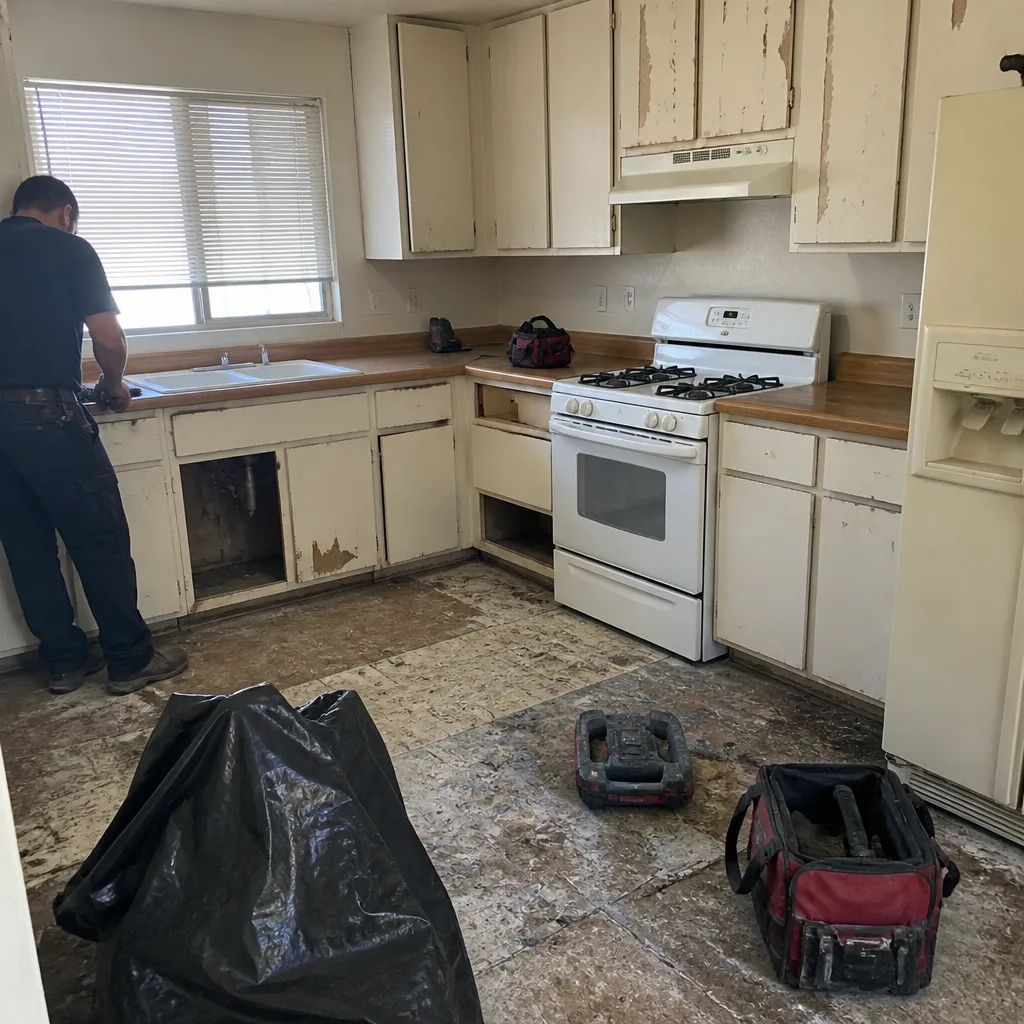 Before
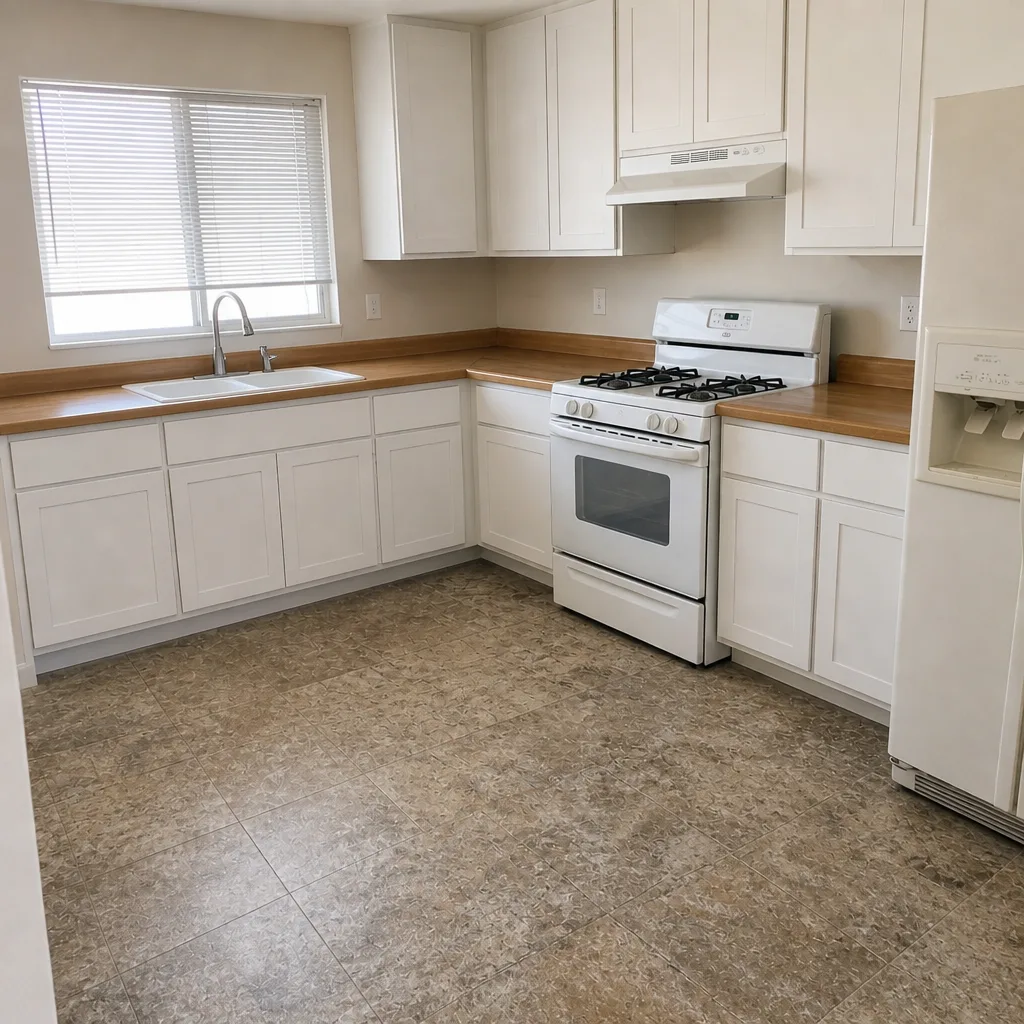 After
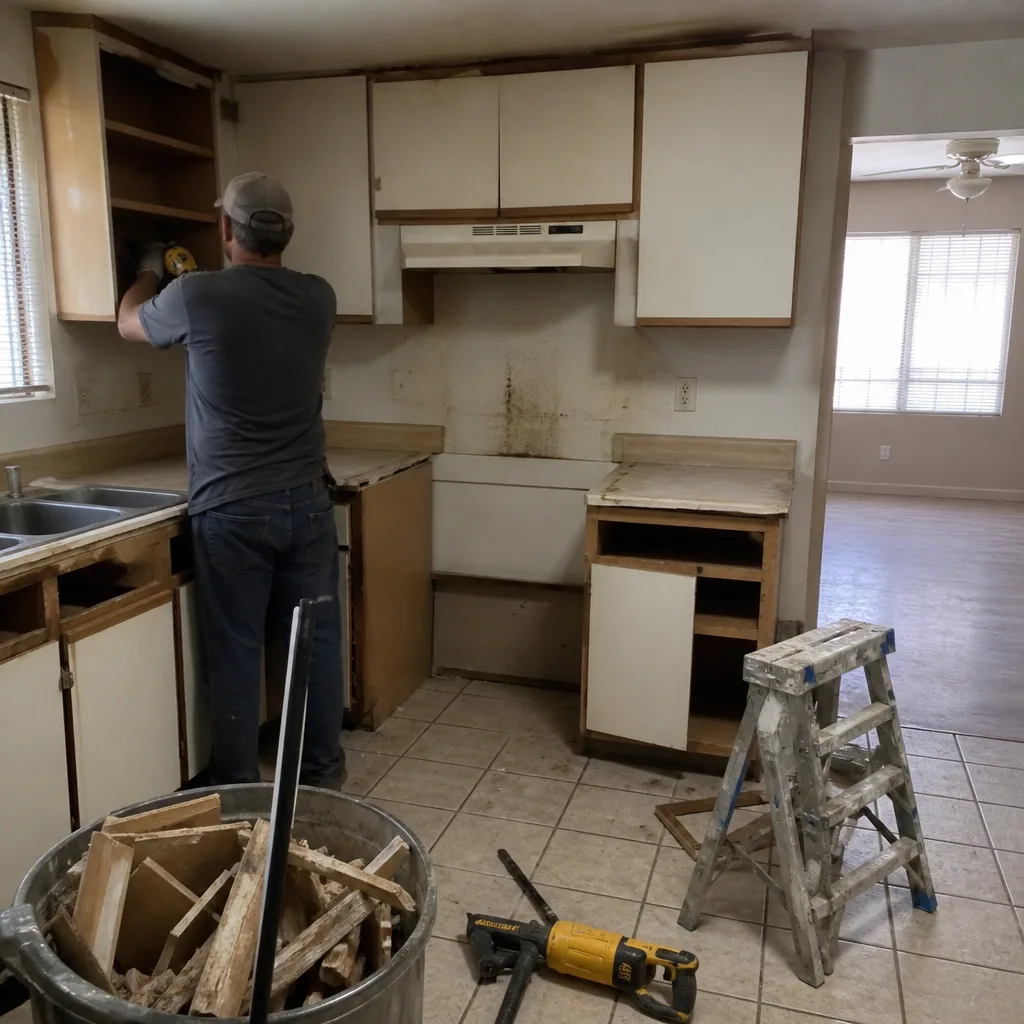 Before
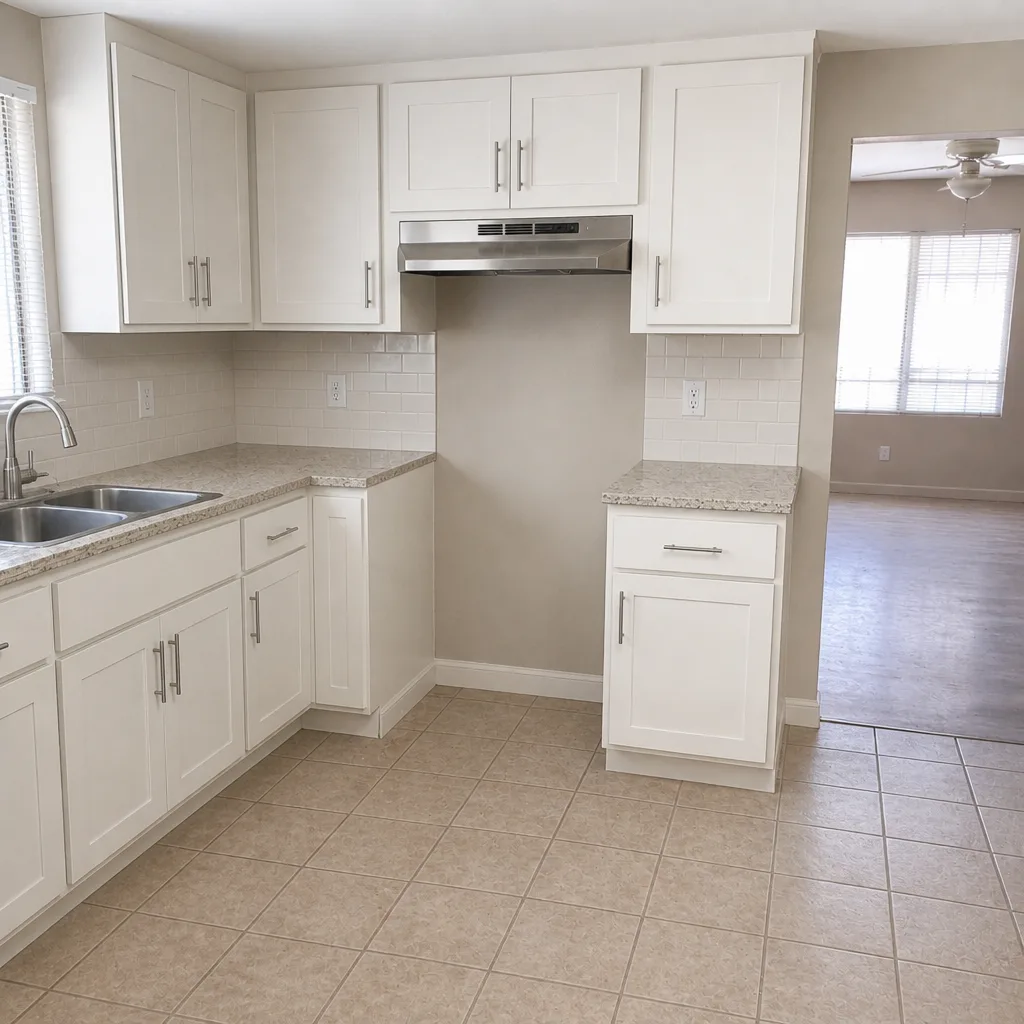 After
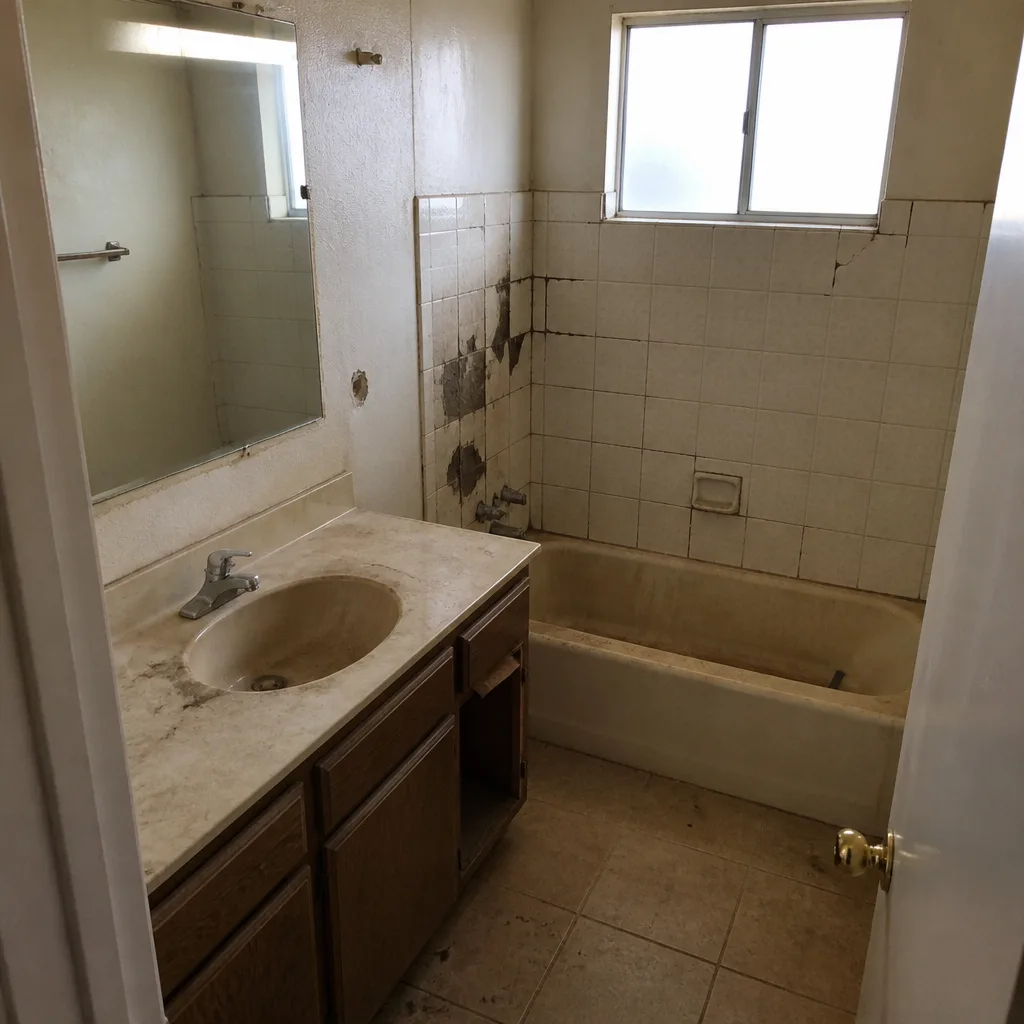 Before
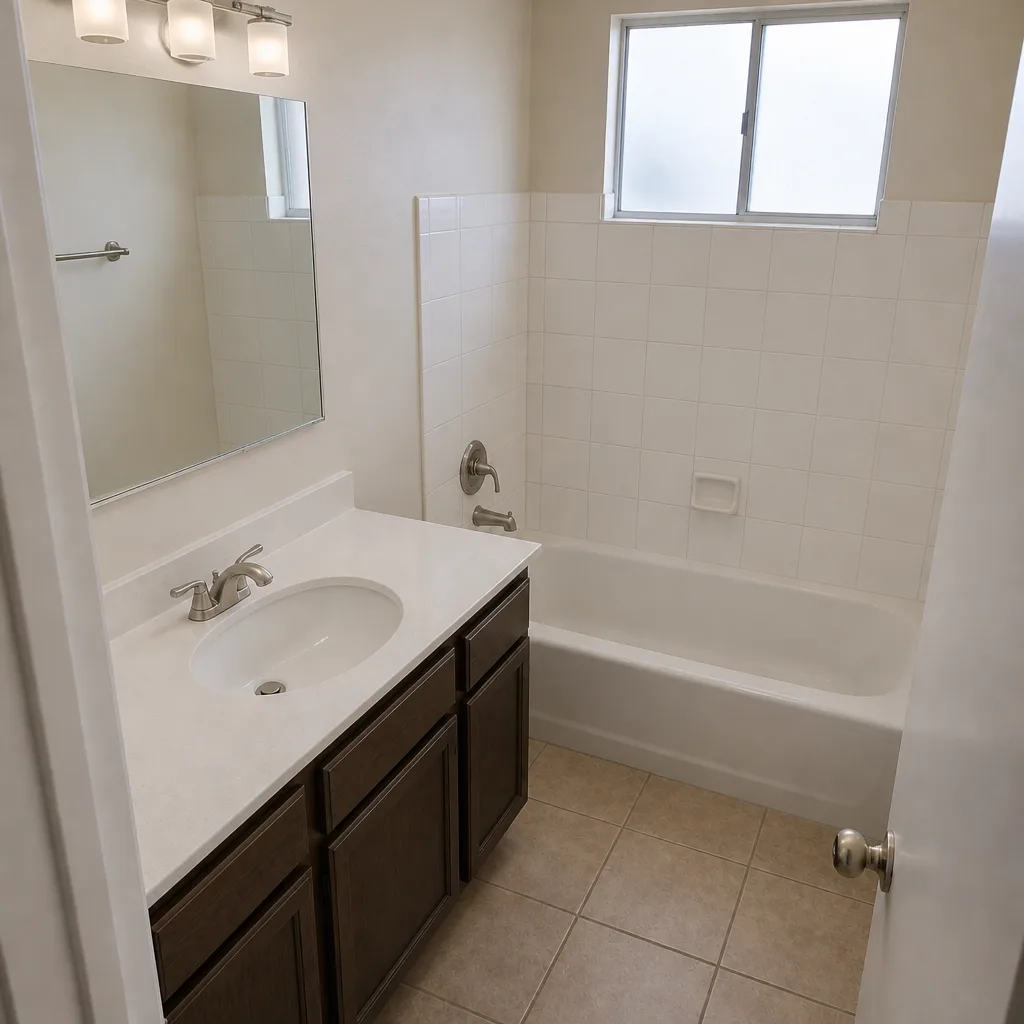 After
When to Call a Professional
Call a professional when the project involves a permit above your local height threshold, a block wall at any height, an HOA engineering review, footing work in questionable soil, or a fence line that crosses an easement or property dispute. Call when your schedule can’t absorb a failed inspection, or when the fence is part of a larger exterior project and sequencing matters. Barrett & Sons Construction Las Vegas has handled fence installations across the valley for decades, and our technicians have up to 28 years of experience with footing, permit, and inspection work. Every price change is a written change order issued before work proceeds, and we’re backed by our 90-Day Done Right Promise. Barrett & Sons Construction Las Vegas offers free estimates in Las Vegas. Call (866) 814-4155 to schedule yours.
Frequently Asked Questions
You need a permit when your fence crosses the local height threshold or sits in an easement, and the threshold differs by jurisdiction – city of Las Vegas, unincorporated Clark County, Henderson, and North Las Vegas each set their own rule. A standard residential privacy fence under the local threshold often doesn’t require one, but the answer depends on your exact address. Call (866) 814-4155 for a free estimate and we’ll walk you through what applies to your lot.
Yes, on a flat lot under the local height threshold with no HOA engineering review and clear easements, a prefabricated wood fence is genuinely weekend work. The post depth and footing are the parts to get right, especially in caliche or clay soil. If the project includes a block wall or a permit, that’s when it’s time to bring in a licensed contractor.
A block wall carries structural load and needs an engineered footing, rebar, and inspection sign-off, and Clark County generally requires a licensed mason to pull the permit and stand behind the wall. Valley soil movement makes the footing decisions site-specific. A self-installed block wall can fail on a resale disclosure or lean within two years. Call (866) 814-4155 for a free estimate on a properly engineered wall.
Most Las Vegas-area HOA architectural review committees take roughly 3 to 6 weeks from submission to written approval, depending on the meeting schedule. Submit material and color specs before ordering anything, and keep the approval in writing. If you want a contractor who knows local covenant review, call us for a free estimate.
The hybrid approach means hiring a licensed contractor for permit, layout, post setting, footings, and inspection sign-off, then handling panels and finishing yourself. It can save real labor cost while keeping the structural risk on the licensed side. Our crews have run this split many times across Las Vegas, and every scope item lands in a written change order before work begins. Call (866) 814-4155 to set up a free estimate.
In a fully contracted job, the licensed contractor pulls the permit and signs the inspections. That matters because the permit and the inspection record travel with the property. If the permit isn’t pulled, the fence can become a disclosure headache at resale. We pull every eligible permit and pass every inspection we’re responsible for. For a free second opinion on any written estimate you’ve been given, call our line.
The Bottom Line
The DIY fence question comes down to one thing: does the work touch a permit, a structural load path, or an HOA engineering review? If it doesn’t, and your lot is flat and your soil doesn’t fight you, a prefabricated wood or vinyl panel fence is real weekend work. If it does, the money you save by doing it yourself can vanish in one failed inspection or one forced removal. Block walls stay out of the DIY lane in Clark County, at any height. The hybrid approach splits the difference cleanly: contractor below grade and through inspection, you above the posts. When in doubt, get the permit question answered before you buy a single panel.
Barrett & Sons Construction Las Vegas is the owner-operated alternative for homeowners who want a name they can verify and a crew they’ll see again at the hardware store. Every eligible job comes with permits pulled, inspections signed, and written change orders before any scope change moves. Our standing offers include $40 Off Any Repair Over $200, a Free Second Opinion on Any Written Estimate, No Trip Charge Inside the County, and a permanent 10% Senior & Veteran discount. A live person answers the phone, day or night.
Ready to sort out what’s safe to DIY and what needs a licensed crew on your Las Vegas fence project? Call (866) 814-4155 for a free estimate, or start with Barrett & Sons Construction Las Vegas home to see the full scope of what we build.
Written by the team at Barrett & Sons Construction Las Vegas.