
Last updated November 17, 2026
 Home additions & ADU
 Kitchen remodeling
 Bathroom remodeling
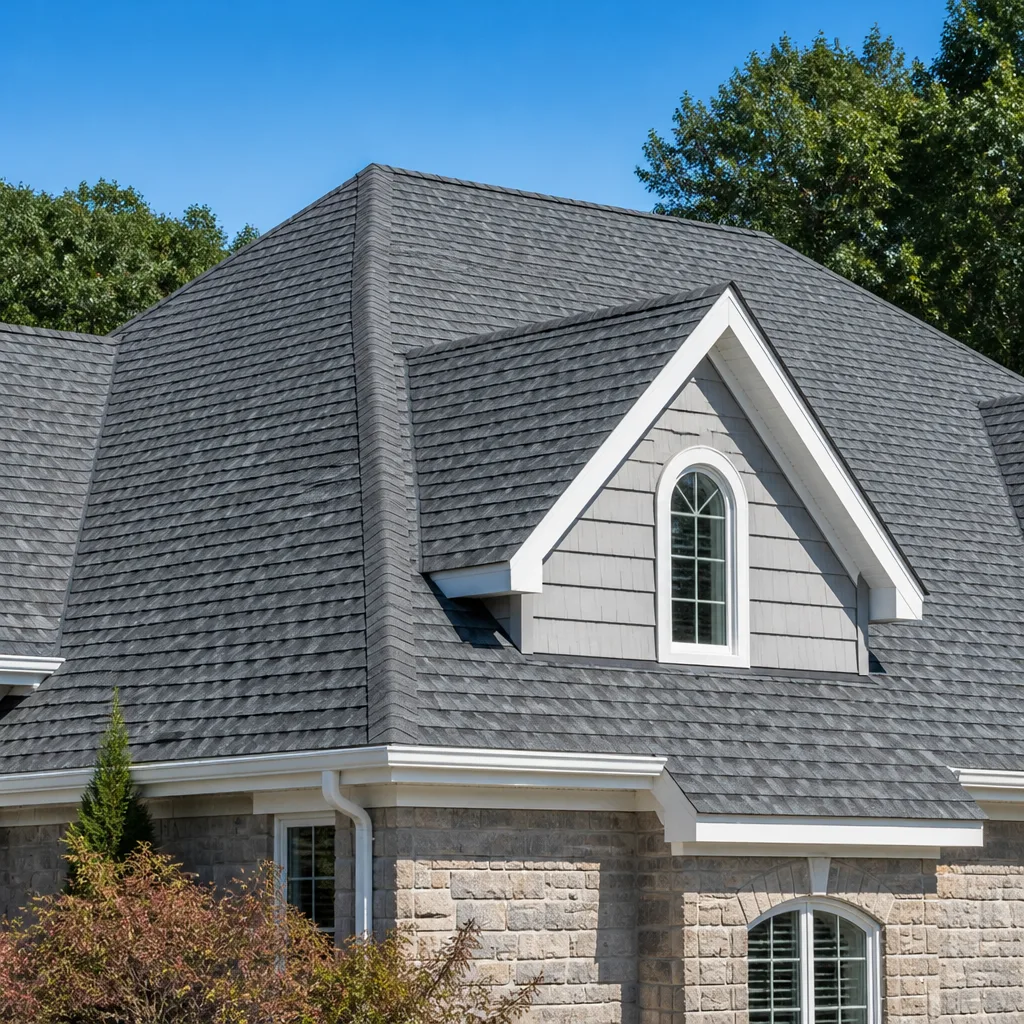 Roofing
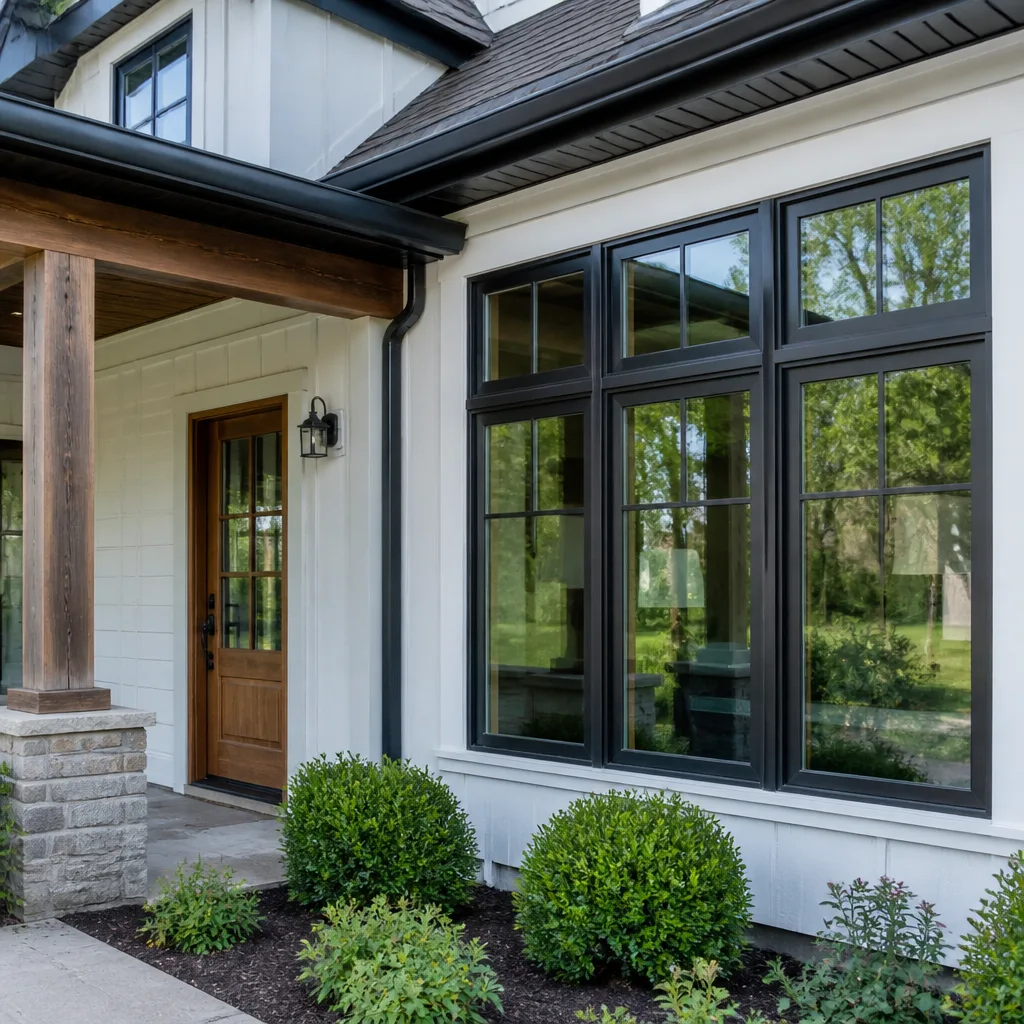 Windows & doors
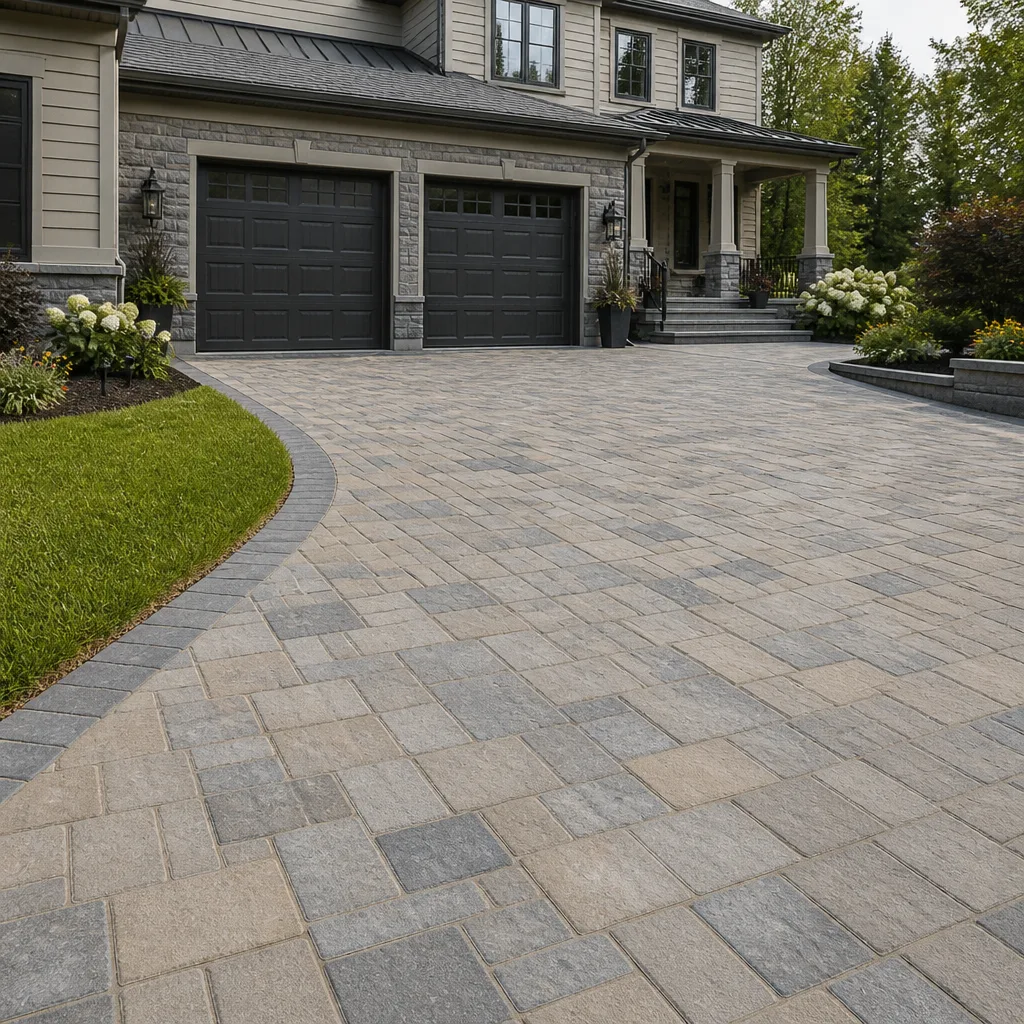 Driveway & pavers
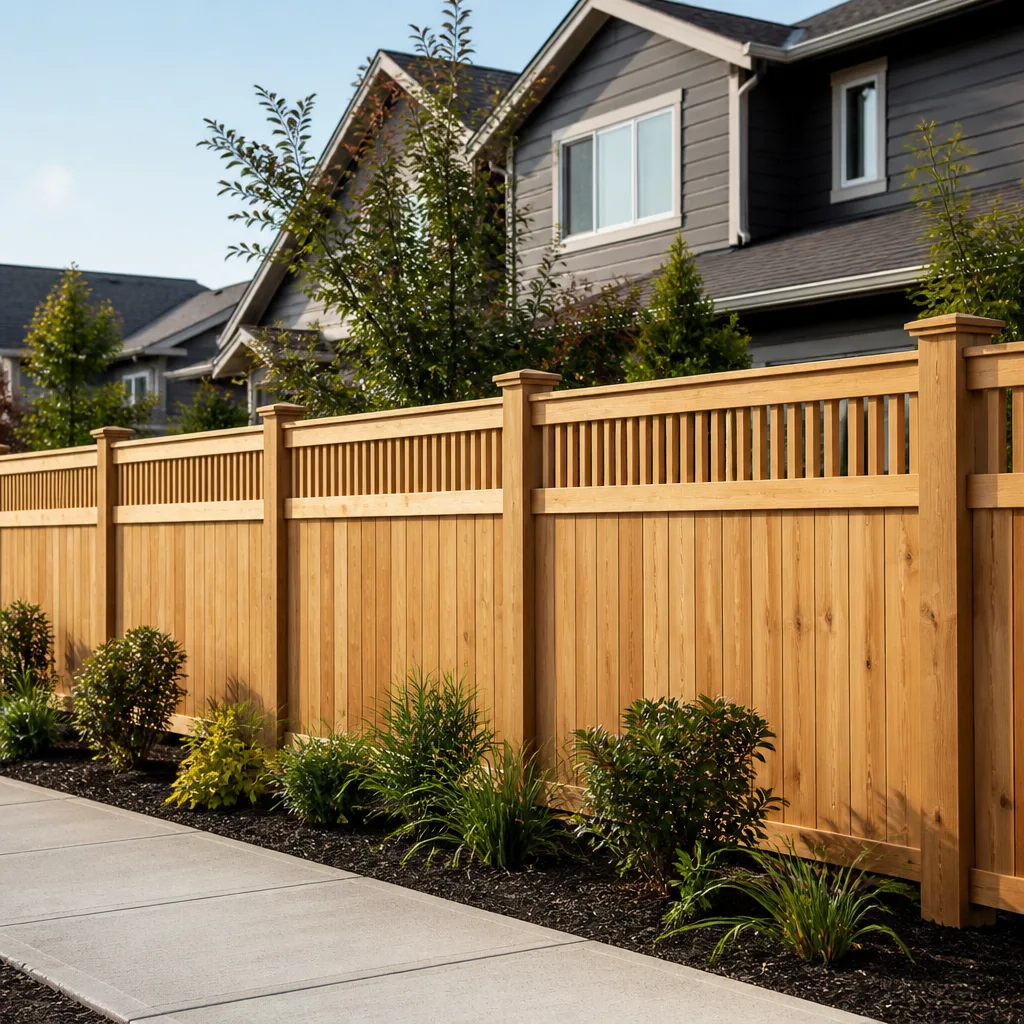 Fence
Free written scope consultation - allowances, timeline, and change-order rules on paper before a single trade is scheduled
The Complete Home Additions & ADU Guide for Las Vegas Homeowners
Nevada legalized accessory dwelling units statewide in 2021, but Clark County and the City of Las Vegas layered their own setback and utility rules on top. The ADU your neighbor built in Henderson might be illegal on your lot one zip code over. That gap between state law and local code is where most Las Vegas homeowners get stuck: they read one guide, pull one set of plans, and find out at the counter that the rules changed in 2022. This guide walks through the current Clark County, City of Las Vegas, and Henderson requirements side by side, the utility connections most cost estimates leave out, and the permit sequencing that keeps inspections from costing you twice.
Quick Answer
In Las Vegas, an attached or detached ADU is allowed on most single-family lots, but the rules that actually govern your build come from your local jurisdiction and HOA, not the state. Clark County and the City of Las Vegas both require the property owner to live on-site, cap ADU size relative to your lot, and enforce side and rear setbacks; master-planned communities like Summerlin and Southern Highlands can still block an ADU through HOA overlay rules even where the county allows it. Plan on utility work (water meter split, panel upgrade, sewer tie-in) adding real cost that most online ADU calculators ignore.
Styles & brands we work with
- Kitchen remodeling
- Bathroom remodeling
- Home additions & ADU
- Roofing
- Windows & doors
- Driveway & pavers
- Fence
Table of Contents
- Clark County vs. City of Las Vegas vs. Henderson ADU Rules
- How Las Vegas Heat Changes Your ADU Build
- Utility Connections That Rarely Show Up in Cost Estimates
- HOA Overlay Rules: Why Summerlin and Southern Highlands Can Still Block You
- Permit Sequencing: The Order That Saves You Re-Inspection Fees
- What Home Additions and ADUs Cost in Las Vegas
- Common Mistakes to Avoid
- Frequently Asked Questions
Clark County vs. City of Las Vegas vs. Henderson ADU Rules
The first thing to understand is that “Las Vegas” is not one permit authority. If your home sits inside city limits, you deal with the City of Las Vegas. If it’s in the unincorporated county (much of the valley, including Enterprise, Spring Valley, and Paradise), Clark County issues the permit. Henderson runs its own shop entirely. The state law from 2021 set the floor; each jurisdiction builds its own ceiling on top.
Here’s how the three compare on the points that matter most:
- Owner-occupancy: Both Clark County and the City of Las Vegas require the property owner to live in either the main house or the ADU. Henderson enforces the same rule. This is the requirement most out-of-state guides skip, and it’s the one that disqualifies investors planning to rent both units.
- Setbacks: Detached ADUs typically need to sit behind the rear setback line of the primary structure, with side setbacks that vary by lot width and zoning district. A standard 6,000-square-foot R-1 lot in the city has less room than a half-acre parcel in the county. This is where the “my neighbor did it” comparison breaks down.
- Maximum size: ADU square footage is capped both by an absolute number and by a percentage of the primary home. A 1,200-square-foot detached unit is often fine on a large county lot and not fine on a tight city parcel.
- Parking: One covered space is commonly required, though reduced-parking overlays near transit corridors can change that. Check your specific address before you design around a garage.
Our crews have walked lots in all three jurisdictions, and the practical advice is simple: pull your zoning and parcel report before you sketch anything. The Home Additions & ADU in Las Vegas page covers the general scope, but the setback math depends entirely on your parcel. A design that works in Henderson on a quarter acre can fail county review for a lot the same size in Spring Valley.
How Las Vegas Heat Changes Your ADU Build
An attic in Las Vegas can hit 125°F on a July afternoon while the outside air reads 108°F. That’s not a comfort issue, it’s a design input. Standard insulation packages sized for Phoenix or Riverside fall short here because the temperature swing between day and night is wider, and the attic acts as a radiant oven that pushes heat down into the living space for hours after sunset. An ADU built with a national builder’s off-the-shelf spec will run its AC almost continuously from June through September.
Three things change when you build for Las Vegas heat:
- Attic insulation thickness. R-38 is a common national baseline. Around Las Vegas, R-49 to R-60 in the attic is the wiser target, especially for a detached ADU with a low-slope roof and limited venting.
- HVAC sizing. A manual J load calculation run for a 100°F design day is not the same as one run for 95°F. Undersized units never catch up in August; oversized units short-cycle and fail early. Get the load calc done for the actual Las Vegas design temperature, not a national default.
- Roof and window spec. Radiant barriers, cool-roof shingles, and low-E windows pay for themselves in an ADU faster than in a primary home because the unit is often smaller and the cooling load is proportionally higher.
We install Andersen and Marvin windows on the ADU and addition work we take on, and the glass package matters more here than most homeowners expect. A neighbor in Green Valley with a west-facing ADU built without low-E glass will tell you the afternoon sun through a single-pane slider makes the unit unusable until 8 p.m.
Utility Connections That Rarely Show Up in Cost Estimates
Online ADU cost calculators love a single line item called “utilities.” In Las Vegas, that line hides three separate projects, each with its own permit and its own inspector.
Water meter split. A detached ADU with its own kitchen and bath typically needs a separate water meter or a submeter arrangement approved by the water authority. Digging and tapping a new service line is a real cost that doesn’t appear in a per-square-foot estimate.
Electrical panel upgrade. A 200-amp panel is often the practical minimum once you add an ADU’s range, dryer, AC, and water heater. Older Las Vegas homes from the 1970s and 1980s frequently carry 100-amp service. Upgrading the panel plus running a new service feed to the ADU can run into the thousands before a single outlet is installed.
Sewer tie-in. If your lot has a septic system, adding an ADU may trigger a septic evaluation or full replacement. On public sewer, the tie-in requires its own inspection and often a separate tap fee.
These three items are precisely why our written estimates break the utility scope into separate line items with the fee already quoted. Scope in writing, allowances in writing, change orders in writing. An allowance that isn’t on paper is a surprise waiting for a date, and that date is usually the week before inspection.
HOA Overlay Rules: Why Summerlin and Southern Highlands Can Still Block You
Clark County can approve your ADU and your HOA can still say no. That’s the rule most guides never mention. Summerlin, Southern Highlands, and a long list of master-planned communities in the Las Vegas valley carry architectural review committees with their own rules on secondary structures, roof materials, paint colors, and visibility from the street. Some prohibit detached ADUs outright in their CC&Rs; others allow them only if they match the primary home’s architecture and roofline.
Before you spend a dollar on design work, do two things:
- Pull your CC&Rs and search for “accessory,” “secondary dwelling,” or “guest house.” If the language is ambiguous, request a written pre-application from the architectural review committee.
- Ask the county or city permit counter whether your address has any recorded deed restrictions on additional dwelling units.
A homeowner in Southern Highlands once told us their HOA approved an ADU in six weeks; a neighbor two streets over waited five months because their committee wanted revised elevations twice. The wait wasn’t the county’s fault. Two identical county-approved ADUs, two totally different timelines, because the HOA overlay ran on a different clock.
Permit Sequencing: The Order That Saves You Re-Inspection Fees
Permit inspections in Las Vegas follow a fixed sequence, and the trades have to line up in the right order or the inspector will fail the work and charge you for the return trip. A re-inspection fee is small, but the delay it causes to the trades waiting behind it is not.
Here’s the order our crews run on an addition or ADU:
- Foundation. Footings, rebar, and slab inspection before any concrete pours. Miss this and the whole structure has to come back up.
- Framing. Once walls are up and the roof is sheathed, the framing inspection confirms stud spacing, header sizing, and shear nailing before any insulation goes in.
- Rough-in trades. Electrical, plumbing, and HVAC rough-in all inspected together or in sequence before the walls close. This is the single inspection most likely to fail if the trades aren’t coordinated.
- Insulation. The insulation inspection confirms R-value and installation before drywall. Las Vegas inspectors check attic depth with a ruler, not a glance.
- Drywall and final. Once drywall is up, the final inspection walks the electrical, plumbing, and structural together with the certificate of occupancy.
The permit inspector works for you, not for us – that’s why we like him. Every eligible job we take on gets permits pulled and inspections signed, and the sequencing is part of the schedule from day one.
What Home Additions and ADUs Cost in Las Vegas
Costs vary with lot conditions, finish level, and utility scope, but here’s the range a Las Vegas homeowner should plan around. Treat these as planning figures, not quotes; the written estimate is the number that matters.
- Attached room addition (primary home): typically runs $250-$400 per square foot depending on finish level and whether utilities are extended from the existing panel.
- Detached ADU, full kitchen and bath: roughly $300-$500 per square foot, with the higher end driven by separate utility service.
- Utility scope (water meter split, panel upgrade, sewer tie-in): often $10,000-$30,000 on its own, quoted as separate line items.
- Design and permit: plan set plus permit fees commonly run into the several thousands, before construction starts.
Every price change on a Barrett & Sons job arrives as a written change order before work happens, and every completed job is backed by the 90-Day Done Right Promise. If something isn’t right, one call brings us back. For a broader look at how we price remodels generally, the Barrett & Sons Construction Las Vegas home page lays out the standards, and our Driveway & Pavers in Las Vegas work is a useful comparison for how hardscape scope gets quoted separately from the structure itself.
See the difference
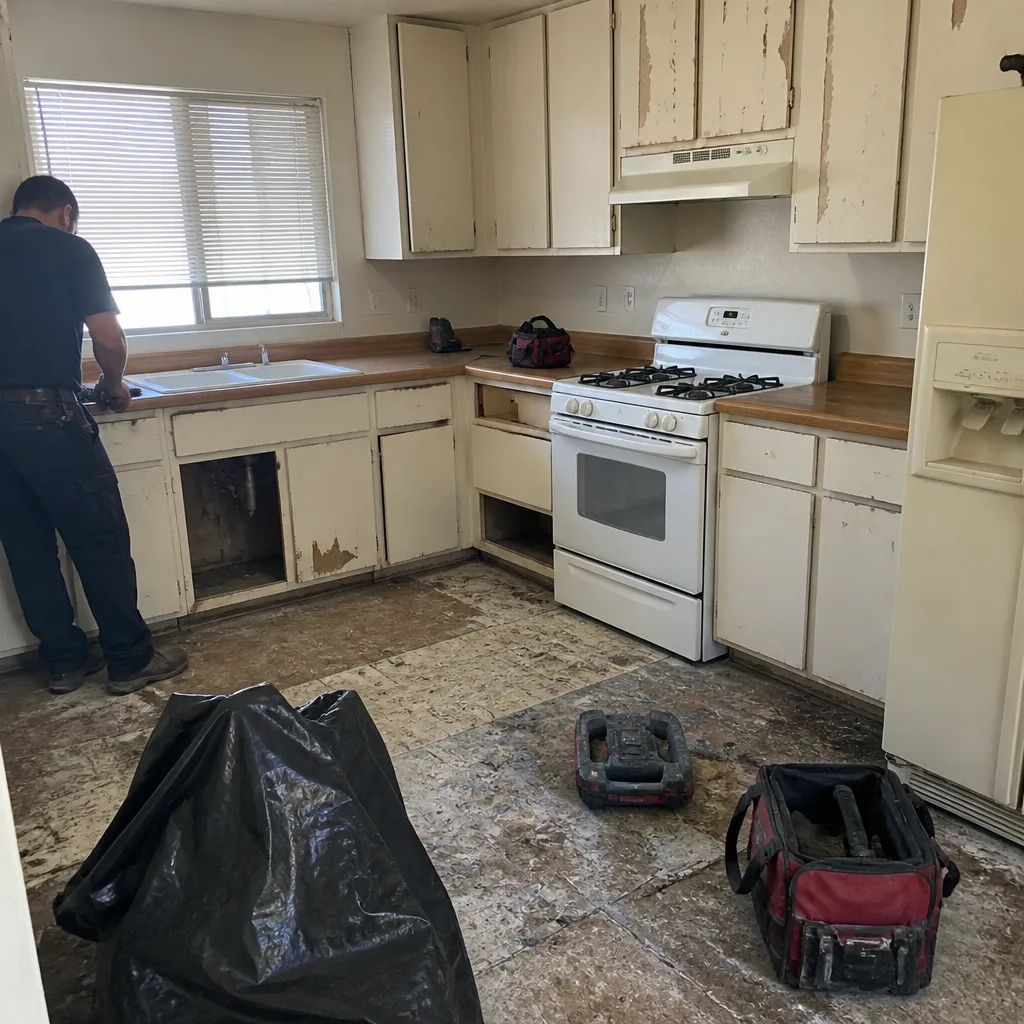 Before
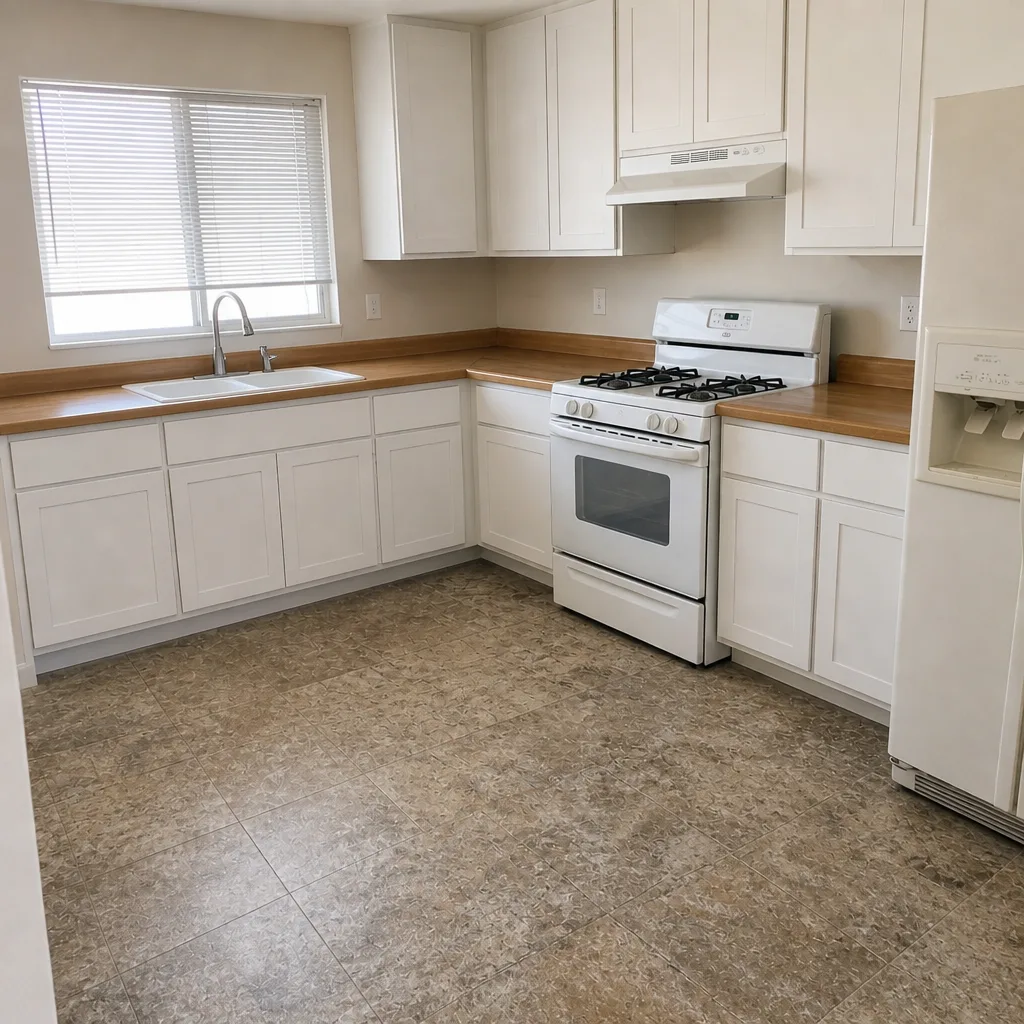 After
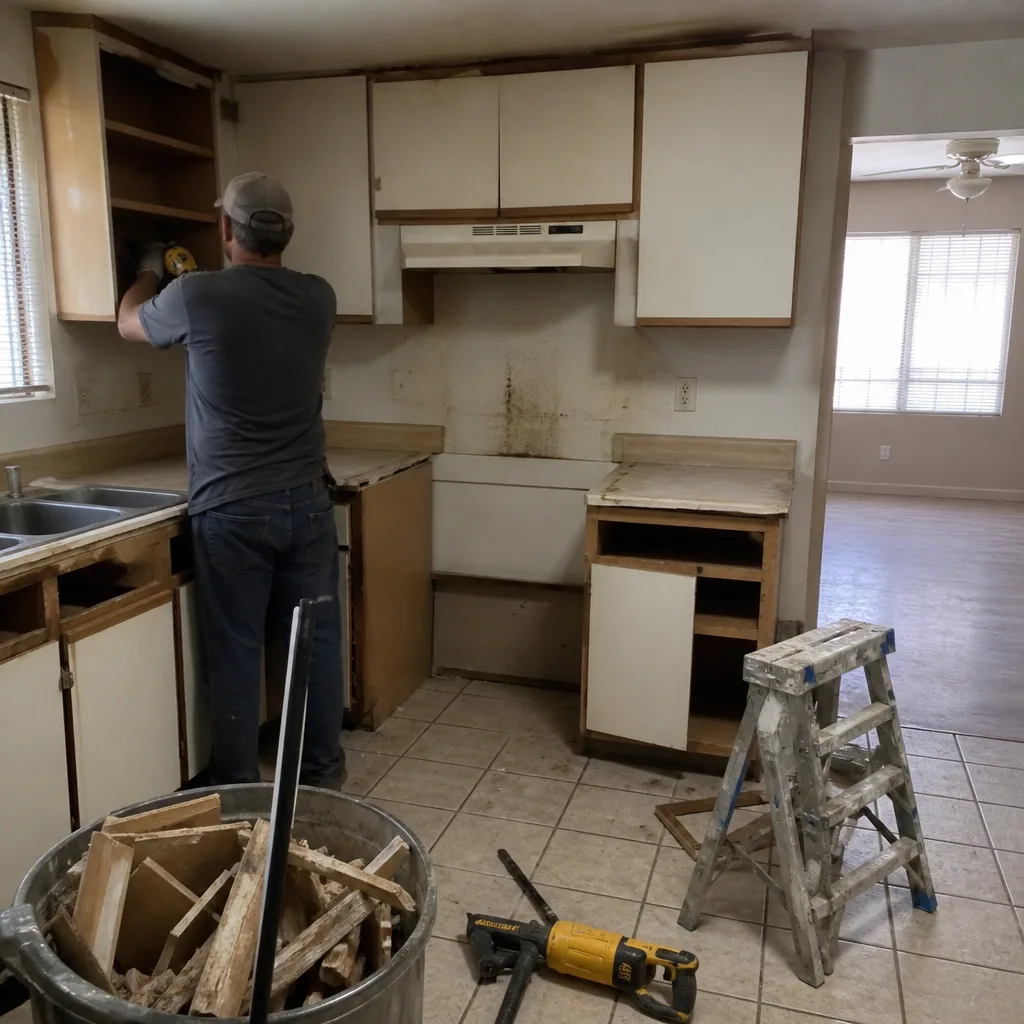 Before
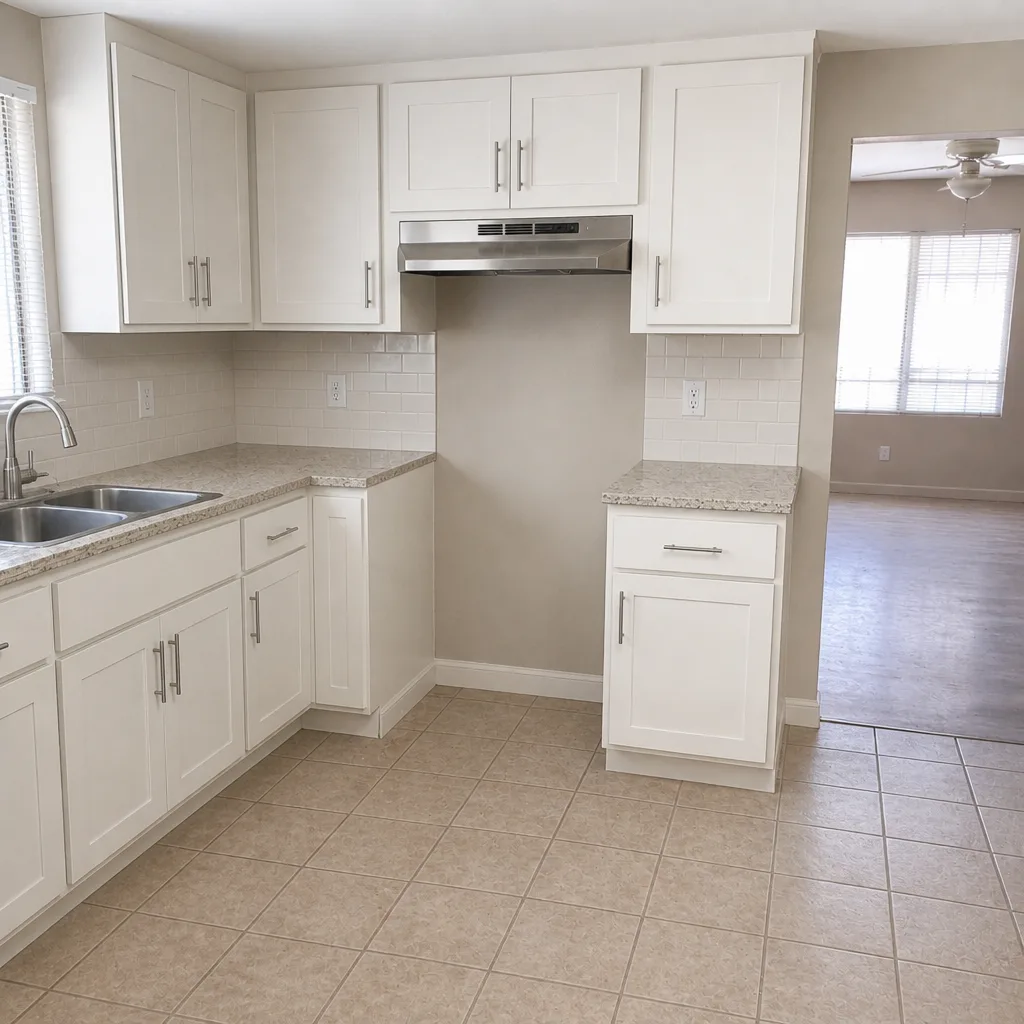 After
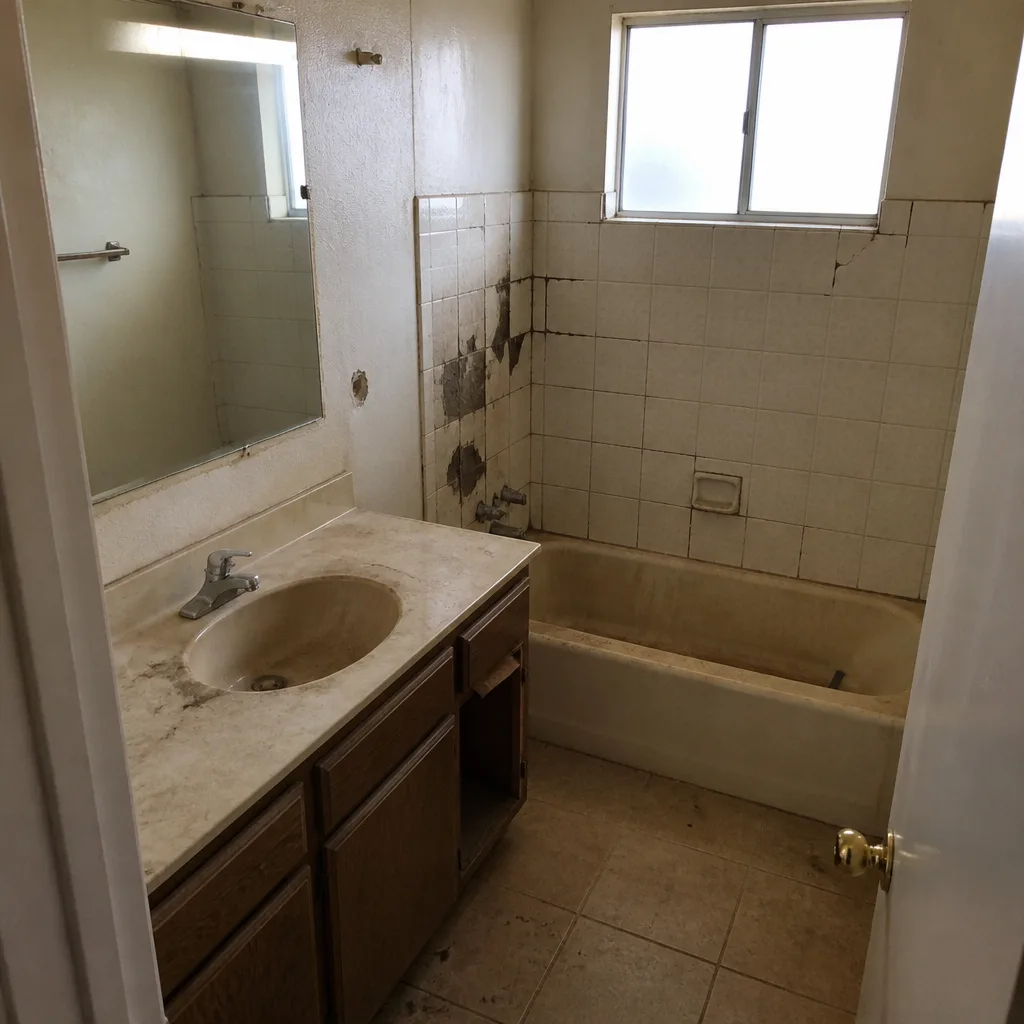 Before
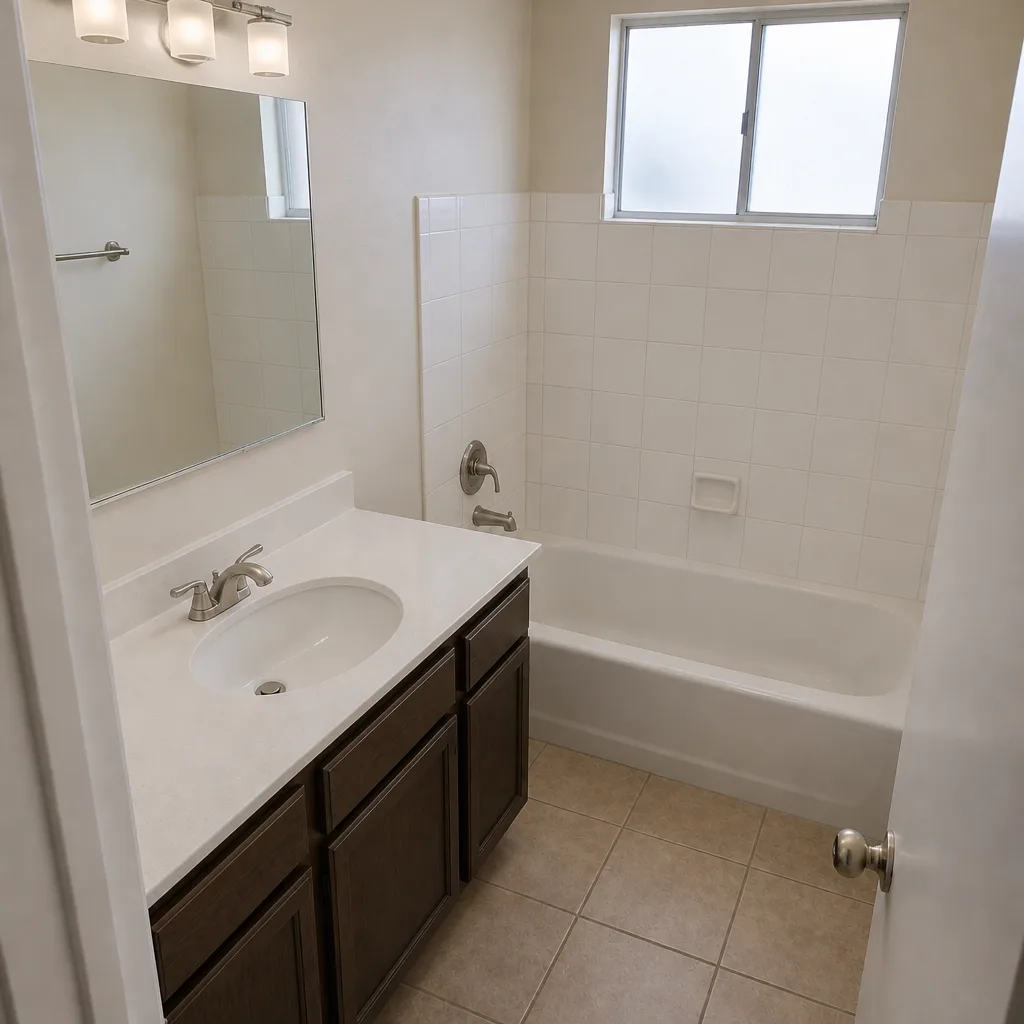 After
Common Mistakes to Avoid
- Designing before you pull the parcel report. A plan drawn for a standard lot can fail a setback check on a narrow Las Vegas parcel. Order the zoning report first, sketch second.
- Assuming the state law overrides local code. Nevada’s 2021 ADU law set a floor. Clark County and the City of Las Vegas still enforce owner-occupancy, setbacks, and size caps on top.
- Skipping the HOA pre-application. In Summerlin and Southern Highlands, an ADU can be county-legal and HOA-illegal. Get the committee’s approval in writing before demolition starts.
- Budgeting utilities as a single line. A per-square-foot estimate that hides the water meter, panel upgrade, and sewer tie-in will miss five figures. Ask for them quoted separately.
- Using a national HVAC spec on a 125°F attic. Undersized units never cool, oversized units wear out early. Insist on a load calc run for Las Vegas design temperatures.
- Starting the foundation before the inspector is scheduled. Pouring concrete without a footing inspection forces removal. Sequence permits before the first truck arrives.
- Hiring the contractor who says permits are optional. Unpermitted additions and ADUs are a resale problem and an insurance problem. Every eligible job here gets pulled and signed.
When to Call a Professional
Call a licensed contractor when the work touches structural, electrical, or plumbing systems you don’t fully understand – or when it needs a permit that only a licensed contractor or owner-builder can pull for you. In Las Vegas, that means almost every ADU: the water meter split, the panel upgrade, the sewer tie-in, and the framing each require a separate trade and a separate inspection. Anyone who tells you they can do all four without a permit is telling you something about how they’ll treat the rest of the job too. Barrett & Sons Construction Las Vegas offers free estimates in Las Vegas – call (866) 814-4155. A live person answers, day or night, and the estimate comes in writing with line items, allowances, and a fixed price. For an estimate on the perimeter work that often accompanies an ADU project, our Fence Installation in Las Vegas page is the place to start.
Frequently Asked Questions
Usually yes, if you own and live on the property and your lot meets the current Clark County or City of Las Vegas setbacks. The state legalized ADUs in 2021, but local setbacks, owner-occupancy rules, and size caps still apply. The fastest way to find out for certain is to pull your parcel report and ask the permit counter to confirm. Call (866) 814-4155 for a free estimate once you’re ready to price the build.
They’re separate permit authorities with their own counters and inspectors. If your home is in unincorporated Clark County, the county issues the ADU permit; if it’s inside city limits, the City of Las Vegas does. Setbacks, size caps, and owner-occupancy are similar but not identical, and Henderson runs its own rules entirely. Get the exact address confirmed before design.
Often yes, if the ADU has its own kitchen and bath. The water authority typically requires a separate meter or an approved submeter arrangement, which means a new service tap and a separate inspection. Plan the cost separately from the build, and ask your contractor to quote it as its own line item rather than folding it into a per-square-foot price.
Attics here hit around 125°F on a summer afternoon, which pushes an undersized or under-insulated ADU into continuous cooling. Ask for attic insulation to R-49 or higher, a manual J load calculation run for a Las Vegas design temperature, and low-E windows on any west-facing wall. A unit built to a national default will cost you more to cool every summer.
Yes. HOAs in master-planned communities like Summerlin and Southern Highlands can block an ADU in their CC&Rs even where the county allows it. Get written pre-application approval from the architectural review committee before you spend money on plans. The county permit and the HOA approval run on separate clocks.
Not without your written approval. Every scope change, allowance adjustment, or price difference on a Barrett & Sons job arrives as a written change order before work proceeds. The estimate you sign is the price you pay unless you’ve signed a change order that says otherwise. Call (866) 814-4155 for a free second opinion on any written estimate you’ve already received.
The Bottom Line
The ADU your neighbor built in Henderson may not pass on your Las Vegas lot, and the online calculators that quote a per-square-foot number are missing the utility scope that runs five figures on its own. Confirm your jurisdiction (Clark County, City of Las Vegas, or Henderson), confirm your HOA, size the HVAC and insulation for a 125°F attic, and sequence the inspections before the first concrete truck arrives. Do those four things and the permit process stops being a surprise. Skip them and the delay is measured in months, not weeks. When you’re ready to price it, call (866) 814-4155 for a free estimate from Barrett & Sons Construction Las Vegas – written line items, permits pulled, and a 90-Day Done Right Promise on every completed job.
Written by the team at Barrett & Sons Construction Las Vegas.