
Last updated November 17, 2026
 Home additions & ADU
 Kitchen remodeling
 Bathroom remodeling
 Roofing
 Windows & doors
 Driveway & pavers
 Fence
Free written scope consultation - allowances, timeline, and change-order rules on paper before a single trade is scheduled
Home Additions & ADU Warning Signs Every Homeowner Should Know
An unpermitted addition in Las Vegas doesn’t just risk a code violation notice – it can surface during a title search and force a full demolition as a condition of sale. Three Clark County homeowners learned that the hard way in 2023, based on county enforcement records, after contractors told them permits would be “handled later.” That “later” never came, and the structures came down. This guide walks through the warning signs we’ve watched play out across Las Vegas, from deposit requests to mid-project stalls, so you can walk away before the slab is poured.
Quick Answer
The most reliable warning signs of a bad home addition or ADU contractor in Las Vegas are a deposit request above 50% before the foundation pour, a quote that never references a licensed engineer’s stamped plans, and any pitch to “start work and pull the permit after.” Each of those moves shifts legal and financial liability onto you, the homeowner. A legitimate contractor pulls permits before breaking ground, shows a Nevada State Contractors Board license you can verify, and puts every scope and price change in writing.
Styles & brands we work with
- Kitchen remodeling
- Bathroom remodeling
- Home additions & ADU
- Roofing
- Windows & doors
- Driveway & pavers
- Fence
Table of Contents
- Why “We’ll Handle the Permit After Framing” Is Never a Favor
- How to Verify a Nevada Contractor’s License Before You Sign
- Structural Plan Warning Signs: The Engineer’s Stamp
- Deposit and Payment Schedule Norms in Nevada
- Mid-Project Red Flags That Mean Pause, Not Push Through
- ADU-Specific Warning Signs in Las Vegas
- When to Walk Away Entirely
Why “We’ll Handle the Permit After Framing” Is Never a Scheduling Convenience
When a contractor tells you they’ll pull the permit after framing starts, understand what you’re hearing: they’re transferring the legal risk of an unpermitted structure to you. In Clark County, the building permit is issued to the property owner, not the contractor. That means the stop-work order, the fine, and the demolition notice all land on your name and your title.
The excuse usually sounds reasonable – “the county is backed up six weeks, we’ll just get going so you’re not losing time.” That’s the tell. Permit timelines in Las Vegas have stretched before, but a licensed contractor plans around them. They submit and wait. They don’t hammer a nail until the permit is posted.
Here’s what an unpermitted addition actually costs you down the road:
- Title search flags: A title company will spot a structure that doesn’t match the assessor’s records. The sale stalls until it’s resolved.
- Demolition as a condition of sale: The most common resolution is removal, not retroactive permitting. Clark County doesn’t rubber-stamp existing structures.
- Insurance gaps: Most homeowner policies exclude damage to or from unpermitted work. Fire, wind, water – none of it is covered.
- Refinance refusal: Lenders won’t underwrite against a property with a code-compliance issue.
Permits also protect the work itself. The inspector checks the tie-in, the foundation, the electrical, the framing. As Tom Barrett likes to say, the permit inspector works for you, not for the contractor – that’s why we like him. If your contractor dreads the inspection, ask why.
How to Verify a Nevada Contractor’s License Before You Sign
Nevada requires anyone doing construction work over $1,000 to hold an active license with the Nevada State Contractors Board. Verifying that license takes about five minutes and saves an enormous headache. Do it before you sign a single sheet of paper.
- Go to the Nevada State Contractors Board website and search by license number or business name.
- Confirm active status – not expired, not suspended, not “pending.” An expired license isn’t a paperwork issue, it’s a legal one.
- Check the classification code on the license. A Class B (general building) or Class A (general engineering) covers additions. A specialty license like C-3 (carpentry) may not cover structural additions. Verify the classification matches the work.
- Check for disciplinary actions on the record. The board publishes complaints and settlements. Two or three resolved matters over a decade may be normal; five open ones are not.
- Confirm the license holder matches the name on the contract. If the estimate is from “ABC Builders” but the license reads “XYZ Construction,” ask why in writing.
- Verify insurance and bond coverage. Ask for the certificate of insurance and confirm it covers the scope of your addition.
If the contractor can’t or won’t produce the number, walk. A legitimate operator publishes their license number on the truck, the estimate, and the website. Look it up before you sign anything.
Structural Plan Warning Signs: The Engineer’s Stamp
Any addition quote that doesn’t reference a licensed engineer’s stamp for the tie-in connection is incomplete. That’s not a technicality – the tie-in connection between a new addition and your existing structure is where most failures happen. Las Vegas has swelling soils in parts of the valley, and an unengineered tie-in can pull apart the seam within a few years.
What should be in the plan set:
- A stamp from a Nevada-licensed structural engineer covering the tie-in, the foundation, and the roof load
- Wind and seismic design criteria for the Las Vegas valley (yes, both apply here)
- Soil test results or a geotechnical reference for the site
- Room-by-room dimensions tied to your existing footprint, not just rough squares on a napkin
- Window, door, and finish schedules matching the products specified
If the “plans” are a hand-drawn sketch with a single arrow pointing to the addition, that’s not a plan set. That’s a drawing. The county won’t approve it, and no engineer will stamp it. Any honest bid includes stamped plans as a line item, or names the engineer who will produce them. Compare that completeness against Home Additions & ADU in Las Vegas scopes, where the plan set and the permit submission are part of the written contract, not an afterthought.
Deposit and Payment Schedule Norms in Nevada
Nevada law permits a deposit of up to 10% of the contract price (or $1,000, whichever is less) before work begins on a home improvement contract. Contractors who demand 40%, 50%, or more upfront are doing one of two things: funding your job with your own money, or funding the job before yours. Neither ends well for you.
Here’s what a reasonable payment schedule looks like on a Las Vegas addition:
- Deposit: 10% at contract signing (Nevada statutory cap)
- Foundation pour: 15-25% once the foundation is poured and inspected
- Framing and rough-in: 20-25% at framing completion and rough inspections signed
- Drywall and finishes: 20-25% as finishes are installed
- Final completion: 10-15% held until final inspection passes and the punch list is closed
Any request for more than 50% before foundation pour is a red flag. Any request for cash-only, any payment made before a milestone is verified by inspection, or any “draw schedule” that has no stated dates – those are the moves that precede disappearance acts.
For related exterior scopes, see Driveway & Pavers in Las Vegas and Fence Installation in Las Vegas. The deposit norms are similar, and legitimate operators follow the same rules across trades.
Mid-Project Red Flags That Mean Pause, Not Push Through
Some warning signs only show up once the job is running. When you see them, the right move is to pause and get answers in writing – not to hope it sorts itself out. The job’s cash flow and timeline are the contractor’s problem to solve, not yours to fund.
Pause the job if any of these happen:
- No inspections called. Every permitted phase should be inspected before the next phase covers it. If drywall is going up over un-inspected framing, stop.
- Subcontractors you were never introduced to are on your property with no explanation of who they are or what they do. Every crew member should be identifiable and background-checked.
- Materials arrive without delivery receipts. You can’t verify what was spec’d vs. what was actually delivered. The receipt tells you.
- The schedule has slipped without a written reason. A slow week is one thing. A “we’ll make it up” with no plan is another.
- Change orders appear verbally. Anything from “we need to add a beam” to “we should upgrade the windows” must arrive as a written change order before the work. If it’s verbal, it’s not real.
- Cash requests don’t match progress. If they’re asking for a draw but the previous milestone isn’t done, the money is funding something else.
These aren’t minor annoyances. Each one is a pattern signal. Two or more together is the point when you call the Nevada State Contractors Board for guidance and get a second opinion on the money already committed.
ADU-Specific Warning Signs in Las Vegas
Accessory dwelling units have become a popular way for Las Vegas homeowners to house aging parents or generate rental income. The prefab side has matured – Abodu, Cover, and Mighty Buildings all produce units that can be permitted cleanly – but the contractor side hasn’t kept pace. The ADU pitch has become a magnet for scammers.
Watch for these ADU-specific warning signs:
- “No permit needed under $X” or “ADUs are exempt.” They are not exempt in Clark County. Every detached or attached ADU that qualifies as a dwelling unit needs a permit.
- A quote that never mentions utility tie-ins. Water, sewer, electrical connections, and gas if applicable – all of these need to be in the scope and the plan. A price that ignores them isn’t a real price.
- “Prefab is faster so we skip the site plan.” The prefab unit may be engineered, but the site work (foundation, utilities, grading) still needs engineered plans.
- No mention of the owner-occupancy rules or Clark County zoning constraints. Setback requirements, lot size minimums, and parking considerations apply. A contractor who says “don’t worry about zoning” is telling you they don’t know the local rules.
- Payment schedules that front-load the unit order. Some prefab ADU companies require large deposits to order the unit. Ask who holds the funds and under what terms.
We’ve seen this cycle play out across neighborhoods like Summerlin, Centennial Hills, and the older parcels in North Las Vegas. For a full scope walkthrough, look at what a properly permitted ADU build involves.
When to Walk Away Entirely
Some warning signs mean pause and investigate. Others mean walk. Knowing the difference saves you months and tens of thousands of dollars.
Walk away entirely if any of these are true:
- No verifiable license number. There is no reason to proceed.
- Pressure to sign today for a “locked-in” price. Legitimate contractors don’t need high-pressure closes. Prices don’t evaporate at close of business.
- A refillable deposit request. Any contractor asking for a second “draw” before the first milestone is verified is cash-flowing your job.
- Refusal to put scope, allowances, or price changes in writing. Every one of those belongs on paper before work begins. An allowance that isn’t on paper is a surprise waiting for a date.
- Unable to produce a certificate of insurance with general liability and workers’ comp coverage.
- Asks you to pull the permit in your name so “it’s faster.” That’s the liability transfer dressed up as convenience.
- The contract has no dispute resolution clause or arbitration requirement that funnels you into a process you didn’t agree to.
Walking away from a deposit is cheaper than walking away from a demolished structure.
Common Mistakes to Avoid
- Trusting a phone quote. Every real bid on an addition walks the site, measures, and produces a written line-item estimate. Phone quotes become final invoices from a different number.
- Paying cash to “save on taxes.” No paper trail means no recourse with the Nevada State Contractors Board, no insurance claim, and no warranty.
- Skipping the engineer’s stamp to save $1,500-$3,000. It’s the most important $2,000 you’ll spend on the whole job, because the tie-in is where additions fail.
- Letting the contractor choose the inspector. In Clark County, the county assigns the inspector. If a contractor claims they have “their own guy,” that’s not a permitted job.
- Ignoring the HOA. Most Las Vegas valley HOAs have architectural review requirements on top of county permits. Getting county approval doesn’t cover HOA approval; both must be in writing before work.
- Accepting a “we’ll fix it at the end” punch list. Anything that gets fixed at the end drags the final payment indefinitely. Punch items get closed in writing before final payment.
- Signing the contract in the truck. Read it. Compare it against the estimate. Any variance in scope or price is a conversation, not a signature.
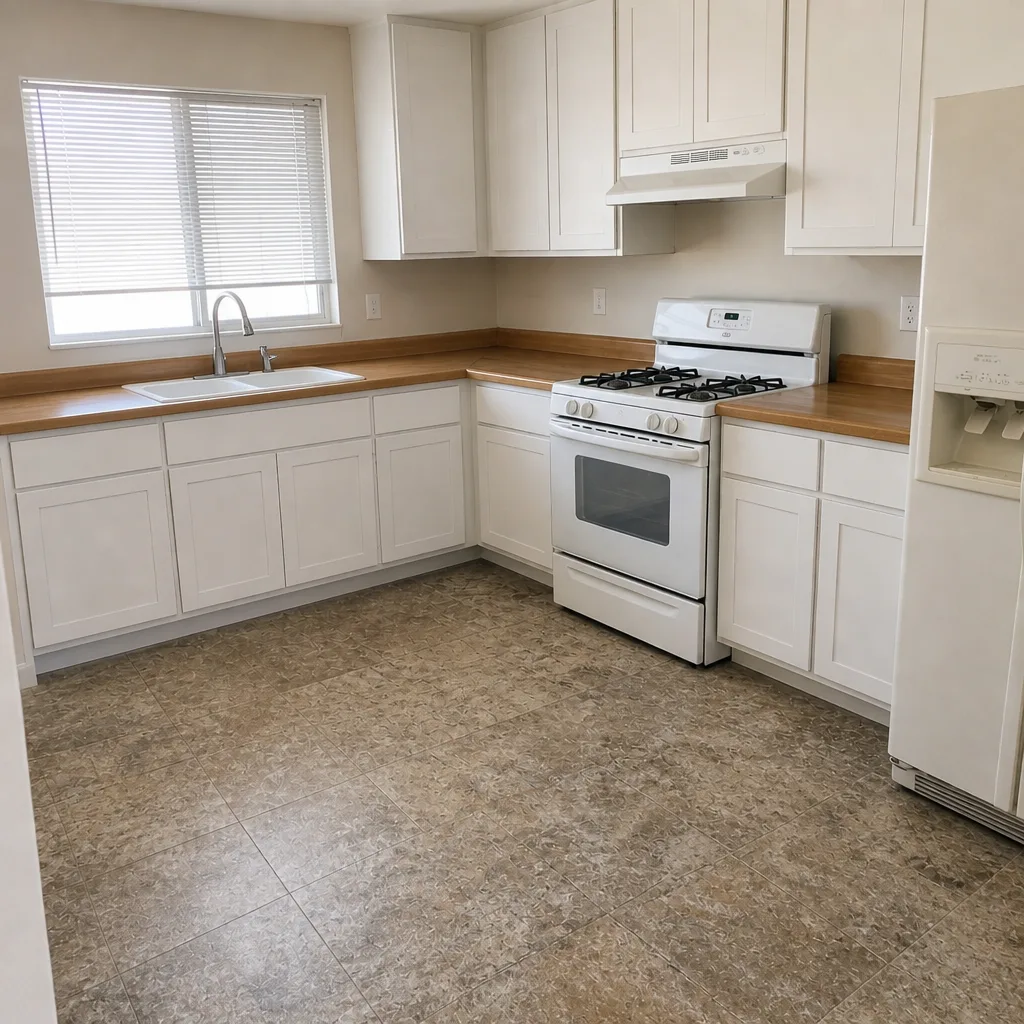
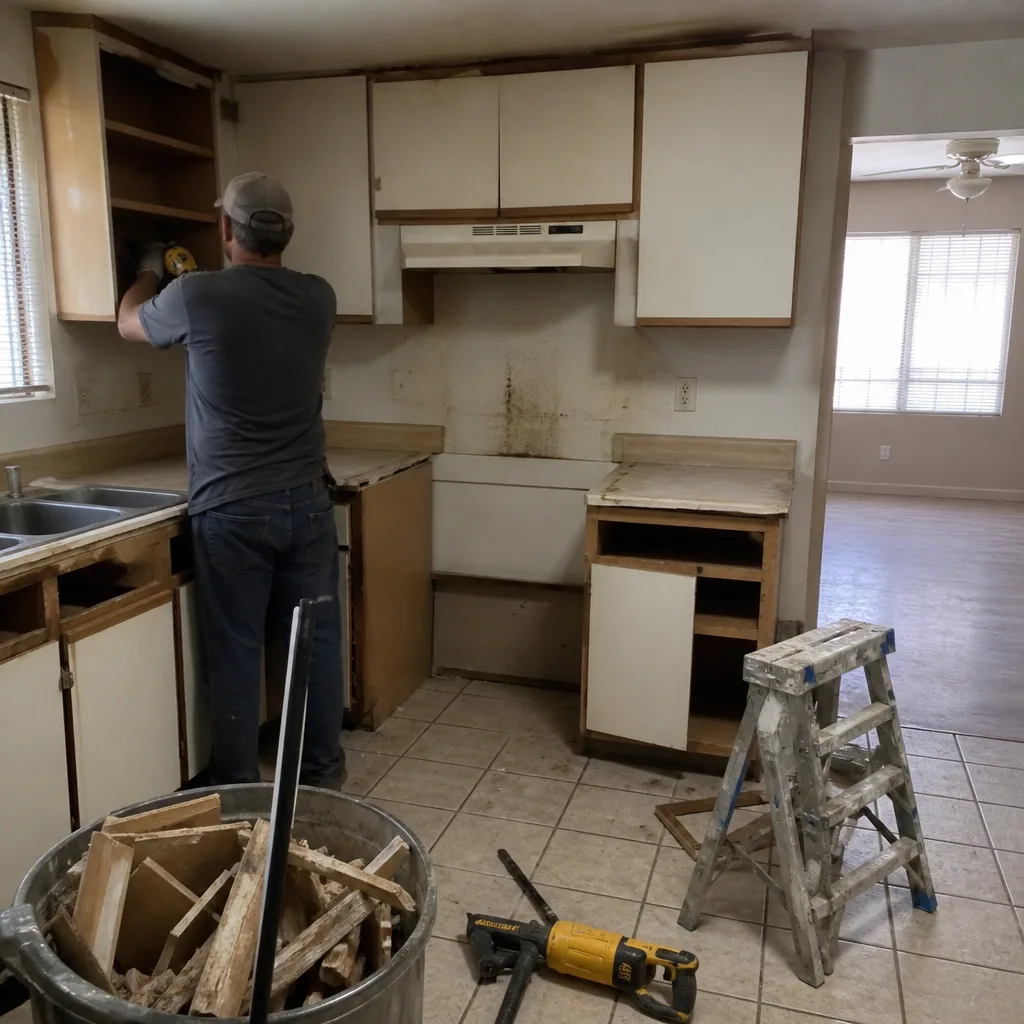
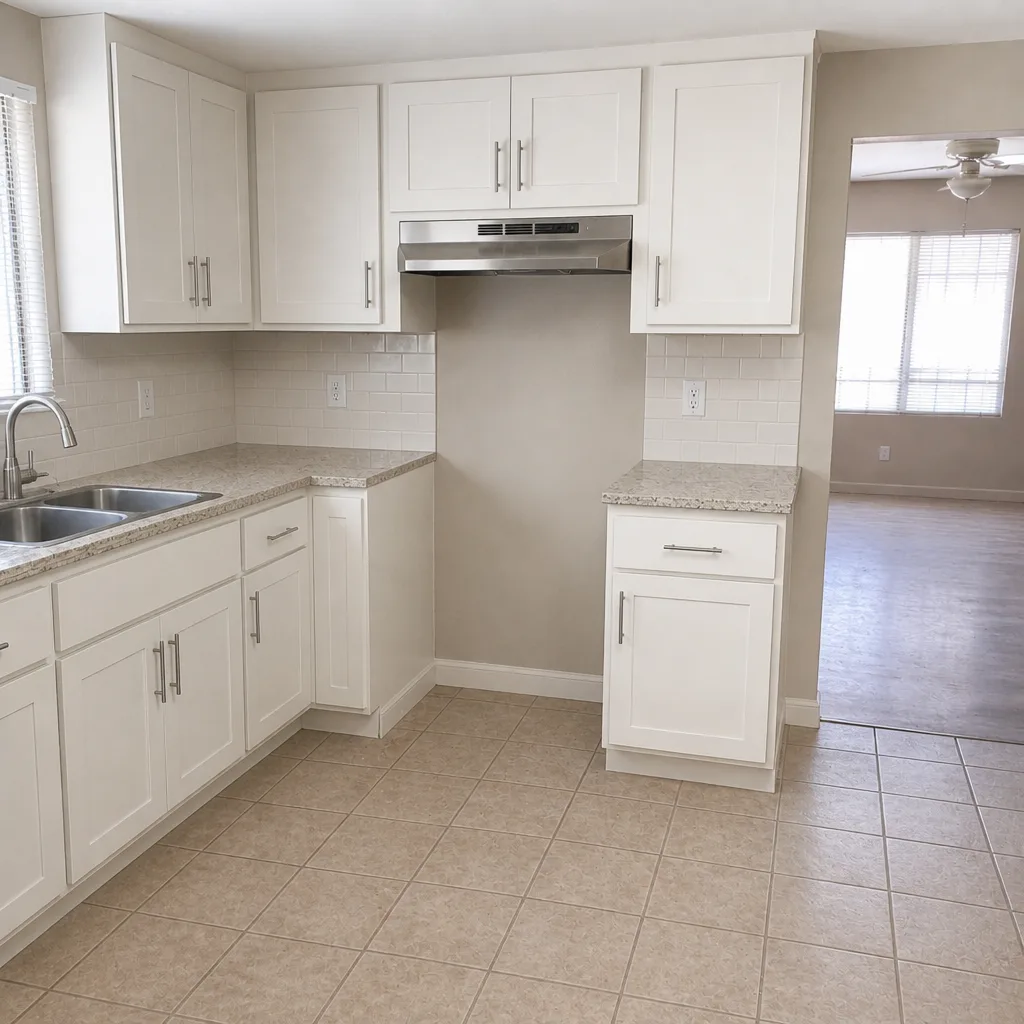
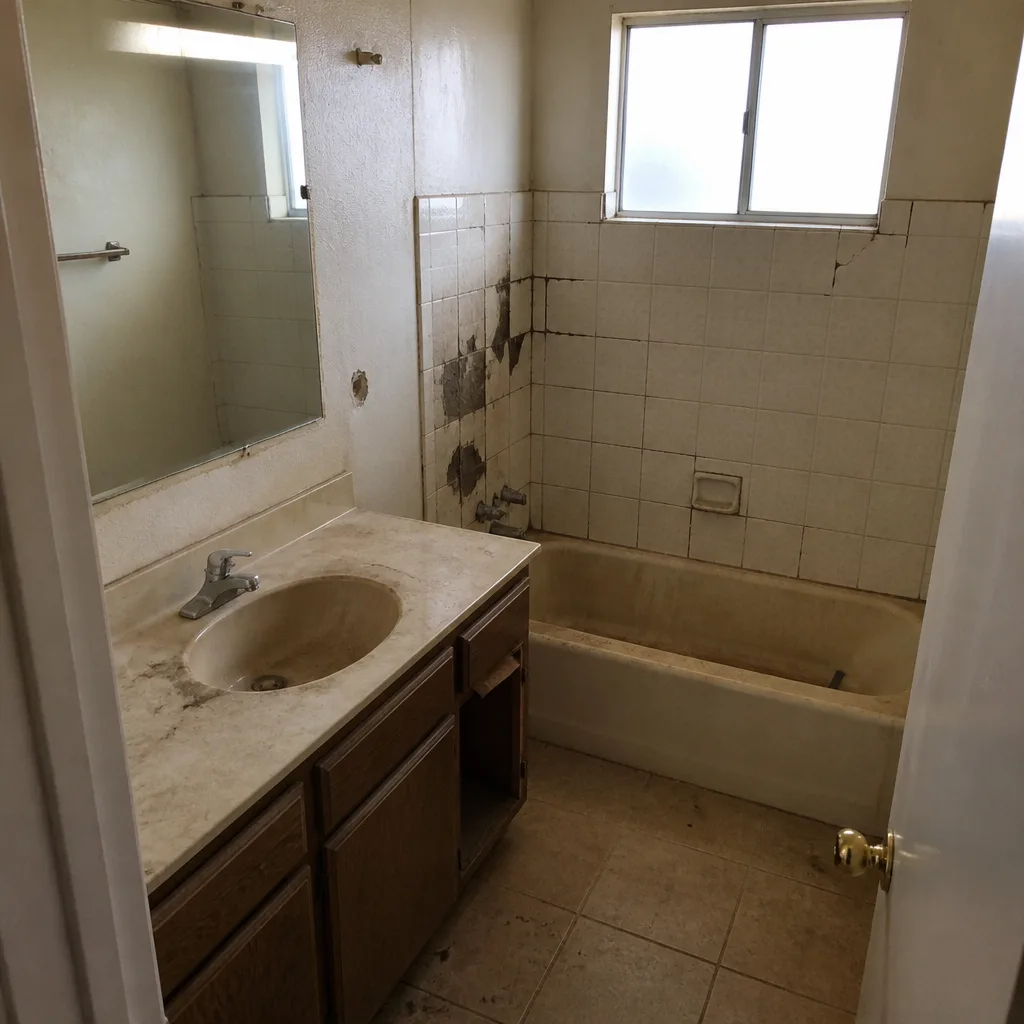
See the difference
 Before
 After
 Before
 After
 Before
 After
When to Call a Professional
Some warning signs mean pause. A few mean get a second opinion now, before more money is spent. Call a licensed addition contractor when the plan set is incomplete, when the permit hasn’t been pulled and framing has started, or when a mid-project inspector meeting is overdue. These are situations where another set of licensed eyes on the job can save the entire investment. If you’re still at the estimating stage, get the free second opinion on any written estimate you’ve already received. Barrett & Sons Construction Las Vegas offers free estimates in Las Vegas – call (866) 814-4155 to schedule. Our technicians bring up to 28 years of experience, every eligible job is permitted and inspected, and every price change arrives as a written change order before the work proceeds. From the Barrett & Sons Construction Las Vegas home page you can see the full scope of work across trades.
Frequently Asked Questions
Home additions in Las Vegas run roughly $180 to $320 per square foot for a standard finished addition, so a 400-square-foot room typically lands between $72,000 and $128,000. Detached ADUs in the valley usually run $180,000 to $320,000 depending on size, utility tie-ins, and finish level. Prices shift with lot grading, engineering scope, and whether prefab or site-built. Call (866) 814-4155 for an exact quote on your project – estimates are free.
Yes. Clark County requires a building permit for every ADU that qualifies as a dwelling unit, whether attached or detached. There is no exemption for prefab units or units under a certain square footage. Any contractor telling you otherwise is either misinformed or setting you up for an unpermitted structure.
Nevada law caps the deposit at 10% of the contract price or $1,000, whichever is less, before work begins. Any request above that is a warning sign. The rest of the payments should follow verified milestones: foundation pour, framing rough-in, drywall, finishes, final inspection. Call (866) 814-4155 to see how a compliant schedule looks on a Las Vegas addition.
Clark County can force removal of the unpermitted structure, and that removal is often a condition of sale when the addition shows up on a title search. Insurance typically excludes damage related to unpermitted work, and refinancing usually stalls until the issue is resolved. Demolition is the most common resolution because Clark County does not retroactively permit non-engineered structures.
Search the Nevada State Contractors Board website by license number or business name, confirm active status, check the classification code (Class B or A for general additions, specific specialty classes for trades), and review any disciplinary actions on file. If the license holder’s name doesn’t match the contract, ask why before signing. Call (866) 814-4155 if you need the process walked through.
Yes, but the schedule should account for it. Concrete pour timing, exterior stucco work, and roof installations all shift during June through September. A realistic contractor plans pours before 9 AM, schedules exterior work in the shoulder seasons, and doesn’t promise an August completion date on a September foundation pour. If a schedule ignores the summer heat entirely, the estimate is optimistic, not accurate.
The Bottom Line
Addition and ADU scams in Las Vegas follow the same pattern: big deposits, vague plans, and a pitch to “pull the permit after.” Every one of those moves shifts liability from the contractor to you. The three moves that separate a real contractor from a hazard are simple – verify the license on the Nevada State Contractors Board site, require a stamped plan set, and refuse any deposit above 10%. Add the mid-project checks on inspections, change orders, and payment draws, and you’ll catch most problems before they cost you. If the pattern smells wrong, it is. Walk away before the slab is poured.
Written by the team at Barrett & Sons Construction Las Vegas.