
Last updated November 17, 2026
 Bathroom remodeling
 Kitchen remodeling
 Home additions & ADU
 Roofing
 Windows & doors
 Driveway & pavers
 Fence
Free written scope consultation - allowances, timeline, and change-order rules on paper before a single trade is scheduled
Bathroom Remodeling Maintenance Schedule: What to Do and When
Las Vegas tap water averages about 290 parts per million of dissolved minerals. That’s roughly three times the mineral load most grout and caulk manufacturers tested against when they wrote the fine print on their warranties. Which means the maintenance chart that came with your new shower isn’t calibrated for the water coming out of your showerhead. In a Las Vegas bathroom, grout seals fail faster, caulk joints crack sooner, and exhaust fans fight dust they weren’t designed to handle. This guide lays out a desert-calibrated schedule – what to check, when to check it, and how to document it so your warranty and your insurance both hold up.
Quick Answer
In Las Vegas, seal grout every 6 months (not the 12 – 18 months national charts suggest), inspect and re-caulk wet-area joints every 8 – 12 months with the toughest inspection in May before monsoon season, clean your exhaust fan grille monthly and verify airflow every 6 months, and check for water intrusion after every summer rainy stretch. Keep a written log of every task with dates and photos – that log protects your warranty and your insurance claim if something fails.
Styles & brands we work with
- Kitchen remodeling
- Bathroom remodeling
- Home additions & ADU
- Roofing
- Windows & doors
- Driveway & pavers
- Fence
Table of Contents
- Why Las Vegas Breaks the National Maintenance Chart
- Grout Sealing: The 6-Month Rule for Hard Water
- Caulk Joints and the Summer Heat Cycle
- Exhaust Fan CFM: Testing Airflow in a Dusty Desert
- The Month-by-Month Las Vegas Task Calendar
- How to Document Maintenance for Warranty and Insurance
- Products and Materials Rated for High-Mineral Water
- Common Mistakes to Avoid
- When to Call a Professional
Why Las Vegas Breaks the National Maintenance Chart
National maintenance schedules are written for an average American home: moderate humidity, moderate water hardness, moderate temperature swings. Las Vegas is not an average American home market. We’ve got three forces working against your bathroom at once, and each one hits a different material.
First, the water. Southern Nevada water runs hard – calcium and magnesium in the 250 – 300 ppm range depending on the source and season. Those minerals don’t just leave spots. They react with the sealer on your grout, dull it, and break down the barrier faster than soft water would. A grout joint sealed for 12 months in Ohio might be functionally unsealed by month seven here.
Second, the heat. Las Vegas summers regularly push past 110 degrees, and your bathroom sits at the center of the thermal cycling. Caulk expands during the day and contracts at night. That flex, repeated across hundreds of cycles, opens tiny cracks at the tub and shower seams – cracks that let water behind the wall before you ever see a stain.
Third, the dust. Desert dust settles on everything, including the exhaust fan grille and the fan blades themselves. A fan clogged with dust moves less air, and less airflow means more moisture sitting on your walls and ceiling after every shower. That’s how mold starts in a Las Vegas bathroom, and it’s why our crews see the same failure patterns in neighborhoods like Summerlin and Green Valley year after year.
The good news: none of this is hard to manage. It just needs a schedule written for this climate, not the one printed on a manufacturer’s website in Michigan. If you’re planning a remodel and want to see how we build Las Vegas bathrooms to handle these conditions from day one, our Barrett & Sons Construction Las Vegas home page is the place to start.
Grout Sealing: The 6-Month Rule for Hard Water
Seal your bathroom grout every 6 months in Las Vegas. That’s the short version, and it’s the single most important change most homeowners can make to their bathroom maintenance routine. Manufacturer warranties typically assume soft or moderately hard water. At 290 ppm, our water is hard enough that sealer breaks down well before the 12 – 18 month mark those warranties assume.
How do you know when it’s time? Do the water-bead test. Drip a few drops of water on a grout line in your shower floor. If the water beads up and sits there, the sealer is still working. If it soaks in within a minute or two – or darkens the grout – the sealer is gone and water is already getting into the porous grout.
Here’s how we recommend handling it:
- Clean first. Use a pH-neutral tile cleaner, not vinegar or bleach. Acid and harsh chemicals eat away at both grout and sealer. Scrub with a soft brush, then rinse and let dry 24 hours.
- Check for cracks and missing grout. Any crack wider than a hairline needs to be repaired before you seal, or the sealer just traps moisture underneath.
- Apply a penetrating sealer rated for high-mineral water. Look for a solvent-based or water-based penetrating sealer specifically labeled for hard water environments. Avoid topical film-forming sealers – they peel in our heat.
- Let it cure 24 – 48 hours before you use the shower. Read the label; curing times matter in low humidity, and our air is dry enough that solvents flash off fast.
- Log the date. Write down the product name and date in your maintenance log. It makes the next 6-month reminder easy and gives your warranty documentation a paper trail.
Floor grout in a frequently used shower is the first to go. Grout around the toilet base and along the backsplash lasts a bit longer – usually 9 – 12 months in Las Vegas – but check it every 6 months alongside the shower.
Caulk Joints and the Summer Heat Cycle
The caulk joint where your tub meets the tile floor is the most abused inch of sealant in your house. It flexes every time someone steps into the shower, and it expands and contracts with temperatures that swing 40 degrees between day and night in a Las Vegas summer. That’s why we tell homeowners to do a serious caulk inspection every May – before the worst of the heat and before monsoon season starts dumping rain in July and August.
What are you looking for in that May inspection?
- Gaps at the wall-to-tub transition. Run your finger along the seam. If you can feel the edge of the tile or the tub without a continuous bead of caulk between them, water is getting in.
- Hairline cracks in the caulk itself. Hold a flashlight at a low angle. Cracks that look invisible straight on show up clearly with sidelight.
- Dark spots or discoloration. That’s mold growing behind the caulk, and it means the seal has been broken long enough for moisture to sit.
- Caulk pulling away at the corners. The inside corners of a shower are where the two walls and the pan all come together, and they’re the most stressed joints in the room.
If you find any of these, cut out the old caulk completely – don’t just caulk over it – clean the joint with rubbing alcohol, and replace it with a 100% silicone caulk rated for high-movement joints. Siliconized acrylics are easier to work with but don’t last as long in a Las Vegas shower, in our experience.
If the caulk failure has already let water behind the tile, you may be looking at a bigger repair than a tube of caulk. If your bathroom was installed years ago and you’re seeing soft drywall near the shower or a spongy floor around the tub, it’s worth calling a professional before the damage spreads. Call (866) 814-4155 for a free estimate; we’ll tell you honestly whether it’s a caulk job or something more.
Exhaust Fan CFM: Testing Airflow in a Dusty Desert
Your exhaust fan is the unsung hero of bathroom maintenance, and in Las Vegas it’s working harder than the label on the box ever contemplated. Desert dust clogs the grille fast, then the fan blades, then the motor housing. A fan rated for 110 CFM out of the box might be moving 60 CFM by year three if nobody’s cleaned it. That’s not enough airflow to clear the moisture from a shower, and moisture that doesn’t clear becomes mold.
How do you test whether yours is moving enough air? You don’t need a CFM meter. Use the toilet paper test:
- Turn the fan on and let it run 30 seconds.
- Hold a single square of toilet paper up against the grille.
- If the paper sticks tight and stays put, airflow is healthy. If it flutters or falls, the fan is not pulling enough air.
Beyond the toilet paper test, keep to a cleaning schedule:
- Monthly: Vacuum the grille with a brush attachment, or pop it off and rinse it. In Las Vegas, this is the single most neglected maintenance task we see.
- Every 6 months: Remove the grille and wipe down the fan blades and the visible motor housing with a dry cloth. Don’t spray cleaner into the motor.
- Every 10 – 12 years: Replace the fan itself. Motors wear out, and modern fans are quieter and more efficient than what was installed when most Las Vegas homes were built.
One more thing: run the fan for 20 minutes after every shower, not just while you’re in there. In a dry climate it feels counterintuitive, but it’s the moisture still evaporating off the walls and floor that does the damage, and the fan needs to be moving air to clear it.
The Month-by-Month Las Vegas Task Calendar
National maintenance charts are built around spring and fall, and they miss the fact that Las Vegas has its own rhythms. Here’s how we schedule bathroom maintenance for the desert year. Adjust by a couple weeks based on your specific home, but this is the general rhythm.
January – February: Post-winter check. Winter isn’t harsh here, but two months of heater use brings dry air that cracks caulk faster. Walk the caulk lines now. Clean the exhaust fan and grille. Check the toilet for a slow leak (add a few drops of food coloring to the tank, wait an hour without flushing, and see if the bowl water changes color).
March – April: Pre-summer prep. This is your grout check. Do the water-bead test in the shower and around the toilet base. If sealer needs refreshing, do it before the heat hits.
May: The serious caulk inspection. Before monsoon season, look at every caulk joint in the bathroom. Repair anything that shows a gap, crack, or dark spot. This is the single most important maintenance task in a Las Vegas bathroom, and it’s best done before summer stretch.
June – August: Summer monitoring. Run the exhaust fan longer than you think you need to – 20 minutes minimum after every shower. Check shower ceilings and upper walls for any sign of moisture damage or peeling paint; if the fan isn’t keeping up, it’ll show here first. Monsoon season starts in July, so watch for any window or vent leaks.
September – October: Post-monsoon check. This is when you look for water intrusion around window frames, vents, and the base of the bathtub. Check for any staining on the walls or ceiling below the bathroom, and look at the floor for soft spots or lifting tiles. Note: if you’re thinking about a bigger project like an addition with a new bathroom, our Home Additions & ADU in Las Vegas page covers how we build for this climate from the ground up.
November – December: Year-end audit. This is when you review your maintenance log, take fresh photos, and note anything that needs replacing next year. Also a good time to check the toilet flapper and the showerhead for mineral buildup – both are cheap replacements that prevent bigger problems.
How to Document Maintenance for Warranty and Insurance
Here’s the part almost nobody tells homeowners: your maintenance records aren’t just for you. When a water damage claim comes in, your insurance company wants to see that you did reasonable upkeep. When a warranty claim gets filed on your bath fixtures or your remodel, the manufacturer wants proof that you maintained the product per the schedule. A simple log with dates, photos, and product names is the difference between a claim paid and a claim denied.
What we recommend logging:
- Date and task. “Grout sealed in hall bath shower – Product X, applied May 4.”
- Photo before and after. Your phone camera is enough. Take a photo of the caulk joint, the grout, the ceiling, and the floor at every maintenance cycle. Date-stamped photos are gold in a claim.
- Repair documentation. If you replace a flapper, re-caulk, or have a plumber in, save the receipt and note it in the log.
- Warranty paperwork. Keep product warranties and any contractor warranty paperwork in the same file. If Barrett & Sons did the remodel, that includes your 90-Day Done Right Promise paperwork – which is the reason we make such a fuss about change orders being in writing. What’s on paper is what you can enforce.
We’ve seen insurance adjusters deny water damage claims because the homeowner couldn’t show any maintenance history on a 15-year-old bathroom. We’ve also seen claims paid in full because the homeowner had a photo from 6 months ago showing the caulk was intact. The log takes 5 minutes a month. It’s worth it.
Products and Materials Rated for High-Mineral Water
The products matter as much as the schedule in a Las Vegas bathroom. A few that work well in our experience:
- Penetrating grout sealer rated for hard water. Look for a solvent-based product labeled for high mineral content. Big-box brands typically have an entry and a premium line; spend the extra $15 for the premium line.
- 100% silicone caulk for wet zones. Not siliconized acrylic. Silicone is harder to tool, but it lasts years longer in our heat.
- pH-neutral tile and stone cleaner. Avoid vinegar (acidic, eats sealer), bleach (harsh, degrades caulk), and abrasive powders (scratch tile glaze).
- Water softener or whole-home filtration if you can. Not a maintenance product exactly, but it’s the single biggest thing you can do to extend the life of everything in your bathroom. If you’re already in a remodel, plan for it.
For our own projects, we install premium brands with a track record in this climate. In bathrooms, that means hardware from names like ViewLux for shower glass and doors – their products handle our hard water better than the cheap imports we see coming out of builder-grade installations. When we put in fixtures and finishes that last, we’re doing you a favor down the maintenance road.
If you’re also thinking about exterior work during your maintenance cycle, our Driveway & Pavers in Las Vegas page covers the same principle applied to concrete and stone, and our Fence Installation in Las Vegas guide covers brands like Ameristar that hold up to our climate.
Common Mistakes to Avoid
- Sealing grout on a 12-month schedule. The chart on the bottle assumes soft water. In Las Vegas, 12 months means 6 months of unprotected grout. Check the water-bead test at month 5 and reseal if needed.
- Caulking over old caulk. New caulk doesn’t stick to old caulk, and if there’s mold behind the old layer, you’re sealing it in. Always remove the old caulk completely before applying new.
- Using vinegar or bleach on grout. We see it all the time in older bathrooms. Both damage the sealer and the grout. Use pH-neutral cleaner and save the vinegar for your salads.
- Ignoring the exhaust fan. The fan is the cheapest mold prevention you own. Cleaning the grille monthly is the most overlooked maintenance task in Las Vegas bathrooms, and it’s the one most likely to prevent a $4,000 mold remediation.
- Running the fan only during the shower. The moisture keeps evaporating for 20 minutes after you step out. Run the fan the whole time.
- Skipping the maintenance log. No record means no proof when the claim comes in. Take the photo. Write the date. It costs nothing.
- Waiting until something fails to call a professional. Small caulk and grout issues are maintenance. Water behind the tile, a spongy floor, or a slow leak in the wall is a repair. The line between those two is where the cost jumps from $40 to $4,000, and we’ve seen too many homeowners discover it the hard way.
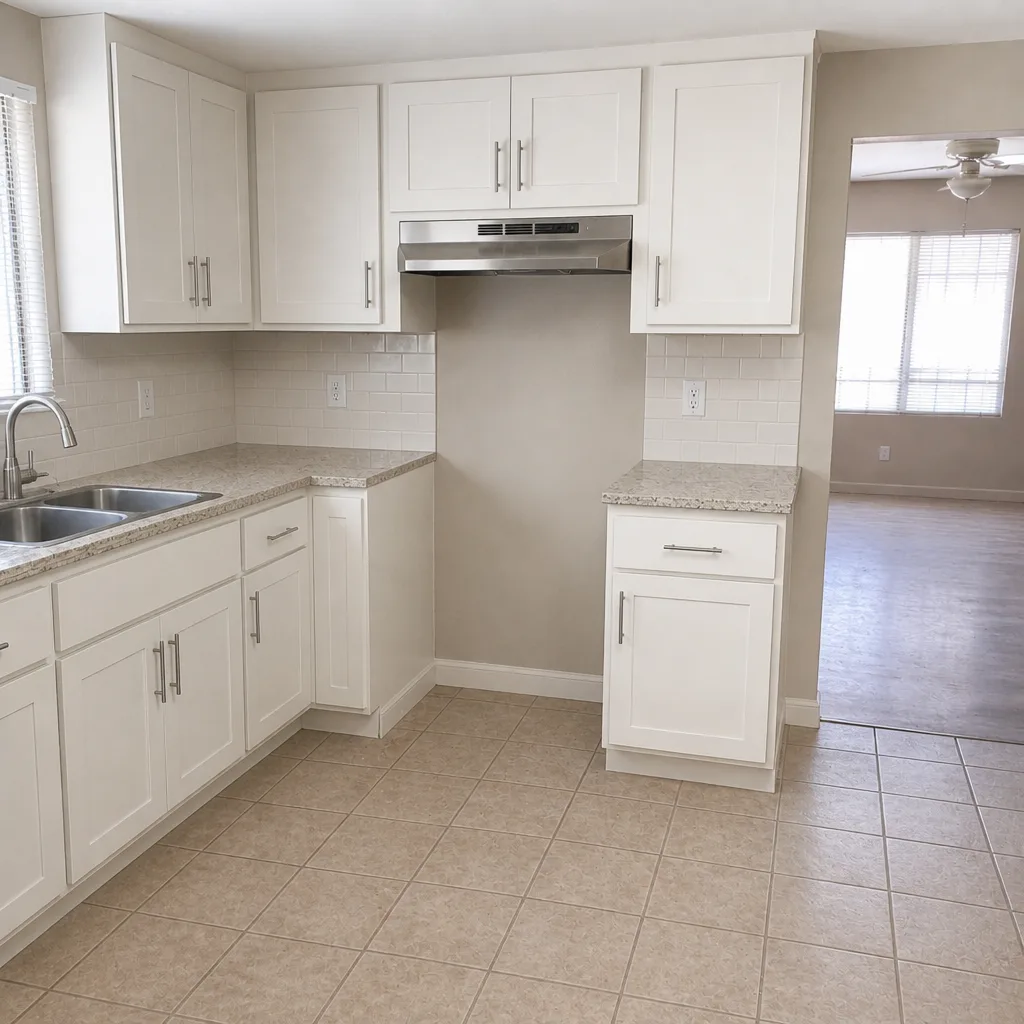
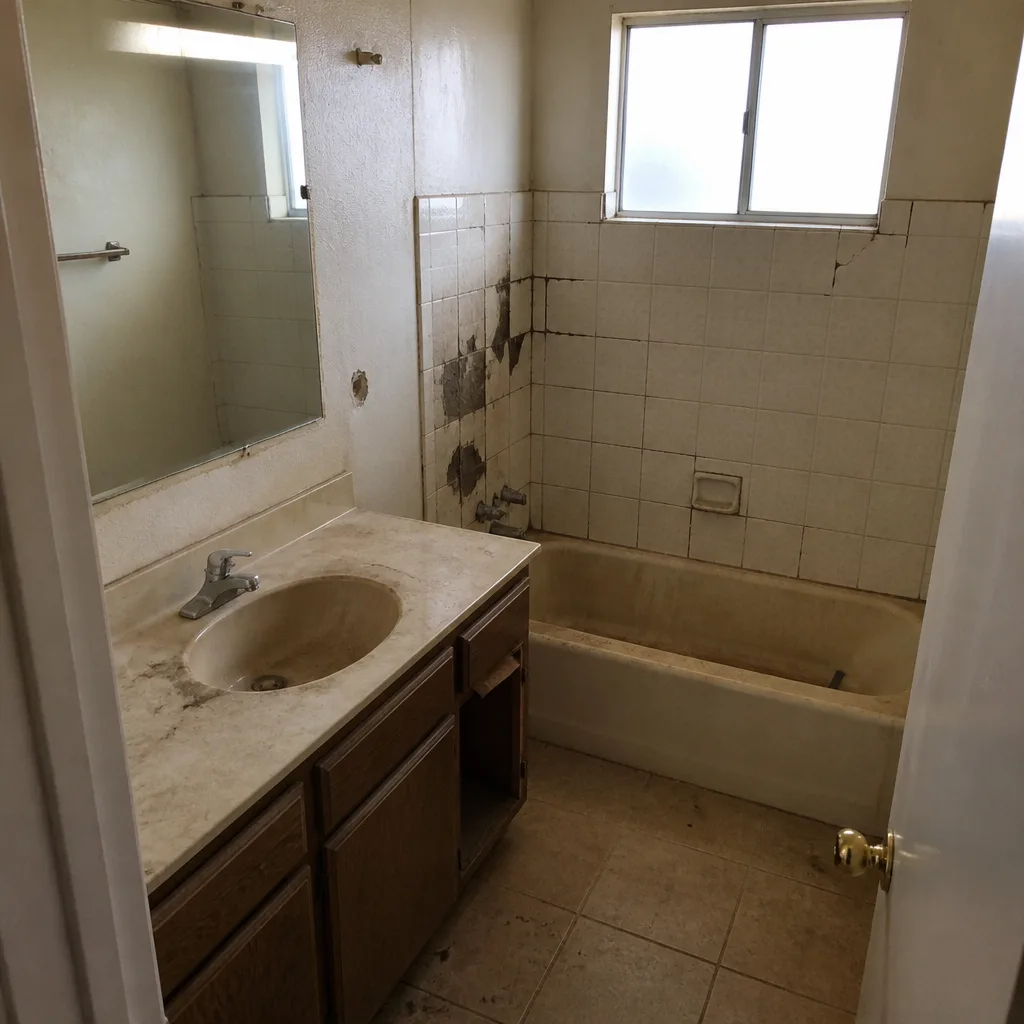
See the difference
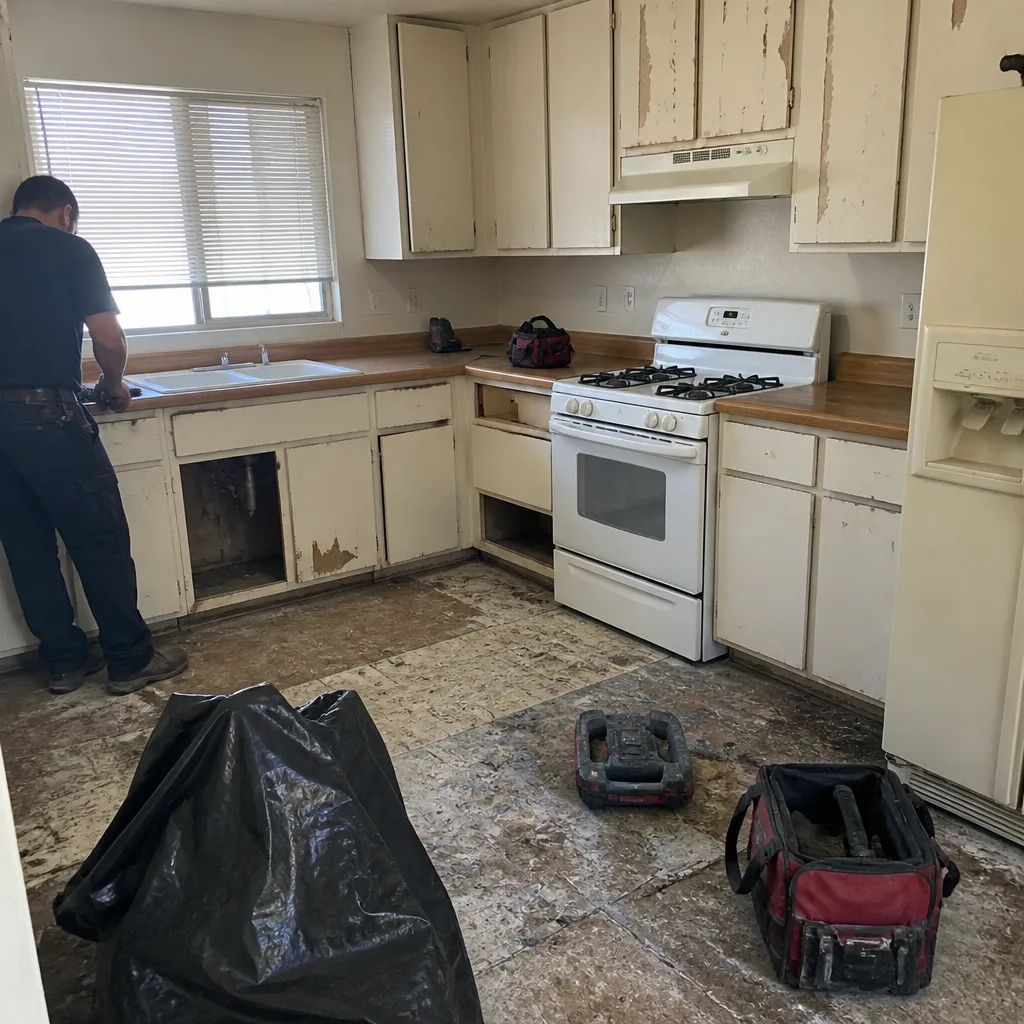 Before
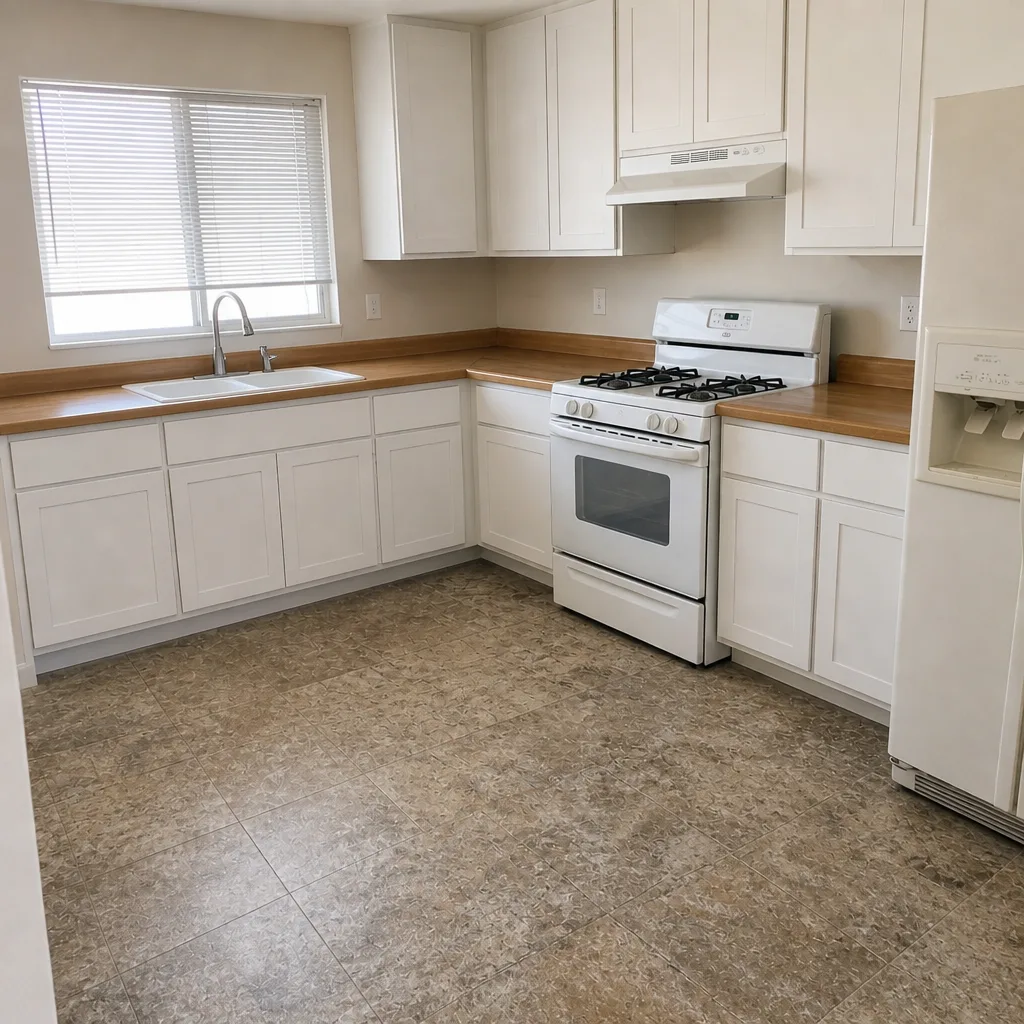 After
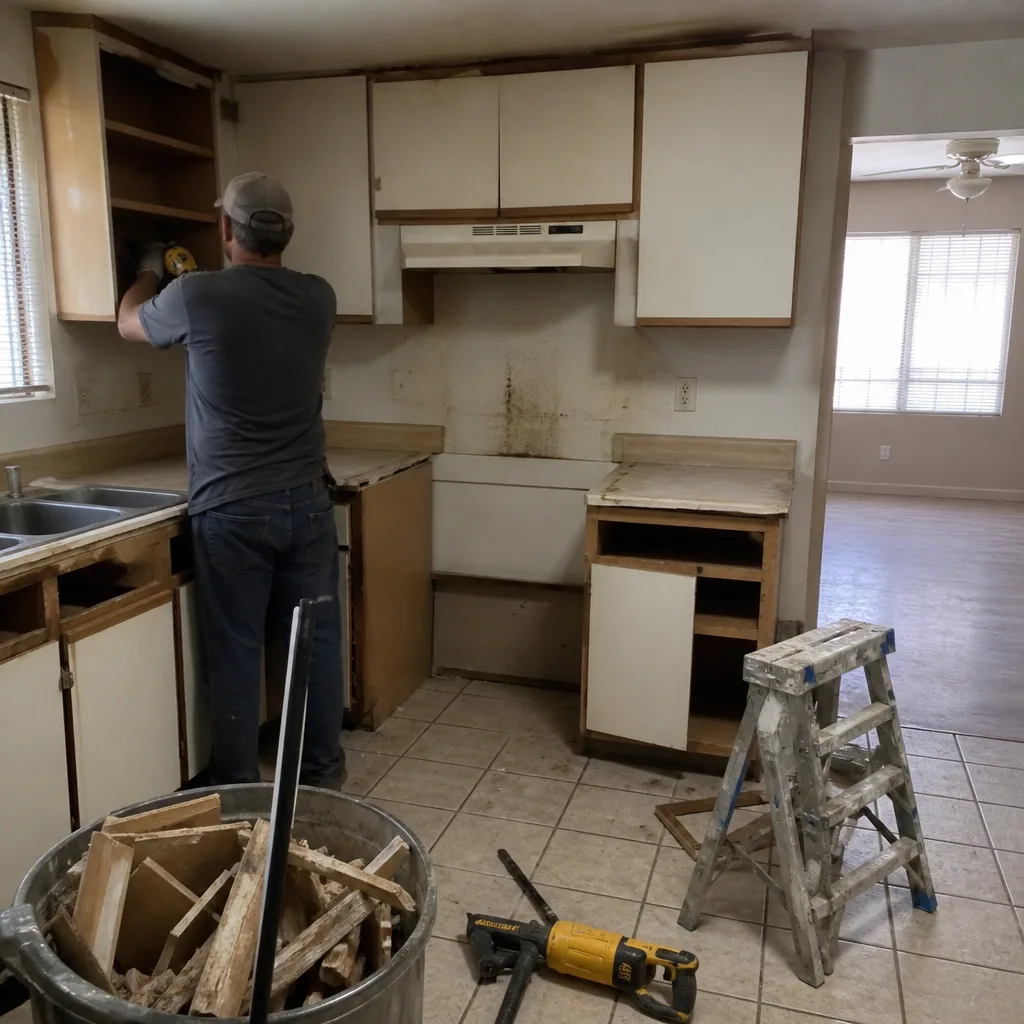 Before
 After
 Before
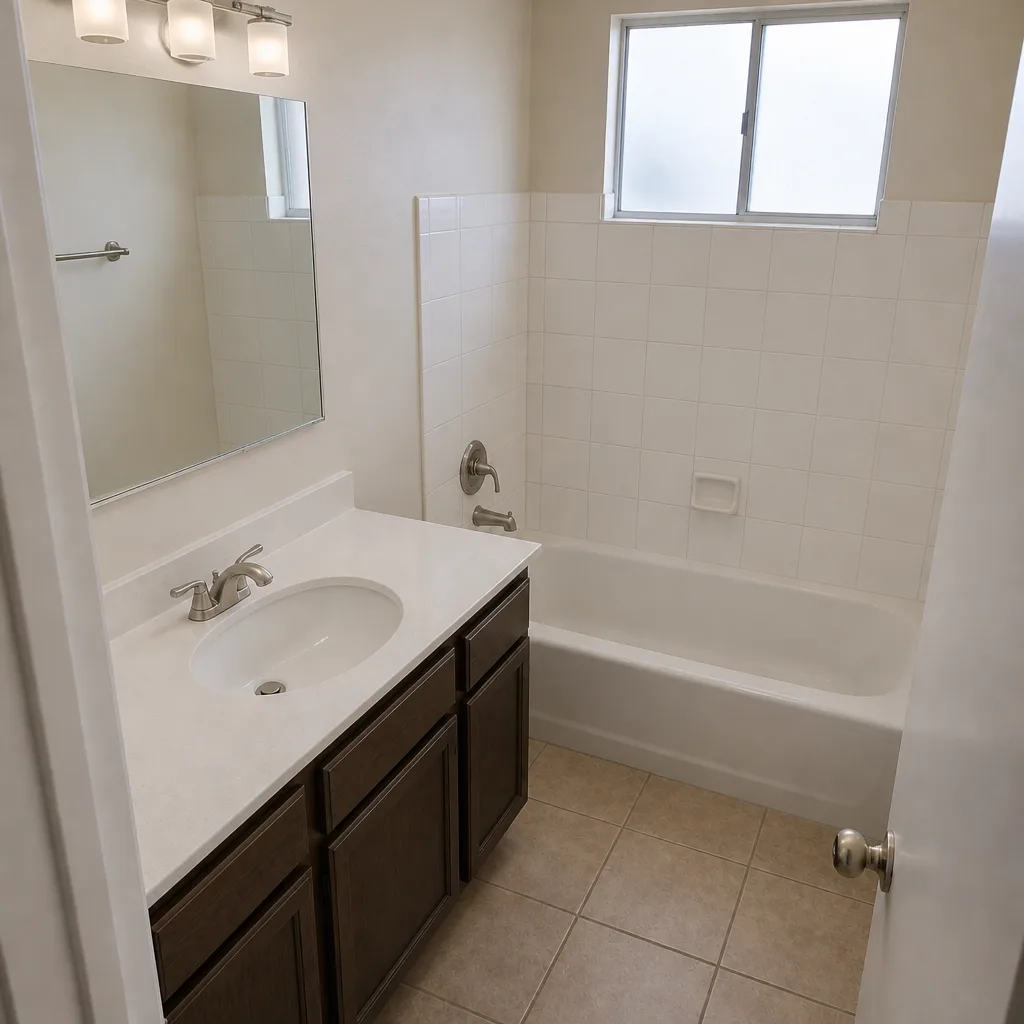 After
When to Call a Professional
Call a professional when the maintenance problem stops being maintenance and starts being a repair. Signs to watch for: soft or spongy flooring around the tub or shower, water stains on the ceiling below the bathroom, musty smells that don’t go away after you clean, tiles that sound hollow when you tap them, or a shower pan that flexes underfoot. Those are signs water has gotten behind the surface, and no amount of caulk or sealer will fix it. If your home’s older and the bathroom hasn’t been updated in 20 years, sometimes the smart call is a full remodel that corrects the underlying issues – and that’s worth pricing out honestly before you sink money into repairs that only last a couple of years. If your remodel is part of a bigger project, our Home Additions & ADU in Las Vegas team can help scope it. Barrett & Sons Construction Las Vegas offers free estimates in Las Vegas – call (866) 814-4155. Every eligible job includes permits pulled and inspections signed, and every completed job is backed by our written 90-Day Done Right Promise.
Frequently Asked Questions
Every 6 months. Las Vegas water averages about 290 parts per million of dissolved minerals, which breaks down grout sealer roughly twice as fast as the soft-water conditions most manufacturers test against. Do the water-bead test at the 5-month mark, and reseal if water soaks in instead of beading. Call (866) 814-4155 if you’d like us to inspect your grout and tell you what it needs.
Because Las Vegas summers swing the temperature 40 degrees between day and night, and caulk expands and contracts with every cycle. That flex opens hairline cracks in the caulk and eventually pulls it away from the tile or tub. The fix is 100% silicone caulk rated for high movement, installed correctly with the old caulk fully removed. Call (866) 814-4155 for an estimate if the cracks keep returning – that usually means there’s a deeper issue.
Do the toilet paper test: turn the fan on, hold a square of toilet paper against the grille, and see if it sticks. If the paper flutters or falls, the fan isn’t moving enough air. The usual cause in Las Vegas is dust clogging the grille and blades, which monthly cleaning prevents. If cleaning doesn’t fix it, the motor may need replacing.
Yes. Insurance adjusters want to see reasonable upkeep when a water damage claim comes in, and a maintenance log with dated photos is the clearest proof you can show that you did the work. Save your photos, product names, dates, and receipts in one file. It’s a 5-minute task that has paid off for homeowners we’ve worked with.
Ongoing maintenance (sealing grout, re-caulking, cleaning the fan) usually runs $40 – $150 in materials if you do it yourself, or $200 – $400 if a pro handles it annually. A professional inspection that finds water damage typically costs $100 – $250 for the inspection itself, and repairs beyond that can run anywhere from $500 to several thousand depending on what’s behind the wall. Call (866) 814-4155 for a free estimate – we’ll give you a written line-item quote before any work starts.
Yes, and it’s part of the deal. Our 90-Day Done Right Promise covers workmanship on any completed job – if something’s not right, one call brings us back. But like any warranty, it assumes routine maintenance: you wouldn’t expect a roof warranty to cover a roof nobody cleaned. Keep the maintenance log, and if a workmanship issue comes up, we’ll be out to look. Call (866) 814-4155 and a live person picks up, 24/7.
The Bottom Line
Las Vegas breaks the national bathroom maintenance chart in three ways: hard water that kills grout sealer twice as fast, extreme heat that cracks caulk joints, and desert dust that clogs exhaust fans and reduces airflow. Adjust for those three forces, and the routine becomes simple: seal grout every 6 months, inspect caulk every May, clean the fan grille monthly, and keep a written log with dated photos so your warranty and your insurance claim both have paper behind them. Do that and your bathroom holds up for decades, not years. Barrett & Sons Construction Las Vegas – call (866) 814-4155 for a free estimate, and let’s talk about what your bathroom actually needs.
Written by the team at Barrett & Sons Construction Las Vegas.