
Last updated November 17, 2026
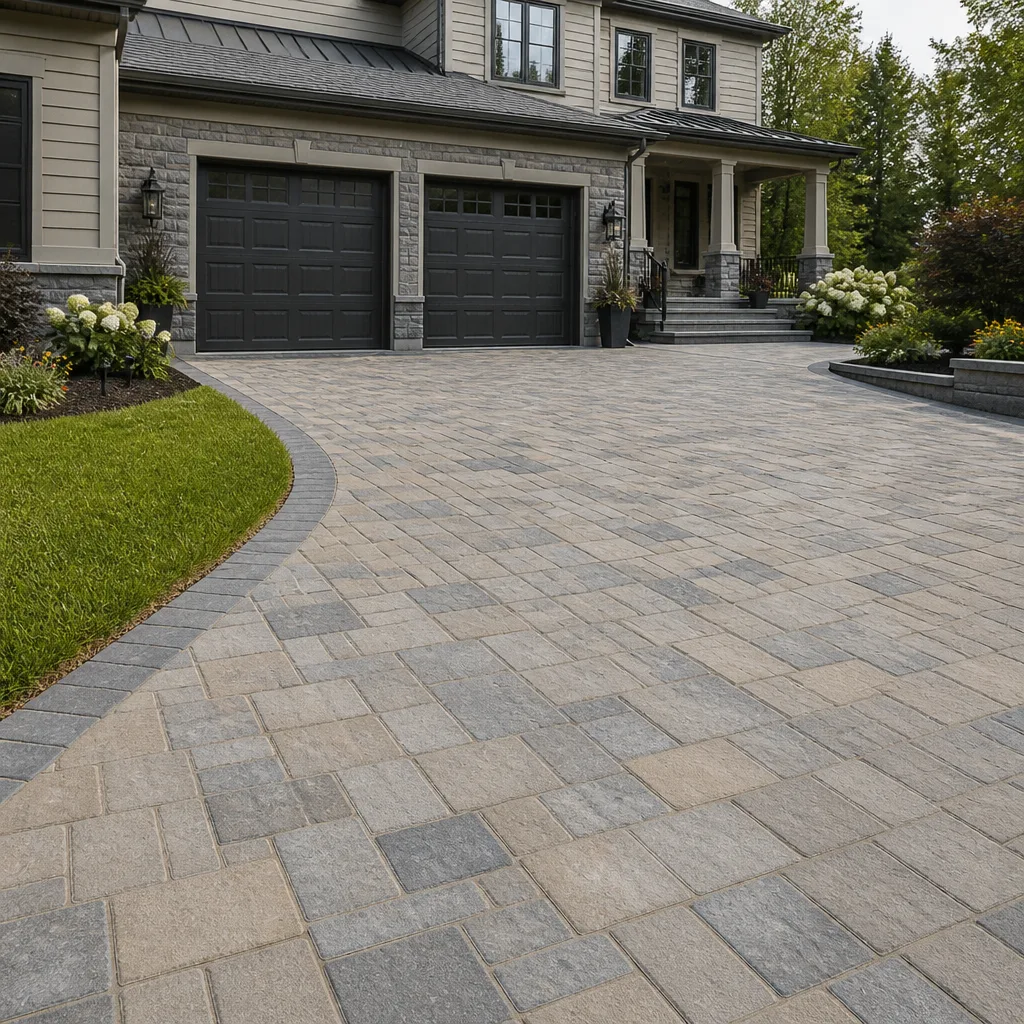 Driveway & pavers
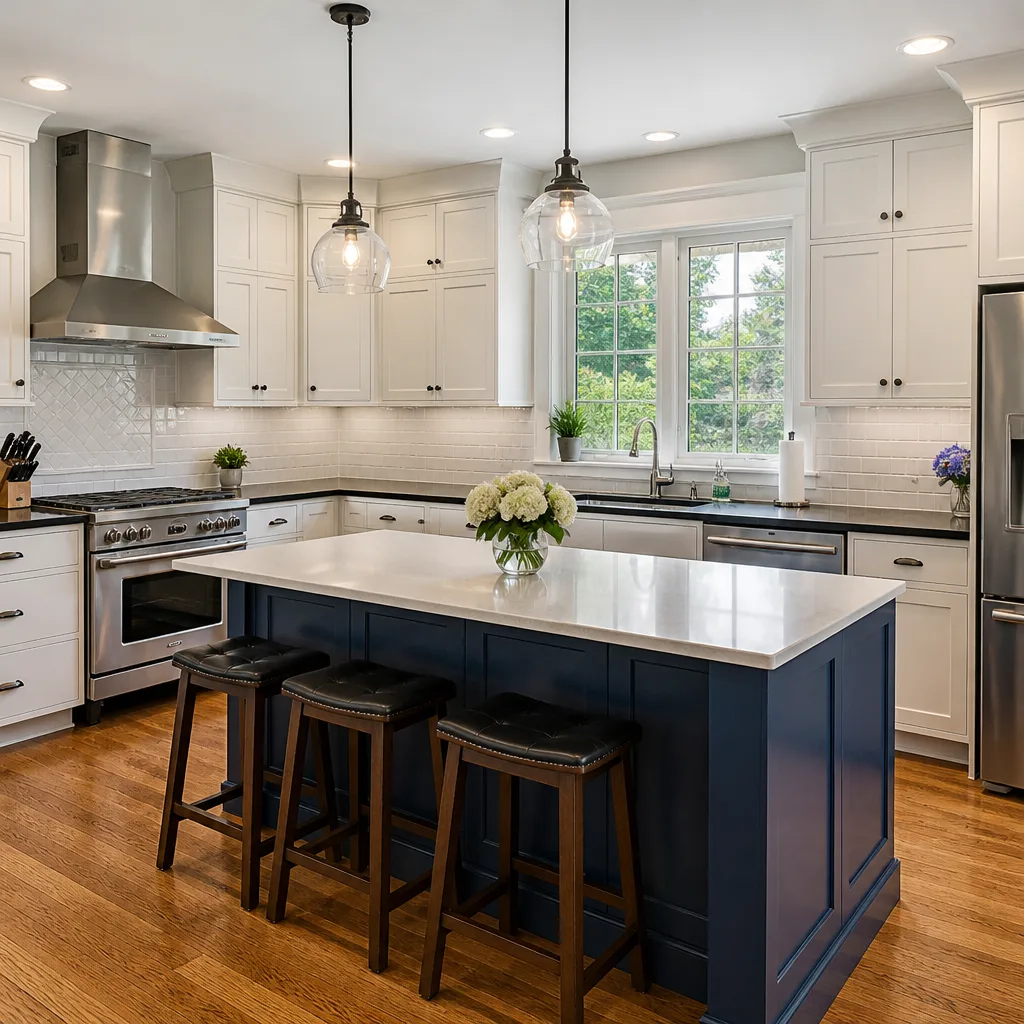 Kitchen remodeling
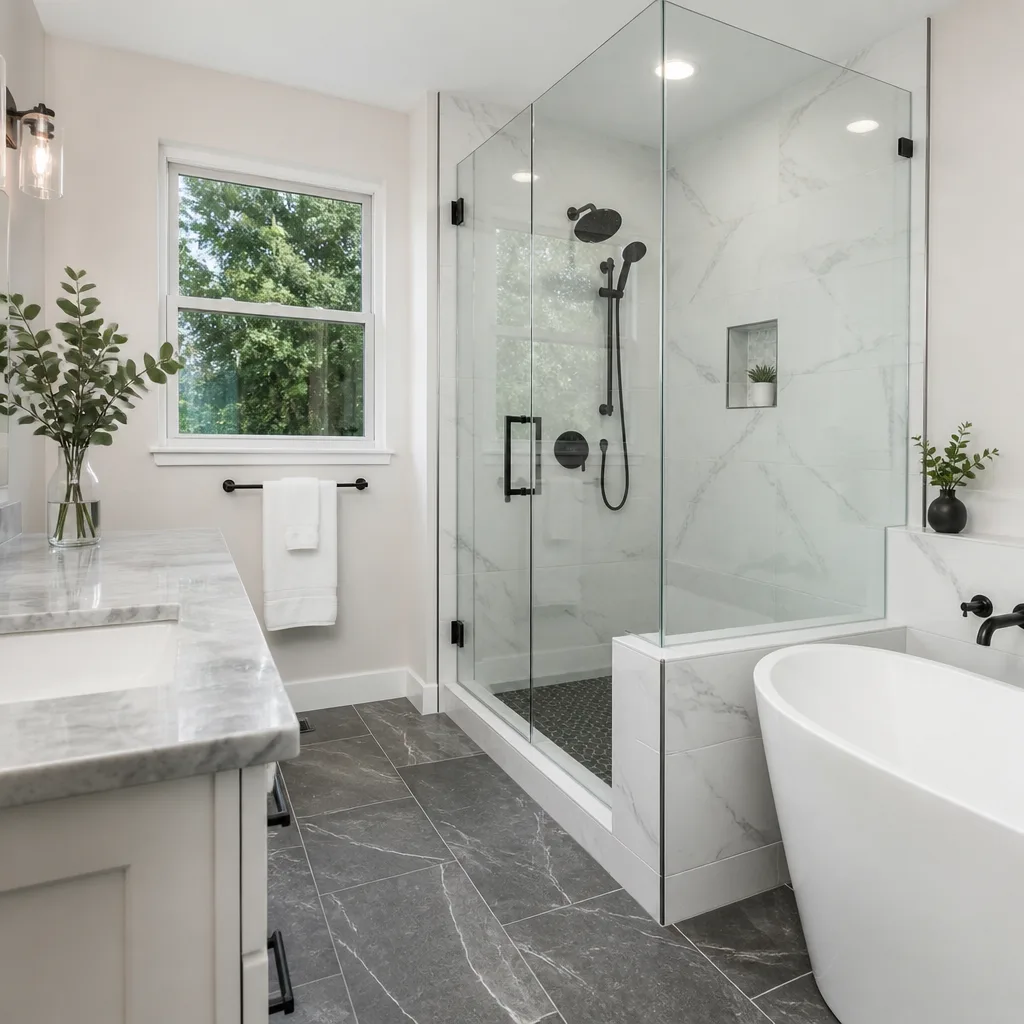 Bathroom remodeling
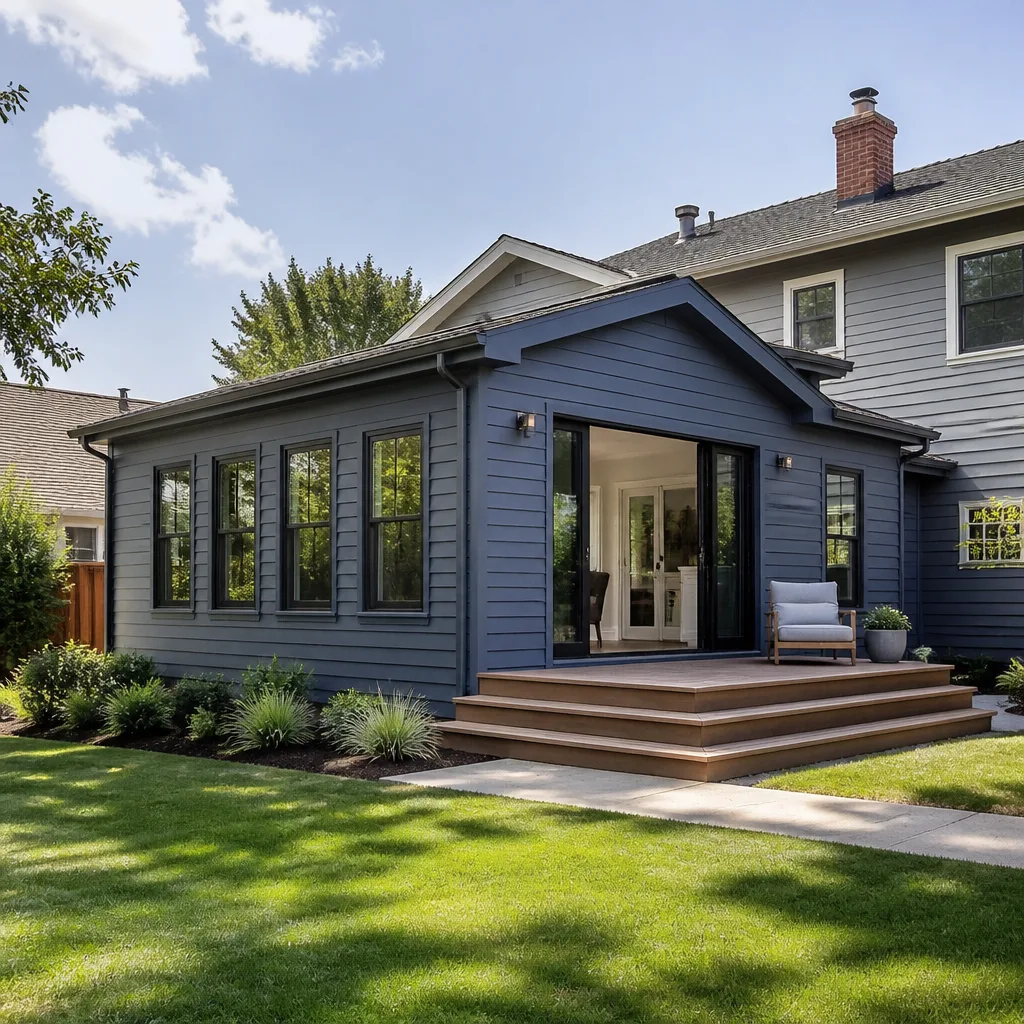 Home additions & ADU
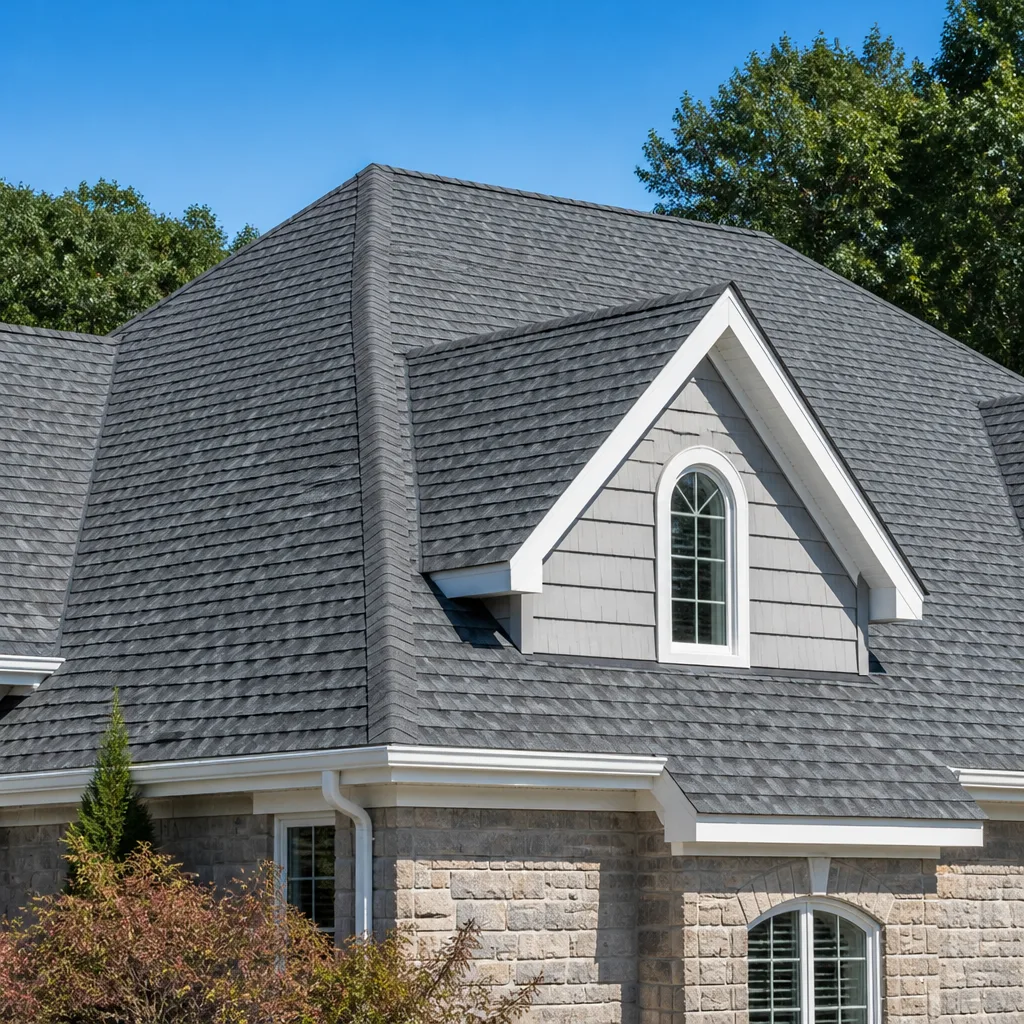 Roofing
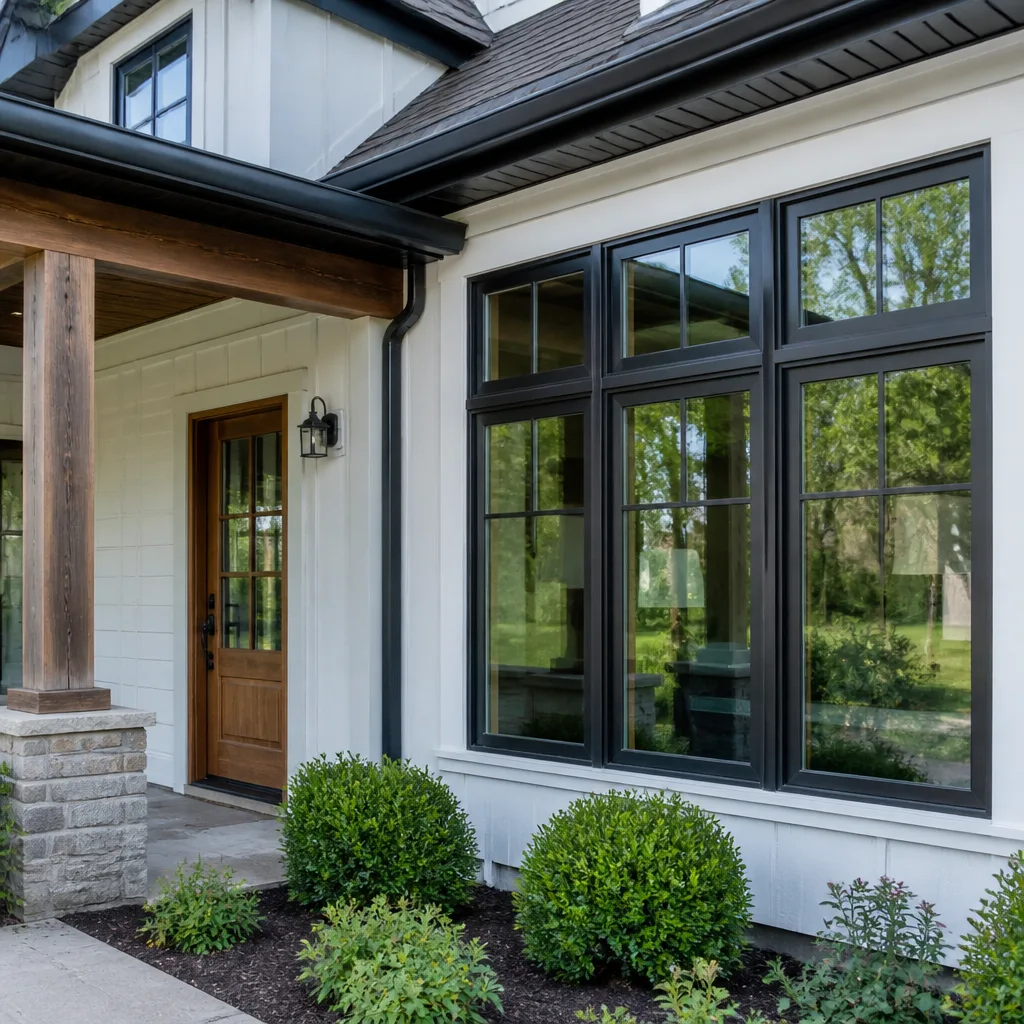 Windows & doors
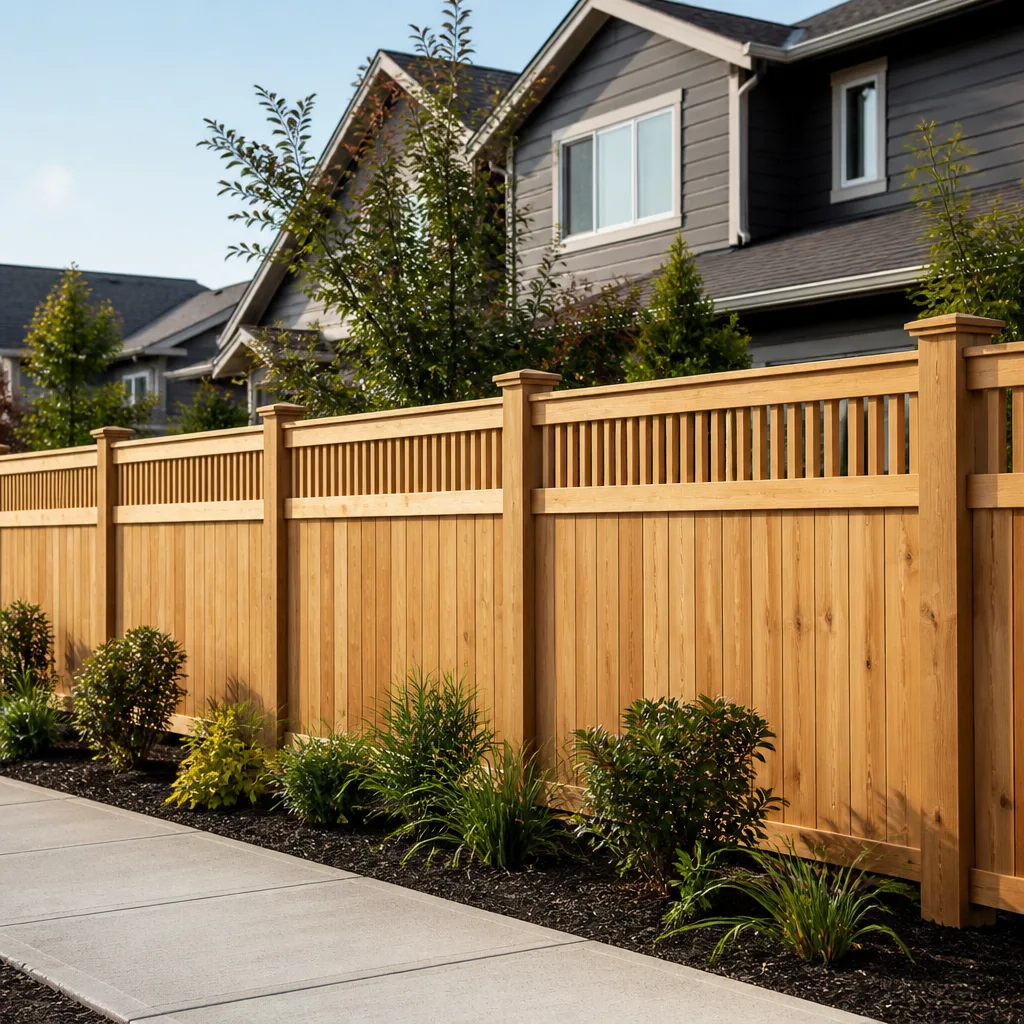 Fence
Free written scope consultation - allowances, timeline, and change-order rules on paper before a single trade is scheduled
Driveway & Pavers Troubleshooting: Common Problems and How to Fix Them
If your pavers are rocking under tire weight but look perfectly level from the street, the problem isn’t the pavers at all. It’s a sand bed that was laid too thick, a mistake that no amount of re-sanding the surface will ever cure. We’ve pulled up Las Vegas driveways where the homeowner had re-swept sand into the joints four times over three summers, and the pavers were still shifting because the real failure was six inches below the surface the whole time. This guide reads the clues your driveway is already leaving you: what sinking actually means, why pavers creep outward, what a sudden white stain after a monsoon is telling you, and when a repair is a legitimate afternoon reset versus a full regrade. By the end, you’ll know which symptom points to which root cause, and which fixes are worth your Saturday.
Quick Answer
Most driveway paver problems in Las Vegas come down to one of three root causes: a base that wasn’t compacted deep enough for our caliche-heavy soil, a sand bed laid too thick so the pavers float instead of locking, or edge restraint that wasn’t anchored, letting the field creep outward. Sinking, rocking, and spreading are installation fingerprints, not random wear. The fix depends on which one you have, and surface patching only works when the symptom is genuinely cosmetic.
Styles & brands we work with
- Kitchen remodeling
- Bathroom remodeling
- Home additions & ADU
- Roofing
- Windows & doors
- Driveway & pavers
- Fence
Table of Contents
- How do you diagnose sinking pavers?
- What is paver creep and how do you stop it?
- Why do white stains appear after monsoon rain?
- Is a cracked paver cosmetic or structural?
- When is a repair a DIY reset versus a full regrade?
- Why Las Vegas soil and heat break paver installations
- What do paver repairs cost in Las Vegas?
How Do You Diagnose Sinking Pavers?
Sinking is the most misread paver symptom. Homeowners see a dip and assume the pavers are the problem, so they lift the low ones and add sand underneath. Three months later the dip is back. That happens because sinking almost always traces to one of three causes, and each one needs a different repair path.
The first is base failure. A proper paver base is compacted in lifts, usually 4 to 6 inches of crushed aggregate for a driveway carrying vehicles, compacted in 2-inch layers. When it’s dumped and compacted once, the lower material stays loose and settles under tire load. The tell: the dip is broad, follows tire tracks or your regular parking spot, and worsens slowly over a season or two.
The second is sand migration. The bedding sand under your pavers is only supposed to be about an inch thick. Too thick and the pavers float on a loose cushion that shifts and pumps with every rain and every tire pass. The tell: pavers rock individually when you press on a corner, joints open up, and sand works its way to the surface or into the street.
The third is caliche void collapse, and it’s specific to the desert Southwest, including most of Las Vegas. Caliche is a naturally cemented calcium carbonate layer that forms in our soil. It’s hard as concrete in one spot and can hide a pocket or void right next to it. If a contractor breaks through caliche during excavation without properly filling and compacting the void, the paver field above it eventually drops. The tell: a localized, sharp-edged dip that appears suddenly, sometimes a foot wide, sometimes several feet, with no relation to tire traffic.
Here’s how to separate them without lifting the whole driveway:
- Walk the dip with your weight on each paver. If individual units rock, suspect sand migration. If the whole section drops together, suspect base failure or a void.
- Look at the shape. Broad and gradual points to the base. Sharp and sudden points to caliche.
- Check the edge. If the border pavers near the dip are also loose or pushed out, the restraint may be involved too.
- Hose the area and watch. Water pooling in a sharp dip with no drainage path is a strong signal of a void underneath.
Once you know which of the three you’re dealing with, the repair becomes clear. If you’d rather have someone read the clues with you, our Driveway & Pavers in Las Vegas team looks at exactly this before quoting anything.
What Is Paver Creep and How Do You Stop It?
Paver creep is the slow outward spreading of the whole field, most visibly at the driveway edges, where pavers push past the border or open wide joints that no amount of sand will keep filled. It’s not the pavers moving on their own. It’s the edge restraint failing to hold them.
Every paver field needs a restraint along its open edges, usually a spiked aluminum or plastic edge, or a poured concrete curb. The restraint’s job is to lock the field in compression so the pavers interlock and resist lateral load. When it isn’t spiked deep enough or isn’t set on a stable base, every tire pass pushes the field outward a fraction of an inch. Over a couple of years, those fractions add up to visible creep.
The good news is you usually don’t need to replace the whole field. Here’s the repair sequence a professional uses:
- Pull the border pavers along the failing edge.
- Reset the edge restraint on a properly compacted base and spike it deep enough to resist lateral load, not just surface-set.
- Pull two to three courses inward and re-seat the field, adding pavers from the same or matching lot to close the gaps that creep opened.
- Re-sand the joints and compact.
In our experience across the Las Vegas valley, the most common cause of premature creep isn’t bad pavers at all. It’s a restraint that was set on loose fill or spiked into a surface that could never hold a spike. That’s why the corners and edges are where you see it first. A brand like Belgard or Unilock is engineered to interlock and hold under load, but no paver makes up for an edge that isn’t anchored. The pavers do their part; the restraint has to do its part.
Why Do White Stains Appear After Monsoon Rain?
If a white, chalky haze blooms across your pavers a few days after a summer monsoon, that’s efflorescence, and it’s not damage. It’s mineral salts, naturally present in concrete pavers and the base, that dissolve in water and migrate to the surface as moisture evaporates. The monsoon season in Las Vegas, roughly July through September, drives more of this than any other time of year because the sudden heavy rain pushes moisture deep into the field.
Efflorescence is cosmetic, and the treatment is easier than most people fear, but the order matters because the wrong step can void a surface sealer.
What actually works:
- Let it weather first. A lot of efflorescence fades on its own as the salts finish migrating. Give it four to six weeks before doing anything.
- Dry-brush it. A stiff-bristle brush takes off the loose bloom without putting more water into the field.
- Use a proper efflorescence remover if it persists. A dilute specialty cleaner made for masonry dissolves the salts. Follow the label, and test on a hidden paver first.
- Do not pressure-wash hard or seal over it. Blasting the surface can drive salt deeper, and sealing a bloomed paver traps the moisture that caused it and locks the stain under the sealer.
The key point: identify efflorescence before you seal. Sealing is a good idea in the desert for UV and fade protection, but sealing a moist, blooming field is the one thing that makes efflorescence permanent. A surface that’s been correctly treated and fully cured is safe to seal. A surface that’s still migrating is not.
Is a Cracked Paver Cosmetic or Structural?
One cracked paver is not a driveway problem. Ten cracked pavers in a straight line, or cracks clustered around the same spot, is a message from the base underneath. The difference is point loading: when the sub-base has a high spot, a rock, a broken piece of caliche, or an unfilled void beneath a paver, that paver takes all the load of a tire instead of sharing it with its neighbors. It cracks because nothing under it is supporting the weight.
Here’s how to tell which you have:
- Cosmetic crack: a single paver, crack not aligned with neighbors, no movement when you step on it, no dip or rise nearby. Likely an impact or a bad unit from the factory.
- Structural crack: a crack pattern that repeats across adjacent pavers, a section that rocks or dips, cracks that run with the tire path, or a crack right over a visible hump.
If it’s cosmetic, replacing the one paver is a real fix, and you can often do it yourself with a matching unit from the original lot. If it’s structural, replacing the cracked pavers without fixing the point loading just means the next paver cracks. The real repair is to lift the affected section, correct the sub-base beneath it, re-compact in proper lifts, and re-set the pavers.
In our experience working driveways around Las Vegas, structural cracks most often show up where a contractor hit caliche, broke through, and never properly filled the pocket before laying the base. The crack is the symptom; the void is the cause.
When Is a Repair a DIY Reset Versus a Full Regrade?
We get asked this constantly, and the answer is usually honest: some paver problems are real weekend projects, and some are not.
These are legitimate DIY resets:
- Replacing a single cracked or chipped paver with a matching unit.
- Re-sanding open joints that have lost sand but where the field is stable and not rocking.
- Re-setting a couple of surface pavers that were disturbed by a utility or landscaping cut.
- Cleaning efflorescence with a proper masonry cleaner once the field is dry.
These are not DIY jobs, and trying to fake one is how small problems become expensive ones:
- Rocking or dipping sections caused by base failure or a caliche void. You can’t fix a six-inch-deep cause from the top.
- Widespread creep that needs the edge restraint re-set on a proper base.
- Any regrade that changes how the driveway drains toward the house, garage, or street. In Clark County, changes to drainage and site grading often trigger permit and inspection requirements, and a mistake here sends water at your foundation.
- Any repair that requires excavation into the base.
The rule of thumb: if the problem is at the surface, you can handle it. If the problem is under the pavers, the repair means going under them, and that’s where a permit and a proper compaction schedule matter. The permit inspector works for you, not for the contractor, and site grading and drainage changes are exactly where that inspection earns its keep. If your driveway ties into a larger project like a new addition, garage, or ADU, the drainage plan runs through both, which is one more reason to look at the whole picture at once – our Home Additions & ADU in Las Vegas team plans that grading from the start.
Why Las Vegas Soil and Heat Break Paver Installations
Las Vegas is a hard place to install pavers and an easy place to install them wrong. The two culprits are heat and soil.
Our summer ground temperatures get hot enough to affect the sealers and bedding sand, and our freeze-free climate means contractors sometimes skip the same compaction steps they’d take in a colder state. But compaction is about load, not frost. A driveway that takes a 6,000-pound truck, day after day, at our late-summer temperatures, is exactly where a shallow base shows up first.
Then there’s the caliche. The hardpan that makes Las Vegas soil so tough to plant in also makes it unpredictable to excavate. A contractor can run into a caliche shelf one foot into the dig and need to break through it. If they do and the void behind the break isn’t filled and compacted, that spot becomes the first dip on the driveway. This is why a qualified installer walks the site and probes before quoting, and why a flat quote on the phone without looking at the site is a red flag.
The fix isn’t exotic. It’s disciplined. Excavate past the caliche shelf, fill the void, compact in proper lifts, get the base depth right for vehicle load, and set a real edge restraint. That’s also when the right brands matter, and it’s why we install Belgard and Unilock products and tell you the exact product line so you can look it up yourself. A good paver in a bad base fails. A good paver in a good base lasts.
What Do Paver Repairs Cost in Las Vegas?
Every driveway is different, but here’s a realistic ballpark of repair categories and what drives the price. Treat these as ranges, not quotes.
- Re-sanding open joints: low cost, usually a partial-day labor project, done during a dry stretch.
- Replacing a single paver or a small surface reset: modest cost for labor plus a matching unit from the original lot.
- Efflorescence treatment: cleaning and cure time, done in stages around monsoon season.
- Edge restraint re-set (creep repair): pulls the border, resets the edge on proper base, closes the gap, re-sands. Priced by the linear foot of failing edge.
- Section lift and base correction (sinking): the highest of the repair categories, because it involves excavation, void fill, re-compaction, and re-set. This is where the real variance lives.
Two things drive the price more than anything else: how large a section needs to come out, and whether the base underneath needs excavation or just compaction. A small lift is very different from a full regrade. The honest approach is a written, line-item estimate after someone has seen the site, not a phone number, and no scope change should ever happen without a written change order issued first. That’s how we work: every scope in writing, every allowance in writing, every change order in writing before work moves.
Common Mistakes to Avoid
- Re-sanding a field that’s rocking. New sand over a floating base just disappears into the failing bed. It hides the symptom for a few months and wastes your money.
- Sealing before treating efflorescence. A sealer over a blooming paver field traps the moisture that caused it. That turns a cosmetic problem into a permanent one, and most sealers’ warranties don’t cover it.
- Accepting a flat phone quote. A driveway repair priced without someone probing the base is a guess. That’s how the national-outfit story begins: one price on the phone, a different bill at the door.
- Replacing cracked pavers without fixing the point loading. Same crack, next paver. The cause is under the surface.
- Skipping the permit on grading and drainage changes. In Clark County, site changes often require a permit and inspection. Skipping it means the next owner inherits the problem, or the water finds your foundation.
- Spiking the edge restraint into loose fill. This is the number one cause of creep we see in Las Vegas. The restraint needs to sit on a compacted base and be spiked deep enough to hold.
- Assuming the lowest bid used the right base depth. Base depth is invisible after the pavers go down. Ask what depth and compaction schedule your quote specifies, and get it in writing.
When to Call a Professional
Call a professional when the symptom is under the surface. If your pavers rock, if a section dips, if the field is creeping at the edge, or if you’re seeing a cluster of cracks over one spot, the repair means going under the pavers and correcting the base. That’s excavation, compaction in lifts, caliche handling, and often a permit and inspection, and it’s not a job you want to start on a Saturday and regret by Thursday. Call us too if you’re planning to tie a driveway repair into a fence line, a new addition, or a change to how the property drains – those decisions affect each other. If you need fencing alongside the hardscape, our Fence Installation in Las Vegas team uses products like Bufftech and ActiveYards and can match the grading work. Barrett & Sons Construction Las Vegas offers free estimates in Las Vegas – call (866) 814-4155. A live person answers, any hour, and there’s no trip charge inside the county.
See the difference
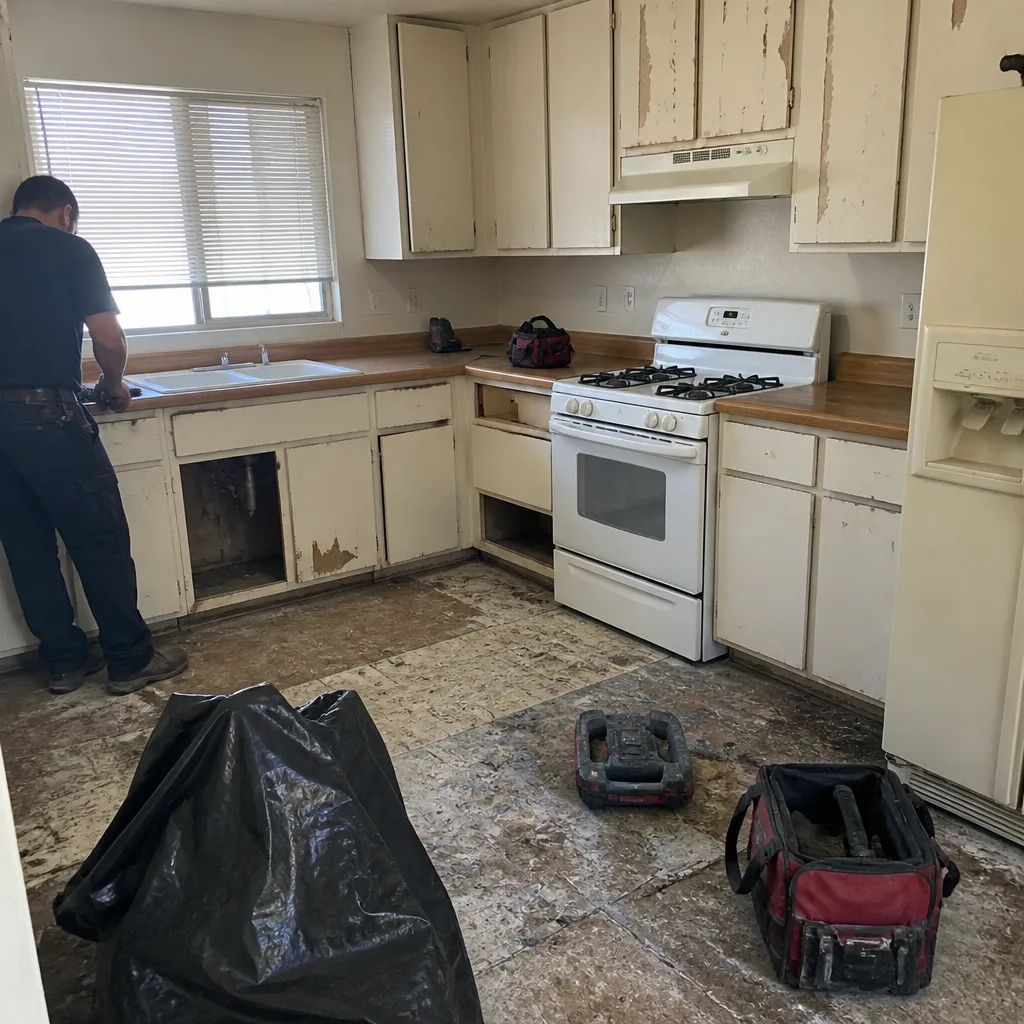 Before
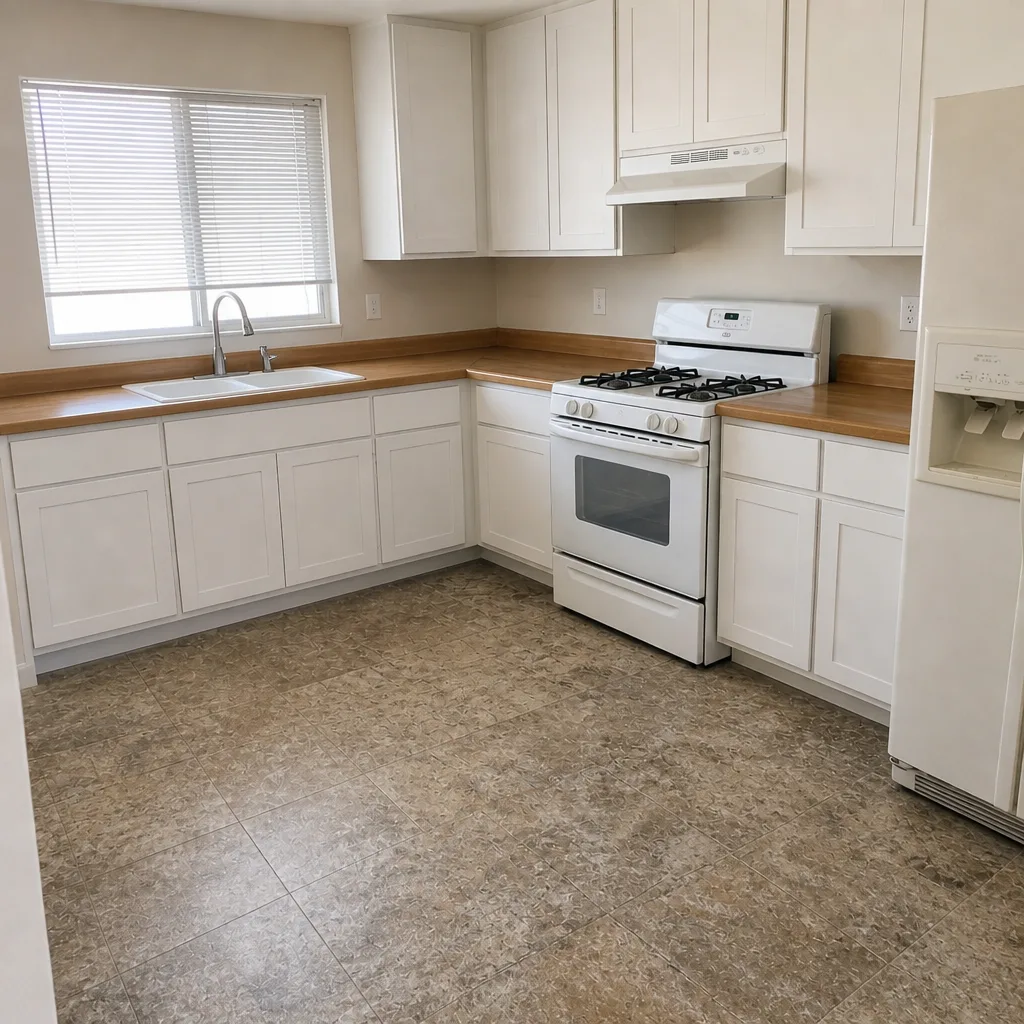 After
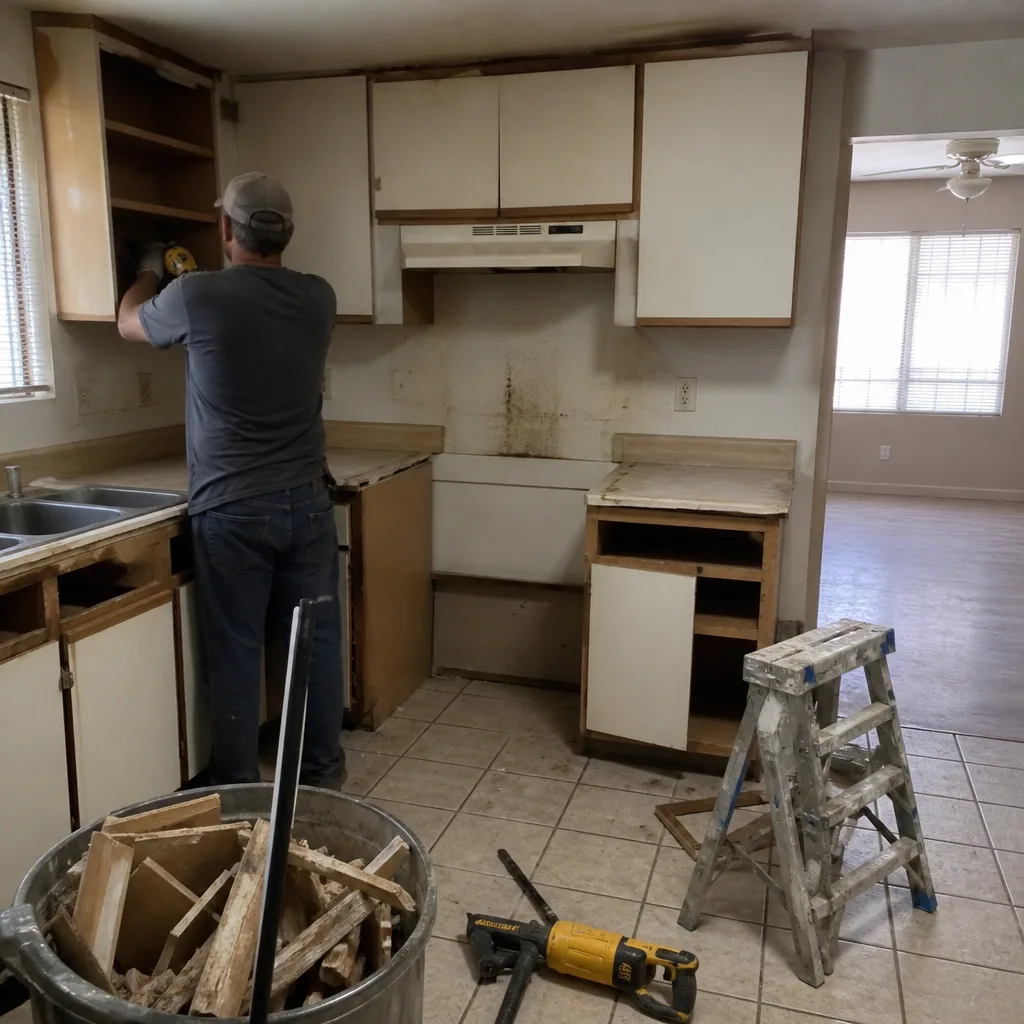 Before
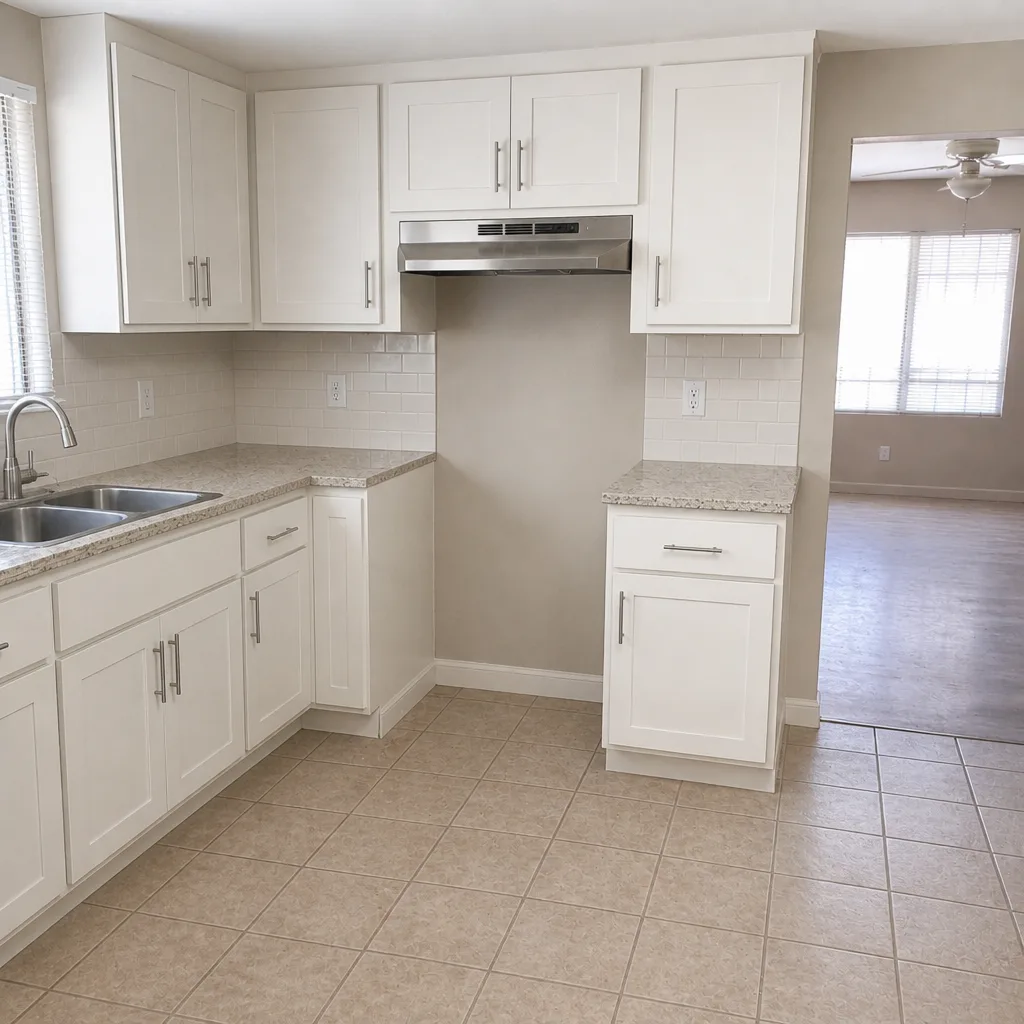 After
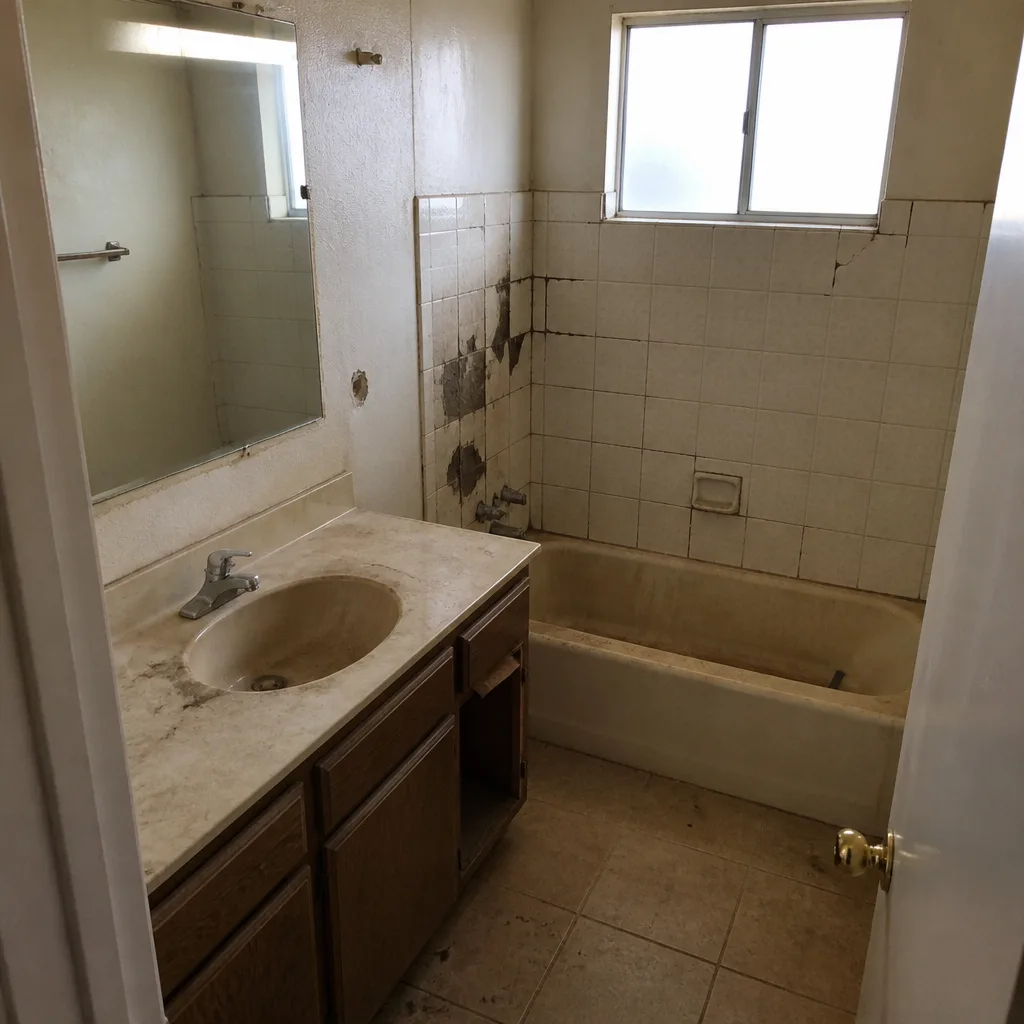 Before
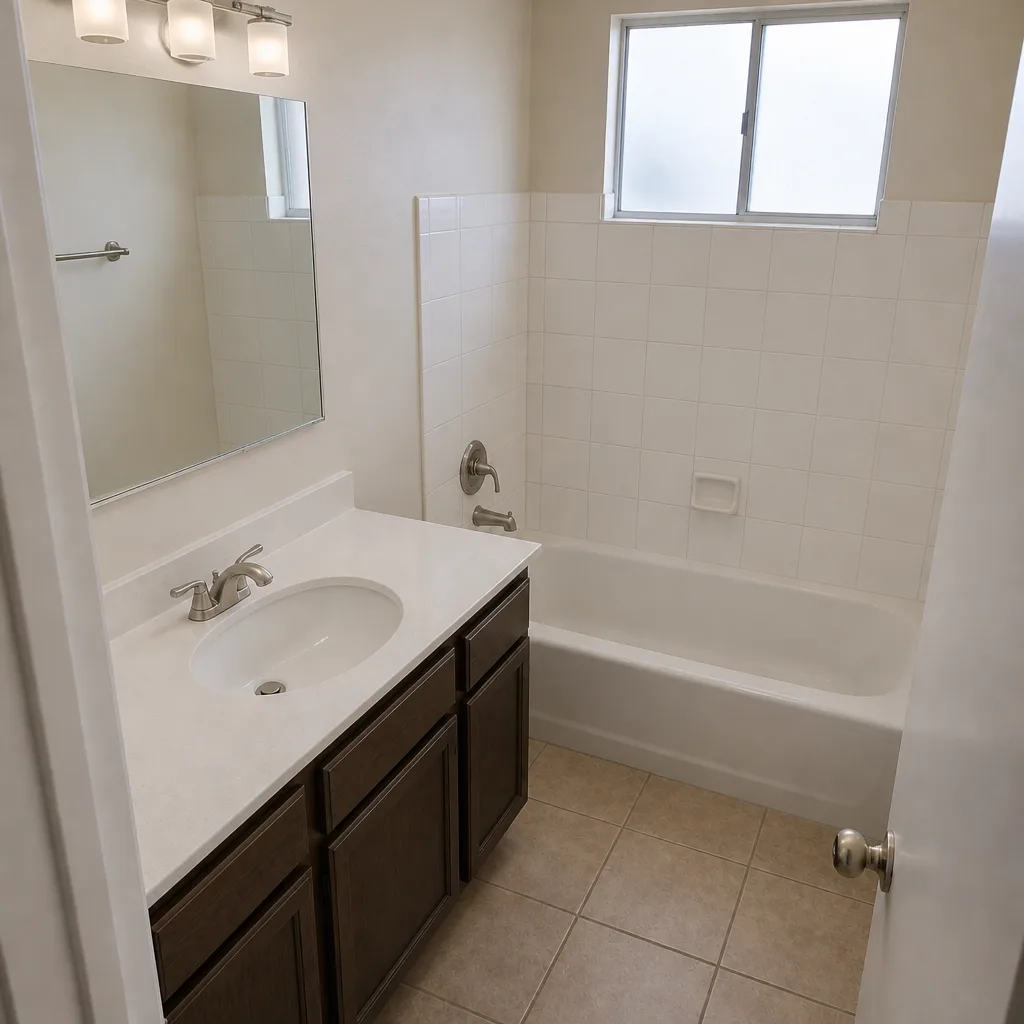 After
Frequently Asked Questions
Sinking in Las Vegas is usually one of three things: a base that wasn’t compacted in proper lifts, a sand bed laid too thick, or a caliche void that collapsed under the field. The repair path depends on which one it is, which is why someone should look before quoting. Call (866) 814-4155 for a free estimate and we’ll diagnose it on site rather than from memory.
Re-sanding is a real fix only if the field is stable and you’ve just lost sand from the joints. If the pavers rock, re-sanding is a bandage that lasts a few months at best. Sand won’t fix a floating bed or a void underneath. If you can’t tell which you have, that’s the right time to call and ask.
No. White stains after a monsoon are almost always efflorescence, a cosmetic mineral bloom that fades with time and a proper masonry cleaner. The important part is not to seal over it before it’s treated and dry. Call us if you want a second opinion before you seal – our free second opinion on any written estimate is there for exactly this.
A simple paver reset or joint repair generally does not. A repair that changes site grading, drainage, or ties into a structural project usually does, and that’s when pulling the permit and passing inspection matters. We pull permits and sign inspections on every eligible job, because a driveway that drains wrong costs more to fix later than any permit ever will.
A single paver replacement or joint re-sand is often a partial-day project. A creep repair along the edge depends on linear feet. A section lift and base correction takes planning and cure time, sometimes several days, and it’s scheduled around dry weather. Your written estimate will give you the real timeline before work starts, and any change to it comes as a written change order.
For Las Vegas driveways we install Belgard and Unilock products, and we tell you the exact product line so you can look it up yourself. Both hold up well to vehicle load and desert UV when they’re set on the right base. The pavers do their part; the base and the edge restraint do the rest.
Frequently Asked Next Steps
If you’ve read this far, you’ve probably spotted your driveway in one of these sections. The good news is that most of these problems have a defined repair, not a replacement bill. The bad news is that the wrong fix – re-sanding over a floating base, sealing over efflorescence, replacing cracked pavers without correcting point loading – costs more the second time. Ask anyone on your street, or look up the license number yourself before you sign anything.
The Bottom Line
Your paver driveway is telling you exactly what went wrong during installation. Rocking and dipping mean base or bed failure. Outward spreading means edge restraint. Sudden sharp dips mean caliche. White stains after a monsoon are efflorescence, not damage, and cracks tell you where the load has nowhere to go. Match the symptom to the cause and the repair becomes clear: surface fixes stay at the surface, and anything under the pavers needs excavation, compaction, and often a permit. Get the scope, allowances, and every price change in writing before work moves – the allowance that isn’t on paper is a surprise waiting for a date. That’s the whole philosophy, and it’s why we stand behind it with a 90-Day Done Right Promise on every job.
Talk to Barrett & Sons Construction Las Vegas
If your driveway is leaving clues you’d rather have someone read in person, call Barrett & Sons Construction Las Vegas at (866) 814-4155 for a free estimate. We’ll look at the base, the edge, and the drainage together, give you a written line-item quote with any needed permits spelled out, and offer a free second opinion on any written estimate you already have. A live person answers around the clock, there’s no trip charge inside the county, and if you’re a senior or veteran, ask about the permanent 10% discount. If you’re comparing contractors across the valley, start with our Barrett & Sons Construction Las Vegas home page, then get the estimate. Every price change arrives in writing before a single paver moves.
Written by the team at Barrett & Sons Construction Las Vegas.