
Last updated November 17, 2026
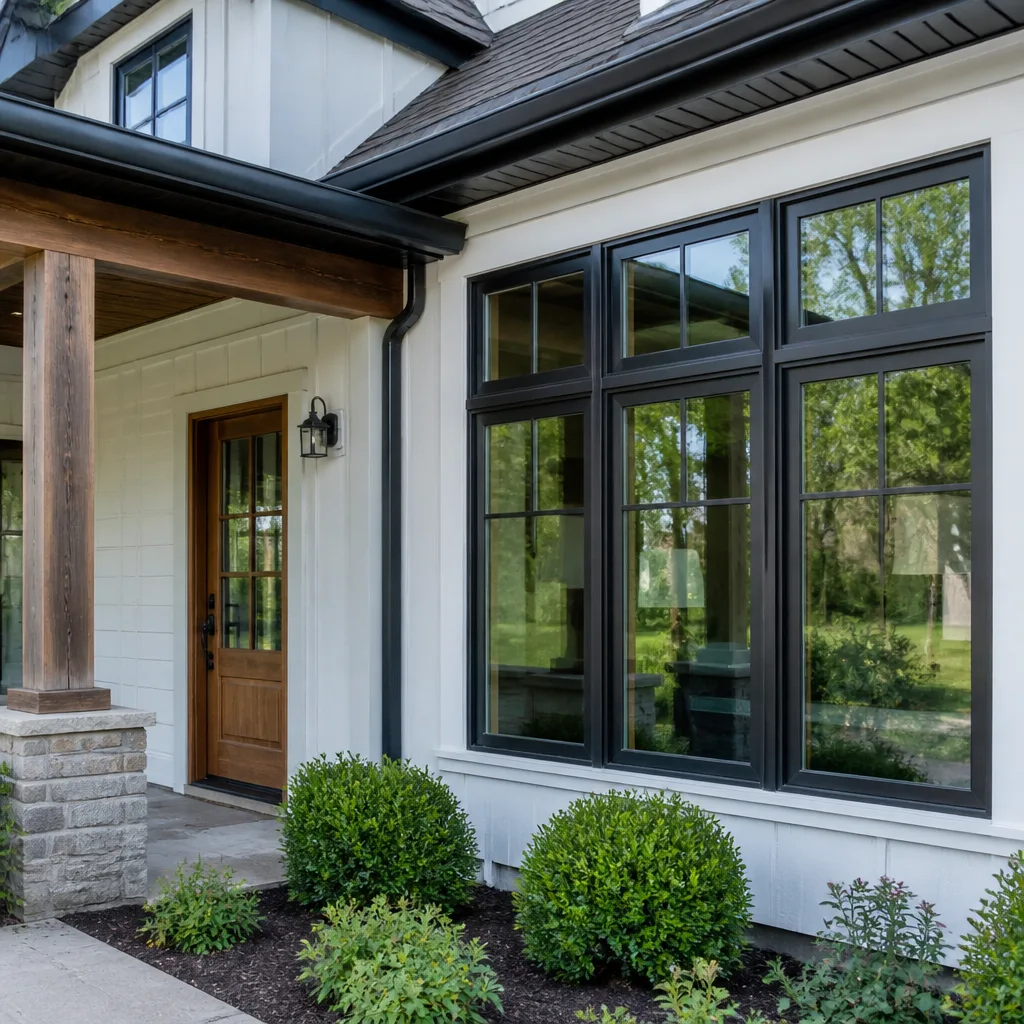 Windows & doors
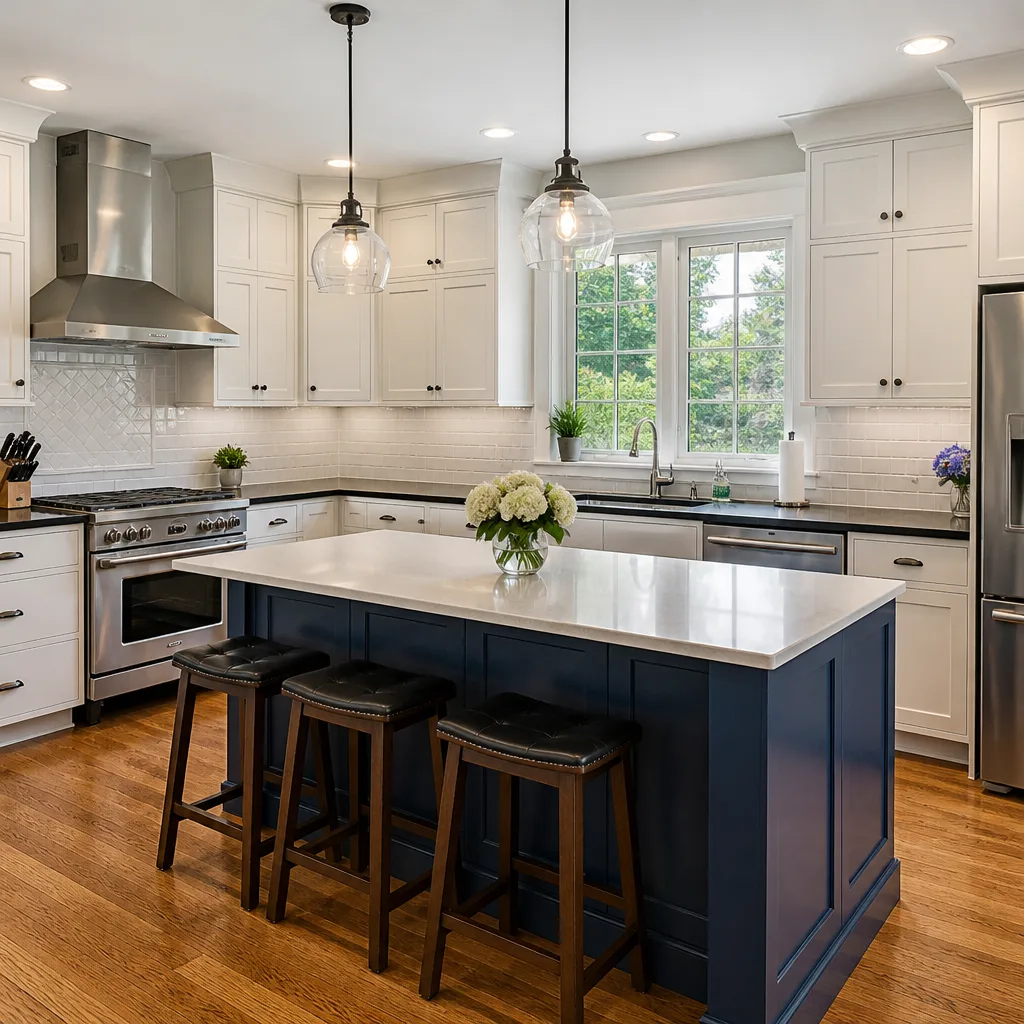 Kitchen remodeling
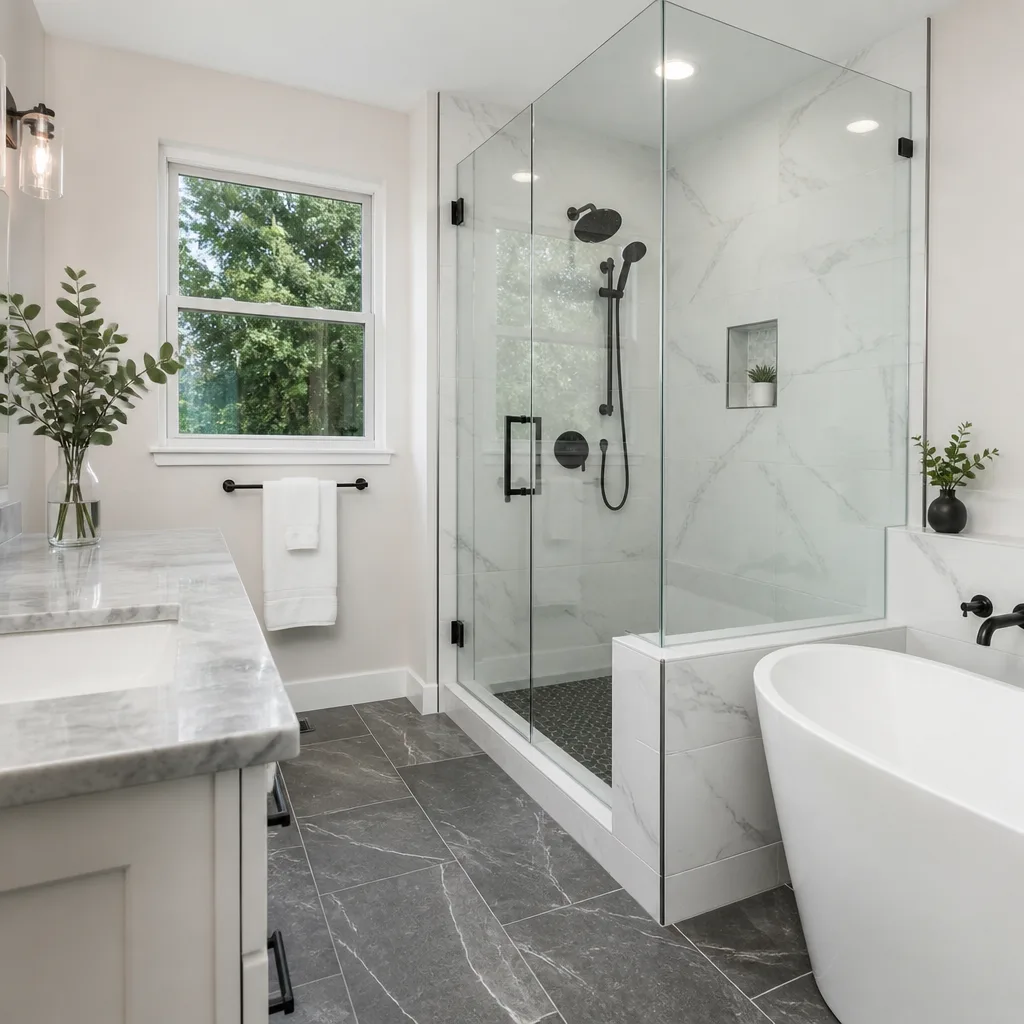 Bathroom remodeling
 Home additions & ADU
 Roofing
 Driveway & pavers
 Fence
Free written scope consultation - allowances, timeline, and change-order rules on paper before a single trade is scheduled
Windows & Doors Warning Signs Every Homeowner Should Know
If a window contractor doesn’t ask which direction your windows face before quoting, they’re pricing you on the wrong glass. A west-facing window in Las Vegas needs a meaningfully different solar heat gain spec than a north-facing one, and slapping the same “Energy Star certified” unit on both is how a brand-new window still pushes your July power bill higher than the old one did. The warning signs split cleanly in two: signals in the product itself that the spec is wrong for the desert, and signals in the contractor’s behavior that the job won’t be done right no matter how good the glass is. This guide walks both lists before you sign anything.
Quick Answer
Window and door work goes wrong for two reasons: the spec doesn’t match the desert (same glass on every side of the house, no HOA reflectivity check, standard national Energy Star ratings with no orientation thought) or the process is sloppy (verbal change orders, no permit pulled, flashing done without the contractor on site). Spotting either category before you sign saves you thousands – and a permit skipped now can stall a home sale years later. Both lists are learnable in about fifteen minutes.
Styles & brands we work with
- Kitchen remodeling
- Bathroom remodeling
- Home additions & ADU
- Roofing
- Windows & doors
- Driveway & pavers
- Fence
Table of Contents
- Product-Spec Red Flags
- Contractor Process Red Flags
- Inside-the-Home Warning Signs Your Windows Are Failing
- The “We’ll Pull the Permit After” Conversation
- How to Read a Window Quote for Downgraded Glass
- Las Vegas-Specific Specs That Get Missed
- Common Mistakes to Avoid
- When to Call a Professional
Product-Spec Red Flags: When the Glass Doesn’t Match the Desert
The first sign a contractor has quoted you the wrong window is the questions they didn’t ask. Glass performance is directional. Solar heat gain coefficient (SHGC) measures how much of the sun’s heat passes through the glass. A west-facing window in Las Vegas takes direct afternoon sun from roughly 3 p.m. to sunset for six or seven months out of the year, and that’s the wall of the house where a low SHGC actually earns its money. A north-facing window under a patio cover barely needs the upgrade. If the same unit is on every side of the house, the spec was set by default, not by design.
Red flags on the product side:
- No orientation questions. A real window quote starts with which direction the units face and what shade they already have. A quote that jumps straight to a product number is a copy-paste.
- “Energy Star certified” with no numbers attached. Energy Star for the Southern Zone has minimums, and those minimums are not the same as “ideal for a west wall in Las Vegas.” Ask for the actual SHGC and U-factor.
- No mention of HOA reflectivity rules. Many Las Vegas valley HOAs restrict how reflective or mirror-tinted a window can look from the street. A contractor who doesn’t ask which community you’re in hasn’t quoted windows that will pass your HOA’s architectural review.
- Frame material chosen for price, not heat. Vinyl, aluminum, fiberglass, and wood-clad all behave differently when it’s 112°F on the outside. Aluminum frames without a thermal break conduct heat straight into the room.
- No allowance line for trim or stucco repair. Vegas homes are mostly stucco. Replacing a window means patching stucco around the opening. A quote with no line for that will grow a line for it later.
Brand names matter here because you can look them up. Andersen and Marvin are the window brands we install for a reason: the spec sheets are public, the warranty is real, and you can compare the numbers yourself before you sign. We’ve walked into a lot of Las Vegas homes where the previous “upgrade” turned out to be a builder-grade unit with no published performance data at all.
Contractor Process Red Flags: Behavior You Can Read Before the Job Starts
Product quality is the easier half. Behavior is the half that tells you whether the crew doing the work is the crew that quoted it. In our experience, the same handful of signals show up on jobs that later go sideways.
- The change order is a conversation, not a document. If you’re told “we’ll just add that to the bill at the end,” there is no bill you can predict. Scope, allowances, and every price change need to arrive in writing before the work happens. An allowance that isn’t on paper is a surprise waiting for a date.
- No permit discussion on an obvious permit job. Window replacement on most Las Vegas homes requires a permit. If the contractor doesn’t bring it up, they’re either planning to skip it or hoping you won’t ask.
- Subcontractors arrive without the GC on site for critical steps. Flashing is the single most important step in a window install, and it’s invisible once the trim goes on. If the person who quoted the job isn’t present when the flashing goes in, nobody accountable is watching the one thing that decides whether the window leaks in five years.
- The quote is verbal. Any window or door job that lives only in a phone call has no floor and no ceiling. Ask for a written, itemized estimate.
- No warranty in writing. A handshake warranty is only as good as the handshake, and people move, retire, and sell companies. Get it in writing, including what happens if it fails.
- Different numbers on the follow-up call. If the estimate grows between the first call and the written quote with no scope change to explain it, walk.
Those six signals are worth more than any star rating. A crew that gets the process right will usually get the product right. A crew that skips the process will get the product wrong even with good materials, because the flashing and the spec are where the money actually goes.
Inside-the-Home Warning Signs Your Windows Are Failing
Before the contractor conversation even starts, look at what your existing windows and doors are already telling you. Most homeowners look for obvious drafty air or fogged glass and stop there. The real signals are quieter, and in a Las Vegas climate they show up differently than in a wetter part of the country.
- Paint bubbling on the wall near the frame. In a dry climate, this is not just cosmetic. It often means moisture is getting behind the paint film from the window side – from a failed seal or a bad flashing job.
- Drywall staining at corners of the window opening. A brown watermark that appears after monsoon season and fades by June is a flashing problem, not a paint problem.
- Floor damage next to a sliding patio door. The track on a slider collects windblown dust and monsoon rain. If the flooring or baseboard right beside the door is warped, cupped, or dark, the door is leaking.
- Condensation inside the sealed glass unit. That’s fog you can’t wipe off. The seal on the insulated glass unit has failed, and the window is no longer insulating anything.
- Doors that stick only in July. Wood and vinyl expand with heat. A door that swings free in January and jams in July has likely lost its frame anchor or its header is sagging.
- Daylight visible at the door edge with the door shut. If you can see it, air and dust are coming through it too. That’s a weatherstripping or alignment failure, and it stops being a 20-minute fix once the door starts to warp.
None of these require a contractor to diagnose. Walk your house once in the morning when the light is on the east side, then again in the afternoon when it’s on the west. Most failures are visible in both directions once you know what you’re looking for. If you’re already noticing several, it may be time to look at Barrett & Sons Construction Las Vegas home services to get a full assessment rather than patch each sign individually.
The “We’ll Pull the Permit After” Conversation (And Why It Matters)
This is the one that homeowners shrug off and later regret. When a contractor says “we’ll pull the permit after,” or “we don’t need a permit for windows,” what they are really telling you is that the work won’t be inspected. The permit inspector works for you, not for the contractor. That’s why good contractors like him. An inspector is the one independent person on the job whose paycheck doesn’t come from the contractor, and their signature on the inspection is what confirms the flashing, anchoring, and egress requirements were met.
The resale consequence is what most people miss. When you sell a Las Vegas home, the buyer’s agent and the appraiser will look at the closed permits for permitted work. Replacement windows installed without one can show up as unpermitted work in the disclosure process, which can cost you negotiating power, delay a close, or force you to open walls later so an inspector can verify what’s behind them. Most jobs that require a permit and didn’t get one will get noticed eventually. It just won’t be on the contractor’s schedule – it’ll be on yours.
Permits pulled and inspections signed should be a line item in the quote. If it isn’t, ask. If you’re also planning fence work alongside a window and door job, fence installation in Las Vegas has its own permit and HOA rules worth confirming at the same time. And if the door work is part of a bigger addition or enclosed patio, the Home Additions & ADU in Las Vegas guide walks through the permit timeline on those larger scopes.
How to Read a Window Quote Well Enough to Spot Downgraded Glass
Glass specs get downgraded between the sales visit and the signed quote more often than homeowners realize, and usually not by malice – by the estimator “simplifying” the line items. The fix is to require the specific numbers on the written quote. If they’re not there, you can’t verify what you’re getting.
What every window line item should show:
- Manufacturer and model number for each window type – not just a brand name. Andersen makes many glass packages; you need the exact unit.
- SHGC and U-factor numbers for the glass package. If the number is different from what was discussed verbally, that is the downgrade.
- Frame material and finish. Vinyl, fiberglass, aluminum, or wood-clad. Also whether there’s a thermal break on the frame.
- Glass package – double-pane, triple-pane, Low-E coating, argon fill. All affect the price and the performance.
- Installation scope in writing – stucco cut, framing inspection, flashing method, trim material, and the repair allowance for the wall opening.
- Permit line. Who pulls it, who pays for it, and what happens if the inspection fails.
- Warranty terms in writing – manufacturer warranty and workmanship warranty as separate line items.
If a quote shows only “6 windows, provided and installed, $X,” you don’t have a quote. You have a verbal promise with a number next to it. The number is not the useful part; the spec is. Compare the spec page by page to what you discussed. If something has been quietly simplified, that’s not the contractor’s shortcut – it’s becoming your bill.
The same discipline applies across trades. If you’re also pricing driveway work this year, the driveway & pavers in Las Vegas guide covers how materials like Belgard and Techo-Bloc show up on a written scope, and the same line-item approach applies there too.
Las Vegas-Specific Specs That Get Missed
Some window and door details get skipped because they’re unique to the desert Southwest, and a contractor quoting from out of state won’t know to raise them. These are worth checking on any Las Vegas job:
- West and south glass needs the better spec. If a quote puts the same SHGC on every unit, the wall that takes the most sun is the wall that’s under-spec’d.
- HOA architectural review is often required. Many Las Vegas communities – particularly in Summerlin and the northwest valley – require approval for any exterior change, including window reflectivity, frame color, and door style. Get the HOA approval letter before the crew shows up.
- Dust infiltration matters as much as air infiltration. A window that passes an air-infiltration test still lets windblown dust through if the seal around the frame is sloppy. Window screen selection and the gasket detail are worth asking about.
- Sliding door tracks need to shed water, not collect it. Monsoon storms drop rain fast. If the door pan doesn’t drain correctly, you find out in August.
- Stucco patching is a real line item. Almost every Las Vegas home is stucco. A window or door replacement always involves patching around the opening. If it’s not in the quote, it’s coming later.
- Patio cover shade changes the math. A west window under a solid cover performs very differently than the same window with no shade. A contractor who doesn’t walk the exterior to check for shade is quoting blind.
Nearly all of these are visible on the walk-through. If the contractor never walked the exterior or asked about shade structures, the quote is based on the wrong information. We’ve seen Las Vegas homes where the whole west wall was re-specced after the first estimate because the patio cover wasn’t factored in. The right contractor catches that before you sign.
Common Mistakes to Avoid
- Signing before the glass spec is on paper. A verbal promise of “top-of-the-line Low-E glass” means nothing at install time. Require model numbers, SHGC, U-factor, and frame material in writing. What’s on the quote is what you get.
- Letting the contractor skip the permit “to save time.” In Las Vegas, replacement windows require a permit on most homes. Skipping it saves the contractor a permit fee and costs you negotiation room at resale. Ask who pulls the permit and get it in writing.
- Approving changes with a phone call. “We found rot under the sill, it’ll be about $600 more” is not a change order. Ask for it in writing with a new line item before anyone touches the wall.
- Skipping the HOA review. Even if the windows pass inspection, the HOA can require you to pull them back out if the reflectivity, frame color, or style wasn’t approved first. Check your CC&Rs before the order goes in.
- Ignoring paint bubbling and drywall staining as cosmetic. Both usually point to a flashing failure behind the frame. Painting over them costs $200 and buys you six months before the problem is back.
- Selecting on price per window alone. The cheapest per-window quote almost always has a smaller glass spec and no permit line. Compare the spec sheet side by side, not the subtotal.
- Not asking who’s on site during the install. Critical steps (flashing, framing, anchoring) still get done on days when the person accountable isn’t on site. Ask which days the person who quoted the job will be present.
See the difference
 Before
 After
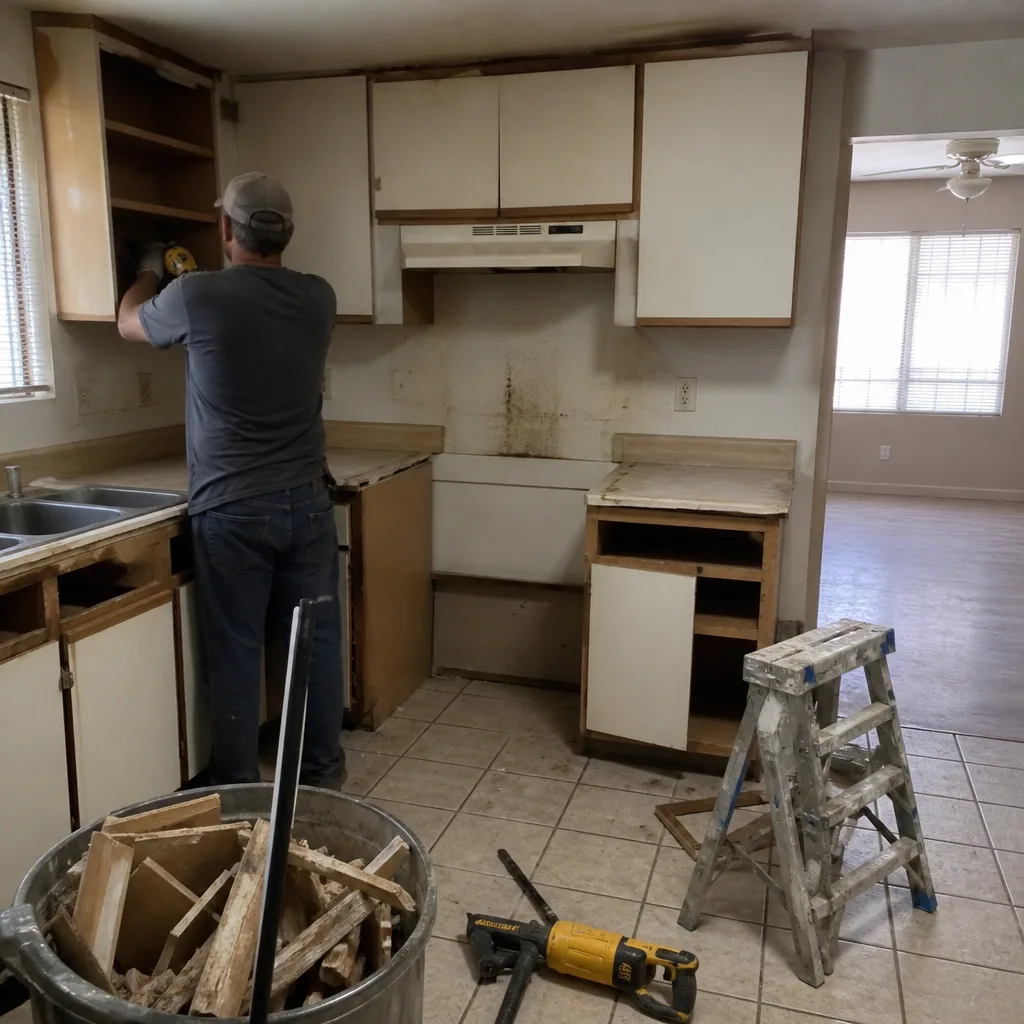 Before
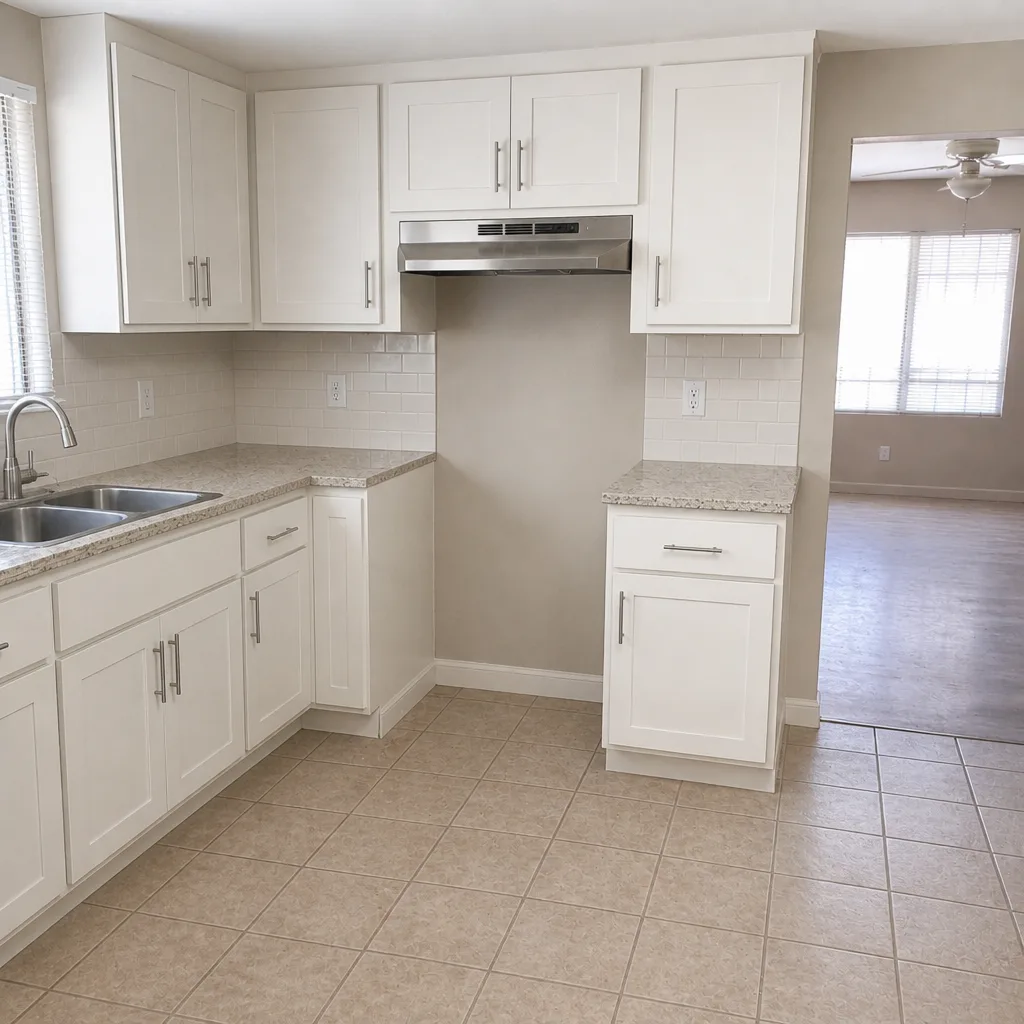 After
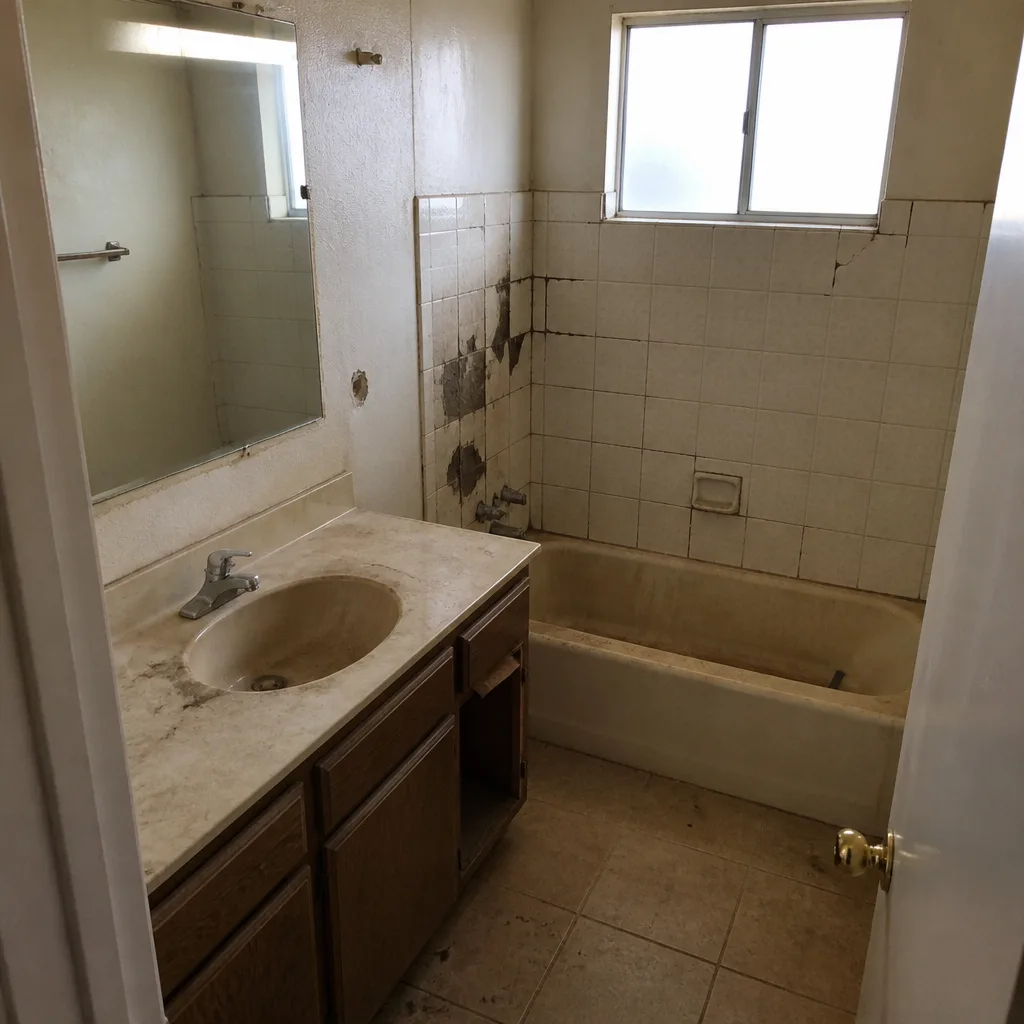 Before
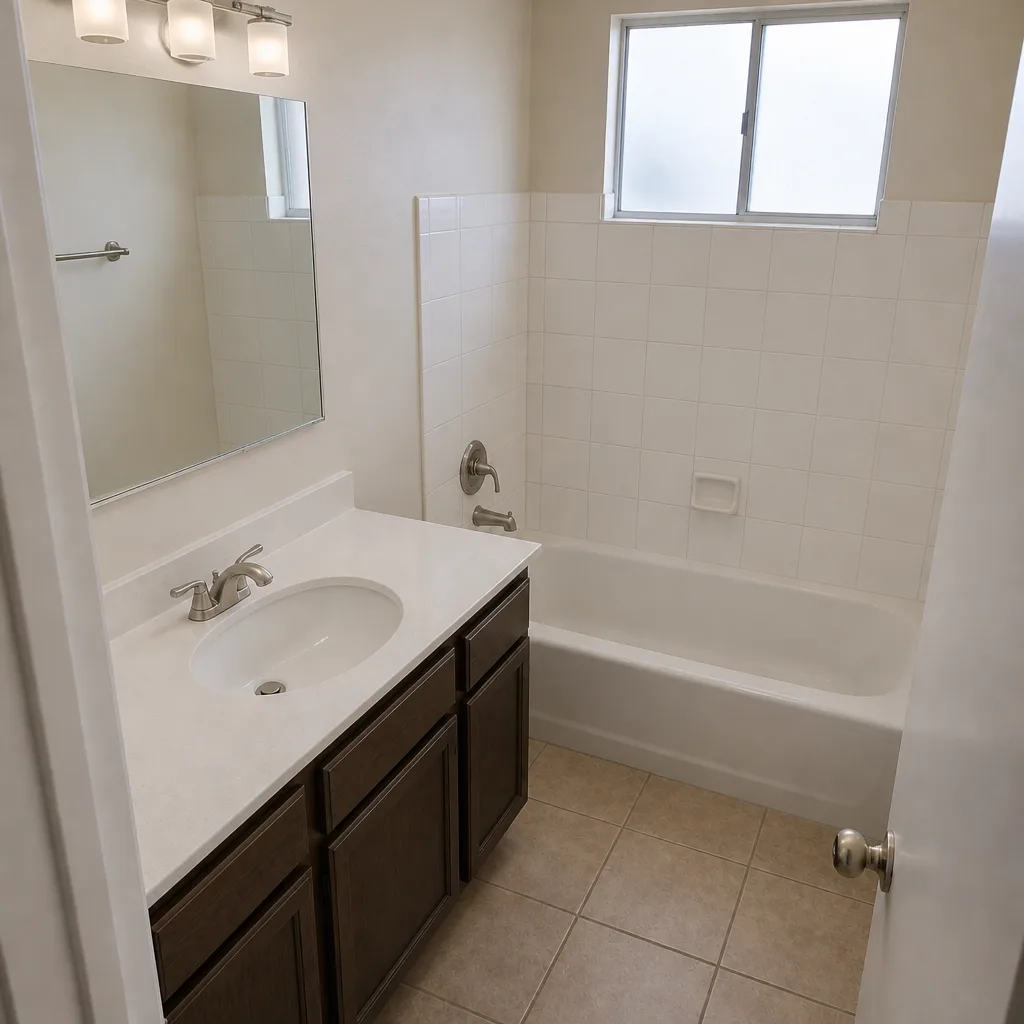 After
When to Call a Professional
Small stuff is worth fixing yourself: a sticking door latch, worn weatherstripping, a screen that needs replacing. None of that requires a contractor. When it crosses into real repair territory, it’s worth a call. Water staining near the frame, fog inside sealed glass, a patio door leaking at the track, a door that hasn’t closed square since the last hot week, or any window install where you’re not confident about the flashing method – those go to a professional. Barrett & Sons Construction Las Vegas offers free estimates in Las Vegas, with permits pulled and inspections signed and every change order in writing before work moves. Call (866) 814-4155 to schedule yours, or use the Barrett & Sons Construction Las Vegas home page to see the full service list.
Frequently Asked Questions
Window replacement in Las Vegas typically runs $550 to $1,200 per installed unit for standard double-pane, depending on size, frame material, and glass spec, with west-facing and larger units at the higher end of that range. Full-house replacements commonly land between $8,000 and $20,000. Call (866) 814-4155 for an exact quote – estimates are free and itemized.
Yes – most window replacement on Las Vegas homes requires a permit, and it should be pulled before work starts. Skipping the permit means no inspection of the flashing or anchoring, and it can create a disclosure problem at resale. Any contractor who says the permit can wait is telling you the work won’t be inspected.
SHGC measures how much of the sun’s heat gets through the glass, and U-factor measures how fast heat escapes. Las Vegas windows benefit most from a low SHGC on west and south glass, where afternoon sun is brutal. If your quote doesn’t list both numbers for each window side, the glass spec wasn’t designed for your home.
Yes. Singles and small groups are common, and sometimes the right call. What changes is how carefully the spec on that one window needs to be matched to its wall – a single west-facing window in a Las Vegas kitchen takes the same beating as a whole west wall, and it deserves the same upgraded glass. Replacing the worst one or two units first is a good way to see the difference before committing to the full set.
Paint bubbling around a window frame usually means moisture is getting behind the paint from the window side – typically a failed seal or a bad flashing job. In a desert climate this almost never means “just needs a repaint.” It’s worth a professional look before you spend money on cosmetic fixes that hide the problem for six months.
Not without a written change order signed before the work proceeds. A legitimate contractor prices in the scope, allowances, and stucco patching up front. If a crew says “we found something – it’ll be a bit more,” ask for the written change order. If they won’t put it in writing, they don’t have a number. Call (866) 814-4155 for a free estimate with the scope in writing from the start.
The Bottom Line
The window and door job that goes wrong usually had visible warning signs before it started – on the product side (no orientation questions, same glass on every wall, no HOA check, no stucco allowance) or on the process side (verbal change orders, no permit, no GC on site for flashing). If the quote doesn’t have SHGC and U-factor numbers for each window side, you don’t have a quote. If it doesn’t have a permit line, you don’t have a permit. Both are learnable in fifteen minutes of reading, and both save you thousands. Las Vegas homes especially need a contractor who quotes by direction, not by default.
Barrett & Sons Construction Las Vegas is owner-operated, and every eligible job gets permits pulled and inspections signed, with every change order in writing before any work proceeds. Call (866) 814-4155 to schedule your free estimate – we’ll walk the exterior, ask about your shade structures, and put the glass spec for each side of the house on paper.
Written by the team at Barrett & Sons Construction Las Vegas.