
Last updated November 17, 2026
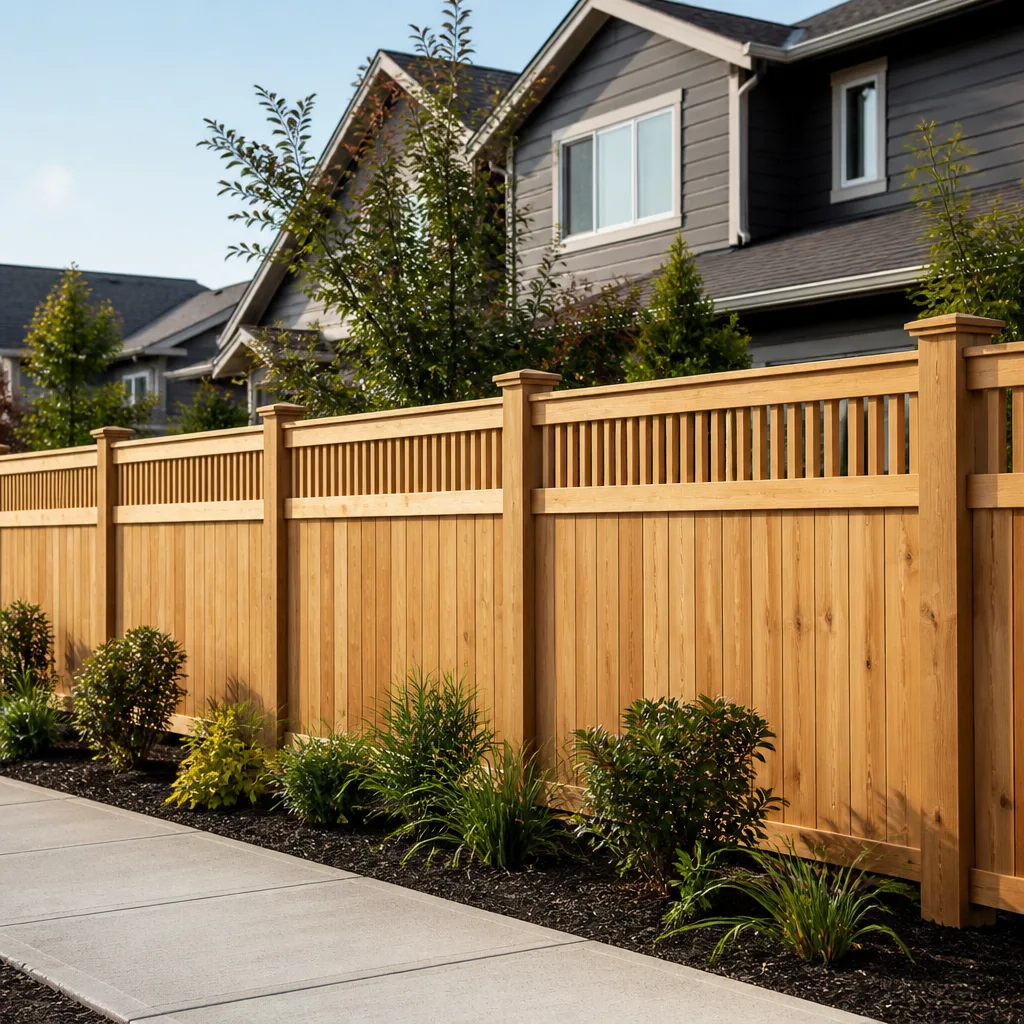 Fence
 Kitchen remodeling
 Bathroom remodeling
 Home additions & ADU
 Roofing
 Windows & doors
 Driveway & pavers
Free written scope consultation - allowances, timeline, and change-order rules on paper before a single trade is scheduled
Fence Installation Troubleshooting: Common Problems and How to Fix Them
A fence post that leans outward after one Las Vegas summer almost certainly wasn’t set deep enough. But a post that stays straight and then suddenly cracks at ground level two years later is an alkaline soil corrosion problem, and a deeper hole wouldn’t have prevented it. Same symptom at the top, completely different cause at the bottom. That’s the trap with fences: the part you see failing is rarely the part that went wrong. In this guide we’ll work backward from the symptom to the real cause, covering leaning posts, failing rails, block wall cracks, vinyl warp, and sagging gates. Every fix is matched to the diagnosis, so you stop guessing and start repairing the right thing.
Quick Answer
Most fence failures in Las Vegas come from installation errors, not cheap materials. A leaning post means a depth, footing mix, or soil problem; failing rails usually mean fastener corrosion at the brackets; and a sagging gate is almost always a hinge or post issue you can diagnose in five minutes. Fix the cause at the foundation and the fence lasts; patch the symptom at the top and it comes back in a season.
Styles & brands we work with
- Kitchen remodeling
- Bathroom remodeling
- Home additions & ADU
- Roofing
- Windows & doors
- Driveway & pavers
- Fence
Table of Contents
- How to Diagnose a Leaning Fence Post
- Why Wood Fence Rails Fail at the Bracket
- Block Wall Cracks: Cosmetic vs. Structural
- Vinyl Fence Warping and Color Fade
- Gate Sag: Hinge Fix vs. Post Replacement
- The Caliche Problem Nobody Warns You About
- Common Mistakes to Avoid
- When to Call a Professional
How to Diagnose a Leaning Fence Post
A leaning post tells you something failed below grade, but three very different things produce nearly the same lean. The repair method depends on which one you’re dealing with, so diagnosis comes before the shovel.
1. Depth problem
If the post leans within the first year, especially after a monsoon season or a heavy irrigation cycle, it was likely set too shallow. Las Vegas code and good practice call for roughly one-third of the post’s above-ground height to sit below grade, so a 6-foot fence needs a hole around 2 feet deep. A shallow hole in loose desert fill gives way as soon as the soil wets and dries. The fix is resetting the post in a proper hole, not bracing the top.
2. Footing mix problem
Concrete that was mixed too wet, poured without a rounded gravel base, or placed in a hole wider than needed at the bottom will let the post wobble inside its own footing. You’ll often see a hairline gap between post and concrete. This one resets the post in a correctly shaped, correctly mixed footing.
3. Soil heave
Expansive clay soils, common in pockets around the valley, swell when wet and shrink when dry. That seasonal movement can push a post sideways even if the depth and mix were right. You’ll see the ground domed around the base or a crack radiating out. Heave repairs sometimes need a deeper footing, a wider base, or an auger anchor, and occasionally a re-sited line.
Here’s the diagnostic sequence we walk through:
- Push the top of the post. If the whole post moves as one piece with the ground around it, that’s depth or heave. If the post rocks inside stationary concrete, that’s a footing mix problem.
- Dig down 6 inches around the base and look for a gap between post and concrete.
- Check the grade. Water pooling against the post accelerates every one of these.
- Look at the soil. Domed ground and radiating cracks point to heave.
Why Wood Fence Rails Fail at the Bracket
Wood fence rails fail at the bracket faster than anywhere else in Las Vegas, and it’s not because the wood was cheap. It’s because the bracket is where water sits, where fasteners corrode, and where the desert’s daily temperature swing puts the most stress. A rail that spans 8 feet expands and contracts through a 30-degree or more day-night swing for months on end. Every one of those cycles works the nails at the joint.
What we see most often in Las Vegas is galvanized or standard nails backing out at the stringer within three to five years, leaving a rail that rattles and eventually sags. The wood itself is usually fine. The fastener gave up.
The upgrade that stops it: structural screws or ring-shank nails rated for exterior use, driven through the bracket into the post rather than toe-nailed. It’s a small material cost difference and a large lifespan difference. On new builds we also recommend steel brackets over through-nailing, which hold the rail off the post face and let water drain instead of wicking into the joint.
- Rattling rail: back out the old fastener, replace with a coated structural screw, and add a second fastener at an angle to lock the joint.
- Sagging middle rail: add a mid-span block or brace to shorten the unsupported run.
- Split rail end: pre-drill before refastening, and consider a steel repair plate to bridge the split.
- Recurring loosening on the same post: the post wood itself is checking or rotting at the joint. Replace the post, not just the fastener.
Block Wall Cracks: Cosmetic vs. Structural
Not every crack in a block wall matters, and not every crack is harmless. The trick is telling three types apart, because only one of them is genuinely alarming.
Type 1: Stucco hairline cracks
Fine cracks in the stucco finish, usually under a millimeter wide and often vertical or in a spider pattern, are cosmetic. Stucco shrinks as it cures and moves with the seasons. These can be patched and resealed. They don’t threaten the wall.
Type 2: Mortar joint separation
A clean break along a horizontal or vertical mortar joint, where you can see daylight or slide a credit card in, is a step up. It often means the wall is moving as separate sections. On a long block wall in Las Vegas, that’s frequently the absence of an expansion joint at the right interval, a real installation oversight. A licensed mason can sometimes retrofit control joints to stop the movement.
Type 3: Footing movement
Stair-step cracks that follow the block pattern diagonally, walls that lean, or cracks that keep widening are footing symptoms. This is when you stop patching and call a licensed mason before the wall comes down. In Las Vegas, block walls are often shared with a neighbor, which means a structural repair is also a conversation.
Quick test: measure a crack, mark both ends with a pencil, and check it in 60 days. A cosmetic crack doesn’t move. A footing crack widens. For anything in that third category, a structural repair needs a licensed mason, correct reinforcement, and the right footing – not a tube of caulk.
Vinyl Fence Warping and Color Fade
Vinyl fence problems split into three buckets: warranty claims, installation errors, and plain desert reality. Knowing which is which saves you a lot of frustration, because the fix and who pays for it differ completely.
- Warping along the top rail or panel: usually an installation error. Vinyl expands and contracts with heat, and it needs room to move. Panels installed tight against posts, or posts spaced wider than the manufacturer specifies, buckle in the summer sun. Premium lines like Bufftech build in more tolerance, but no vinyl survives being installed rigid.
- Color fade and chalking: mild fade over years is normal. Rapid fade or chalky residue within a season or two usually points to a lower-grade product without UV stabilization, which is a warranty conversation with the manufacturer.
- Bowing after a heat wave: desert reality, but correct installation minimizes it. A slightly looser fit and proper post spacing let the panel find its own shape rather than fight the frame.
One thing to know: vinyl holds up better than wood in our sun, but it also gets noticeably hotter to the touch. On the west side of a Las Vegas yard, a full-sun vinyl run can get hot enough that you wouldn’t want a dog leaning against it in July. Placement matters as much as brand.
Gate Sag: Hinge Fix vs. Post Replacement
A sagging gate is the single most common fence service call we get, and it’s also the easiest to misdiagnose. Homeowners tighten the hinges, the gate drops again in a month, and they blame the hardware. The hardware was usually fine.
Diagnose in four steps
- Swing the gate and watch the hinge post, not the gate. If the post itself moves, the problem is the post footing, not the hinges.
- If the post is solid, check the hinges for wear, bent pins, or loose anchors.
- Check the diagonal brace. On a wooden gate, a brace running from the bottom hinge side up to the top latch side is what keeps the frame square. A missing or reversed brace is an installation error.
- Lift the latch end of the gate. More than a half inch of play means the hinges are worn and the fix is a hinge replacement. If the gate frame is twisted, the fix is the gate, not the hinge.
When a gate post is the culprit, replacing hinges won’t hold because the anchor has nothing solid to bite into. The honest fix is resetting or replacing the post. And on a heavy gate, adding a second post or a metal gate frame is cheaper than resetting a sagged post every other year.
The Caliche Problem Nobody Warns You About
Caliche is a naturally cemented layer of soil found across much of the Las Vegas valley, and it changes how fence posts get set. It’s hard enough that an auger will bounce off it, which means a contractor either breaks through it properly or sets the post on top of it. A post resting on caliche instead of buried through it has almost no lateral support, and it leans the first time the wind kicks up.
Caliche also traps water. A post hole that didn’t break through the layer and get proper drainage becomes a small bathtub every time it rains, and that accelerates rot in wood posts and corrosion in steel. When we see a post that failed early and the concrete looks like it sat on a shelf, caliche is usually the reason.
The practical rule: if the auger hits refusal, break through, don’t set short. And check that the hole drains. If the surrounding grade seats water against the base, regrade before the concrete goes back in. That’s as true for a repair as a new fence installation in Las Vegas.
Common Mistakes to Avoid
- Skipping the footing and just bracing the top. A brace holds a post straight until the next monsoon, then the lean returns. Fix the depth and footing and bracing becomes unnecessary.
- Setting posts in dry-mix concrete without enough water. Desert heat cures concrete fast, and dry-mix that never absorbs enough water never develops strength. Mix it properly and cure it, even in summer.
- Ignoring the expansion joints on a block wall. Long runs without control joints crack at the weakest mortar joint. That’s an installation error, not a material flaw.
- Tightening a sagging gate without checking the post. If the post moves, the hinge is a red herring. You’ll be back at it next season.
- Assuming vinyl needs no movement room. Panels installed drum-tight buckle in the July heat. Expansion tolerance is part of the spec.
- Patching a footing crack with caulk. A widening stair-step crack in block is a structural signal. Patch it and you hide the problem, not fix it.
- Reusing rotted post wood at a rail repair. Refastening a rail to a checked or soft post just moves the failure 4 inches. Replace the post.
When to Call a Professional
Some fence problems are a Saturday morning fix and some are a footing problem that needs a crew. The line is fairly clear. Call a professional when a post needs resetting or replacing, when a block wall shows stair-step cracks or movement, when a gate post has lost its footing, or when the same failure keeps coming back after a repair. Those are foundation-level problems, and patching them at the surface wastes money twice. Structural block work should go to a licensed mason, and a shop with the right crew can take on the whole repair in one visit instead of one post at a time.
If you’re also looking at driveways and patios in the same project, our team handles driveway and pavers in Las Vegas with the same footing-first approach. For larger yard work, we also do home additions and ADU work in Las Vegas. Barrett & Sons Construction Las Vegas offers free estimates in Las Vegas – call (866) 814-4155, and a live person answers, not a voicemail. Barrett & Sons Construction Las Vegas home has the full picture of what we take on.
See the difference
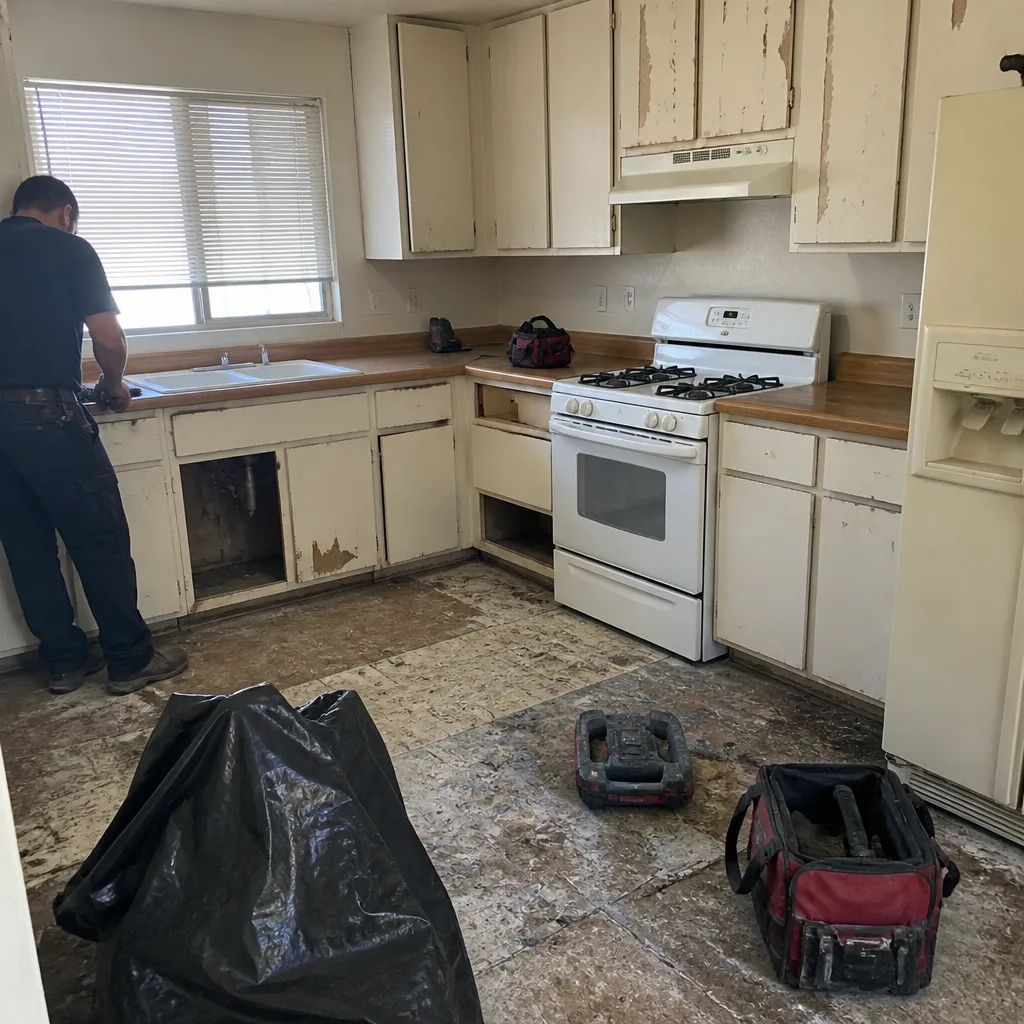 Before
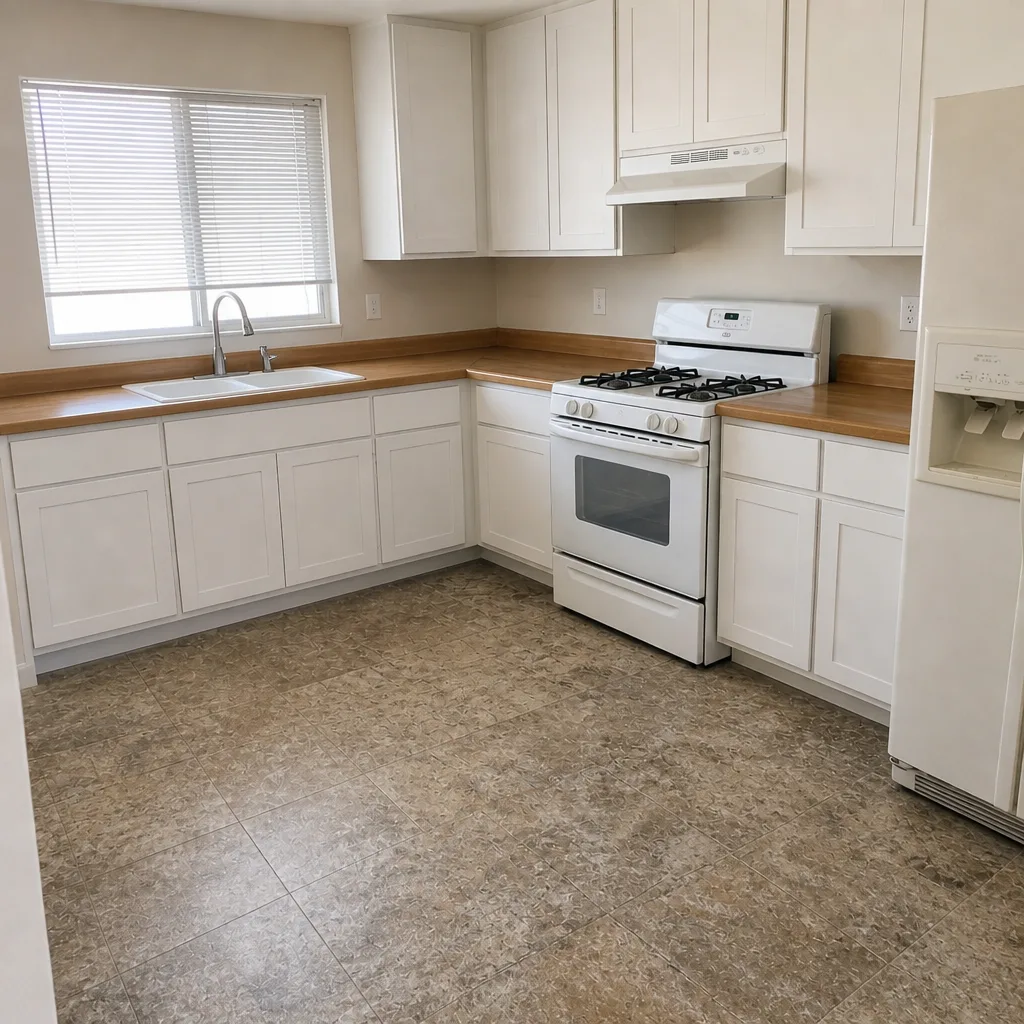 After
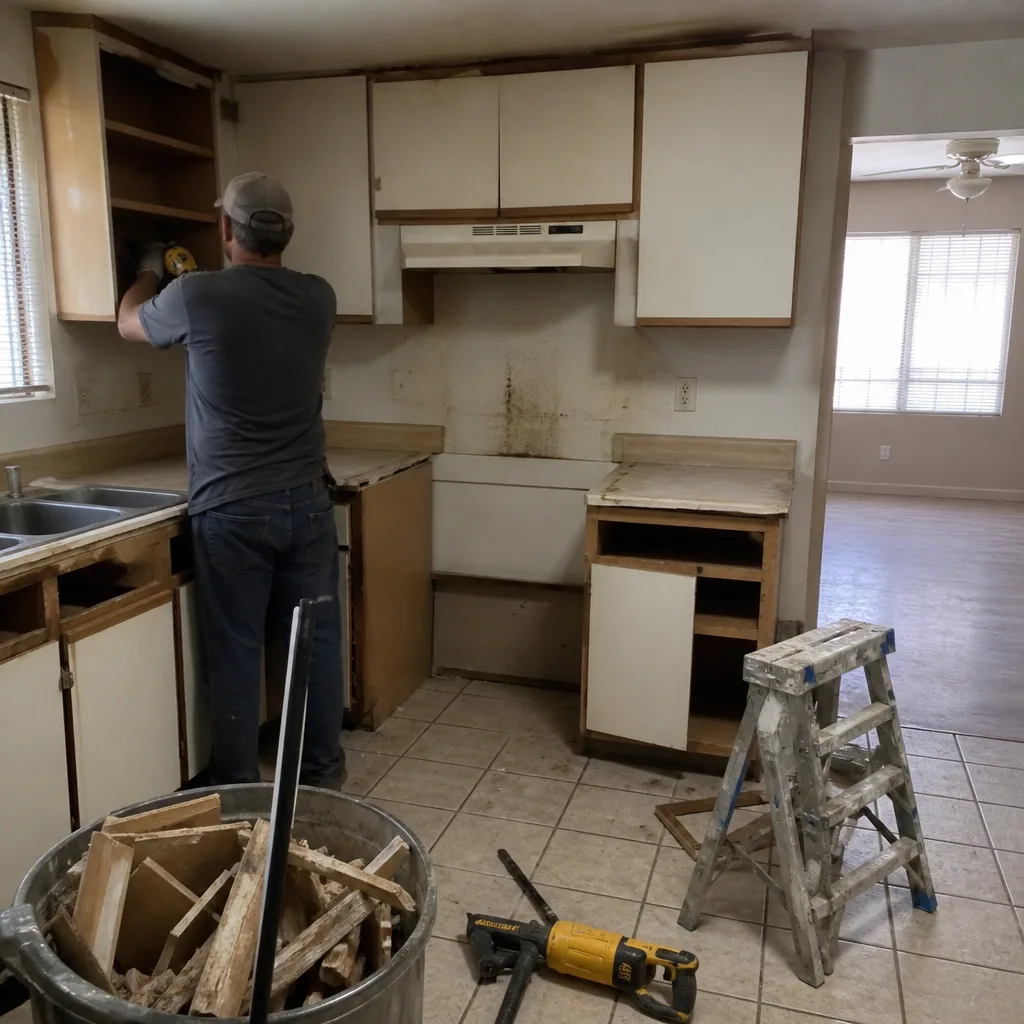 Before
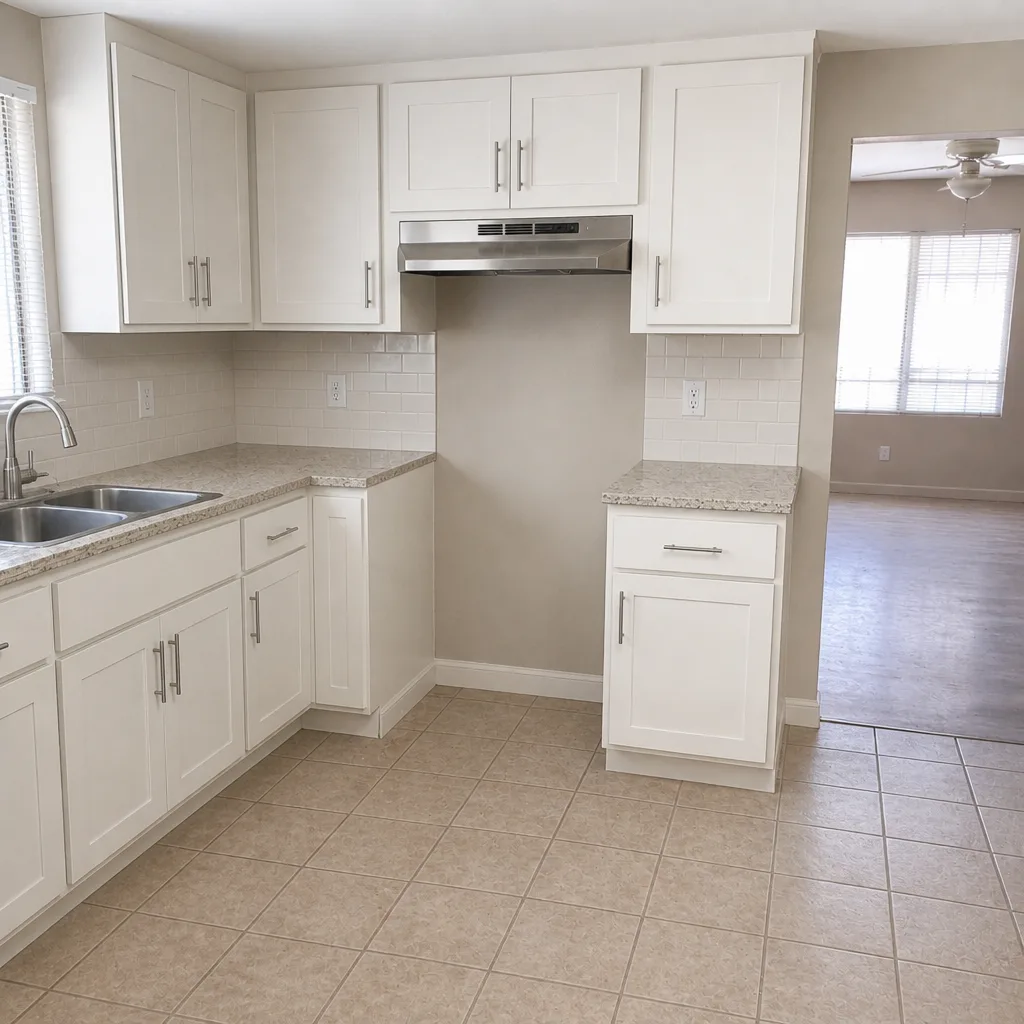 After
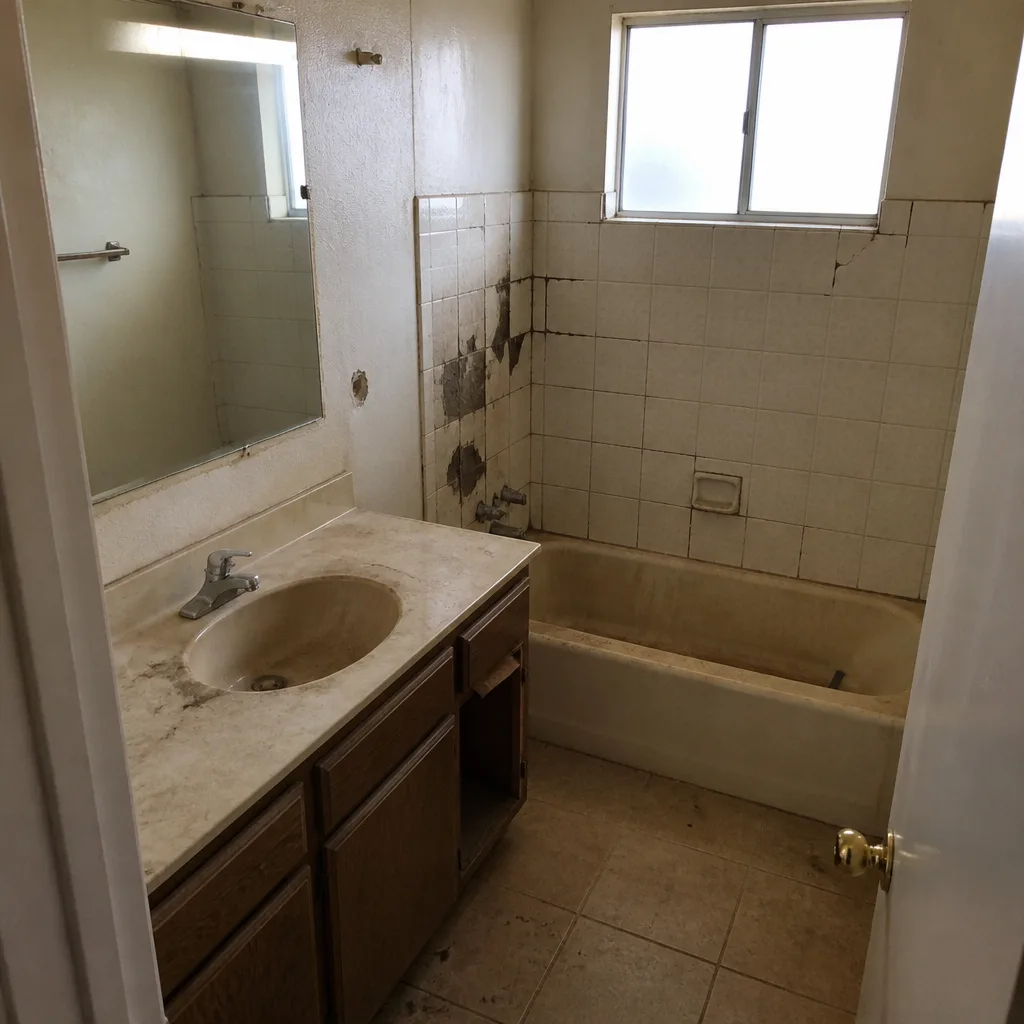 Before
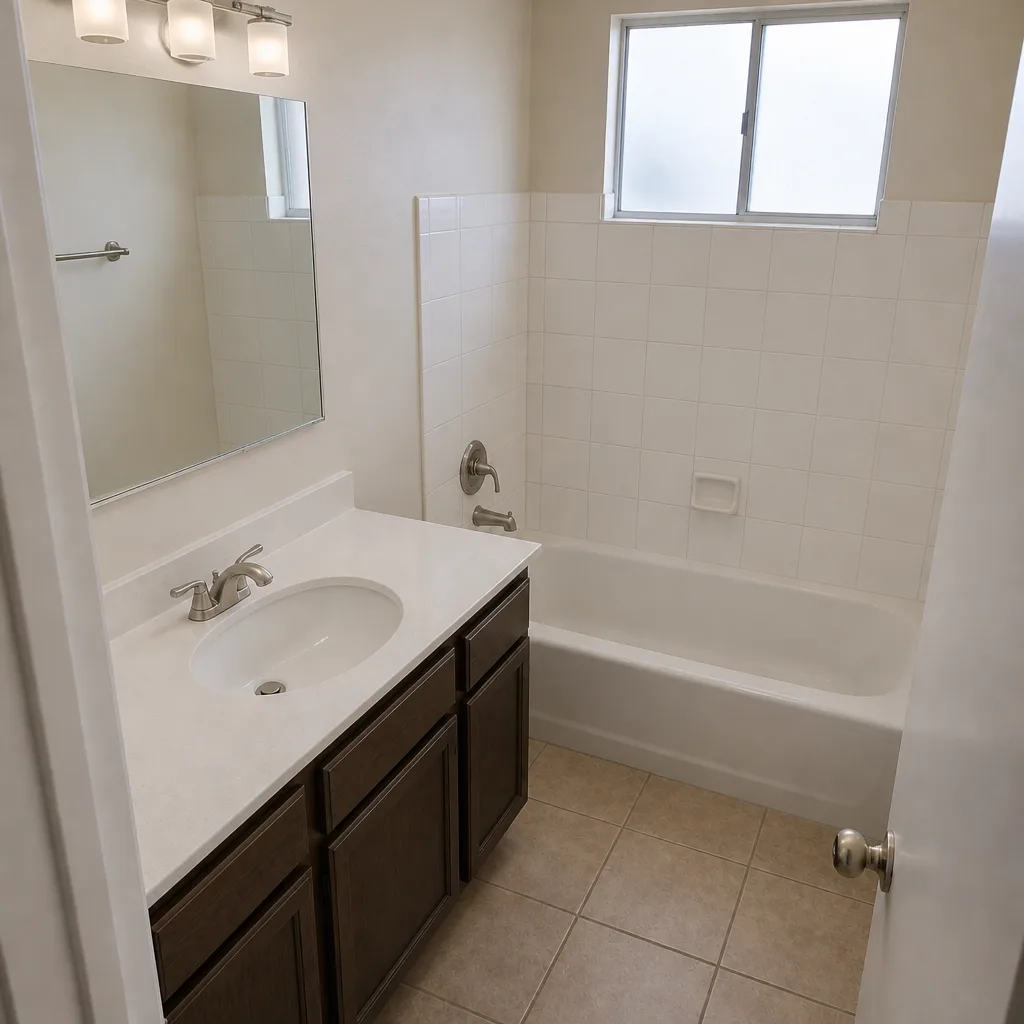 After
Frequently Asked Questions
Most single-post repairs in Las Vegas run a few hundred dollars, and a full gate reset or section replacement costs more depending on size and material. The only way to get a real number is an on-site look at the footing, which is why we start with a free estimate. Call (866) 814-4155 and we’ll give you a written line-item quote, not a phone guess.
Not without a written change order. If we open up a hole and find caliche or a footing issue nobody could see, the price change arrives in writing before any new work proceeds. The allowance that isn’t on paper is a surprise waiting for a date, and we don’t work that way.
Yes, on every eligible job. Fence height and placement rules vary by jurisdiction around the valley, and block wall work often needs a permit. We pull permits and sign off on inspections so the work is documented and you’re covered. The permit inspector works for you, not for us.
A lean inside the first year almost always means the post wasn’t set deep enough or the footing mix was too wet. Las Vegas soil and heat stress a shallow post fast. The fix is resetting the post in a proper hole, not bracing it.
On a light decorative fence, resetting a shallow post is manageable. On a structural fence or block wall, the footing work and safety risk are real, and a bad reset just delays the same failure. If it’s the second time that post has leaned, it’s worth having someone diagnose the soil and footing. Call (866) 814-4155 for a free second opinion on any written estimate.
Fine stucco hairline cracks are cosmetic and can be patched. Stair-step cracks following the block pattern, or cracks that keep widening, signal footing movement and need a licensed mason. Measure and mark the crack, check it in 60 days, and if it’s growing, get it looked at.
The Bottom Line
Most fence problems blamed on cheap materials trace back to installation errors hidden below the surface. Diagnose the cause before you buy a single board: a leaning post is a depth, footing, or soil problem; rails fail at the bracket from fastener corrosion; block wall cracks have three very different meanings; vinyl warp is often an expansion error; and a sagging gate usually points at the hinge post, not the hinges. Fix the foundation and the fence holds. Patch the top and you’ll be back out there next summer. For anything at the footing level in Las Vegas, a real diagnosis up front saves money and repeat repairs.
Barrett & Sons Construction Las Vegas is the owner-operated, name-on-the-truck alternative to the outfits that quote one price on the phone and hand you another bill at the door. Every job gets a written scope, written change orders, permits pulled and inspections signed, and every completed repair is backed by the written 90-Day Done Right Promise. Ask anyone on your street, or look up the license number yourself. Call (866) 814-4155 today to schedule your free estimate.
Written by the team at Barrett & Sons Construction Las Vegas.