
Last updated November 17, 2026
 Home additions & ADU
 Kitchen remodeling
 Bathroom remodeling
 Roofing
 Windows & doors
 Driveway & pavers
 Fence
Free written scope consultation - allowances, timeline, and change-order rules on paper before a single trade is scheduled
DIY vs Professional Home Additions & ADU: What’s Safe to Do Yourself
Nevada’s owner-builder permit exemption looks like a green light for a do-it-yourself addition. Then most homeowners read the rest of the statute and find the clause that changes the math: if you sell the house within two years, you have to disclose in writing that you built it yourself, and a buyer’s lender can demand a third-party inspection before it releases funds. That single provision has killed more DIY addition plans in Las Vegas than any framing detail ever did. This guide draws the legal line honestly. It shows you which parts of an addition are genuinely safe for a careful homeowner to take on, which parts Nevada law will not let you touch, and where a DIY swing can cost more than a hired crew from day one.
Quick Answer
In Las Vegas, a homeowner can legally act as an owner-builder for a single-family home they intend to occupy, and can do demolition, painting, landscaping, and finish carpentry once the rough-in work has passed inspection. You generally cannot do your own electrical, plumbing, or HVAC work on an addition, and you can’t pull permits for those trades without a licensed contractor. The 2-year resale disclosure and the insurance exposure are the two things that decide whether owner-builder makes sense for you.
Styles & brands we work with
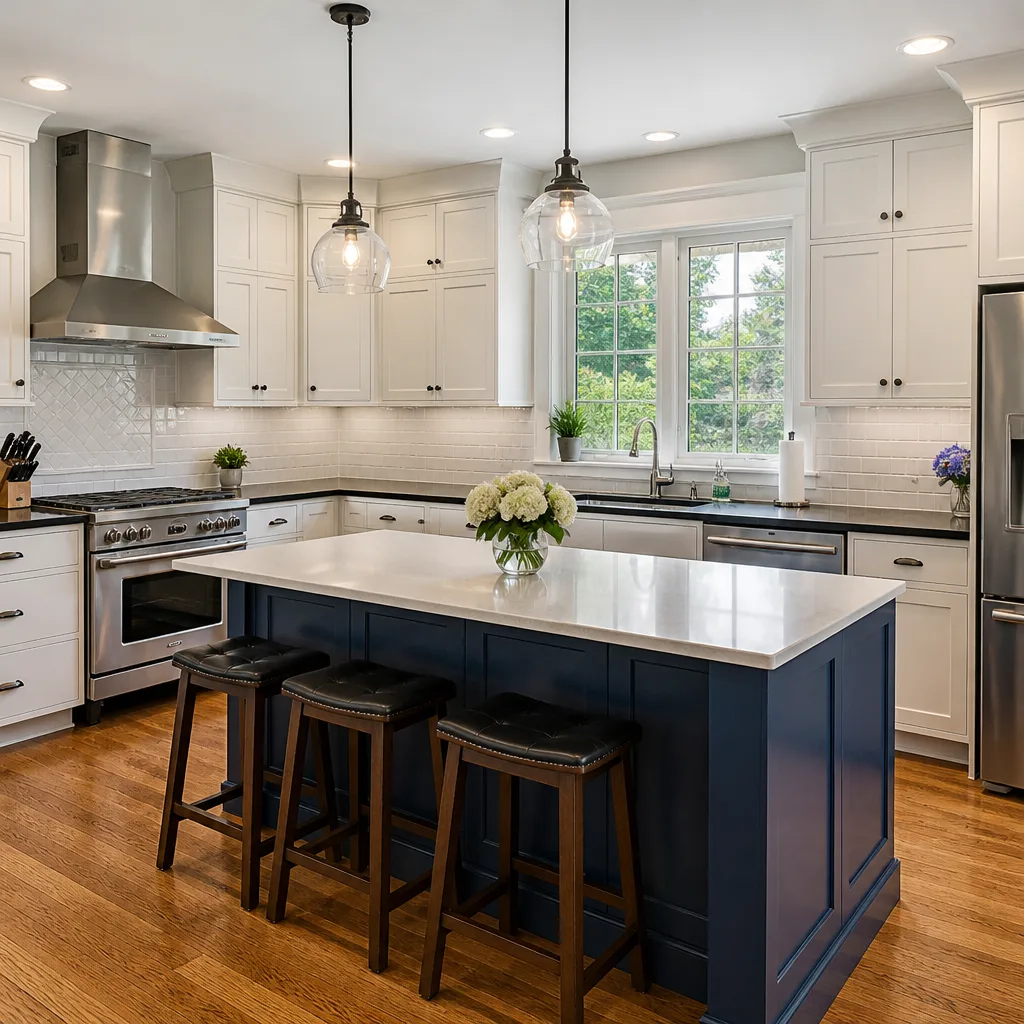
- Kitchen remodeling
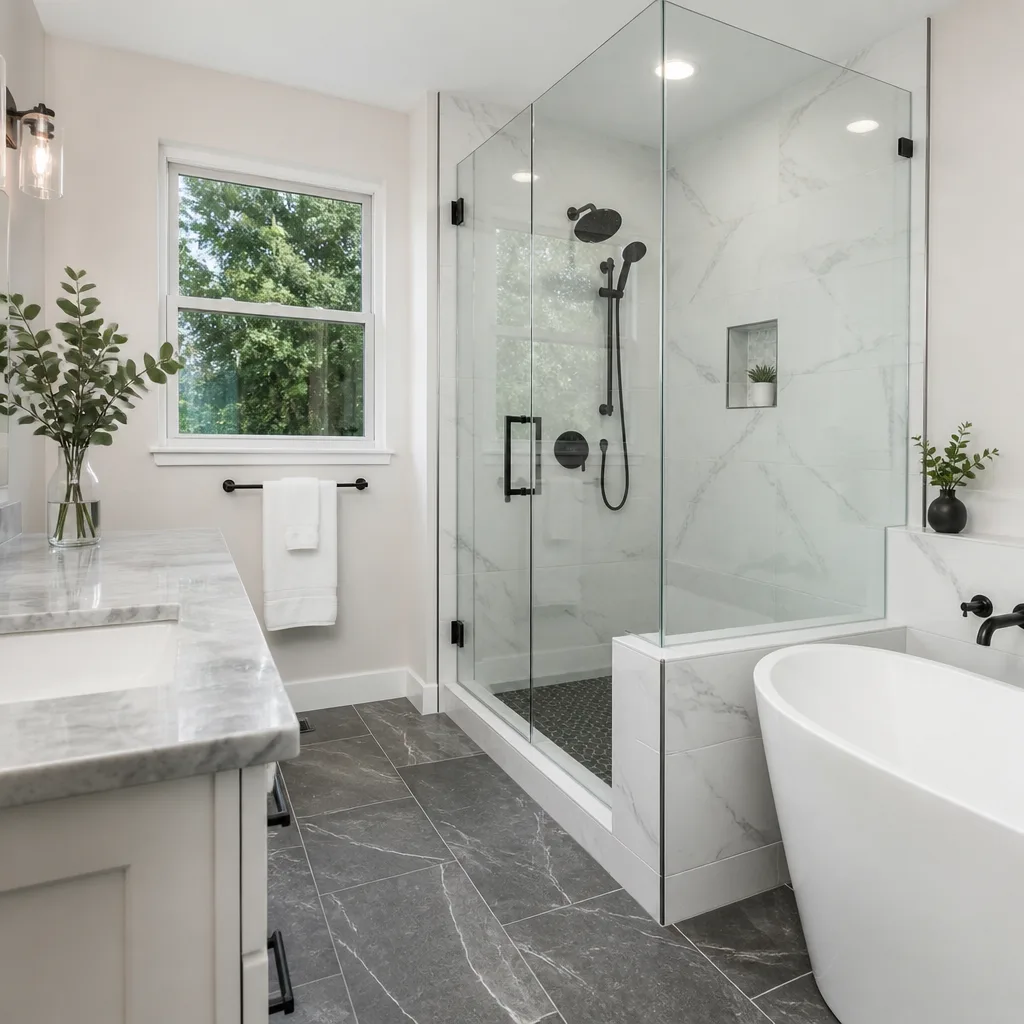
- Bathroom remodeling
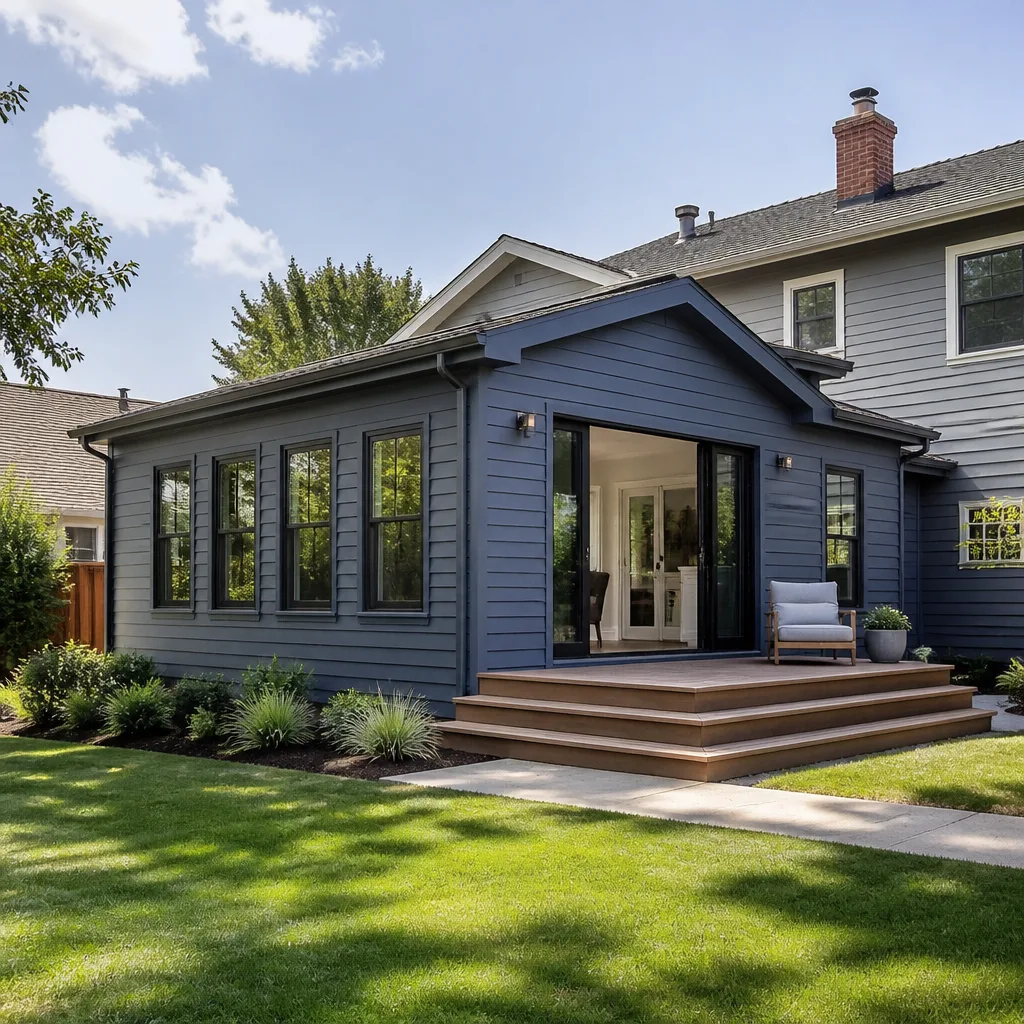
- Home additions & ADU
- Roofing
- Windows & doors
- Driveway & pavers
- Fence
Table of Contents
- What Nevada’s Owner-Builder Exemption Actually Covers
- The Trades Nevada Won’t Let You Do Yourself
- Where DIY Saves Real Money Without Inspection Risk
- How Unpermitted Work Creates an Insurance Gap
- The Honest Cost Comparison
- ADU-Specific Rules in Las Vegas
- What Inspectors Actually Look For
- Common Mistakes to Avoid
What Nevada’s Owner-Builder Exemption Actually Covers
The owner-builder exemption is real, and it’s narrower than most people assume. Under Nevada law, a homeowner can build or improve a single-family residence they intend to live in without holding a contractor’s license. The intent is to let you work on your own home, not to let you run a construction business. The moment you build something for a neighbor, rent it out as a long-term investment property, or sell it fast, the exemption starts to bend.
Here’s what the exemption does and doesn’t cover, in plain terms:
- Covered: structural and finish work on a home you occupy yourself, on your own land, when you’re the one physically doing the labor or hiring trades directly.
- Covered: pulling a permit as owner-builder for the scope you’re allowed to perform.
- Not covered: licensed-trade work. That means electrical, plumbing, and HVAC, which we’ll get to in the next section.
- Not covered: building for resale or as a rental business. If you’re doing it to flip, you’re a contractor in the eyes of the state.
- Not covered: building more than one of these at the same time. The exemption assumes one home for you and your family.
The 2-year resale disclosure is the part most people miss. Sell the home within two years of finishing an owner-built addition and you’ll have to disclose the owner-builder status. A buyer’s lender can require a third-party inspection of the work before funding. If that inspection finds an unpermitted structural change, the deal gets complicated fast. In a Las Vegas market where two-year resales aren’t rare, this is a real risk, not a technicality.
The Trades Nevada Won’t Let You Do Yourself
Nevada law requires licensed contractors for specific trades regardless of owner-builder status. Electrical, plumbing, and HVAC all fall under this. You can pull an owner-builder permit for the structure, but you cannot legally run the branch circuits, solder the supply lines, or install and charge the refrigerant lines on your own addition. Some jurisdictions allow a homeowner to do small electrical work on their own primary residence, but an addition triggers a different permit and a different level of scrutiny. A Las Vegas addition will not pass inspection on homeowner-performed electrical, plumbing, or HVAC.
What that means in practice:
- Electrical. Licensed electrician runs the circuits, the panel tie-in, and the sub-panel if the addition needs it. You can rough-in low-voltage data or speaker wire, but nothing that carries 120V or 240V.
- Plumbing. A licensed plumber handles supply and drain lines, the water heater relocation if the addition moves it, and the gas line if you’re adding a fireplace or outdoor kitchen. Gas work especially never falls under owner-builder.
- HVAC. Licensed mechanical contractor sizes the system for the added square footage, runs the ductwork, and handles refrigerant. An undersized system in a Las Vegas addition is a summer-long regret.
There are thresholds where a licensed trade becomes mandatory even in an addition you’re “mostly” building. Adding a bathroom means a licensed plumber. Adding a sub-panel for a shop or a kitchenette means a licensed electrician. Adding a mini-split means a licensed HVAC contractor. There’s no version of an addition where you skip all three and still pass final inspection.
Where DIY Saves Real Money Without Inspection Risk
The parts of an addition where homeowner labor pays off are the ones that don’t land on an inspection sheet or affect the structural envelope. If you enjoy the work and you’re careful, doing these yourself can shave thousands off the project without putting the permit at risk.
- Demolition. Knocking out the old wall, pulling the old flooring, hauling away debris. Do it after the licensed crews have disconnected the services, never before.
- Painting. Interior primer and finish coats once the drywall is signed off. You control the color, you control the timing, and nobody inspects the paint.
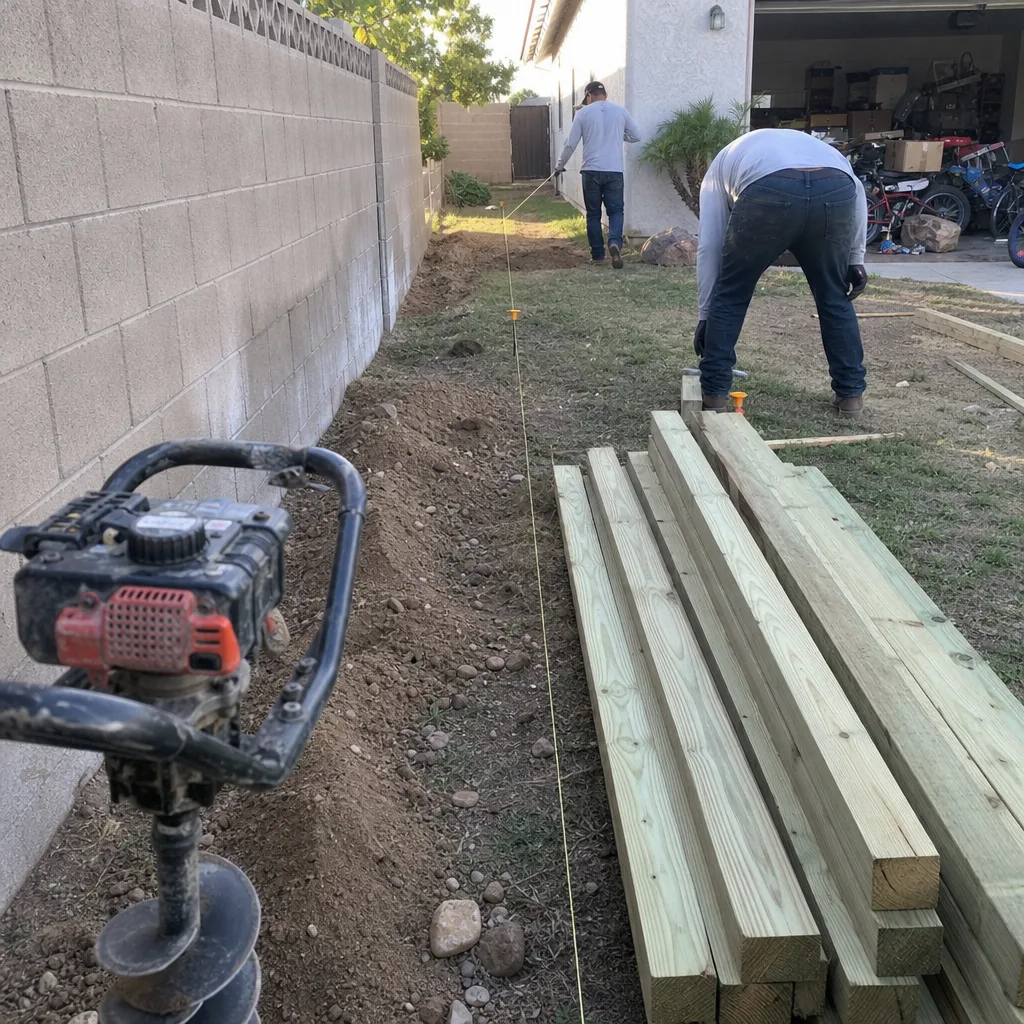
- Landscaping. Grading around the new footprint, xeriscaping, planter beds, and the pavers or gravel the county doesn’t want to see in a structural permit.
- Finish carpentry after rough-in sign-off. Baseboards, door casings, closet shelving, and hardware. Once the drywall is inspected and the final is on file, the trim is yours to hang.
- Site prep. Clearing the yard before the foundation crew shows up, and moving material off the trailer.
What we’d tell a homeowner who wants to push further: finish carpentry is where the money-on-the-table savings are, and demolition is where you burn a weekend before realizing you saved $900. Painting is between those two. Get the rough-in inspected before you touch drywall, then take over.
How Unpermitted Work Creates an Insurance Gap
Your homeowner’s policy covers the dwelling you told it about. It does not cover a structural addition it doesn’t know exists. If you build an owner-builder addition without a permit or without notifying your carrier, and a monsoon microburst drops a tree on the new wing, that damage is likely to be contested. The carrier will see an unpermitted, unlisted structure and either deny the claim or limit it severely.
The fix is straightforward but easy to skip. Add the new square footage to your policy the day you start building, not after. Get the permit number and the inspection sign-offs on file, and tell the carrier. If a claim lands and the adjuster asks for the inspector’s signature, you want it in the folder. This is also the reason we tell people to pull the permit even when the work is small. A permitted addition that cost you an extra $800 in fees is worth a $150,000 claim going through.
The other insurance angle is liability. If a neighbor’s kid is hurt in your new addition and the structure wasn’t built to code, your umbrella policy can treat that as your personal exposure. Permits and inspections move that risk back where it belongs.
The Honest Cost Comparison
Here’s where the arithmetic gets real. Owner-builder framing looks cheaper on paper until the inspection happens. We’ve seen Las Vegas homeowners save roughly $2,000 to $4,000 on labor by framing their own addition. Then a failed inspection for missing fire blocking, improper nailing pattern, or an unbraced wall line triggers a tear-out and reframe. The re-work runs $6,000 to $12,000 depending on how much has to come apart. That’s not a hypothetical. It happens on custom builds with careful people all the time.
The rough math on a Las Vegas owner-builder addition in 2026 falls out like this:
- Owner-builder, self-performed framing: $18,000 to $24,000 in material and permit costs, assuming the framing passes first inspection. Minus your sweat equity of roughly $3,000. Add a change order if you fail and reframe: $6,000 to $12,000.
- Hired framing crew with a licensed contractor: $24,000 to $30,000. No tear-out risk on the structure because the crew carries its own liability and has passed these inspections hundreds of times.
- Hybrid approach: owner-built demolition, paint, and finish. Licensed crews on framing, MEP, and drywall.
The hybrid approach is where most of the actual savings live. You get the inspectable work done right the first time, keep the parts that don’t require inspection, and stay inside the insurance and resale rules. Call (866) 814-4155 for a written line-item estimate and we’ll show you where the line falls on your project.
Materials matter here too. When we build additions, we use brands you can look up, James Hardie siding and KraftMaid cabinetry among them, because the second owner of the home will see the same names on the permit and the invoice.
ADU-Specific Rules in Las Vegas
Accessory dwelling units have their own set of rules in the Las Vegas Valley. A detached ADU needs its own foundation, its own utility connections, and its own address. It also needs a separate electrical service or a code-compliant tie-in to the main panel, which is licensed-trade work. The plumbing and HVAC inside the unit are, again, licensed-only. You can’t owner-build a detached ADU end-to-end and stay in compliance.
What you can do yourself on an ADU is the same list as an addition: site prep, demolition, finish carpentry after rough-in, paint, and landscaping. The kit-ADU route has gotten popular too, where a factory delivers the shell and you hire trades locally to set and connect. That’s a legitimate path, and it’s less owner-builder-friendly than it sounds, because the trades still need licenses and the permit still names you.
Our full Home Additions & ADU in Las Vegas page covers the permit sequence, but the short version: apply for the ADU permit before you order material, plan on 3 to 5 months for the full permit cycle, and budget for a licensed MEP crew no matter how much of the rest you do yourself.
If your addition includes new exterior hardscape like a paver patio, our Driveway & Pavers in Las Vegas page covers what’s been built locally. And if the addition ties into a fenced yard, that’s on the Fence Installation in Las Vegas side of the work.
What Inspectors Actually Look For
Knowing what the inspector checks is half the battle. We’ve been on both sides of these inspections for a long time, and the same handful of failures recur on owner-built additions in Las Vegas.
- Foundation set-backs and anchor bolts. The foundation has to match the permit drawing exactly, and the anchor bolts have to be in the right location for the sill plate. Photo documentation before the pour saves a re-do.
- Wall bracing and shear panels. Las Vegas Valley’s wind exposure matters here. The braced wall lines in your plans have to be installed with the right nailing pattern and hold-downs, or the framing fails.
- Fire blocking and draft stopping. The single most common failure on owner-built additions. Concealed wall cavities have to be blocked at the required intervals, and inspectors check every cavity before drywall goes on.
- Insulation and vapor barrier. The Mojave Desert climate means a specific approach to vapor control matters more than most people expect. Get it wrong and you get condensation in a wall assembly that never dries out.
- Electrical rough-in. If a licensed electrician did the work and pulled the permit, this passes. If the homeowner did it, it doesn’t, and that’s not negotiable.
- Final and certificate of occupancy. You don’t get to live in the addition until the CO is issued. Moving in early voids the whole inspection sequence.
The takeaway: framing, foundation, fire blocking, and insulation are the four areas where an owner-builder can do everything right on paper and still fail on a detail a licensed crew would never miss. That’s not a knock on the homeowner. It’s a gap in experience, and it costs real money to close.
Common Mistakes to Avoid
- Pulling the permit after the work is done. Retrofitting a permit onto a finished addition in Las Vegas means opening walls to prove what’s inside. The inspector isn’t going to take your word for the fire blocking behind the drywall.
- Assuming the owner-builder exemption covers a rental or flip. It doesn’t. If the property isn’t your primary residence, you need a licensed contractor. That’s not a guideline, it’s the statute.
- Doing your own HVAC “just for a small addition.” System sizing on a Las Vegas addition isn’t a weekend calculation. Undersized, the unit runs constantly in July and August and dies early. Oversized, it short-cycles and never dehumidifies. Either way, no licensed contractor will warranty it.
- Telling your insurance company after the work. Notify the carrier before you start. If a claim lands and the addition isn’t on the policy, you’re fighting the adjuster about the past, not negotiating about the future.
- Budgeting without the 2-year resale clause. If there’s any chance you’ll sell within two years, plan on an inspection and a disclosure. Budgeting for that inspection, roughly $800 to $1,500 in Las Vegas, keeps the closing from going sideways.
- Skipping the second opinion on the contractor’s written estimate. We offer a free second opinion on any written estimate for exactly this reason. The most common surprise we see on job-site walk-throughs is a missing line for MEP rough-in.
- Treating “permit optional” as a contractor’s pitch. It isn’t a legitimate one. If a contractor tells you permits aren’t needed on an addition, that’s a reason to walk, not to sign.
See the difference
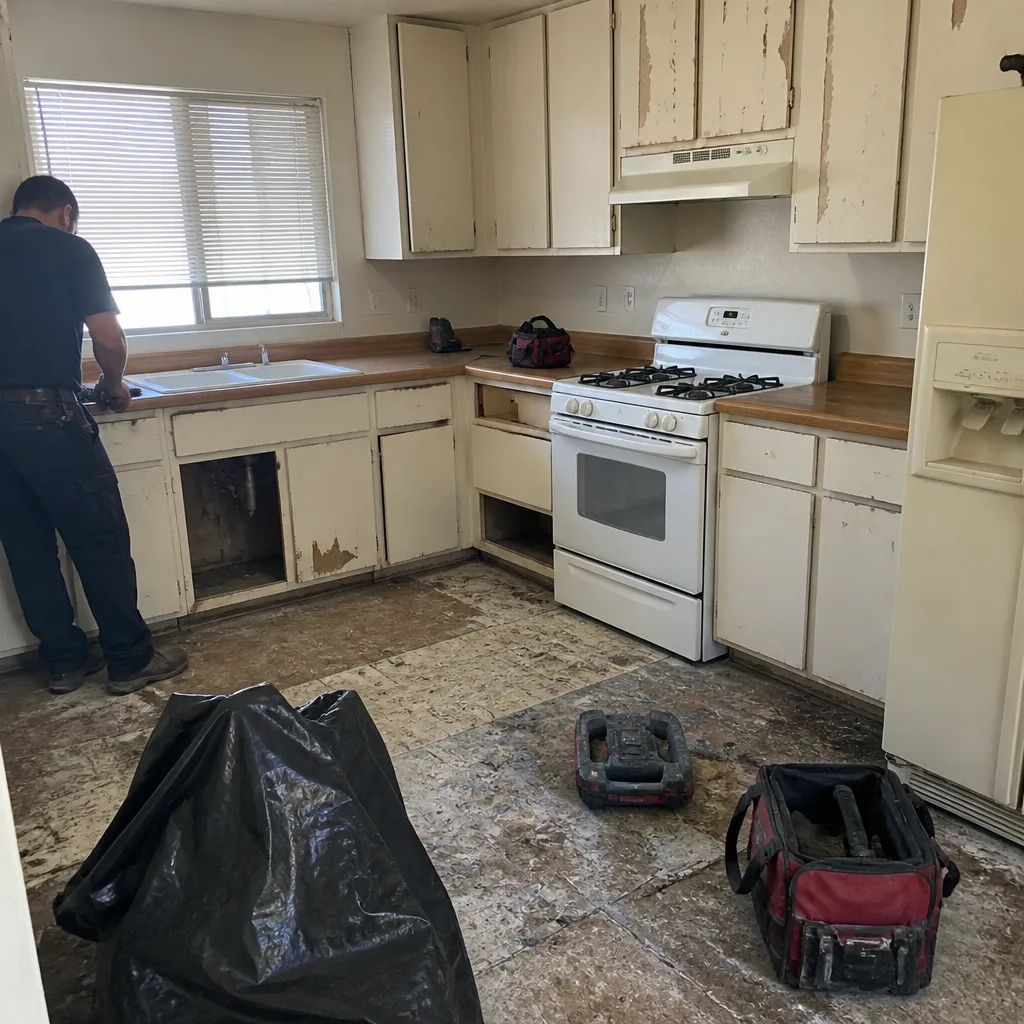 Before
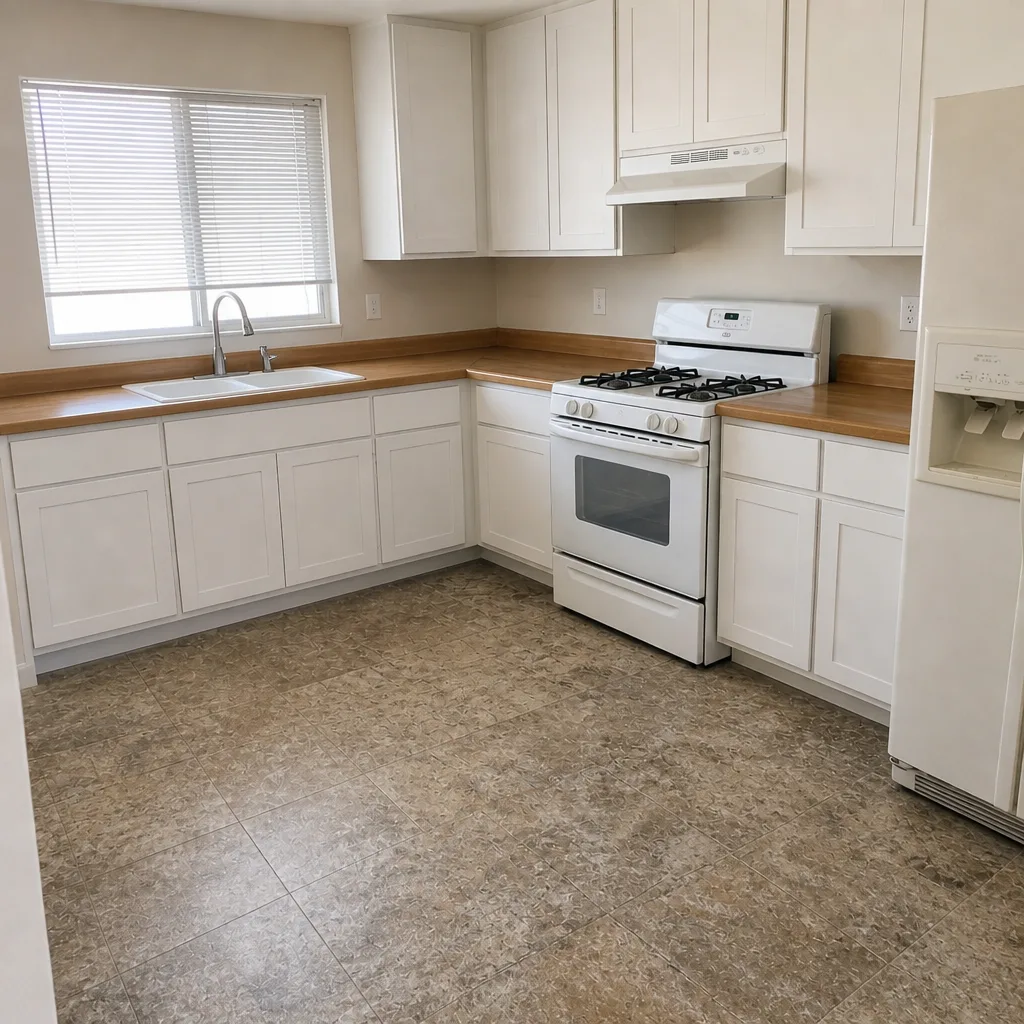 After
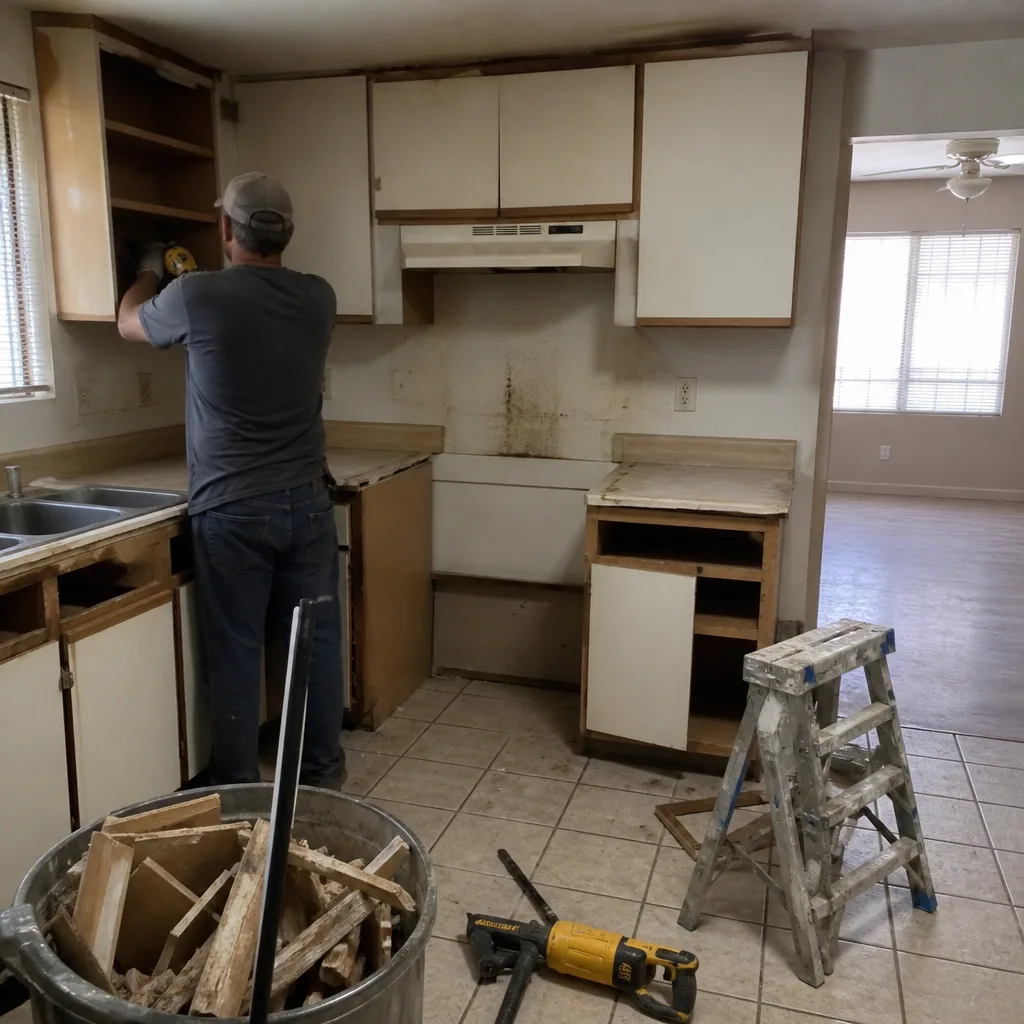 Before
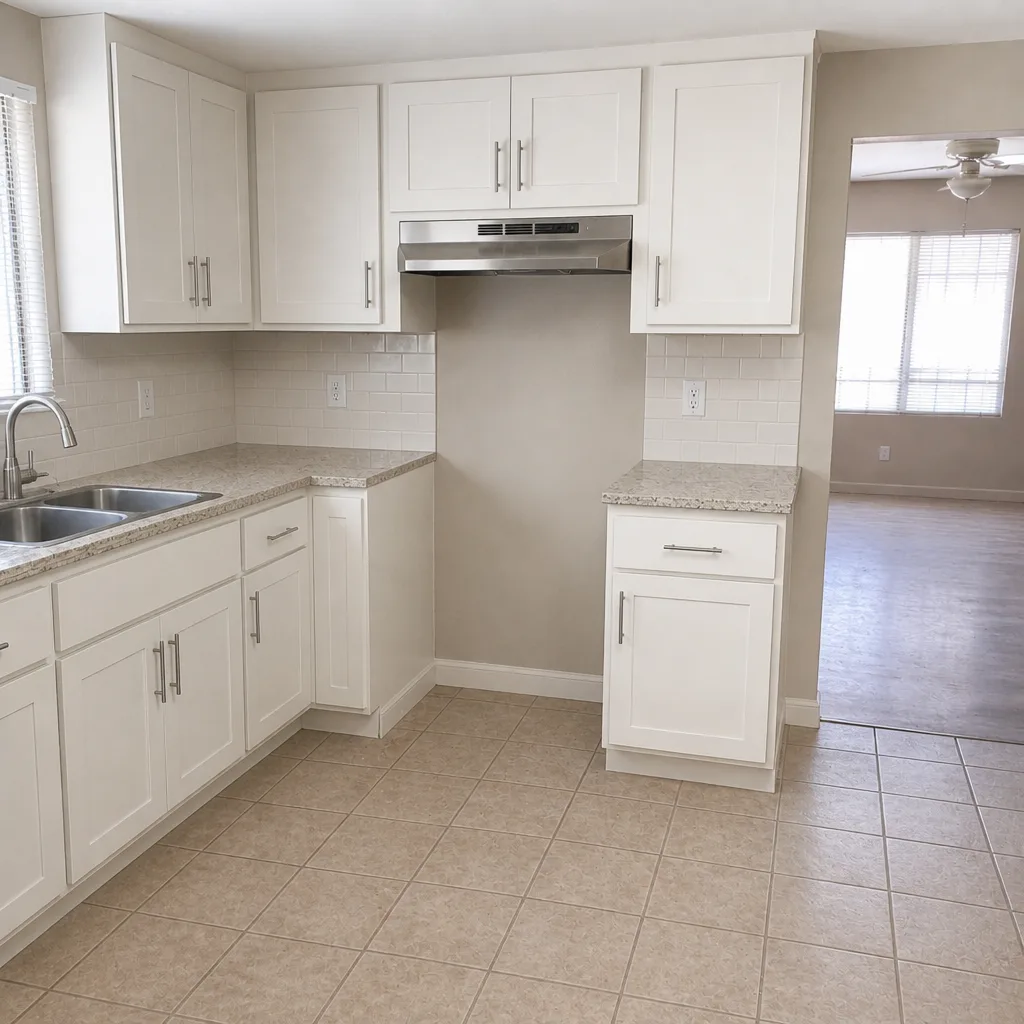 After
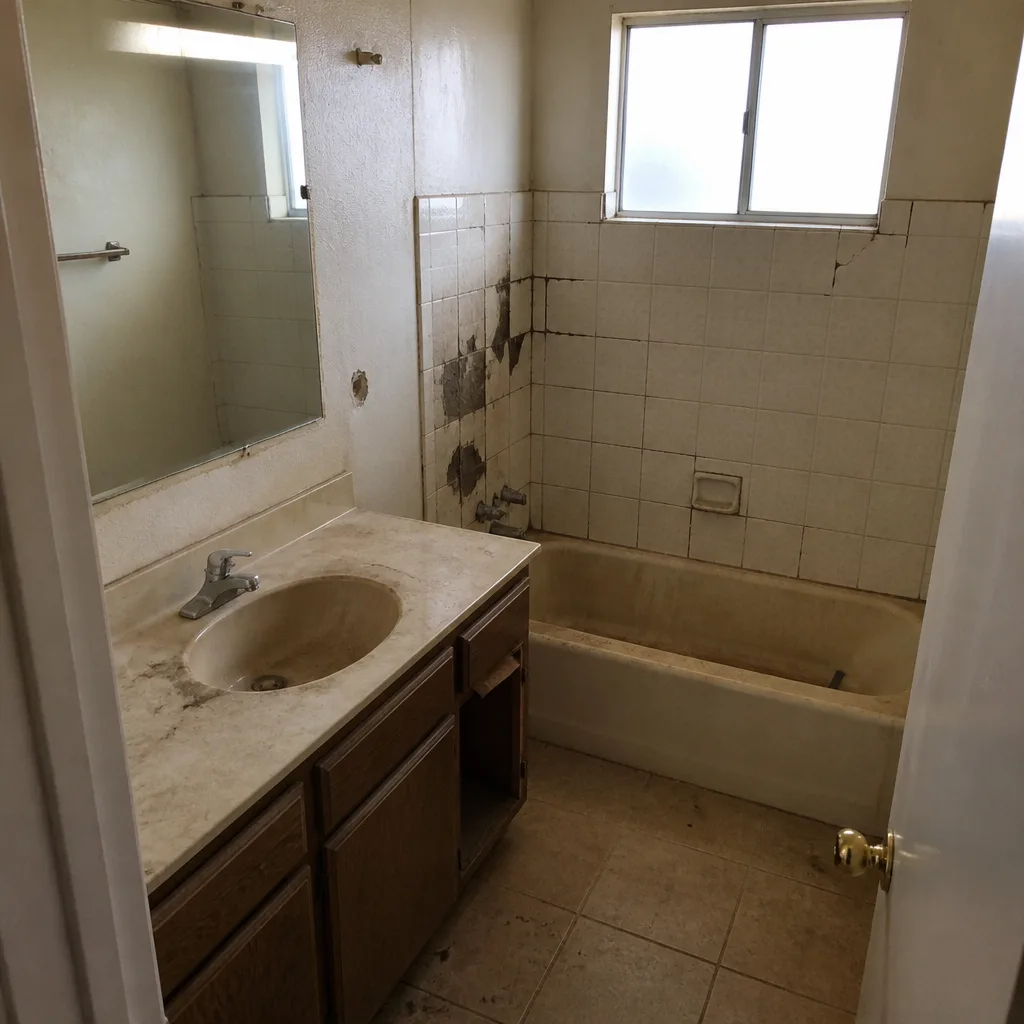 Before
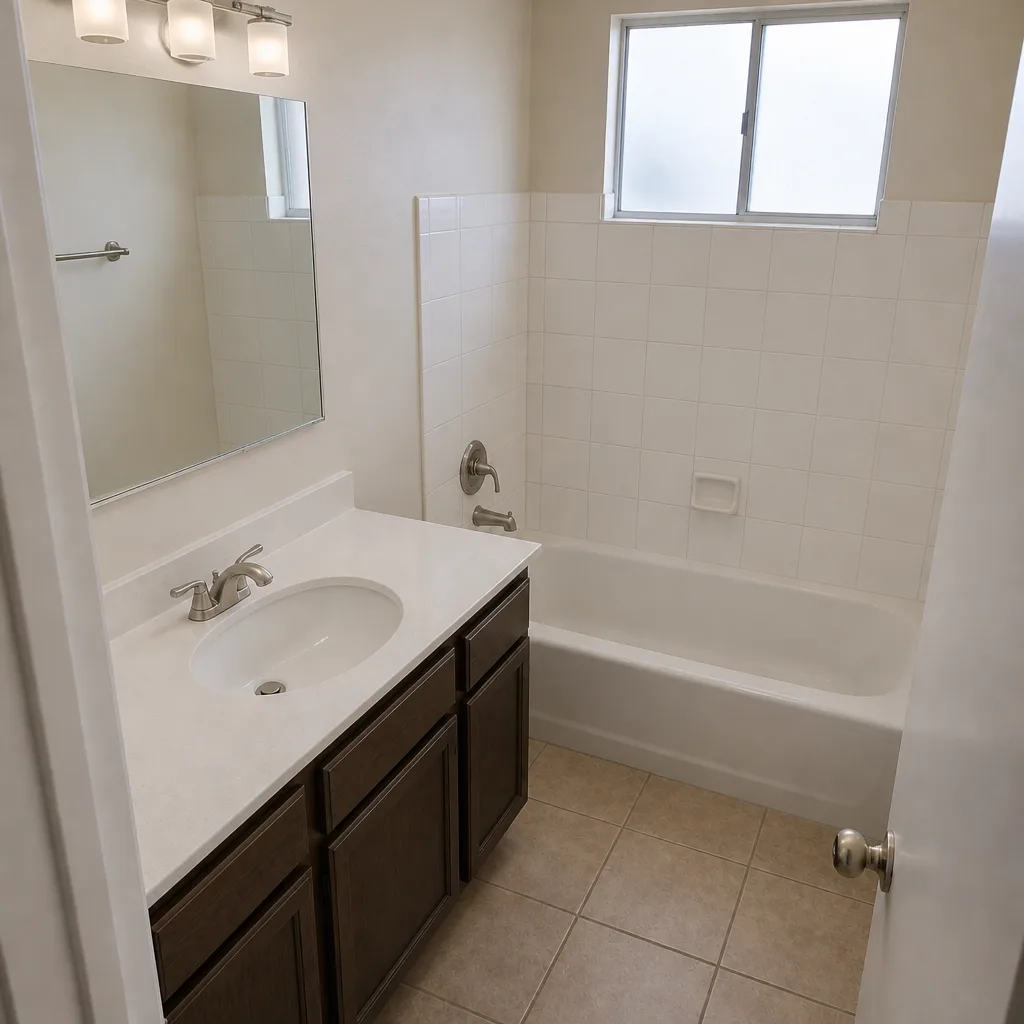 After
When to Call a Professional
Call a licensed contractor for any addition that touches the structural envelope, runs new electrical, plumbing, or HVAC, or requires a permit with electrical in the scope. That covers most of what an addition really is. Owner-builder work is a good fit for demolition, paint, landscaping, and finish carpentry after rough-in sign-off, and a poor fit for anything that lands on an inspector’s clipboard. Barrett & Sons Construction Las Vegas offers free estimates in Las Vegas, pulls every eligible permit, and puts every scope change in writing before the work moves. If you want to keep the DIY parts, we’ll tell you where the line is and where your money actually saves. Call (866) 814-4155.
Frequently Asked Questions
Yes, as long as you’re building on a single-family home you intend to occupy yourself, and you’re not doing licensed-trade work like electrical, plumbing, or HVAC. Nevada’s owner-builder exemption allows this. The catch is that you’ll have to disclose the owner-builder status if you sell within two years, and the buyer’s lender may require a third-party inspection before funding. For a one-time addition on your own home, it’s a legitimate path. For a flip or a rental, it isn’t.
You have to disclose the owner-builder status on the seller’s disclosure, and the buyer’s lender can require a third-party inspection of the permitted work. If the inspection finds deficiencies, the deal renegotiates or dies, and you’re paying for the repair anyway. Pulling the permit and passing inspection up front is the only way to keep this simple. Call (866) 814-4155 if you want a second opinion on what the statute requires for your specific situation.
No. Nevada requires licensed contractors for electrical, plumbing, and HVAC work, and an addition triggers a permit that names each licensed trade. The homeowner can hold the owner-builder permit for the structure, but the trade permits belong to the licensed contractor. Doing the work yourself voids the permit, fails final inspection, and creates an insurance gap. This is one of the few areas where there isn’t a gray zone.
On a typical Las Vegas addition, homeowner labor on demolition, paint, landscaping, and finish carpentry saves $4,000 to $9,000 in a project that lands around $80,000 to $140,000 depending on size. Self-framing looks like a bigger saving on paper, but the tear-out risk on a failed inspection often eats the savings and then some. The hybrid approach is where the money stays in your pocket.
Probably not fully, and possibly not at all. If the addition isn’t on the policy and the work isn’t permitted, the carrier can deny or limit a claim on the structure. Notify the carrier before construction starts, get the permit and inspection sign-offs on file, and make sure the addition is added to the dwelling coverage. That’s the difference between a claim that gets paid and a claim that becomes a lawsuit.
It can, but only for the same scope as an addition: site prep, demolition, finish, paint, landscaping. The ADU’s electrical service, plumbing, and HVAC are licensed-trade work, and the permit will name those contractors. Detached ADUs also need their own foundation, utility tie-ins, and address. Plan on a permit cycle of 3 to 5 months and licensed MEP crews regardless of how much of the rest you self-perform.
The Bottom Line
Owner-builder status in Nevada is a real path for a careful homeowner, but it’s narrower than the internet makes it sound. You can save meaningful money on demolition, paint, landscaping, and finish carpentry. You can’t legally do your own electrical, plumbing, or HVAC, and you can’t treat a flip or a rental like a primary home. The two-year resale disclosure and the insurance gap are the risks that decide the math. Pull the permit, pass the inspections, notify the carrier, and keep the licensed trades where they belong. If you want the line drawn for your actual project, call (866) 814-4155 for a free estimate.
If you want to walk the whole scope with us, start at the Barrett & Sons Construction Las Vegas home page. Our technicians have up to 28 years of experience on additions like these, and our published standing offers include a free second opinion on any written estimate, $40 off any repair over $200, no trip charge inside the county, and a permanent 10% senior and veteran discount.
Written by the team at Barrett & Sons Construction Las Vegas.