
Last updated November 17, 2026
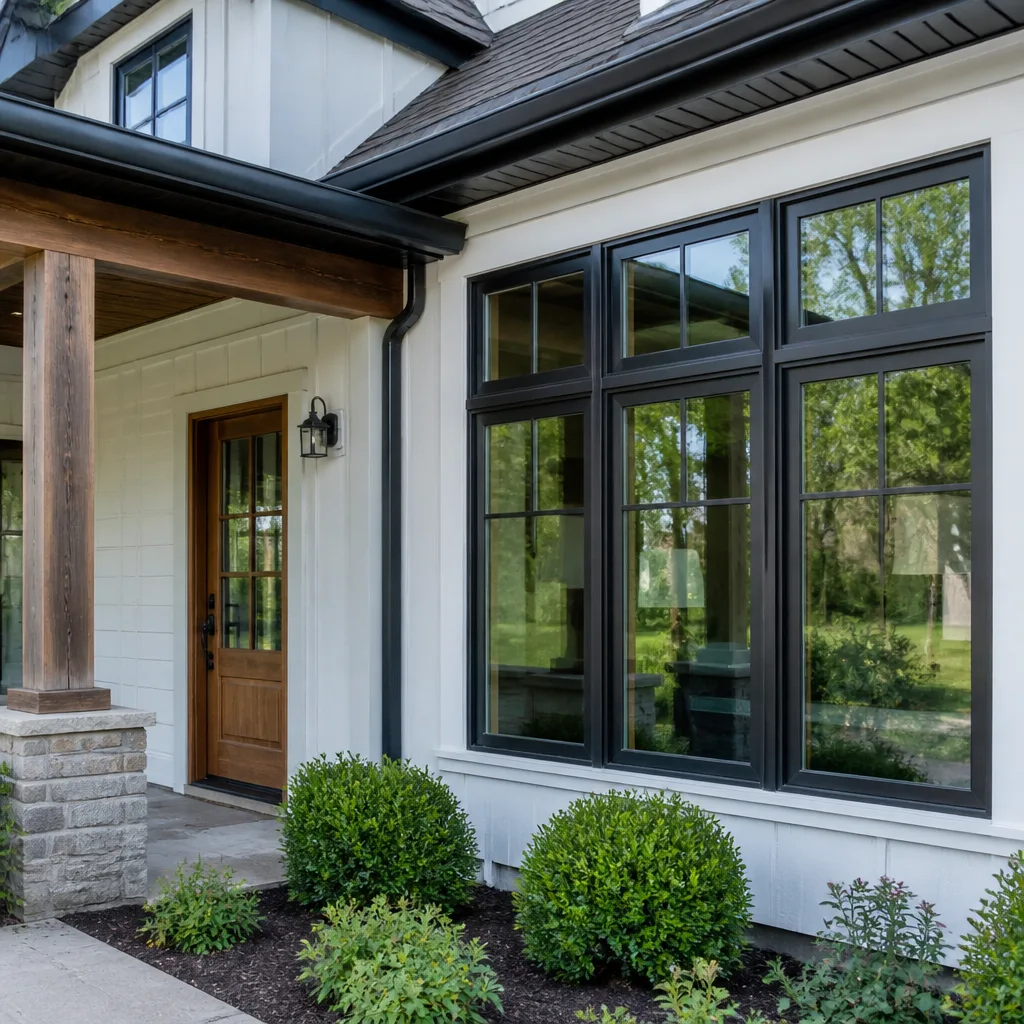 Windows & doors
 Kitchen remodeling
 Bathroom remodeling
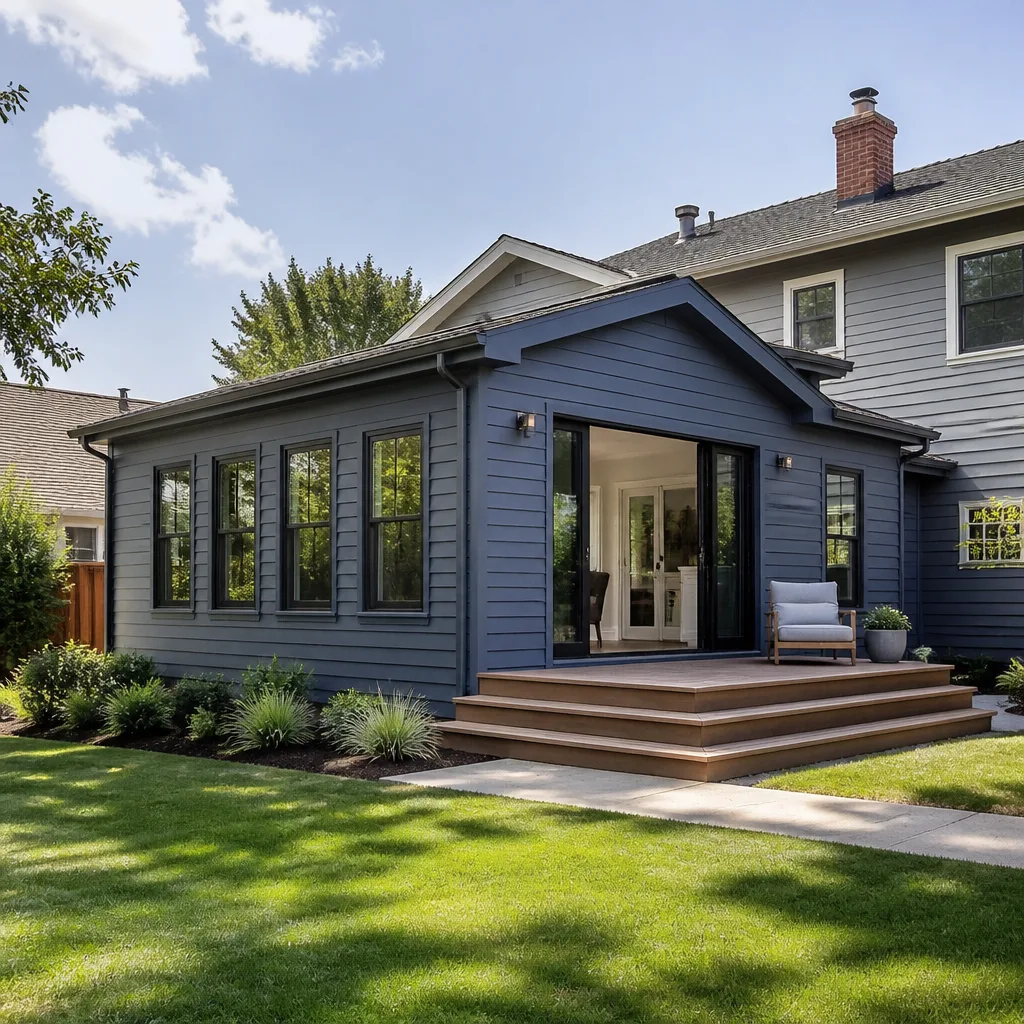 Home additions & ADU
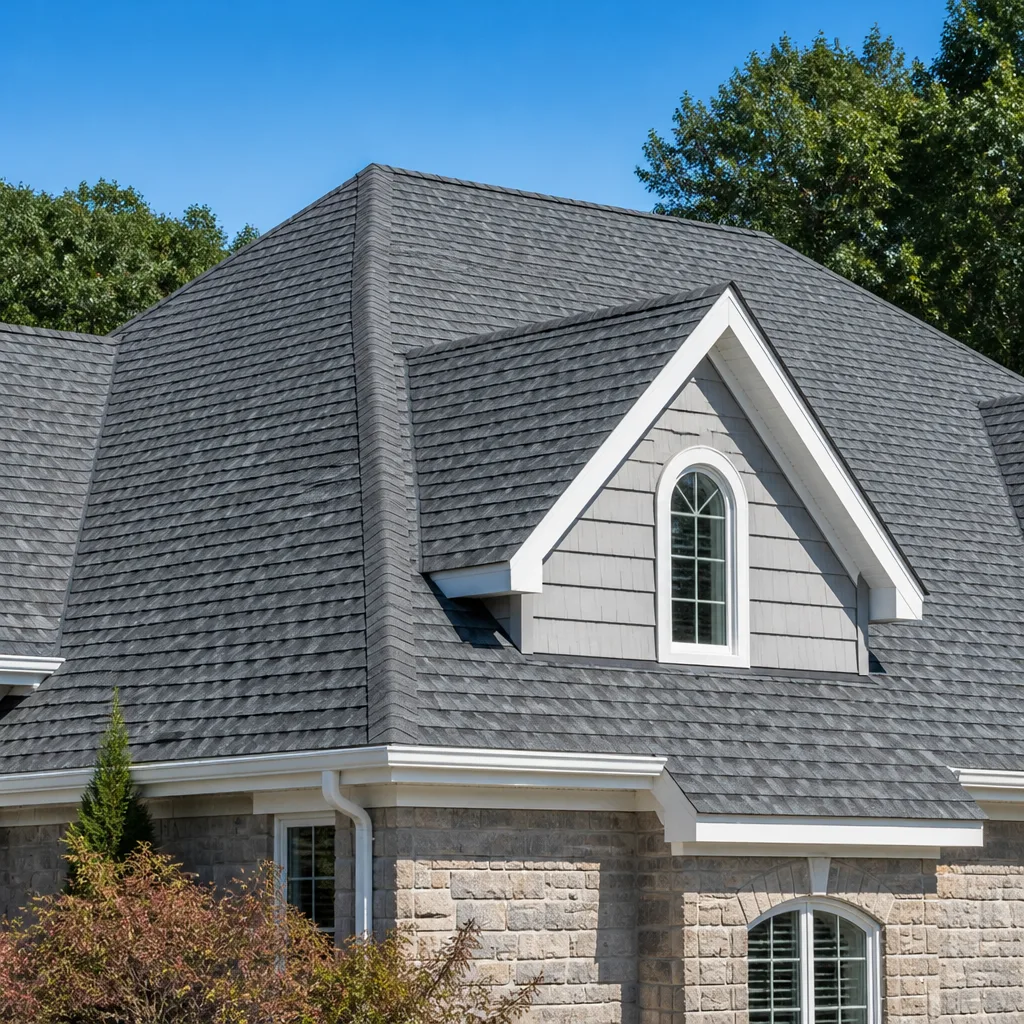 Roofing
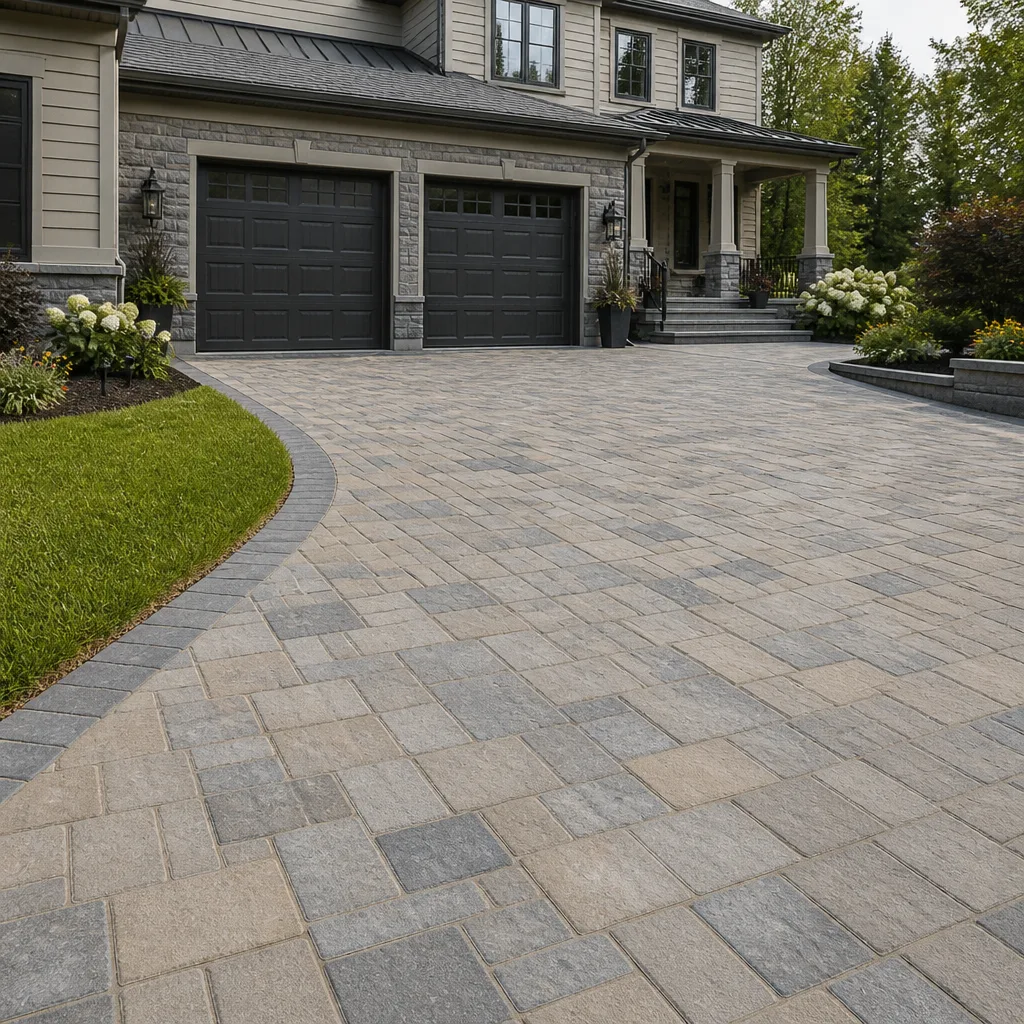 Driveway & pavers
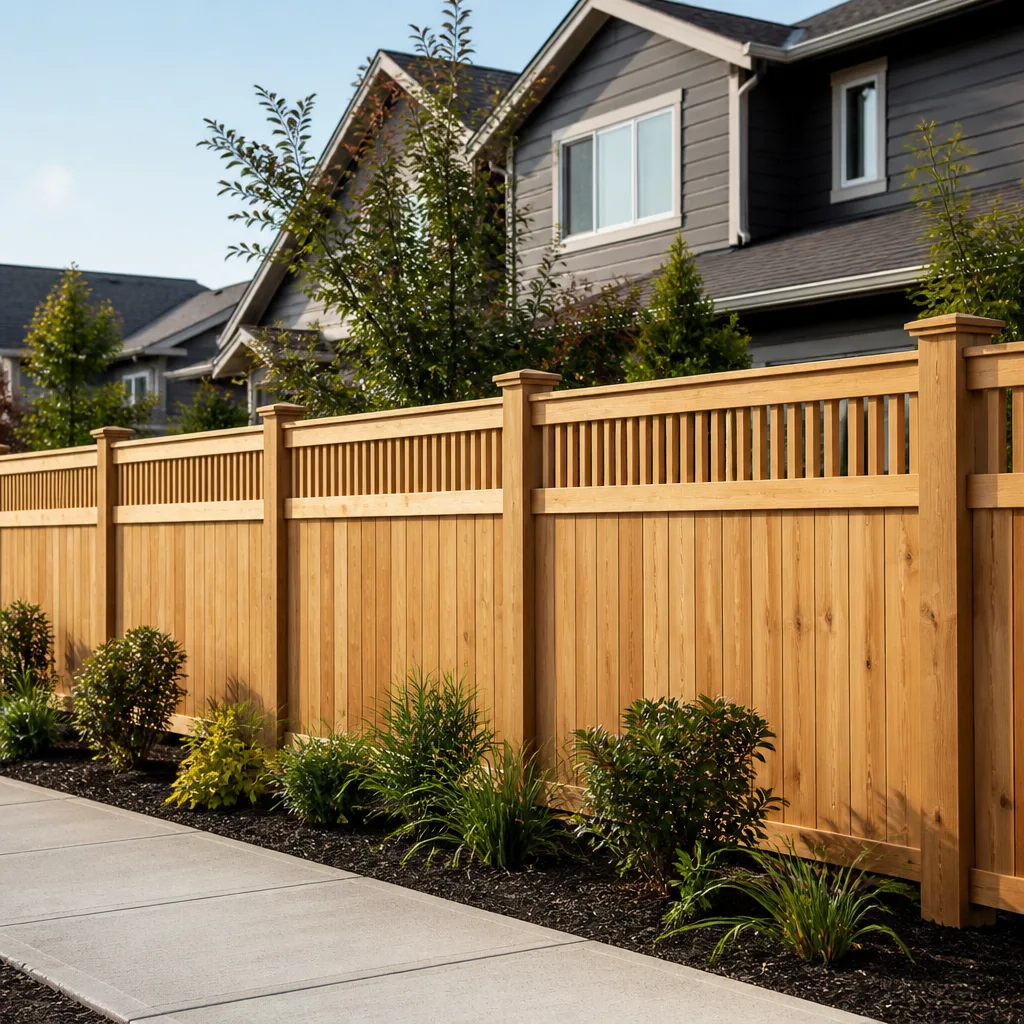 Fence
Free written scope consultation - allowances, timeline, and change-order rules on paper before a single trade is scheduled
The Complete Windows & Doors Guide for Las Vegas Homeowners
Here’s a fact that surprises most Las Vegas homeowners: a window with a strong national Energy Star rating can still raise your summer cooling bill if its Solar Heat Gain Coefficient is too high for a west- or south-facing wall. The sun that pours into a Las Vegas living room at 4 p.m. in July loads that glass with more radiant heat than the energy label was ever tuned to model. U-factor, the number salespeople lead with, mostly measures heat conduction for cold climates. In the Mojave, on valley floor conditions, it’s the wrong number to fixate on. This guide shows you the specs, ratings, frame materials, and brands that actually perform here – so you can read a window like a contractor instead of a brochure.
Quick Answer
The best windows and doors for a Las Vegas home are those with a low Solar Heat Gain Coefficient (0.25 or lower on west- and south-facing glass), a U-factor of 0.32 or better, fiberglass, vinyl, or composite frames built for repeated thermal expansion, and Low-E coatings rated for extreme UV. For doors, choose a fiberglass or steel core with UV-stable finish and dense weatherstripping. Get the NFRC label, not a sales pitch.
Styles & brands we work with
- Kitchen remodeling
- Bathroom remodeling
- Home additions & ADU
- Roofing
- Windows & doors
- Driveway & pavers
- Fence
Table of Contents
- Why SHGC Matters More Than U-Factor in the Mojave
- Frame Materials That Survive 115°F Days
- Nevada Title 24 and Your Window Permit
- Choosing Doors for Extreme UV Exposure
- How to Read an NFRC Label Like a Contractor
- Brands That Hold Up in Las Vegas
- Installation: Where Good Windows Go Wrong
- Common Mistakes to Avoid
Why SHGC Matters More Than U-Factor in the Mojave
Solar Heat Gain Coefficient measures how much of the sun’s heat passes through your glass. A lower number blocks more heat. U-factor measures how fast heat conducts through the window. In Minnesota, U-factor rules. In Las Vegas, SHGC does. The difference between a SHGC of 0.40 and a SHGC of 0.25 on a west-facing window can mean hundreds of dollars a year in cooling costs on a typical valley home.
Here’s why it’s specific to us. Las Vegas sits in the Mojave Desert at roughly 2,000 feet, and our summers run 100-plus degrees for weeks. Afternoon sun hits west- and south-facing glass with an intensity that many national product lines weren’t calibrated for. In our experience walking jobs in Summerlin and Spring Valley, the windows that fail to perform are almost always the ones chosen on a single overall energy rating rather than exposure-by-exposure.
Here’s what to demand:
- West-facing glass: SHGC of 0.25 or lower.
- South-facing glass: SHGC of 0.25 to 0.30.
- East-facing glass: SHGC of 0.30 or lower to handle morning sun.
- North-facing glass: You can go a touch higher (0.35 to 0.40) and gain daylight without paying for it.
- U-factor: 0.32 or better across the board, though it matters less in summer than the SHGC does.
The mistake most salespeople make is quoting one SHGC for the whole house. A real installer adjusts by orientation, because your west windows do more work against your comfort than your north windows ever will.
Frame Materials That Survive 115°F Days
Frame material gets less attention than glass, but on a Las Vegas home it can be the difference between windows that seal tight for decades and ones that start leaking air at year eight. The reason is thermal expansion. When your frame heats to 140°F in the afternoon and cools to 70°F overnight, it moves. Over and over, for 20 or 30 years. The material that handles that cycle without warping is the one you want.
How the three main options behave here:
- Vinyl: Inexpensive and common. Quality vinyl with internal reinforcement holds up fine in most Las Vegas applications, but cheaper vinyl grades can soften, sag, or crack under sustained high heat. When we install vinyl, it’s premium grade or nothing.
- Fiberglass: The strongest performer in extreme heat. Fiberglass has a thermal expansion rate similar to glass, so the frame and glass move together rather than fighting each other. It’s more expensive but often the best long-term investment here.
- Composite: Engineered materials that behave a lot like fiberglass at a slightly lower price. Good middle ground, though the quality varies widely by brand – ask what the composite actually is.
Aluminum gets an honorable mention. It’s strong, but it conducts heat fast unless it has a thermal break. Bare aluminum frames can make a west-facing window feel hot to the touch even with good glass. If you see aluminum, verify the thermal break.
In Las Vegas, the right frame helps the window do its job. For homeowners planning a larger renovation and adding exterior access with new doors, our Home Additions & ADU in Las Vegas team builds the openings and specs the doors to match the home.
Nevada Title 24 and Your Window Permit
Title 24 is California’s energy code, but Nevada has adopted its own energy standards that mirror much of the same thinking. For window replacement in Las Vegas, those standards set a ceiling on the U-factor and SHGC allowed for new glass as part of a permitted job. Here’s what “compliant” means for you in plain language:
When a window replacement is part of a permitted project in Las Vegas – which is most whole-home or large-scale replacements, not every single-unit swap – the local building department reviews the energy specs against the adopted code. The inspector checks the NFRC labels and the permits. If your windows aren’t labeled on the approved performance sheet, they don’t pass.
Steps to know your window job is code-compliant:
- Confirm whether your replacement requires a permit. Whole-home and most multi-unit replacements do. A single window may not, but ask.
- Get the NFRC label for the exact model you’re buying, not the brochure for the product line.
- Verify the U-factor and SHGC meet or beat the adopted energy code for your climate zone.
- Make sure the contractor lists the glass specs on the permit application.
- Keep the NFRC labels on the windows until the inspector has signed off – many homeowners pull them off too early.
This is where permits make a real difference. The inspector works for you, not for the contractor. A job with the right permit and the right labels is a job you can verify. We pull permits and sign inspections on every eligible window and door job we take on in Las Vegas.
Choosing Doors for Extreme UV Exposure
Las Vegas delivers about 290 sunny days a year. That’s a lot of ultraviolet light hitting your front door. The sun is why cheap exterior doors fade, crack, and warp within five years. It’s also why door selection here should prioritize UV stability over almost anything else.
How door materials hold up:
- Fiberglass doors: The best choice for UV exposure. Modern fiberglass entry doors from brands like Therma-Tru carry finishes engineered to resist fading, and the fiberglass core won’t warp or rot. There are fiberglass doors that come with multi-year finish warranties because the manufacturer knows the finish will last.
- Steel doors: Strong and secure, and good UV performance with a quality factory finish – but the finish is the weak point. If the paint flakes or chips, bare steel rusts quickly in our dry heat. Look for a premium finish system, not a field-painted door.
- Wood doors: Beautiful, but high maintenance in Las Vegas. A wood door on a southern or western exposure needs refinishing every two or three years here, and if you skip it, the wood checks and cracks. Know what you’re signing up for.
Watch the weatherstripping too. The dense, high-quality strips made from silicone or EPDM hold up far better than cheap foam weatherstripping, which breaks down and lets in dust and hot air. And the glass in your door needs the same SHGC specs as your windows – a full-lite door is basically a window with a hinge.
How to Read an NFRC Label Like a Contractor
Every window sold in the U.S. should carry a label from the National Fenestration Rating Council. It’s a small white sticker that most people ignore. It’s also the most honest piece of information on the entire product. Here’s how to read it for a Las Vegas home:
- U-factor: Heat conduction. Lower is better. In Las Vegas, target 0.32 or lower. This matters most on winter nights, though our winters are mild.
- Solar Heat Gain Coefficient (SHGC): The sun-blocking number, and the one that matters most here. Lower is better on west and south glass. Target 0.25 or lower on the hot exposures.
- Visible Transmittance (VT): How much daylight comes through. Higher is brighter. On shaded north windows, a higher VT lets you keep more natural light without paying for it.
- Air Leakage (AL): How much air sneaks through the frame. Lower is better. In our dusty, windy springs, a low AL number means fewer dust intrusions.
- Condensation Resistance: Less relevant in Las Vegas because humidity is so low, but worth a glance.
The label gives you a comparison tool. If a salesperson quotes you a window without one, ask for the NFRC label before you agree. If they can’t produce it, walk away. Real brands and real installers will always have it.
Brands That Hold Up in Las Vegas
We’ve installed enough windows and doors across the valley to have opinions about which brands perform. The three we trust most here are:
- Andersen: Their fiberglass and composite lines (E-Series and A-Series) handle our thermal cycling well, and their glass options let you dial in the SHGC by exposure. Their presence in Las Vegas means parts and warranty support are close.
- Marvin: Known for solid frames and precision fit. Their fiberglass Integrity line is popular for its UV resistance. Pricey, but the glass specs are reliable across the product line.
- Therma-Tru: The standard for fiberglass entry doors in our climate. Their fiberglass finishes resist fading and warping with factory-baked finishes and real UV warranties. We install Therma-Tru doors on everything from Henderson remodels to custom homes in Southern Highlands.
We stick to brands you can look up. When you’re spending $15,000 on a whole-home window replacement, the brand name and the NFRC label are the two things that tell you what you’re actually buying. If you’re pairing new windows with new exterior work, our Fence Installation in Las Vegas and Driveway & Pavers in Las Vegas crews coordinate the exterior specs so the whole package holds up.
Installation: Where Good Windows Go Wrong
Even a top-tier window with perfect specs can fail if the installation isn’t right. This is the part most companies rush, and it’s the part that determines how the window performs over 20 years. On a Las Vegas home, the installation mistakes show up differently than in wetter climates.
What to look for in a proper window installation here:
- Flashing at every opening: Proper flashing seals the window against the wall. In a dry climate, installers sometimes skip this step. They shouldn’t. Our monsoon season dumps enough rain in a short window to find any gap.
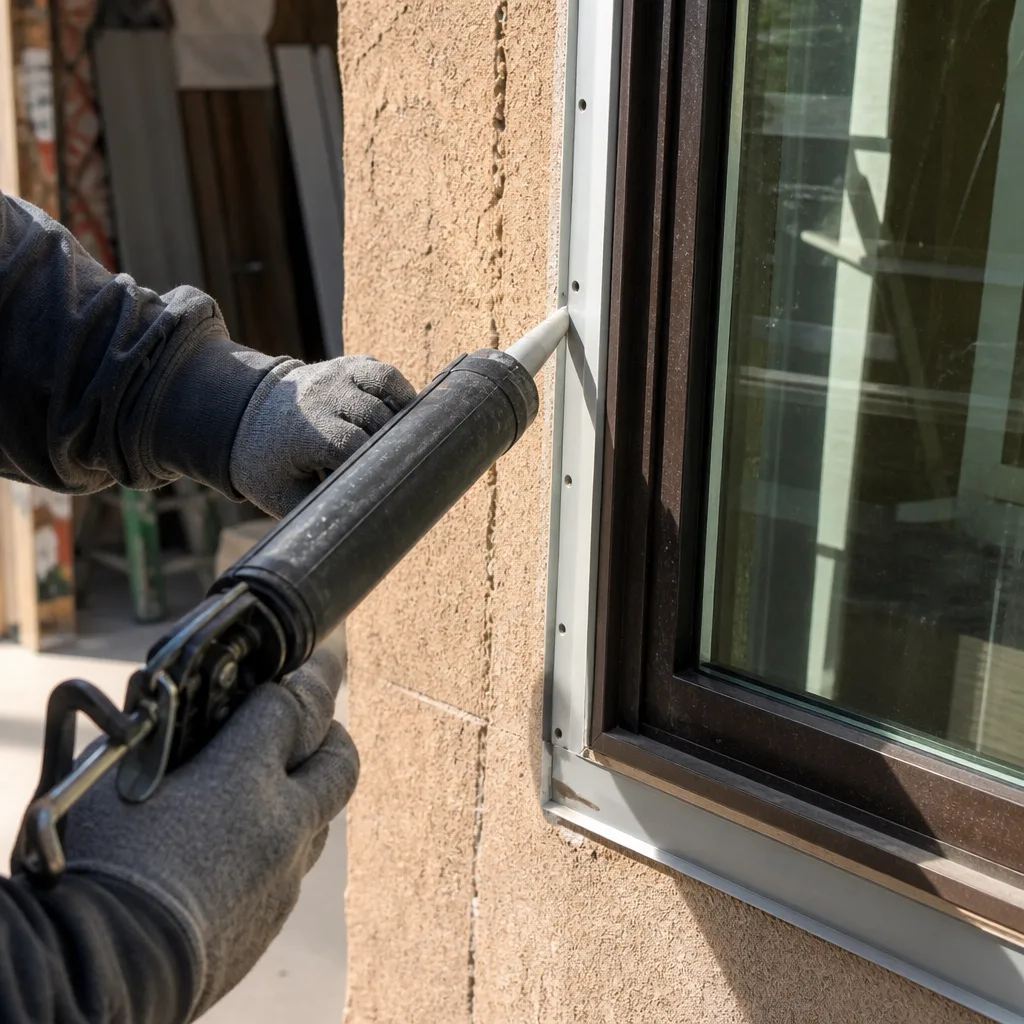
- Sealing against dust: Las Vegas winds blow desert dust into any crack. The right caulk and weatherstripping keeps that dust out, and it’s a detail most national outfits miss.
- Insulation in the frame gap: The gap between the new frame and the rough opening needs insulation. Without it, your window might be great glass in a bad envelope.
- Level and square: A window set crooked will never seal right. This is where an on-site crew member who knows the home matters more than a corporate install binder.
We pull permits and sign the inspections on eligible installs, which means our window installation work gets reviewed by the building inspector. That’s a second set of eyes on the same job. Every scope, every allowance, and every price change arrives as a written change order before work happens, and if something isn’t right, the 90-Day Done Right Promise brings us back out with one call.
Common Mistakes to Avoid
- Buying on the energy star sticker alone: A window can be Energy Star rated and still be wrong for a west-facing Las Vegas wall. Ask for the SHGC. The overall rating hides what actually matters here.
- Using the national default spec on every window: One SHGC for the whole house is a shortcut. Orient your specs by exposure: west and south need different numbers than north.
- Grading the frame as an afterthought: Cheaper vinyl in a 115°F climate warps and sags. The frame and glass move differently, and the seam between them fails. Pay for the right grade once.
- Skipping permits to save money: Unpermitted window replacements can come back to bite you at resale or an inspection. In Las Vegas, the building department checks NFRC labels on permitted jobs, so an unpermitted job means no second look.
- Buying a wood front door on a west exposure: The finish will fade and the wood will check unless you refinish every two or three years. It’s a maintenance commitment, not a one-time purchase.
- Ignoring the weatherstripping and sealant: The best window in the world leaks if the sealant around it isn’t right. In our dust and monsoon weather, the finish details matter as much as the glass.
- Trusting a price quoted on the phone: A phone quote can’t account for your window sizes, exposures, frame condition, or code requirements. A real quote comes after someone looks and measures.
See the difference
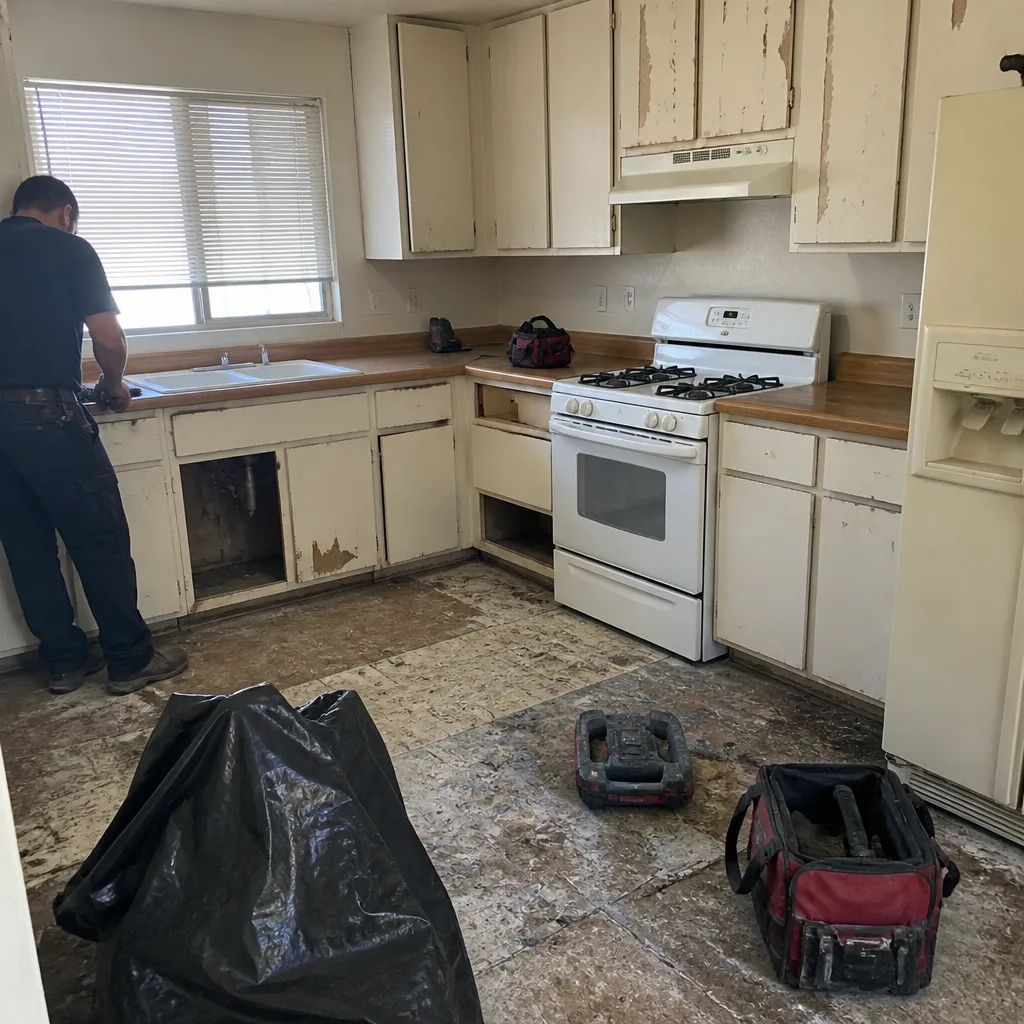 Before
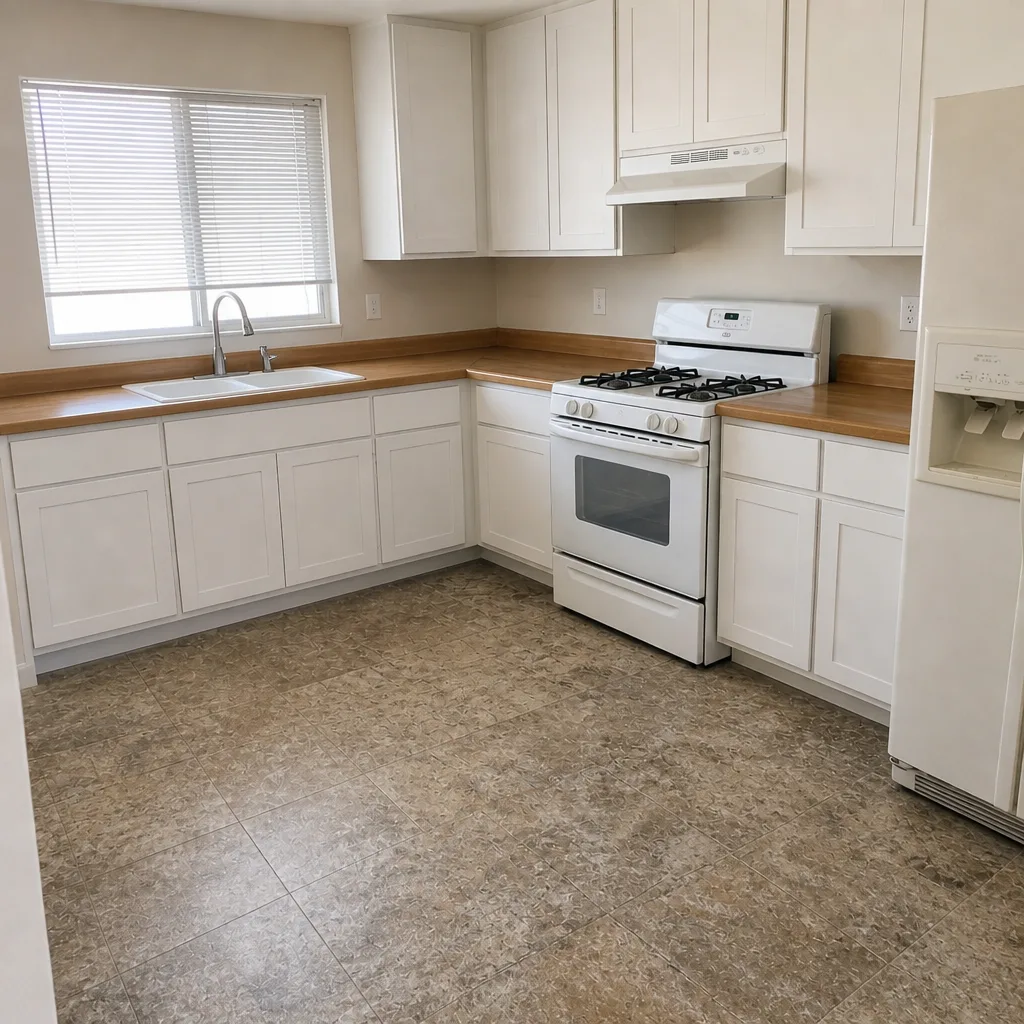 After
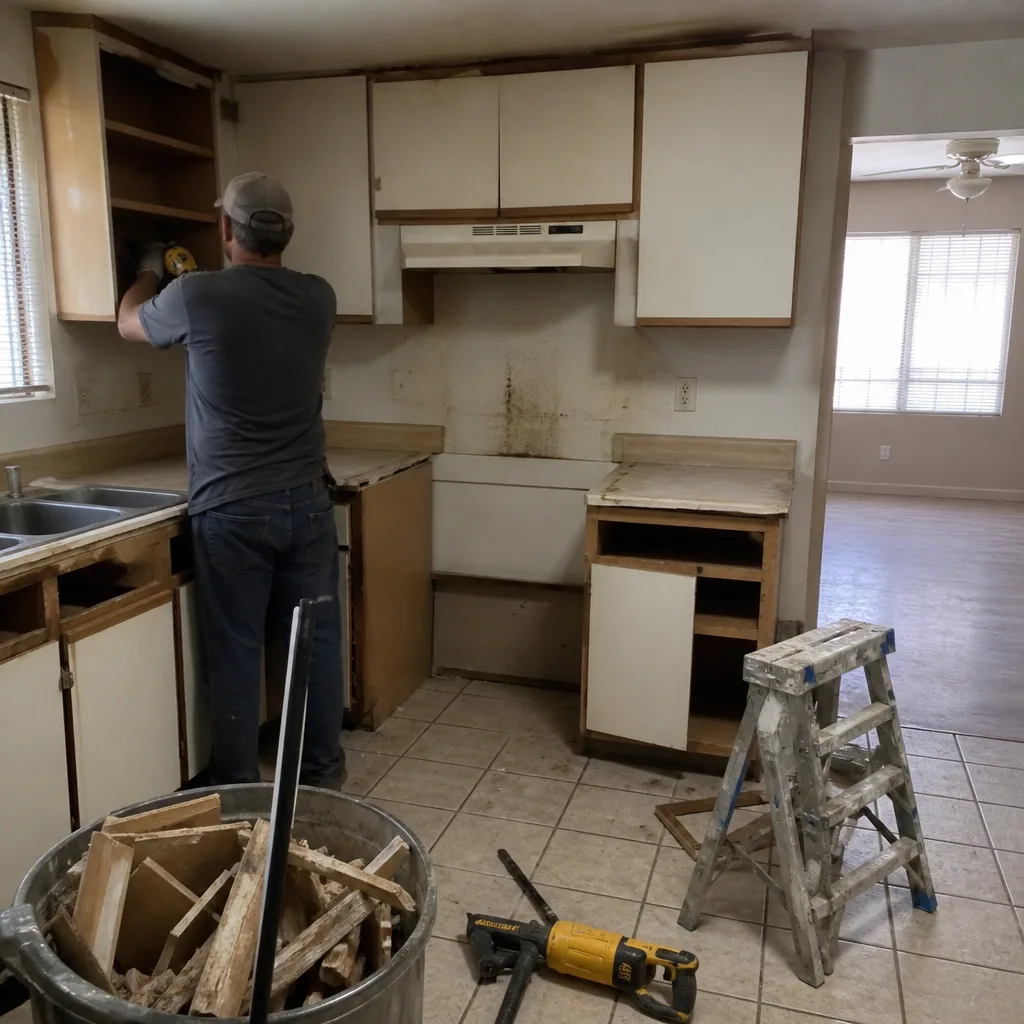 Before
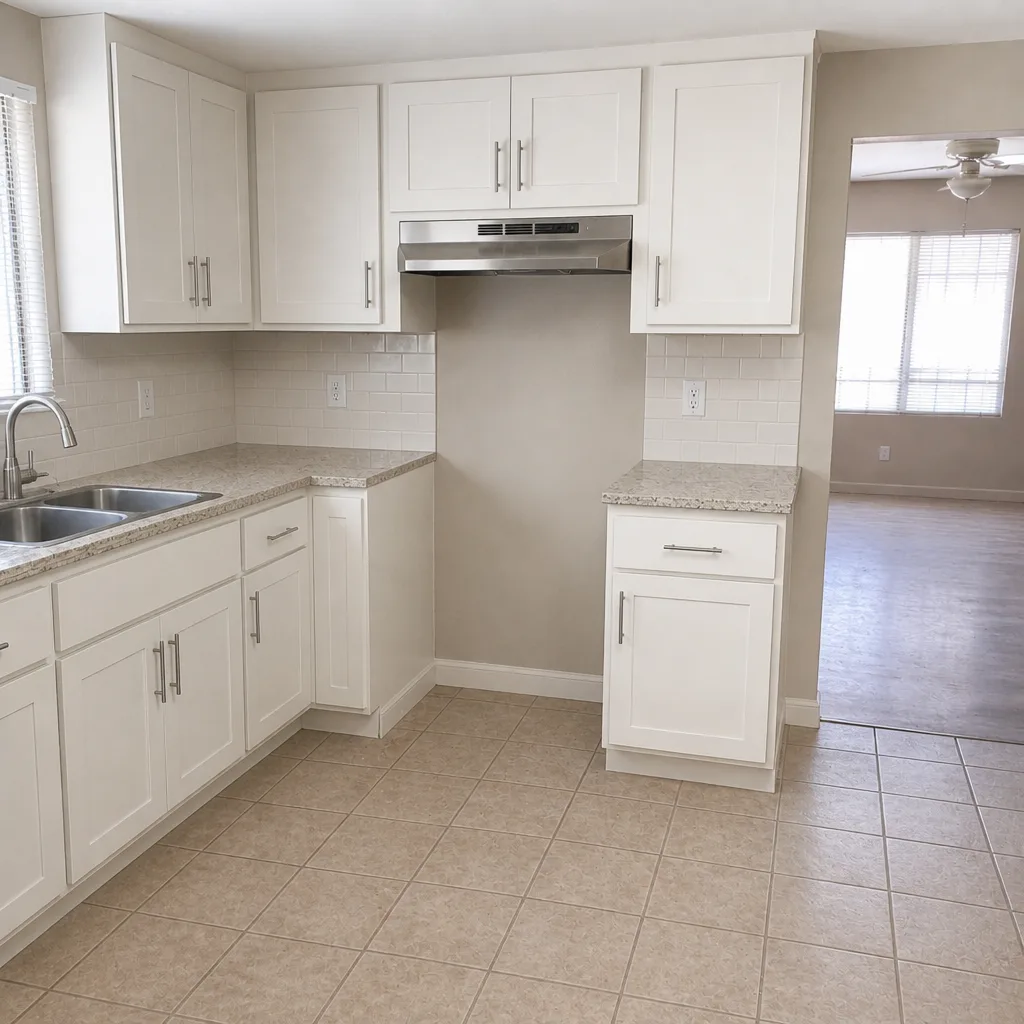 After
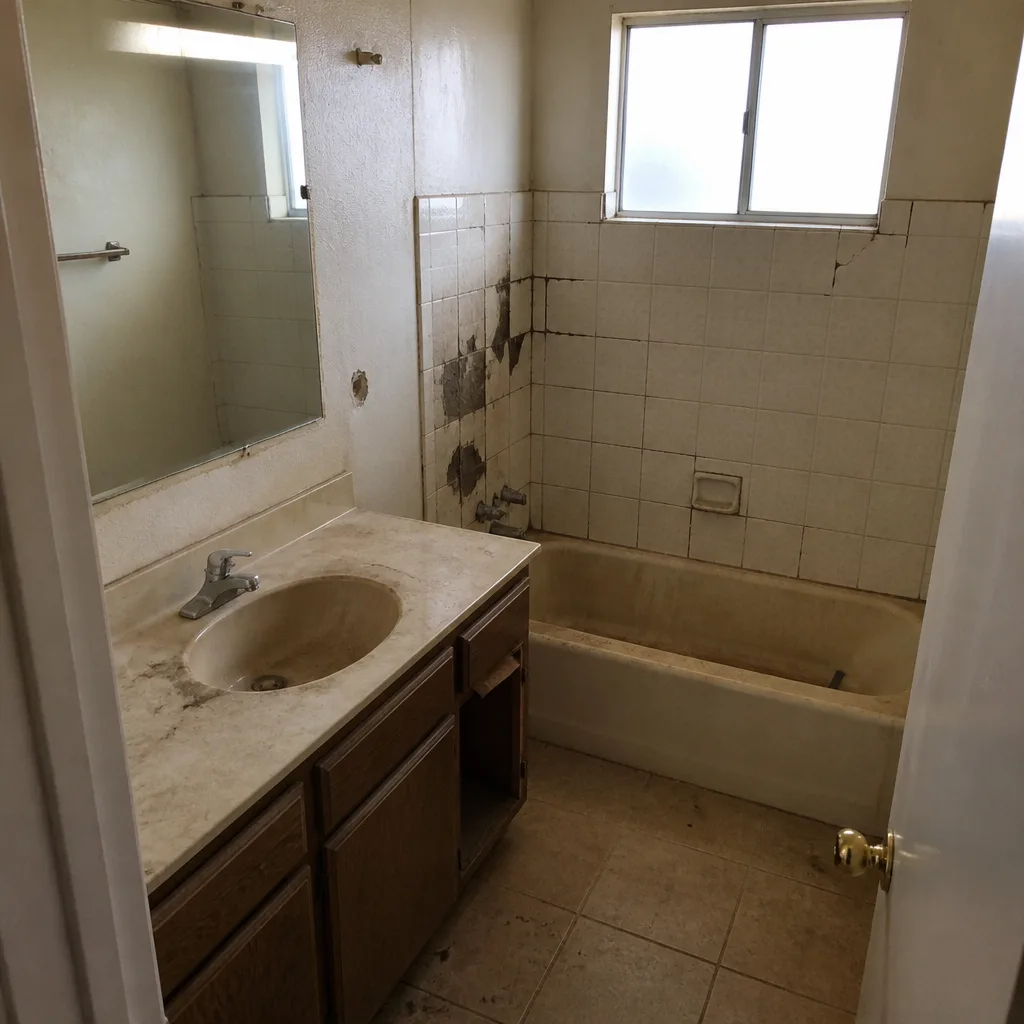 Before
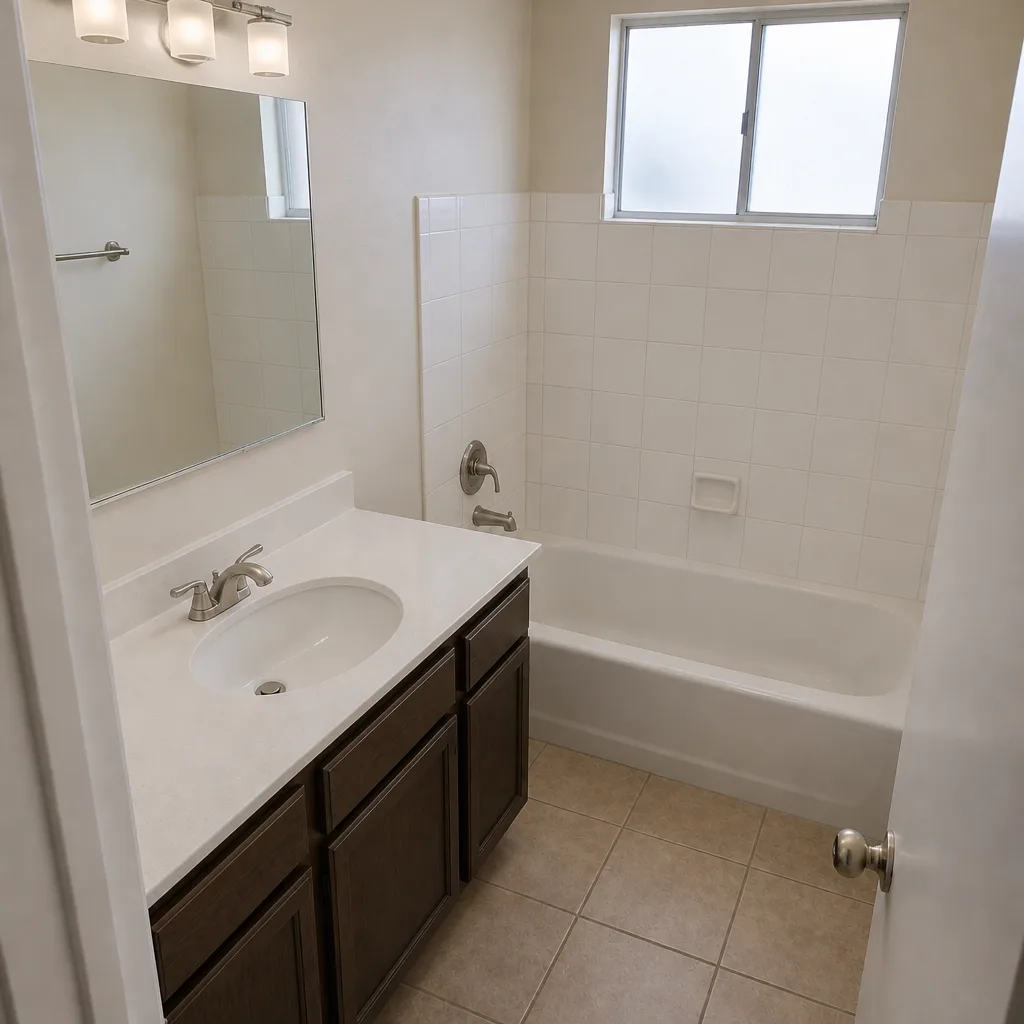 After
When to Call a Professional
Some window jobs are simple – a single stuck window or a torn screen. Others need a professional. Call a pro for whole-home or multi-window replacement, any job that requires a permit, door replacement with an integrated frame, window replacement in an existing masonry wall, or any glass that’s part of a leak investigation. Also call if you’re unsure whether your windows need a permit or whether your chosen windows meet Nevada’s energy code. These are the decisions where a wrong choice costs real money.
Barrett & Sons Construction Las Vegas offers free estimates in Las Vegas – call (866) 814-4155. Get a second opinion on any written estimate at no charge, through our free second opinion offer. Every quote is itemized and written, so you can compare glass specs by exposure and see exactly what’s behind the price.
Frequently Asked Questions
Aim for 0.25 or lower on west- and south-facing glass and 0.30 to 0.35 on north-facing windows. SHGC is the single most important number for lowering summer cooling costs in the Mojave climate. Call (866) 814-4155 for an exact recommendation by exposure.
Whole-home and most multi-unit window replacements require a permit in Las Vegas, while a single window swap may not. When a permit is needed, the building department reviews the NFRC labels and energy specs against the adopted code. We pull permits and sign inspections on every eligible job – call (866) 814-4155 to confirm yours.
Afternoon heat is solar heat gain through west-facing glass, and the fix is a lower SHGC, not better U-factor. West windows load with direct sun from about 3 p.m. onward in summer. If your current windows let that heat in, new glass with a 0.25 SHGC can cut the load sharply. Get a free estimate by calling (866) 814-4155.
Fiberglass entry doors hold up best against Las Vegas UV exposure, because the fiberglass core won’t warp and factory finishes resist fading. Steel performs well with a quality finish, and wood needs refinishing every two or three years. Call (866) 814-4155 for a free quote on the door that fits your exposure.
Yes, if the SHGC is right for each exposure – not just the U-factor. We’ve seen cooling bills drop after full replacements when west-facing glass went from a high SHGC to a low one. The savings depend on how much glass you have and how it faces. Call (866) 814-4155 for a free walkthrough and a written estimate.
Most standard window replacements in Las Vegas run roughly $600 to $1,200 per window installed, with whole-home projects landing between $9,000 and $20,000 depending on count, frame material, and glass specs. Fiberglass and premium composite sit at the top of that range. Call (866) 814-4155 for a free, itemized estimate – no surprises at the end.
The Bottom Line
Windows and doors in Las Vegas are a building science problem, not a sticker-match exercise. The three specs that matter most: a low SHGC (0.25 or lower) on west- and south-facing glass, a frame material that handles 115°F thermal cycling without warping, and an NFRC label you can read line by line. Choose fiberglass or quality vinyl, pick a fiberglass door over wood for sun-exposed entries, confirm your permit and code compliance, and hire an installer who seals the detail work. Read the label, compare by exposure, and don’t let a single energy rating stand in for the whole picture. Need help pricing it out? Call (866) 814-4155 for a free estimate and a second opinion on any written quote.
Written by the team at Barrett & Sons Construction Las Vegas.