
Last updated November 17, 2026
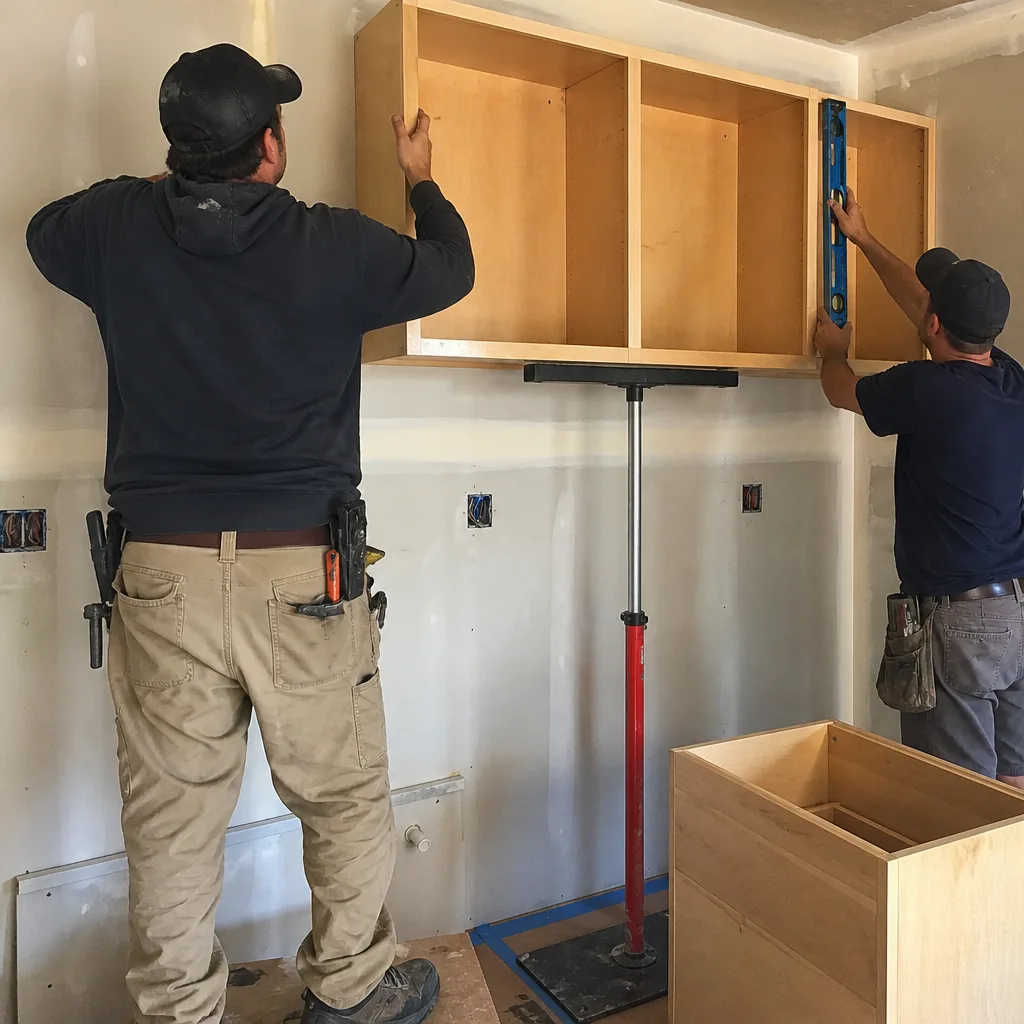
 Kitchen remodeling
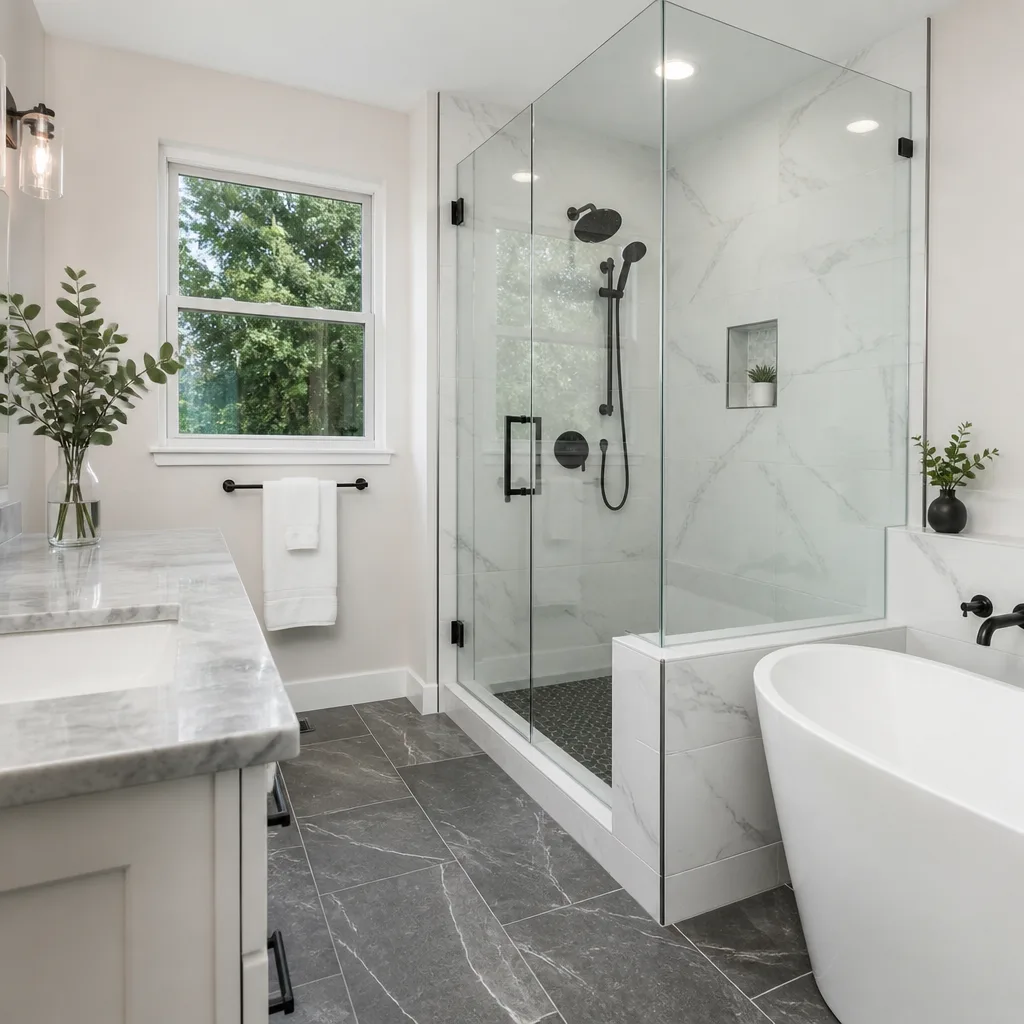 Bathroom remodeling
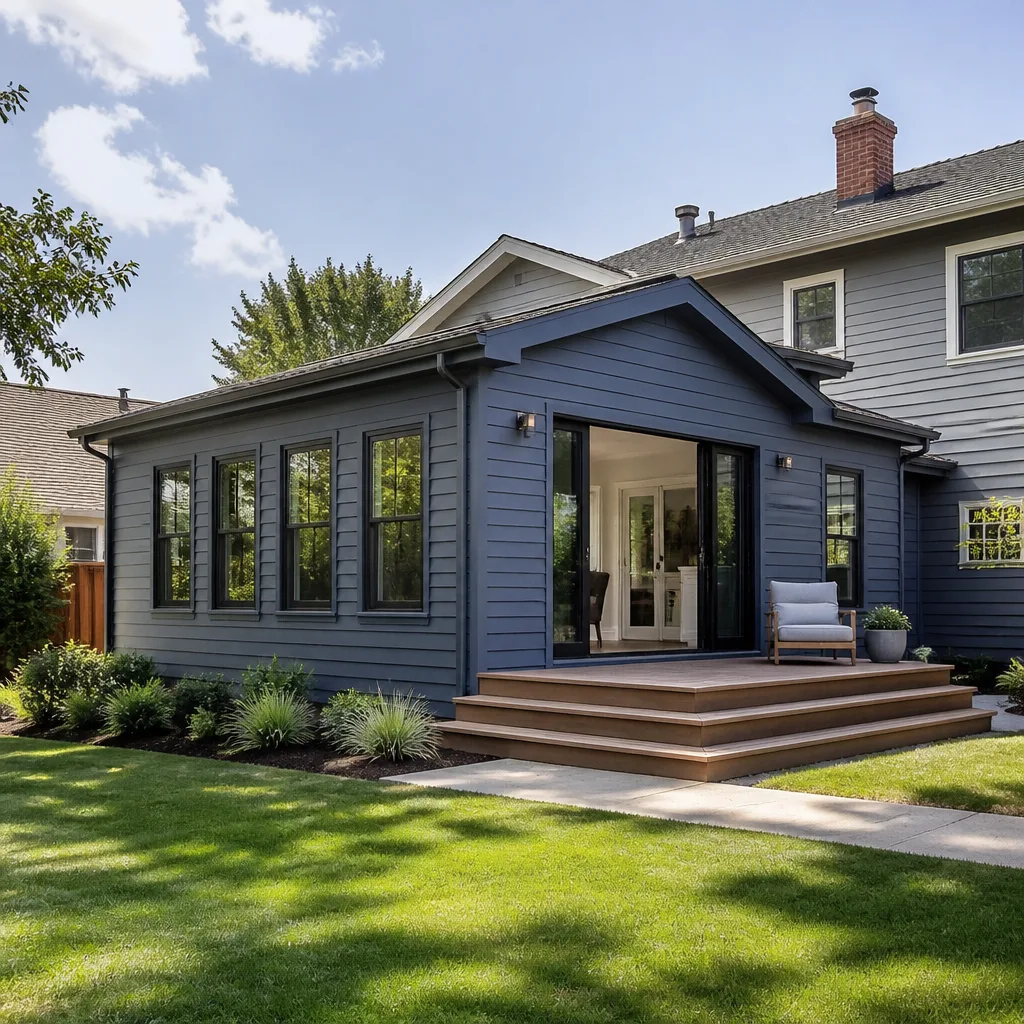 Home additions & ADU
 Roofing
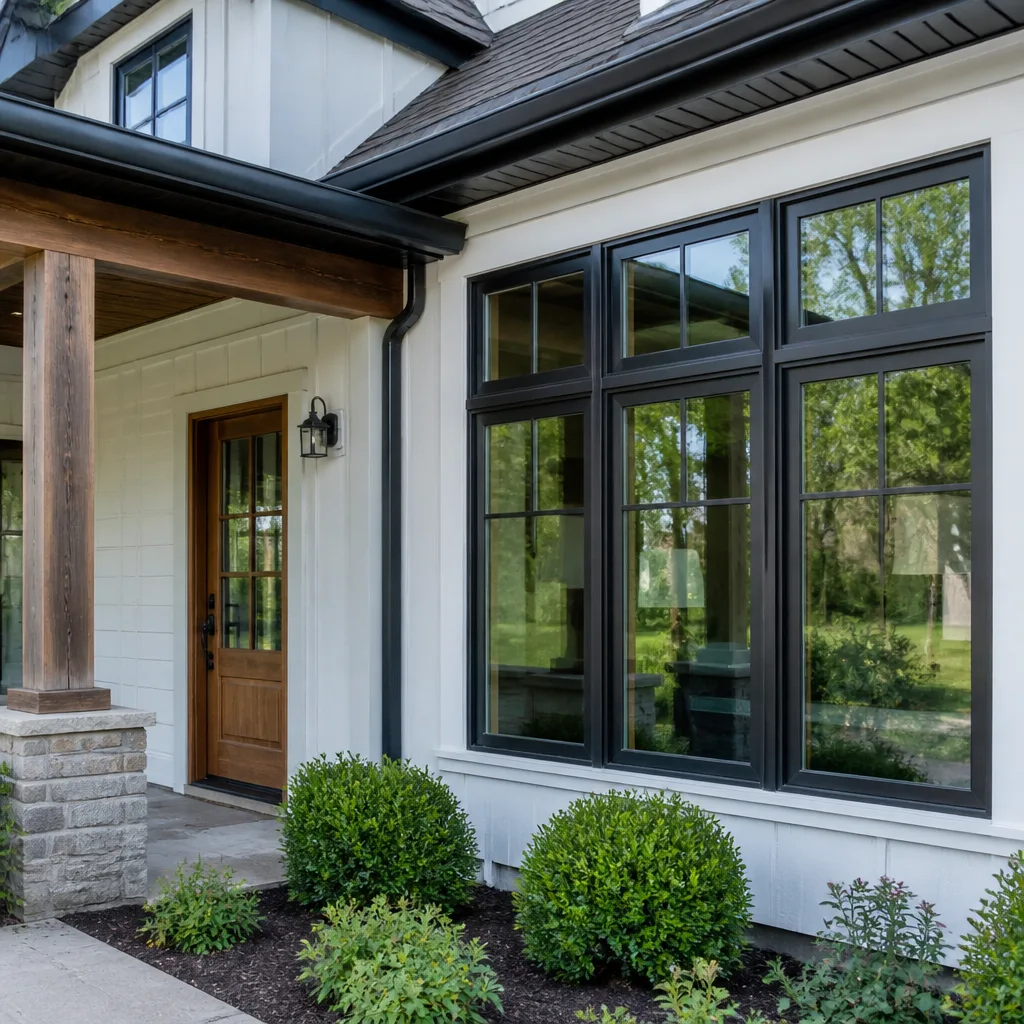 Windows & doors
 Driveway & pavers
 Fence
Free written scope consultation - allowances, timeline, and change-order rules on paper before a single trade is scheduled
Construction Permits, Codes & Inspections in NV: What You Need to Know
In 2023, a Las Vegas homeowner watched a sale fall apart three days before closing. The buyer’s inspector found an unpermitted casita addition in the backyard. That structure, roughly $40,000 worth of work, had to be either torn down or retroactively permitted before escrow could move again. The seller had no idea the paperwork was missing; a previous contractor had told her permits weren’t necessary for a detached structure under a certain size. He was wrong, and she paid for it at the worst possible moment. What follows is the guide we wish she’d had: how the four different Nevada permit offices actually operate, which projects always need approval, how to check work a previous owner did, and why a contractor who waves off permits is handing you his liability. If you own or plan to buy in Las Vegas, this is documentation you’ll want in hand long before a buyer’s inspector shows up.
Quick Answer
In Nevada, most structural, electrical, plumbing, and mechanical work requires a permit from your local building department, and the office you deal with depends on where the property sits: Clark County, the City of Las Vegas, Henderson, or North Las Vegas each run their own process and fee schedule. Unpermitted work doesn’t vanish at sale; it surfaces as a lien, a retroactive permit bill, or a demolition order. The permit file is your best proof that the work on your house is real, safe, and insurable.
Styles & brands we work with
- Kitchen remodeling
- Bathroom remodeling
- Home additions & ADU
- Roofing
- Windows & doors
- Driveway & pavers
- Fence
Table of Contents
- Four Permit Offices, One Valley
- Which Projects Always Require a Permit in Nevada
- Three Projects Homeowners Assume Don’t Need a Permit (But Do)
- How to Check Permits on Existing Work Before You Buy or Remodel
- What Happens During a Nevada Inspection
- Why “We Don’t Need a Permit for That” Is a Red Flag
- Common Mistakes to Avoid
- Frequently Asked Questions
Four Permit Offices, One Valley
This is the first thing that trips up new homeowners in Las Vegas: there is no single “Nevada building department.” The valley is split among four jurisdictions, and the one that governs your address depends on whether your neighborhood was annexed into a city. A house in Summerlin might be Clark County. A house two streets over might be City of Las Vegas. Same ZIP code, different counter, different forms.
The four you’ll deal with:
- Clark County Building Department – handles unincorporated Clark County, which includes huge swaths of the valley plus most of the rural county. This is the office most Las Vegas homeowners end up calling.
- City of Las Vegas – covers the older core, downtown, and neighborhoods that were incorporated into the city.
- City of Henderson – separate building department with its own fee schedule, its own plan review timelines, and its own inspector pool. If you live in Green Valley or Anthem, this is your office.
- City of North Las Vegas – covers the northern valley, including many of the newer master-planned communities out toward the 215.
The practical consequence: the same addition can cost you different permit fees and take different review times depending on which side of a boundary line you sit on. We’ve pulled permits on identical casita plans in Henderson and in unincorporated Clark County and watched the timelines diverge by a couple of weeks. If your contractor quotes you a permit fee sight unseen, ask which jurisdiction they priced. If they can’t tell you, they haven’t checked.
Which Projects Always Require a Permit in Nevada
Here’s the short list. If your project falls into any of these buckets, assume a permit is required until a building department tells you otherwise in writing.
- Any new structure – additions, detached casitas, garages, carports, sheds above a small square-footage threshold.
- Structural changes to an existing house – removing a wall, adding a beam, altering a roofline, cutting a new opening.
- Electrical work beyond swapping a fixture – new circuits, panel upgrades, adding outlets, generator hookups.
- Plumbing work beyond a faucet cartridge – moving supply or drain lines, new fixtures in a new location, gas line work.
- HVAC replacement and new installs – the system change-out itself, plus any ductwork alterations.
- Water heater replacement – yes, even a like-for-like swap. This is the one that catches people.
- Roof replacement – re-roofs require permits in most Nevada jurisdictions, and the underlayment and flashing details get inspected.
- Window and door replacement – when the opening size changes, and often even when it doesn’t, depending on jurisdiction and whether the product affects the home’s energy compliance.
- Pools, spas, and their safety barriers – Nevada takes pool barrier rules seriously, and the barrier is part of the permit.
- Fences above a certain height – typically six feet, but the number and the rules vary by jurisdiction, especially on corner lots where sight-distance triangles apply.
Notice something about that list: most of it is invisible once the drywall goes back up. That’s the whole problem with skipping it. A water heater swap takes an afternoon. The missing permit can follow the house for three owners.
Three Projects Homeowners Assume Don’t Need a Permit (But Do)
We get asked about these three constantly, and in every case, homeowners are surprised. Here’s the honest answer.
Fence Installation Above Typical Height
Most Las Vegas-area jurisdictions allow a fence up to about six feet without a permit. Go above that, or build on a corner where sight lines matter, and the rules change. Block walls are a different animal entirely; a masonry wall is a structure, and it carries footing and reinforcement requirements that get inspected. When we handle Fence Installation in Las Vegas, part of the first conversation is measuring the height and checking the lot line so nobody builds a wall the county later asks them to remove.
Water Heater Replacement
A like-for-like swap gets treated as a mechanical permit in most Nevada jurisdictions. Plenty of homeowners (and a few handymen) skip this one, and it’s a mistake with a paper trail. No permit means no inspection, which means no record the unit was installed to code. When the day comes to sell, a buyer’s inspector will note the missing record, and you’ll be scheduling a retroactive inspection on a water heater you replaced years earlier.
Small Detached Structures
The “it’s under a certain square footage” rule gets repeated like folklore, and it’s wrong more often than it’s right. A detached shed on a slab or footing can trip structural requirements. A casita with plumbing and electrical is a full permit regardless of size. That Las Vegas homeowner who lost her sale? Her casita was small. It still needed paperwork.
How to Check Permits on Existing Work Before You Buy or Remodel
This is the section that saves people the most money. Before you close on a house, or before you plan a remodel that sits on top of existing work, verify what was actually permitted. The process is not hard, and it’s free.
- Find your jurisdiction. Pull up your address on the county assessor’s site or a mapping tool and confirm whether you’re in unincorporated Clark County, City of Las Vegas, Henderson, or North Las Vegas.
- Search the permit history. Each jurisdiction runs an online permitting portal where you can look up a property’s permit records by address. Some are more user-friendly than others; the county’s is the busiest.
- Compare the permit file to what’s physically there. This is the step people skip. A permit for a “covered patio” doesn’t cover a patio that’s since been converted into a casita with a bathroom. If the record doesn’t match the structure, you have a problem to resolve before you buy or build on top of it.
- Ask the seller for the final inspection sign-off. A pulled permit without a final inspection is not closed out. It’s an open file with your name on it once you own the property.
- Budget for retroactive permitting. If the work is unpermitted, you can often legalize it by pulling a permit now and having the work inspected as-is, with corrections as needed. Sometimes that works cleanly. Sometimes it means opening a wall. Get a professional opinion before you sign anything.
Clark County has been actively auditing additions and accessory structures since 2022, so this isn’t a theoretical concern. If you’re buying in Las Vegas, run the permit search before your inspection contingency expires. It’s a five-minute task that can save you $40,000.
What Happens During a Nevada Inspection
An inspection isn’t a test for the contractor. It’s a third party confirming the work meets code before the next stage gets covered up. The inspector works for you, not for us. That’s why we like him.
For a residential addition, there are typically three inspection stages, and each one has to pass before the next begins:
- Foundation and footing inspection. Done after the trenches are dug and rebar is tied but before concrete gets poured. The inspector checks depth, reinforcement, and anchoring.
- Framing, electrical, and mechanical rough-in. Everything inside the walls gets inspected before insulation and drywall close it up. If a stud is notched too deep or a wire runs through a joist wrong, this is where it gets caught.
- Final inspection. Once the finishes are in and the systems are live, the inspector signs off on the whole job.
What fails most often on Nevada residential additions? In our experience, it’s the rough-in stage: undersized framing where a beam should have been, electrical boxes set at the wrong height or missing nail plates, and plumbing venting that doesn’t tie in where the plans said it would. A good contractor schedules the rough-in inspection before the drywall goes up, because the alternative is cutting open a finished wall. When we do Home Additions & ADU in Las Vegas, the inspection calendar gets built into the construction schedule from day one.
One more note on timing: inspections get scheduled, and schedule slots in the busy season (spring, when everyone’s building) fill up. If your contractor promises a tight timeline, ask how they’re accounting for inspection lead time. The answer tells you whether they’ve actually done this before.
Why “We Don’t Need a Permit for That” Is a Red Flag
When a contractor tells you a permit isn’t necessary, one of two things is true, and neither helps you.
Either he’s wrong – he genuinely doesn’t know the requirement – or he’s shifting the liability onto you. In Nevada, the property owner is ultimately responsible for the permit. The contractor can walk away from the job. The permit violation stays attached to the house and to whoever’s name is on the title. That’s the phrase to keep in your head: the permit stays with the house.
The alternative most of our customers had before they called us is a contractor who said permits were optional because “nobody will check.” That’s a bet, and the person paying for a losing bet is the homeowner at the closing table. We pull permits and sign inspections on every eligible job. Not because we love paperwork (we don’t) but because it’s the customer’s proof that the work was done to code, and that proof travels with the house.
If you’re remodeling a kitchen or bath on top of existing work, we also take a look at the permit record before we start. In our experience, the biggest surprises sit behind the wall in older Las Vegas homes where a previous owner swapped a water heater without a permit or ran an outlet off a circuit that was never meant to carry it. Finding out at the start is a fix. Finding out mid-remodel is a change order that nobody planned for.
Common Mistakes to Avoid
- Trusting a contractor who doesn’t put the permit in writing. The permit number should appear on your contract. “We’ll handle it” isn’t a permit.
- Skipping the permit search before you buy. A five-minute lookup on the county portal beats discovering an unpermitted casita three days before close.
- Assuming a pulled permit is a closed permit. A permit with no final inspection is an open file. Ask for the sign-off before you sign off.
- Replacing a water heater without calling the building department. It’s the most common missed permit in Las Vegas and the easiest to correct early.
- Building a fence or block wall over six feet without checking. Height rules and sight-line requirements vary by jurisdiction, and a wall built to the wrong spec can mean a demolition order.
- Remodeling over work you haven’t verified. When we do Driveway & Pavers in Las Vegas alongside a home remodel, we check the property’s permit history first, because the flatwork and the structure need to reference each other in the file.
- Accepting an “allowance” without a change order. An allowance that isn’t on paper is a surprise waiting for a date. Get every price change in writing before any work proceeds.
See the difference
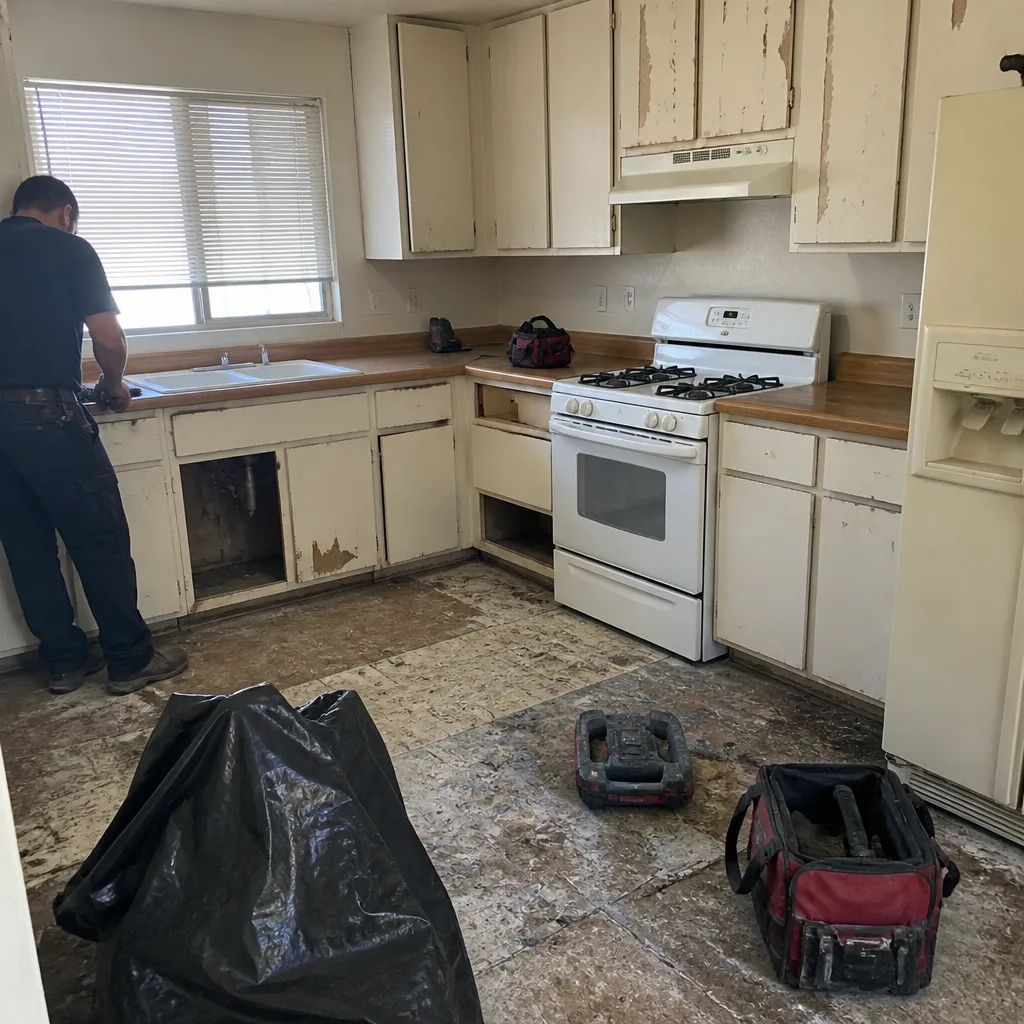 Before
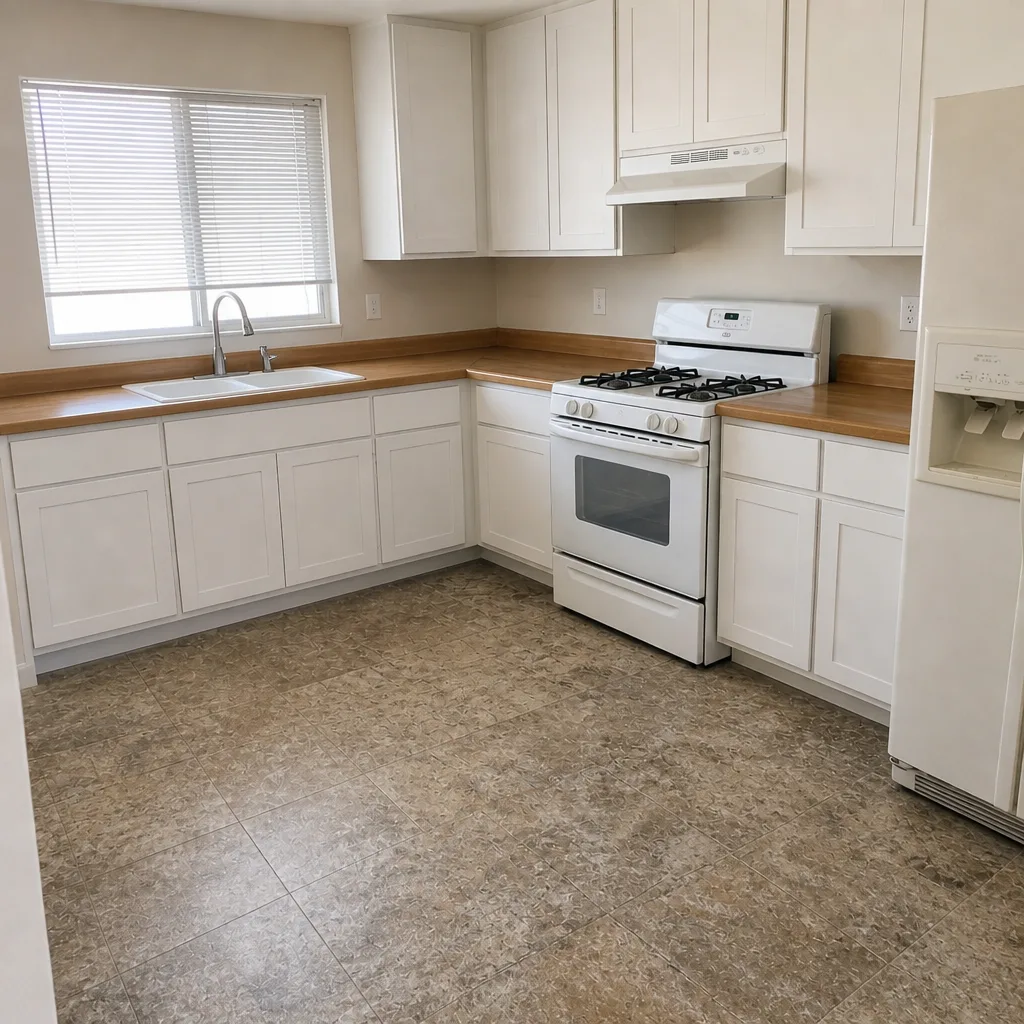 After
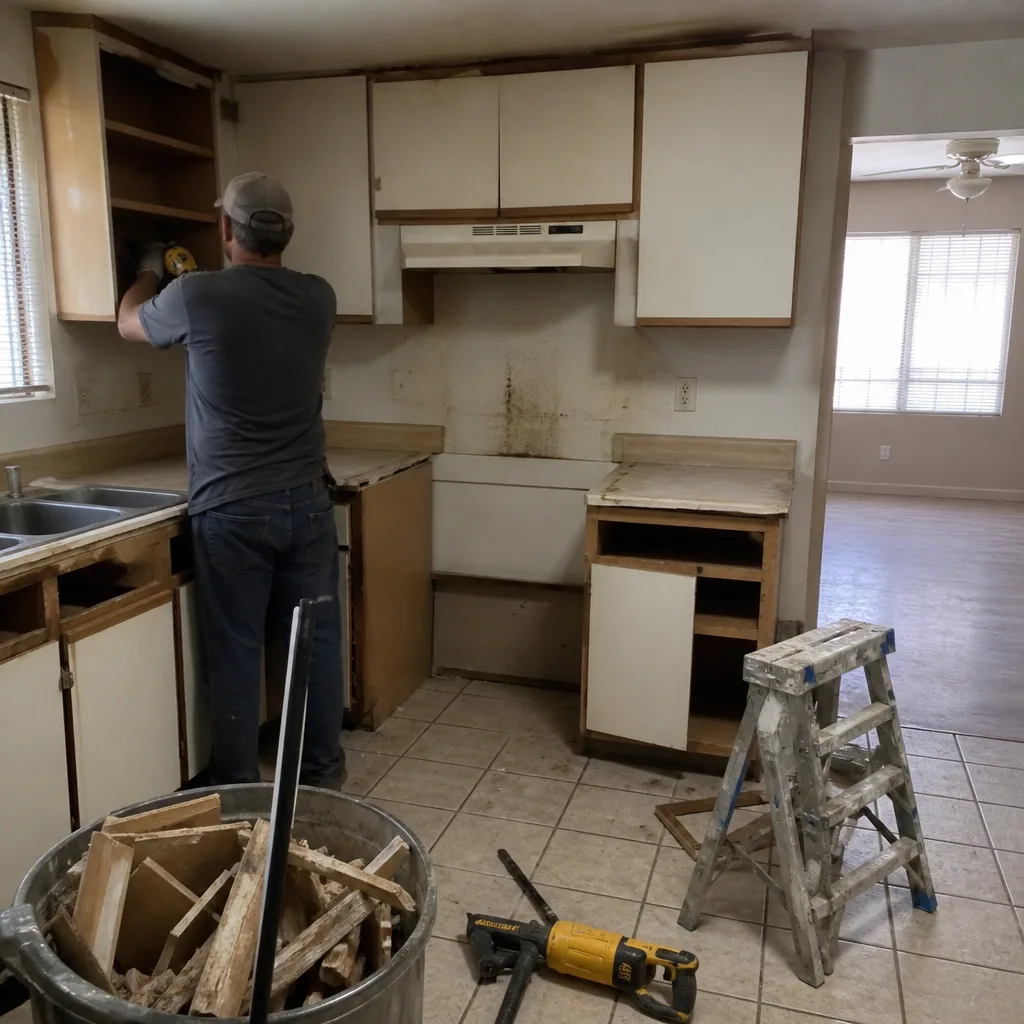 Before
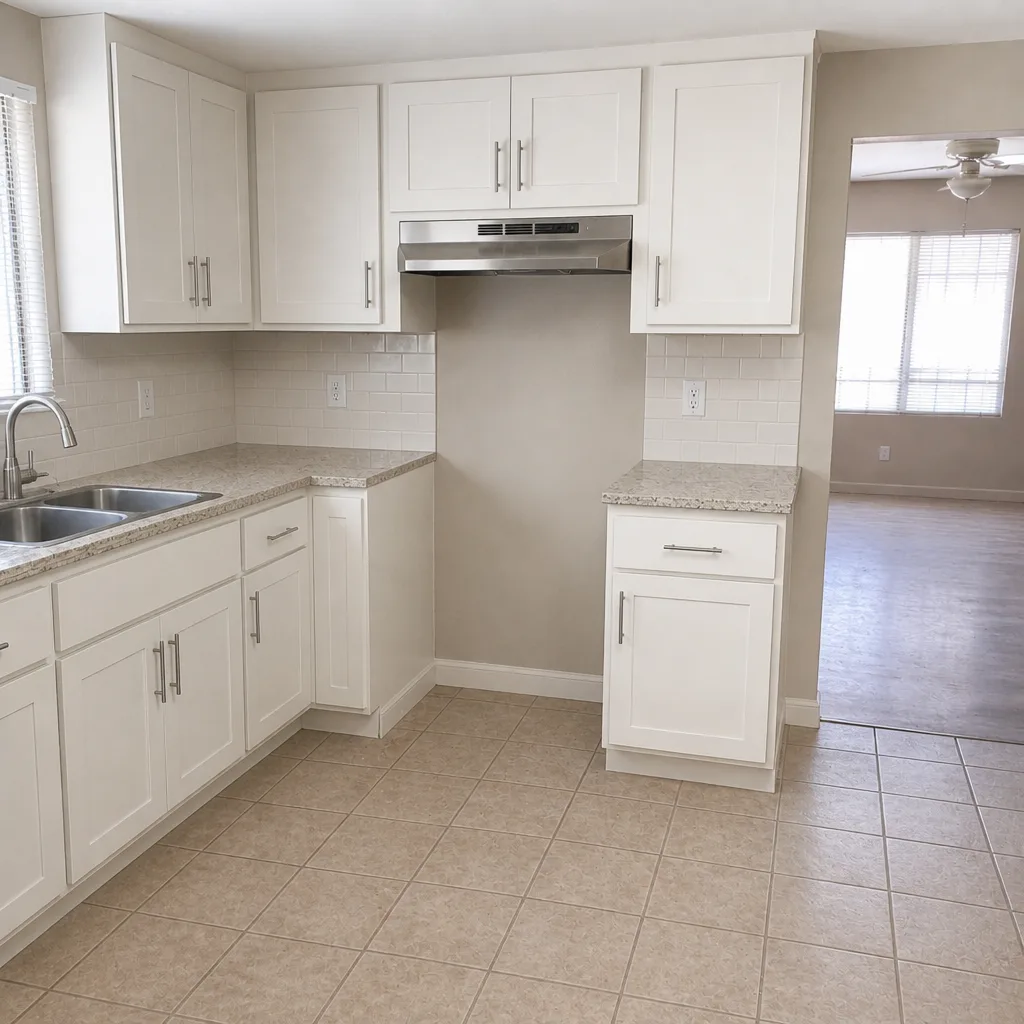 After
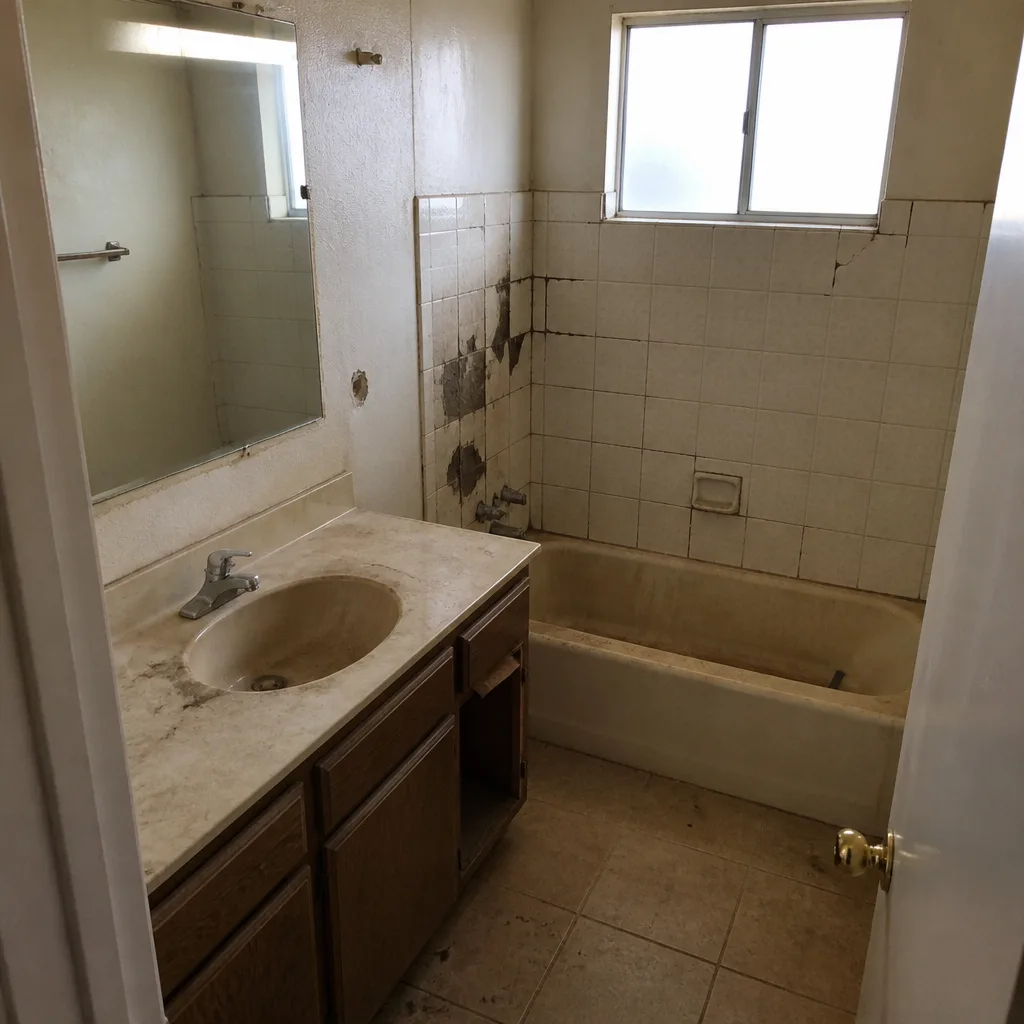 Before
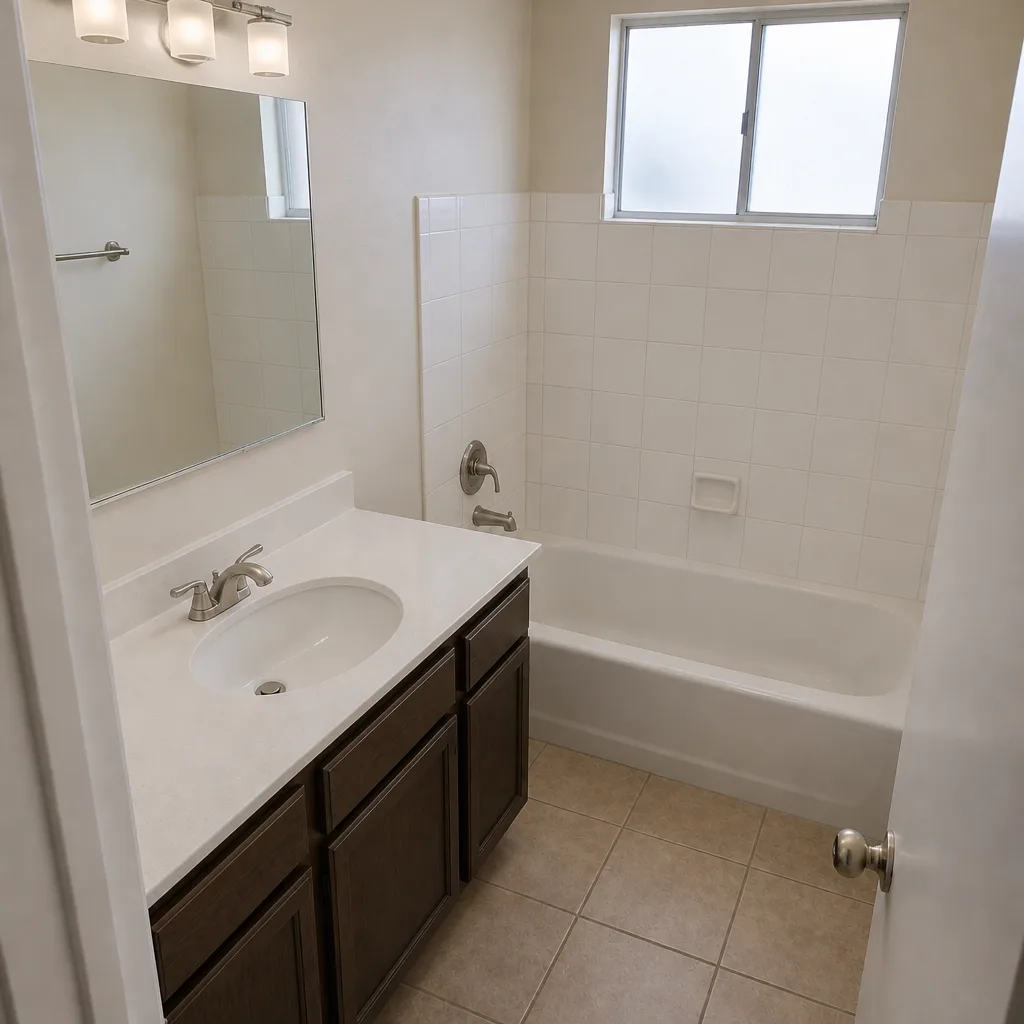 After
When to Call a Professional
You don’t need help pulling a permit for a water heater. You do need help when the scope gets bigger than a phone call: an addition, a structural change, a casita, a roof replacement, a significant electrical or plumbing upgrade, or a remodel that might uncover work a previous owner did without paperwork. Those jobs require coordinating plan submittals, inspections with the right jurisdiction, and a paper trail you can hand a buyer’s agent later.
Barrett & Sons Construction Las Vegas offers free estimates in Las Vegas – call (866) 814-4155. Every eligible job includes permits pulled and inspections signed, every price change arrives as a written change order before work proceeds, and a live person answers the phone 24 hours a day, seven days a week. Our technicians have up to 28 years of experience with Nevada’s permit system, and we’ll tell you in plain English whether a permit is required for your project before any work begins. You can also read more about who we are at the Barrett & Sons Construction Las Vegas home.
Frequently Asked Questions
Yes. Roof replacements require a permit in most Nevada jurisdictions, and the underlayment and flashing details get inspected before the shingles go on. Nevada’s sun and wind load requirements are specific, and the permit is your proof the job was done to code. Call (866) 814-4155 for a free estimate on a permitted replacement.
Permit fees in Nevada are a percentage of job valuation, not flat, and the exact fee depends on the jurisdiction and the scope. A water heater permit runs well under a hundred dollars; an addition will run into the thousands and can span multiple trade permits. The only reliable answer comes from the specific building department for your address, and we’ll get you that number as part of your estimate.
You can, but the sale is where it usually surfaces. A buyer’s inspector will note it, and the fix – retroactive permitting or removal – comes out of the negotiation or collapses the deal entirely. Some work can be legalized retroactively with a permit and inspection; some can’t. Get a professional opinion before you list.
Timelines vary by jurisdiction and by project complexity. Simple permits like a water heater or re-roof can be issued over the counter or online within days. A residential addition goes through plan review, which can take weeks, and the queue runs longer in spring. Build the permit timeline into your construction schedule, not the other way around.
They’re separate building departments with their own forms, fee schedules, plan review teams, and inspectors. The one that governs your property depends on whether your address sits inside the incorporated city limits or in unincorporated county. Two houses on the same street can be in different jurisdictions. Check before you submit anything.
Yes. Any detached structure with plumbing or electrical is a full permit regardless of size, and even small sheds on footings can trigger structural requirements. The “under a certain square footage” exception gets repeated as folklore and it’s wrong more often than right. When in doubt, call the building department and ask in writing.
The Bottom Line
The permit file is the most valuable paper a homeowner can hold. It proves the work was done to code, it protects you at sale, and it travels with the house long after the contractor’s truck has left the driveway. In Nevada, that file comes from one of four building departments depending on where you sit in the valley, and skipping it is a liability that follows your title, not your contractor’s. Pull the permits. Keep the inspection records. Get every price change in writing. If the whole thing feels like paperwork, that’s because it is – but it’s the paperwork that makes a Las Vegas house sellable, insurable, and safe. Barrett & Sons Construction Las Vegas is happy to look up what’s on file for your address before you plan anything. Call (866) 814-4155 to schedule your free estimate.
Written by the team at Barrett & Sons Construction Las Vegas.