
Last updated November 17, 2026
 Windows & doors
 Kitchen remodeling
 Bathroom remodeling
 Home additions & ADU
 Roofing
 Driveway & pavers
 Fence
Free written scope consultation - allowances, timeline, and change-order rules on paper before a single trade is scheduled
Windows & Doors Troubleshooting: Common Problems and How to Fix Them
A door that suddenly starts sticking in August almost certainly isn’t swelling from humidity. Here in Las Vegas, it’s more likely the frame has racked from a foundation that shifts during summer heat cycles, and that’s a completely different fix. We’ve seen homeowners replace a perfectly good door three times before anyone checked the frame. Most window and door problems in Las Vegas homes aren’t product failures at all. They’re the predictable result of desert thermal cycling, UV exposure, and single-digit humidity, and you can diagnose most of them yourself in an afternoon. This guide walks through the common failure points, the fixes that actually hold, and the honest calls on when a pro is needed.
Quick Answer
Most window and door problems in Las Vegas come from three things: UV degradation of double-pane seals, frame movement from summer heat and foundation cycling, and weatherstripping that hardens in low humidity. You can test each one yourself in about ten minutes per opening. A fogged window, a sticking door, or a drafty slider doesn’t automatically mean replacement. It means you need to find out whether the cause is the part, the frame, or the structure underneath, because the fix is completely different for each.
Styles & brands we work with
- Kitchen remodeling
- Bathroom remodeling
- Home additions & ADU
- Roofing
- Windows & doors
- Driveway & pavers
- Fence
Table of Contents
- Why Las Vegas Windows and Doors Fail Differently
- Fogged Double-Pane Windows: Seal Failure and What It Means
- Sticking Doors: Hinge, Frame, or Foundation?
- Weatherstripping That Cracks in the Desert
- Sliding Door Track Problems in Dust and Grit
- Wind, Grit, and the Wear Nobody Warns You About
- When a Fix Holds and When It Signals a Bad Installation
- Five Signals It’s Time to Call a Professional
Why Las Vegas Windows and Doors Fail Differently
In most of the country, window and door problems are driven by moisture. Wood swells, seals leak, and mold finds the gaps. Las Vegas runs the opposite direction. Our air is dry almost year-round, and our temperature swing between a 110-degree July afternoon and a cool desert night can top 30 degrees. That swing is what does the damage.
Double-pane glass expands and contracts along with its frame, and the seal between the panes has to flex with it millions of times over a window’s life. UV light at this elevation is intense enough to break down the seal materials faster than in milder climates. Frame materials – vinyl, aluminum, wood, fiberglass – expand and contract at different rates than the wall around them. When the frame and the wall move apart even a fraction of an inch, you get a draft, a gap, or a door that no longer latches.
And the ground moves too. Expansive clay soils around the valley swell and shrink with moisture cycling, which is why so many Las Vegas homes develop foundation movement over time. That movement travels up through the wall framing, and the first place you notice it is usually a door or window that used to work fine and now doesn’t.
So when something fails, ask one question first: did the part wear out, or did the structure move? Those lead to very different repairs.
Fogged Double-Pane Windows: Seal Failure and What It Means
When you see a milky haze, condensation, or a whitish streak between two panes of glass, the seal that holds the insulating gas has failed. Moisture got into the gap. This is the single most common window complaint in Las Vegas, and it’s almost always UV and thermal cycling that finished off a seal that had been aging for years.
How to test a double-pane window at home
- Pick a cold morning after a warm day, or vice versa. Temperature change is what makes a failing seal show itself.
- Look at the glass from the inside at an angle, with a light behind you. Fog between the panes is the giveaway, not moisture on the room-side surface.
- Wipe the inside surface with a dry cloth. If the haze stays, it’s between the panes and the seal is gone.
- Check the desiccant strip around the edge of the unit. A visible white crust or bubbling in the spacer means moisture has been getting in for a while.
- Tap the glass lightly. A dull, flat sound in one area can indicate a seal that’s letting go there.
Replacement versus wait
If the fogging is a thin haze at one corner and it clears on its own during the day, the seal is failing but not gone. You have time. If the entire unit is cloudy, or if you see standing beads of water between the panes, the seal is done and the unit should be replaced. The insulating value is gone, and the glass will keep collecting moisture until it’s swapped.
One honest note: fog between the panes is a cosmetic and efficiency problem, not a safety problem. It won’t cause a leak into your wall by itself. So you can budget the replacement rather than panic about it. When we quote window work in Las Vegas, we usually recommend replacing the failed unit and inspecting the rest of the same wall while we’re there, because seals tend to fail in batches on the same sun exposure. Homes on the west and south faces see it first. If you want the full picture on replacement and installation, our Barrett & Sons Construction Las Vegas home page lays out the trade coverage, and the window and door division handles both repairs and full replacements with premium names like ViewLux and Andersen.
Sticking Doors: Hinge, Frame, or Foundation?
A door that sticks in August and frees up in November is telling you something. In humid climates, that’s wood swelling. In Las Vegas, it’s usually a frame that has racked, and the humidity explanation sends people down the wrong path every summer.
Step one: figure out which problem you have
- Hinge test. Open the door halfway and let go. If it swings on its own, the hinges are loose, worn, or the door is hanging out of plumb. Tighten the hinge screws first. If the screws spin without biting, the holes are stripped and need a longer screw or a wood plug.
- Frame test. Look at the gap between the door and the frame at the top, the latch side, and the hinge side. A gap that’s even on one side and pinched on the other means the frame is out of square.
- Foundation test. Check the door against the floor. If it drags at one corner and clears the other, and the frame looks square, look at the wall itself. Hairline cracks in the drywall above the door corners, or doors that stick in more than one room on the same wall, point to foundation movement.
What each problem needs
A hinge problem is a one-hour fix and costs almost nothing. A frame problem might need the frame shimmed or re-set, which is a half-day job. A foundation problem needs the foundation addressed before anyone touches the door. Replacing the door on a moving foundation just buys you a new door that sticks next summer.
This is why we tell homeowners to look at the whole wall, not just the door. If two or three doors on the same side of the house all started sticking in the same season, that’s not a door problem at all. If you’re considering a repair that turns into a bigger structural conversation, or you’re planning new door openings as part of an addition, our Home Additions & ADU in Las Vegas page covers how we handle framing and openings from the ground up.
Weatherstripping That Cracks in the Desert
Weatherstripping around doors and operable windows has a hard life here. Foam strips, felt, and rubber gaskets all depend on a little moisture to stay flexible. In Las Vegas’s dry air, they harden, crack, and crumble, and a cracked seal lets in hot air, dust, and the occasional scorpion.
You can spot it in seconds. Run your hand along the door jamb and window sash on a windy day. If you feel air, the seal is compromised. Look for a strip that has gone stiff or a rubber bulb that’s split down one side.
What lasts in this climate
- EPDM rubber or silicone holds up far better than foam in low humidity and high UV.
- Silicone or high-grade rubber bulb seals on doors are the better choice over adhesive-backed foam.
- Compression seals (the kind that squash when the door closes) work better than brush seals on exterior doors in dusty areas.
- Avoid the cheapest self-adhesive foam strips. They fail within a couple of summers here.
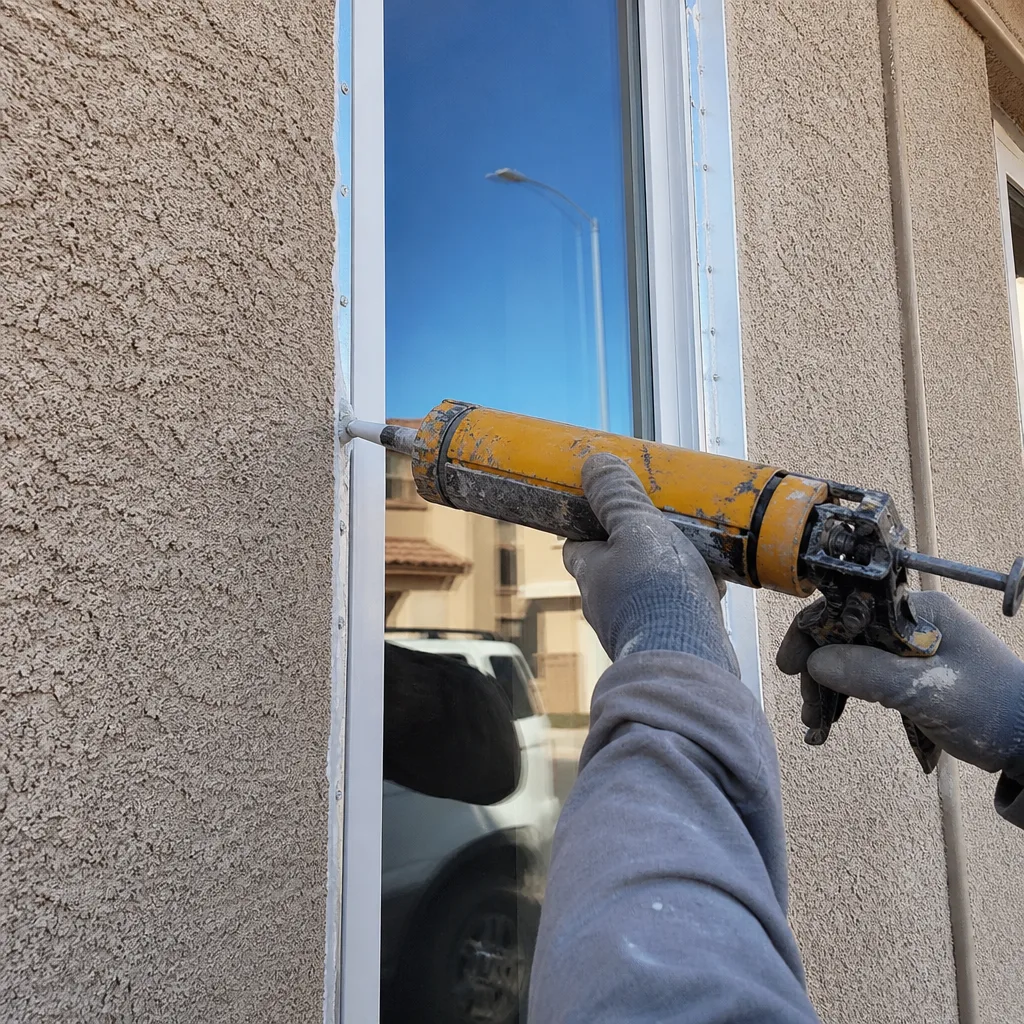
Replacing weatherstripping is a genuine do-it-yourself job, and it takes about an hour per door. Clean the surface, pull the old strip, and set the new one in a temperature where the adhesive will actually grab. When we install doors in Las Vegas, we use rubber and silicone seals rated for desert conditions, and we check the seal again at the ninety-day mark. Our written 90-Day Done Right Promise covers that follow-up on every job; if a seal we installed fails early, one call brings the crew back out.
Sliding Door Track Problems in Dust and Grit
Sliding glass doors take more abuse than any other door in a Las Vegas home. The track collects everything the wind carries: fine desert dust, grit, patio debris, the occasional piece of gravel. That grit grinds the rollers flat and fills the track with a paste that makes the door drag.
The right way to clean a slider track
- Vacuum the track first, dry. A shop vac with a narrow nozzle lifts the loose grit before you push it around.
- Wipe with a damp cloth and a mild soap solution. Do not flood the track or the roller pockets.
- Dry it completely. Trapped moisture mixes with dust into a grinding paste.
- Lubricate the rollers and the track with a dry silicone spray or a silicone-based dry lubricant. Not oil, not grease, not WD-40.
- Test the door and listen. A smooth roll with no grinding means the track is clean.
What people use that makes it worse
Grease and heavy oil attract grit. In a desert, greasy tracks become a magnet for sand, and the door gets harder to move, faster. Household oils and spray lubricants not made for tracks will do the same thing over time. Stick with a dry silicone product. It goes on slick and dries non-sticky, which is exactly what grit does not want.
Rollers themselves are a wear item. If the door glides but catches once per revolution, the roller has a flat spot and needs replacing. That’s a small job. A track that’s bent or top-hat section that has worn through is a bigger one, and that’s when we replace the track rather than keep nursing it. For homes where a failing patio door is part of a larger exterior access change, our Fence Installation in Las Vegas work often pairs with gate and slider repairs in the same back yard, and we can look at both on one visit.
Wind, Grit, and the Wear Nobody Warns You About
Spring brings wind to Las Vegas, and a windy day here is a real test for exterior doors. A 40-mph gust on an unlatched door puts hundreds of pounds of force on the hinges in a fraction of a second. We’ve seen door slabs warped and hinge plates pulled clean out of the jamb from a single slamming gust.
The grit matters too. Wind-driven dust works into every moving part. Hinges collect it. Track rollers chew it. Weatherstripping that gets sandblasted loses its softness fast. If your home sits on the edge of a desert lot or near an open field, plan to inspect your door hardware twice a year: spring and fall.
Wind also finds the weak spots in installation. A door that was face-nailed or shimmed too lightly will flex in a gust, and flexing is what opens gaps around the frame. If you notice daylight around a door frame on a windy day, that’s a sign the installation didn’t account for the loads here. And the same goes for exterior patterns – if you’re pairing a new door or gate with hardscape, our Driveway & Pavers in Las Vegas page shows how we tie exterior work together so a new door threshold and the walk up to it actually line up.
One practical note for fence and gate hardware while we’re on wind: a gate with a sagging hinge and a loose latch is the same wind story, and we’ve had good results pairing gates with heavy-duty hardware from Barrette and Ameristar rather than the stamped hardware that comes with the builder-grade gate.
When a Fix Holds and When It Signals a Bad Installation
Some problems are wear items, and a fix settles them for good. Others are symptoms of a poorly installed opening, and no amount of patching will fix that. Here’s the honest distinction we use on our own jobs.
Fixes that hold
- Tightening or replacing hinges. Normal wear. A fix is a fix.
- Replacing weatherstripping. It has a lifespan. Swapping it is routine.
- Cleaning and re-lubricating a slider track. Maintenance, not a repair. Keep doing it.
- Replacing one failed double-pane unit. If the rest of the windows are fine, that one seal failed. Replace it.
Fixes that keep coming back
- The door sticks again within a season. The frame is moving. A hinge fix won’t hold.
- Every window on one wall is fogging. That batch was installed with a bad seal product or poorly sealed edges. Replacement is the answer.
- A door was shimmed with cardboard or had very few fasteners. We find this constantly in builder-grade openings. The frame has no bearing. It will move.
- Daylight around the frame on a windy day. The installation didn’t account for wind loads here, and no amount of caulk will fix a structural gap.
- Repeated fogging after the first replacement. The opening may be out of square, or the wrong unit was specified for the exposure. That’s an installation issue, not a glass issue.
Here’s the practical test: if you’ve fixed the same problem twice in two years, stop buying parts. The parts were never the problem. Fixing an installation issue starts with a proper look at the whole opening, and every price change from us arrives in writing as a change order before any work touches the job. That’s the same standard we apply to our Barrett & Sons Construction Las Vegas home base.
Five Signals It’s Time to Call a Professional
We’re the first to tell a homeowner to fix what’s fixable. But some problems are worth a trained eye, and a few are worth getting a second opinion on before you spend money on replacement.
- Multiple doors sticking on the same wall. That’s structure, not doors.
- A door or window frame with visible cracks in the surrounding drywall or stucco. Movement is happening behind the frame.
- Fogging across most of the windows on one or two exposures. Batch failure calls for a full assessment.
- A slider that needs a track replacement, or a door frame that’s pulling out of the wall. Both are a couple of hours for a crew and a miserable weekend for you.
- Water intrusion or gaps around the frame that you can see daylight through. That’s an opening problem, not a seal problem.
When we come out for an estimate, we look at the opening, the wall, and the exposure together. Our technicians bring up to 28 years of experience on window and door work, and we don’t quote a replacement before we’ve checked whether a repair will hold. We also give a free second opinion on any written estimate you’ve already received, so you can compare before you commit.
Common Mistakes to Avoid
- Blaming humidity for a sticking door. In Las Vegas, a door that swells in summer is usually racked, not swollen. The humidity theory sends people to the wrong fix.
- Greasing a sliding door track. Oil and grease turn desert dust into grinding paste. Use dry silicone.
- Replacing glass when the frame is the problem. A new unit on a moving frame will fog again. Check the wall before you buy the window.
- Caulking over a gap that’s opening on a windy day. Caulk masks a structural problem for one season, then fails.
- Ignoring a fogged window until the whole wall is failed. Seals fail in batches on the same sun exposure. One unit today usually means more next year.
- Buying builder-grade foam weatherstripping. It won’t survive a couple of desert summers. Use rubber or silicone.
- Letting a contractor skip permits on a window or door replacement that needs them. Every eligible job we do gets permits pulled and inspections signed, because the inspector works for you, not for us. Ask any contractor to show that before work starts.
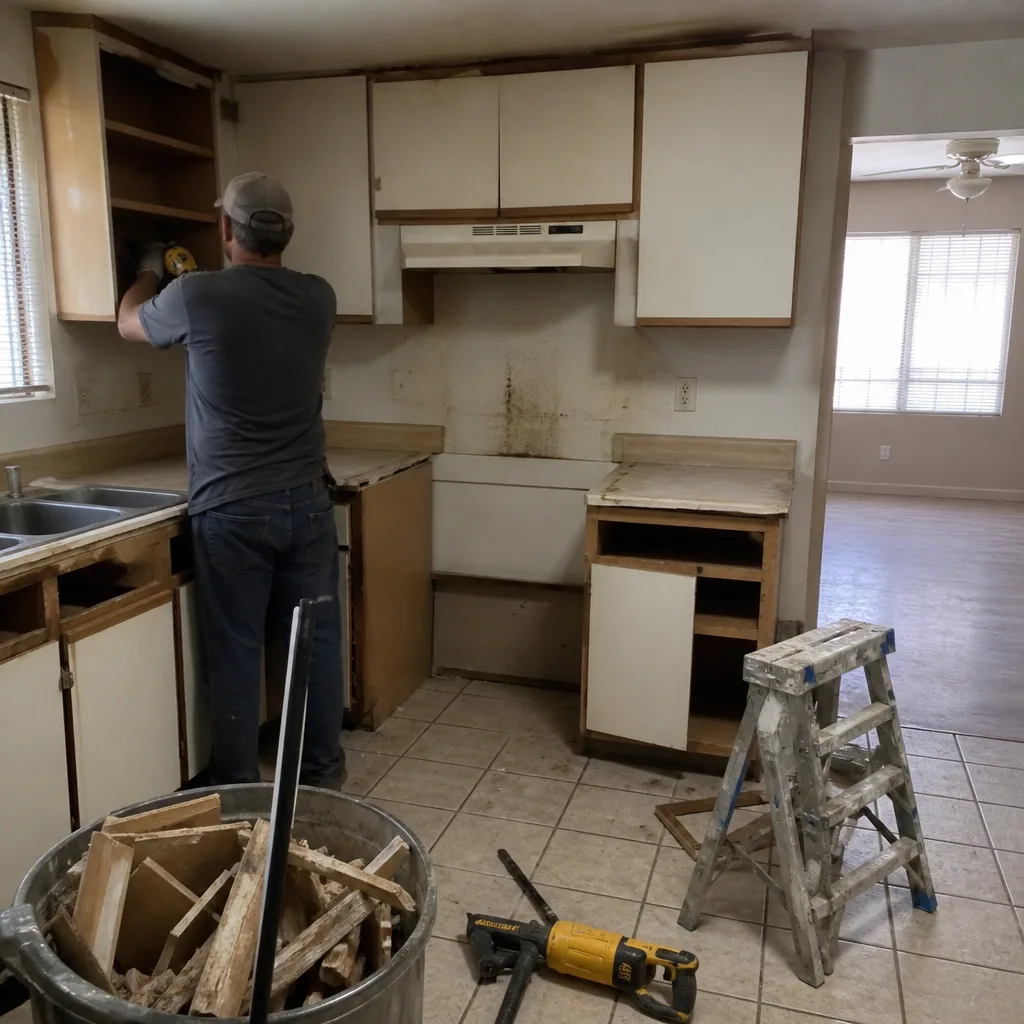
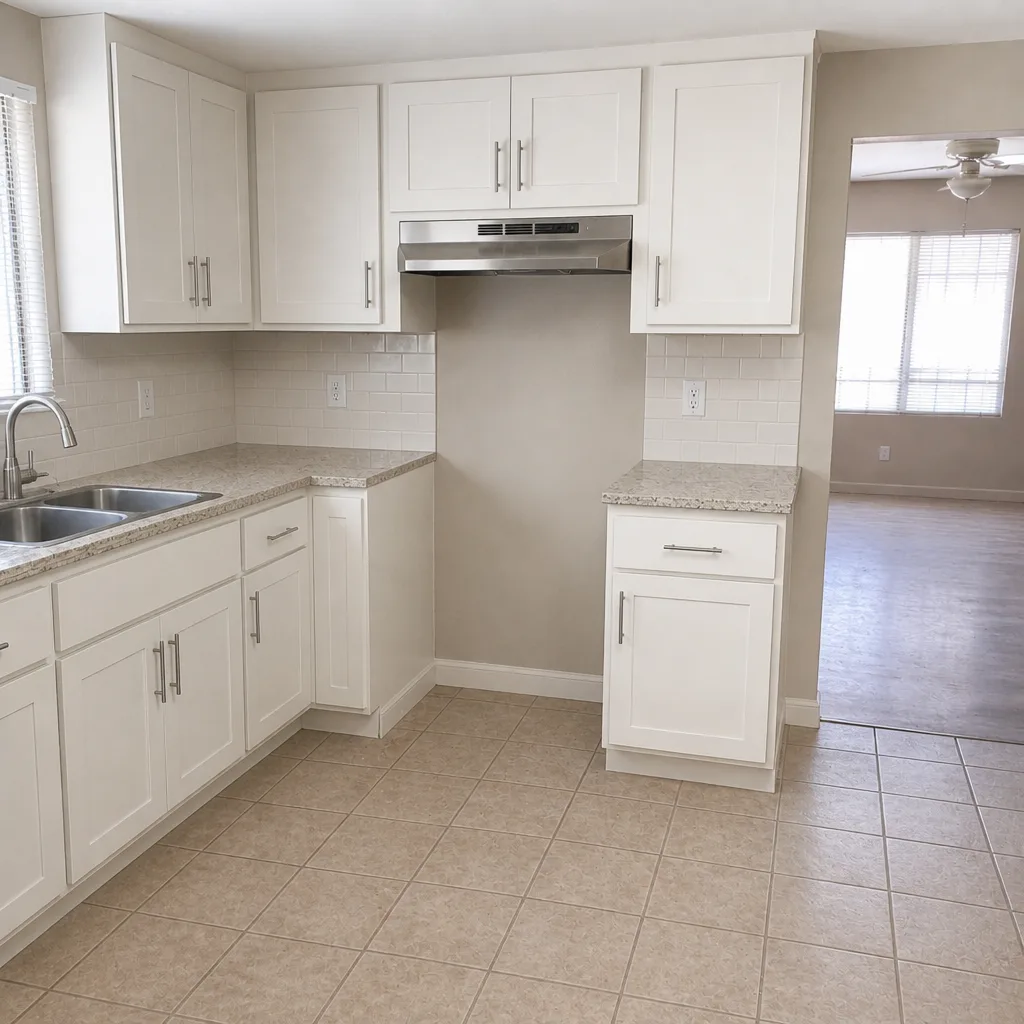
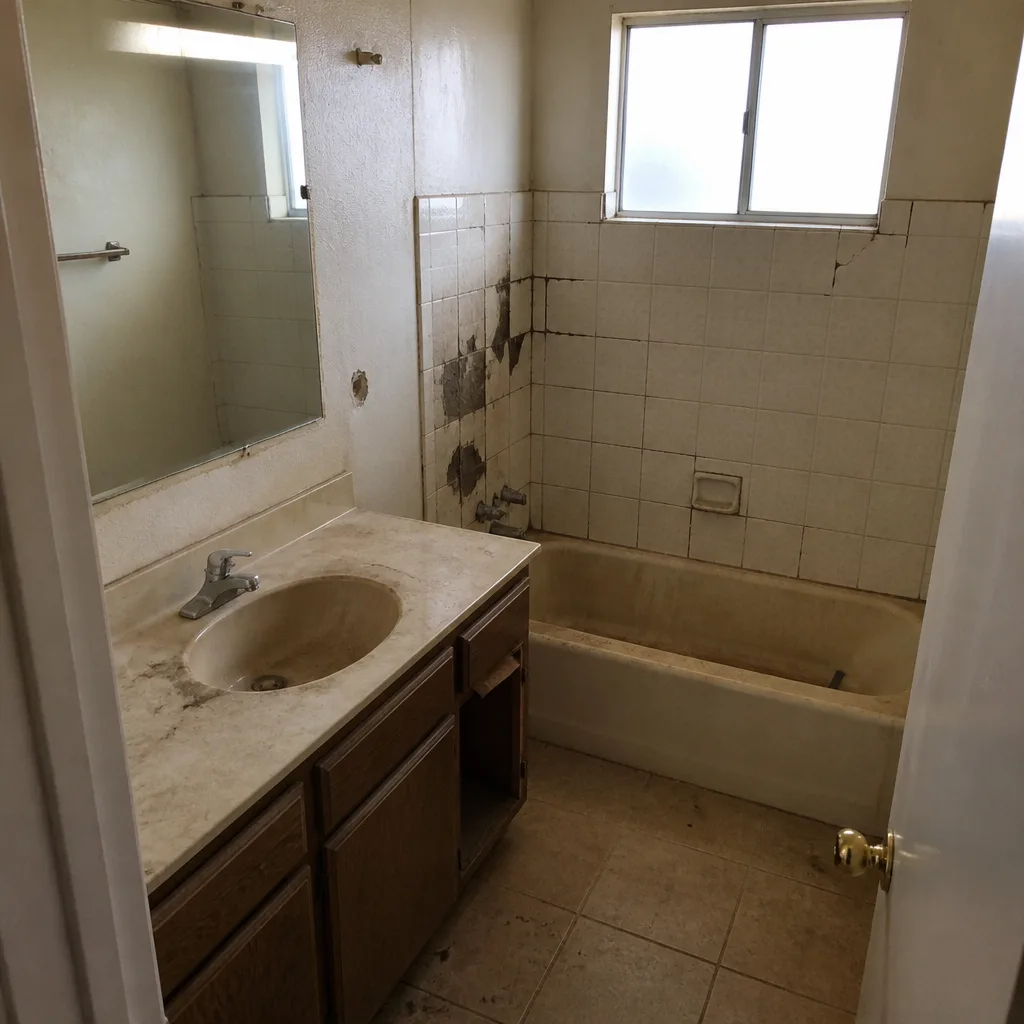
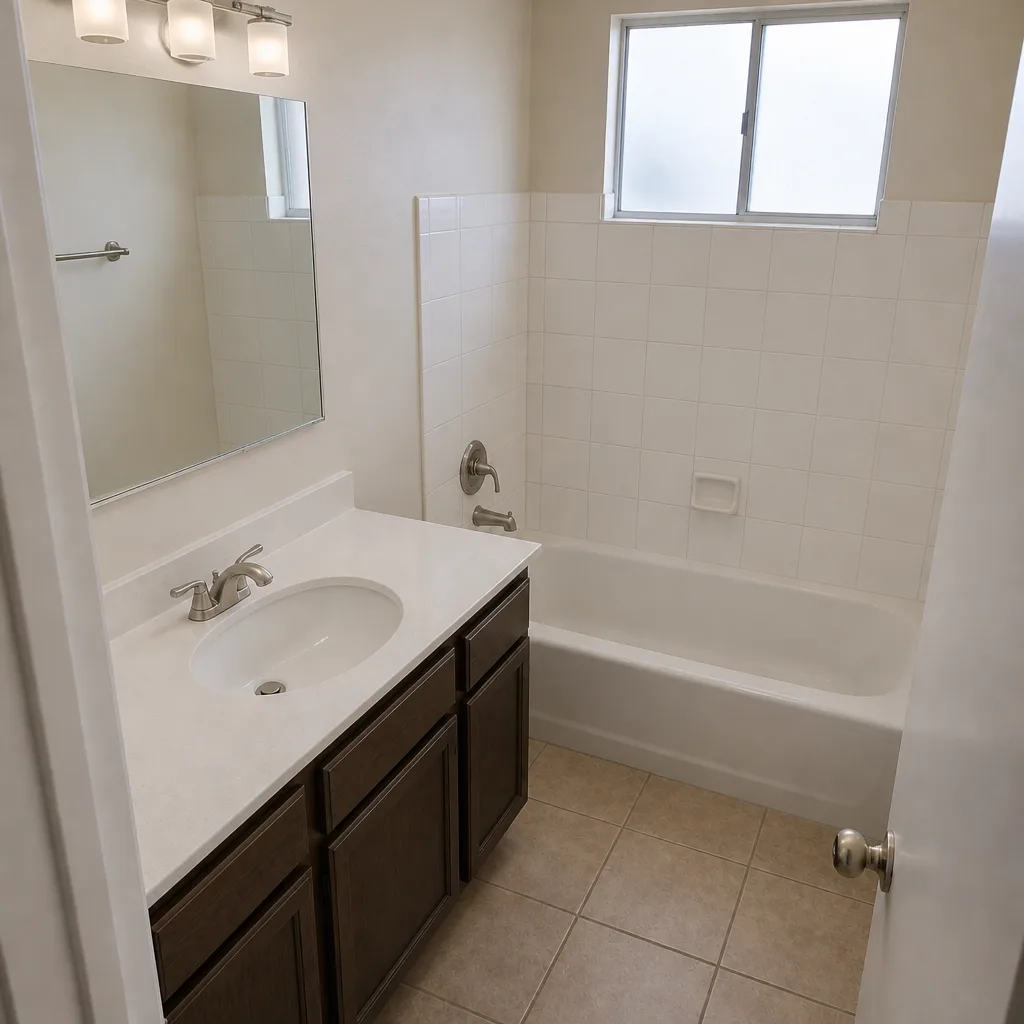
See the difference
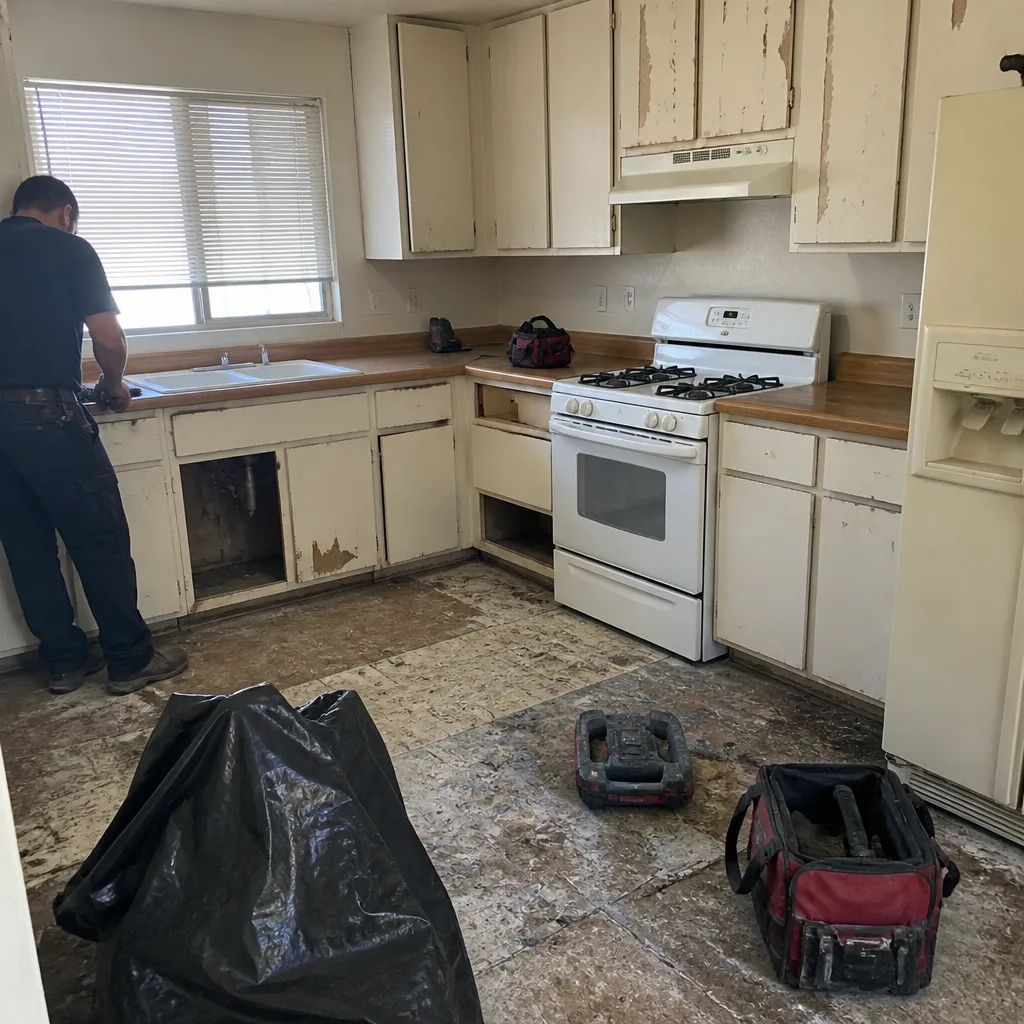 Before
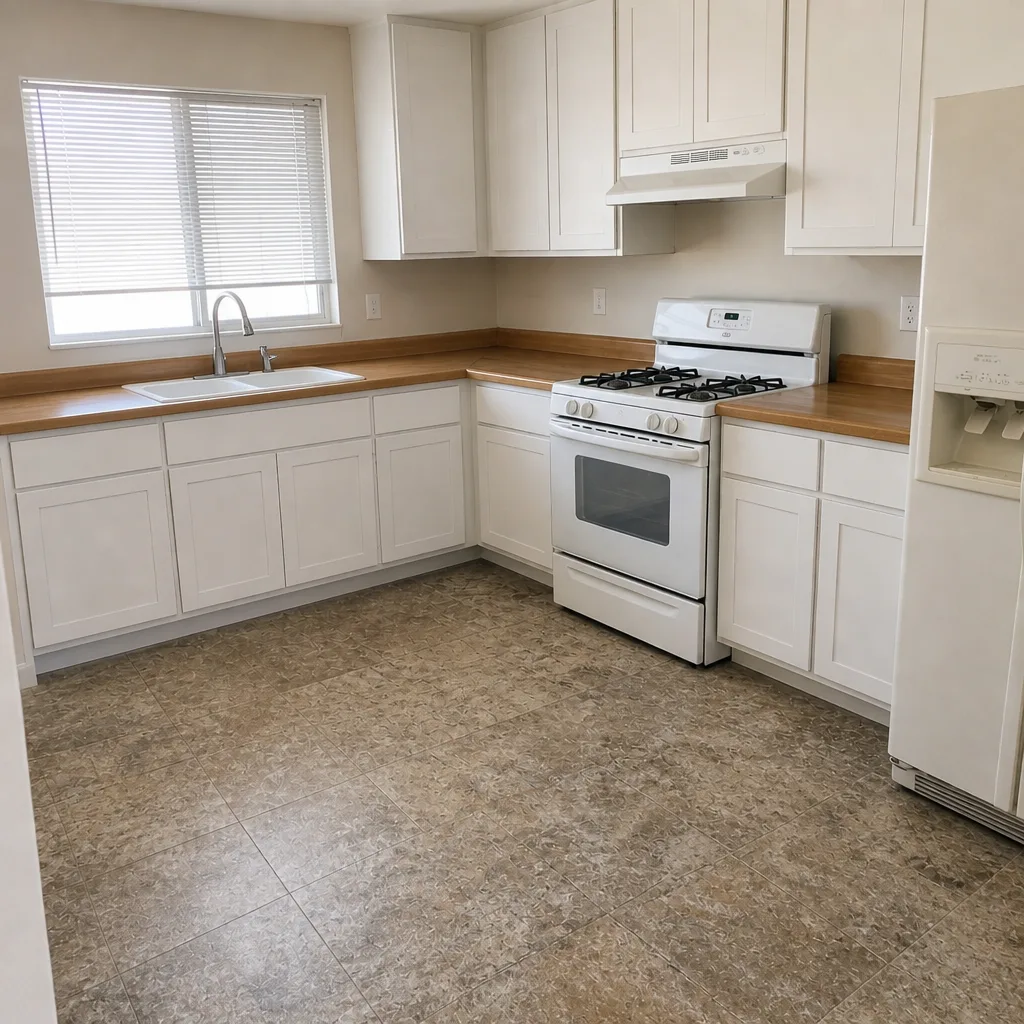 After
 Before
 After
 Before
 After
When to Call a Professional
If you’ve fixed a problem twice and it’s back, or if doors on the same wall have started sticking together, call. Those are the cases where more parts and more weekends will cost more than a proper assessment. Window and door work also overlaps with structure, stucco, and exterior trim, and that’s where a quick look from a crew saves real money. If your door frame is pulling away from the wall, that’s a job for a pro, not a tube of caulk. If you’ve got a written estimate in hand from another contractor, we’ll give you a free second opinion on it, so you can decide with real numbers in front of you. Barrett & Sons Construction Las Vegas offers free estimates in Las Vegas; call (866) 814-4155 to schedule yours. We’re owner-operated, calls are answered by a live person around the clock, and there’s no trip charge inside the county.
Frequently Asked Questions
It’s usually a frame that has racked from foundation movement, not humidity. Check whether the door drags at one corner and clears the other, and look for cracks in the drywall above the corners. If several doors on the same wall started sticking in the same season, it’s the structure. Call (866) 814-4155 for a free estimate and we’ll look at the wall, not just the door.
Fog or a milky haze between the panes that won’t wipe off from the inside means the seal is gone. Test it on a cold morning after a warm day, when the temperature swing makes a failing seal visible. Thin corner haze can wait; a fully cloudy unit should be replaced. Call (866) 814-4155 for a free estimate on a replacement.
Usually yes, if the failure is isolated to one or two units on different exposures. If most of the windows on one sun-facing wall are fogging, that’s a batch failure and it’s worth a full assessment rather than patching piecemeal. Call (866) 814-4155 and we’ll tell you honestly which situation you’re in.
A dry silicone spray. Grease, oil, and general-purpose spray lubricants attract grit and make the door harder to move, faster. Vacuum the track first, wipe it with mild soap, dry it completely, then apply the dry silicone. If the rollers have flat spots or the track is bent, the door needs parts, not more lubricant.
Cheap foam strips often fail within one or two summers here. Rubber and silicone seals hold up much better and usually last several years with a quick inspection each spring and fall. If you can feel air at the jamb on a windy day, it’s time to replace it. Call (866) 814-4155 for a free estimate on door and window sealing.
Yes, if more than one door on the same wall sticks, or if you see cracks in the drywall above the door corners. A single sticking door is usually a hinge or frame issue. Multiple doors on the same wall point to the foundation moving. Call (866) 814-4155 for a free estimate, and we’ll check the opening and the wall before quoting any repair.
The Bottom Line
Las Vegas window and door problems come down to a few predictable causes: UV-finished seals, thermal cycling that racks frames, dry air that ruins weatherstripping, and desert grit that grinds sliders. Most of these you can diagnose yourself in a single afternoon with the tests in this guide. The key is figuring out whether you’re looking at a part that wore out or a structure that moved. Fixes that hold are the ones aimed at the real cause. If the same problem comes back a second time, it’s a signal, not a setback, and that’s the moment to have someone who knows what they’re looking at come out. We’ve been in Las Vegas homes for over 29 years, and we’ll tell you straight when a fix is enough.
Written by the team at Barrett & Sons Construction Las Vegas.