
Last updated November 17, 2026
 Home additions & ADU
 Kitchen remodeling
 Bathroom remodeling
 Roofing
 Windows & doors
 Driveway & pavers
 Fence
Free written scope consultation - allowances, timeline, and change-order rules on paper before a single trade is scheduled
Seasonal Construction Care for Las Vegas: Year-Round Homeowner’s Guide
By the time most Las Vegas homeowners think about caulking and weatherstripping in October, they’ve already lost the ideal window. The two weeks in late September when temperatures are low enough for sealants to cure properly but the monsoon is over are the only real shot you get, and most people miss them because they’re following a maintenance calendar written for Ohio. Las Vegas doesn’t run on four equal seasons. It runs on two brutal ones – a summer that cooks sealants and a winter that freezes irrigation lines – sandwiching two short transition windows where the actual work has to happen. This guide walks through the Vegas calendar as we see it, window by window, and explains what fails first, what to check before it does, and where the line sits between a homeowner fix and a call to someone with a license.
Quick Answer
Seasonal home maintenance in Las Vegas is built around four action windows, not four seasons: pre-summer in April, post-monsoon in September, pre-winter in November, and post-winter in February. The work that matters most in each window targets heat-driven failure – caulk, stucco, roof membrane, concrete and paver movement – rather than the cold-weather freeze damage you’d watch for in most of the country. Get the April and September windows right and you’ll prevent most of what goes wrong by August and again by January.
Styles & brands we work with
- Kitchen remodeling
- Bathroom remodeling
- Home additions & ADU
- Roofing
- Windows & doors
- Driveway & pavers
- Fence
Table of Contents
- The Las Vegas Maintenance Calendar: Four Windows That Actually Matter
- Why Heat Cycles, Not Cold, Cause Most Failure Here
- Irrigation Prep for Summer Peak and the Rare Freeze
- The Post-Monsoon Roof Inspection (Flat and Low-Slope)
- Concrete and Paver Movement: Normal vs. a Real Problem
- Stucco, Paint, and Sealant in a Desert Climate
- Pre-Winter and Post-Winter Checks
- Common Mistakes to Avoid
The Las Vegas Maintenance Calendar: Four Windows That Actually Matter
Most national maintenance checklists assume a spring thaw and a fall freeze. In Las Vegas, the useful calendar has four windows, and each one maps to a specific type of failure. Miss a window and you’re not behind by a month; you’re behind by a full cycle, because the next chance won’t come until the following year.
- Pre-summer (April): This is your sealant-and-drainage window. Reseal exterior caulk joints, check roof flashing and drains, confirm the irrigation controller is set for summer demand, and clear gutters and scuppers before the first 100-degree stretch. Temperatures are still low enough for sealants to cure properly.
- Post-monsoon (September): This is the inspection window. By mid-to-late September, monsoon storms have passed and temperatures drop into a range where repair materials cure. It’s the best two weeks of the year for roof inspection, stucco patching, and resealing failed caulk before winter.
- Pre-winter (November): Irrigation blowout or winterization, hose bib protection, and a check on any exterior water line that could freeze during a below-freezing night. Las Vegas gets more of those than newcomers expect.
- Post-winter (February): Walk the perimeter for new cracks, check for freeze damage to irrigation and hose bibs, and confirm the roof came through the wet season without separating seams or lifting flashing.
The homes that last the longest in Las Vegas are the ones whose owners treat these four windows as the whole maintenance year. Everything else is reacting to a problem that already happened.
Why Heat Cycles, Not Cold, Cause Most Failure Here
In most of the country, the enemy of exterior sealants and roofing is the freeze-thaw cycle. In Las Vegas, it’s the daily expansion and contraction cycle driven by extreme heat. A typical July day swings roughly 30 degrees between the overnight low and the afternoon high. Repeat that 90 times a summer and the materials on your home’s envelope are flexing constantly.
Three failures come up over and over in our experience:
- Caulk failure at stucco joints: Acrylic and polyurethane caulks lose elasticity faster in high heat. A joint that looks fine in March can be cracked by August. Once water gets behind the caulk line, it wicks into the stucco substrate.
- Stucco hairline cracking: Some hairline cracking in Las Vegas stucco is normal seasonal movement. Cracks wider than a credit card, or any crack that runs in a repeating pattern, is a different question.
- Roof membrane separation: Flat and low-slope membrane roofs lift at seams as they expand and contract. A seam that’s just starting to lift in spring will be a leak by monsoon season.
This is why the April and September windows matter so much. Those are the two points on the calendar when you can actually get out there and make a repair that holds, because the sealant will cure at the right rate instead of skinning over or failing to set.
Irrigation Prep for Summer Peak and the Rare Freeze
Two irrigation problems, two very different windows. Summer prep is about demand: desert landscaping needs more water in July than the controller setting from April delivers, and a system that ran fine in spring can starve a lawn or tree by midsummer. Winter prep is about the opposite: a hard freeze can crack a backflow preventer or split an exposed line in a single night.
Pre-summer irrigation steps:
- Run every zone manually and watch for slow leaks, clogged emitters, and head damage from winter.
- Adjust the controller for summer – more frequent run cycles, shorter duration, timed for early morning to cut evaporation loss.
- Check the backflow preventer and any exposed riser for sun damage or cracking.
- Confirm the pressure regulator is working; Vegas water pressure can run high and shorten the life of drip fittings.
Pre-winter steps: shut off and drain any above-ground irrigation lines, insulate the backflow preventer, and disconnect garden hoses. Las Vegas regularly records overnight temperatures below freezing in December and January, and old irrigation lines are the most common freeze casualty we see in February.
The Post-Monsoon Roof Inspection (Flat and Low-Slope)
Las Vegas architecture leans heavily toward flat and low-slope roofs, and those roofs need a different inspection protocol than the pitched roofs most national checklists describe. Water doesn’t shed off a flat roof; it sits until the drains carry it away. That makes drainage and membrane integrity the two things that matter most, and monsoon season is when both get tested.
Post-monsoon inspection protocol, in order:
- Walk the roof and clear debris from drains, scuppers, and any ponding area.
- Look for standing water or “birdbaths” that hold moisture 24 hours after a storm – those are the first spots that fail.
- Check every seam, termination point, and flashing detail, especially where the roof meets a wall or penetration.
- Look at the ceiling inside after the first big rain: a water stain that wasn’t there in June tells you exactly where the membrane failed.
- Photograph everything you find. A written record with photos makes a warranty claim or a repair decision much easier later.
If your roof is due for replacement rather than repair, this is the window to get that conversation started – the work itself will be scheduled, not rushed, and drying weather is on your side. Our team handles Barrett & Sons Construction Las Vegas home roofing and exterior work on flat and low-slope homes throughout the valley.
Concrete and Paver Movement: Normal vs. a Real Problem
Concrete slabs and paver driveways in Las Vegas move. That’s not a defect; it’s physics. The desert’s heat cycle expands and contracts the slab, and soil conditions (expansive clay in some areas, caliche in others) push and settle under it. The question is whether the movement you’re seeing is seasonal and cosmetic or signs of a base or foundation problem that needs professional attention.
Normal seasonal movement typically looks like:
- Hairline cracks that appear in summer and don’t widen much by winter
- Minor paver settling near a downspout or irrigation head
- Slight joint separation at expansion joints that closes and opens with the seasons
- Small chips at corners of pavers or slabs from impact
Signs of a real problem that want a professional look:
- Cracks wider than 1/4 inch, especially if they widen between seasons
- A slab that’s visibly tilted or has a lip you can trip on
- Pavers that are rocking, sinking in a repeating pattern, or holding water
- Cracks that run through the middle of a slab instead of following a joint
If you’re at the point of replacing rather than repairing, premium hardscape materials like Techo-Bloc and Cambridge Pavers give you a much better long-term result than commodity concrete, and they set properly when the work is done in the right window. Our Driveway & Pavers in Las Vegas crews handle both repair and replacement, with written scope and change orders on every job.
Stucco, Paint, and Sealant in a Desert Climate
Stucco is the standard exterior finish in Las Vegas for good reason – it handles heat well. But it’s not maintenance-free. The three failure points to watch are caulk joints at windows and doors, hairline cracking across large stucco fields, and paint or elastomeric coating that’s lost its UV resistance.
Here’s what we watch for and when:
- Caulk joints: Check in April and again in September. Any joint that’s cracked, pulled away from the substrate, or feels brittle is due for replacement. Caulk is cheap; water intrusion is not.
- Stucco hairline cracks: Cosmetic ones can be filled with an elastomeric patching compound. Cracks wider than a credit card, or cracks that repeat in a pattern, want a professional evaluation.
- Exterior paint: Vegas UV is hard on paint. Seven to ten years is a realistic exterior repaint interval. If the paint is chalking or fading noticeably, it’s lost its protective value; repaint before the stucco starts to absorb moisture.
One thing to know about timing: stucco patching and paint cure best in the 70-to-90-degree range. That’s another reason the April and September windows are the sweet spots. If you schedule stucco or paint work in July and August, work with a contractor who can adjust for the heat – otherwise you’ll get a finish that looks fine in September and fails by the following spring.
Pre-Winter and Post-Winter Checks
The pre-winter window in November is where most Las Vegas homeowners either get ahead or don’t. Winter damage here is less about snow and more about three specific things: freeze damage to plumbing and irrigation, wind-driven rain pushing into failed sealant, and any roof detail that was marginal in fall and finally fails under the first big winter storm.
Do these in November:
- Irrigation winterization (shut off, drain, insulate).
- Walk the perimeter and re-check caulk at every window and door.
- Confirm the roof drains and scuppers are clear – winter storms can dump a lot of rain fast.
- Check the outdoor hose bibs and disconnect hoses.
- Confirm gutters and any downspout connections are intact.
In February, walk the same perimeter looking for new cracks, water stains inside, or freeze damage to irrigation. If the winter was uneventful, the check takes twenty minutes. If it wasn’t, you’ve caught the problem early, and early is always cheaper.
Common Mistakes to Avoid
- Following a national maintenance calendar. April and September in Las Vegas are sealant windows; in most markets they’re not. Get the windows wrong and the materials won’t cure properly.
- Resealing caulk in July. Caulk applied in high heat skins over before it can bond. It’ll look fine for a few weeks and then fail. Wait for the September window.
- Skipping the irrigation blowout. A below-freezing night cracks a backflow preventer in a few hours. It’s one of the most common winter calls we see, and it’s preventable.
- Treating every crack as cosmetic. Most hairline stucco and concrete cracks are normal. Wide cracks, cracks in a repeating pattern, or pavers holding water want a professional look.
- Assuming the roof is fine because it hasn’t leaked yet. A lifting seam or ponding area shows up on the roof before it shows up on the ceiling. That’s the point of the post-monsoon inspection.
- Letting stucco cracks go another season. Small water intrusion behind stucco compounds. What’s a $200 patching fix this year can turn into a much bigger repair next year.
- Hiring a contractor who doesn’t pull permits. In Las Vegas, most exterior work that changes the structure or footprint needs a permit. The inspector works for you, not for the contractor. Ask for the permit number in writing before any work starts, and check it yourself.
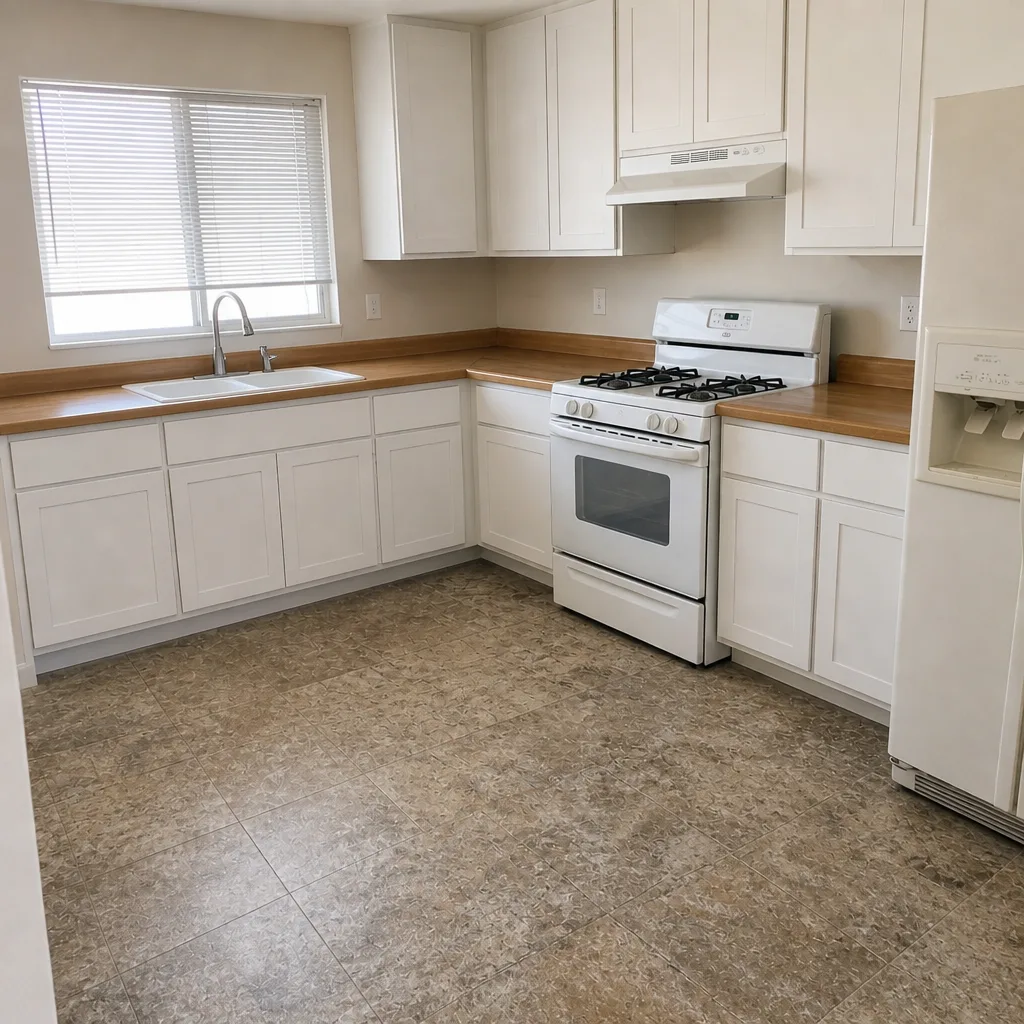
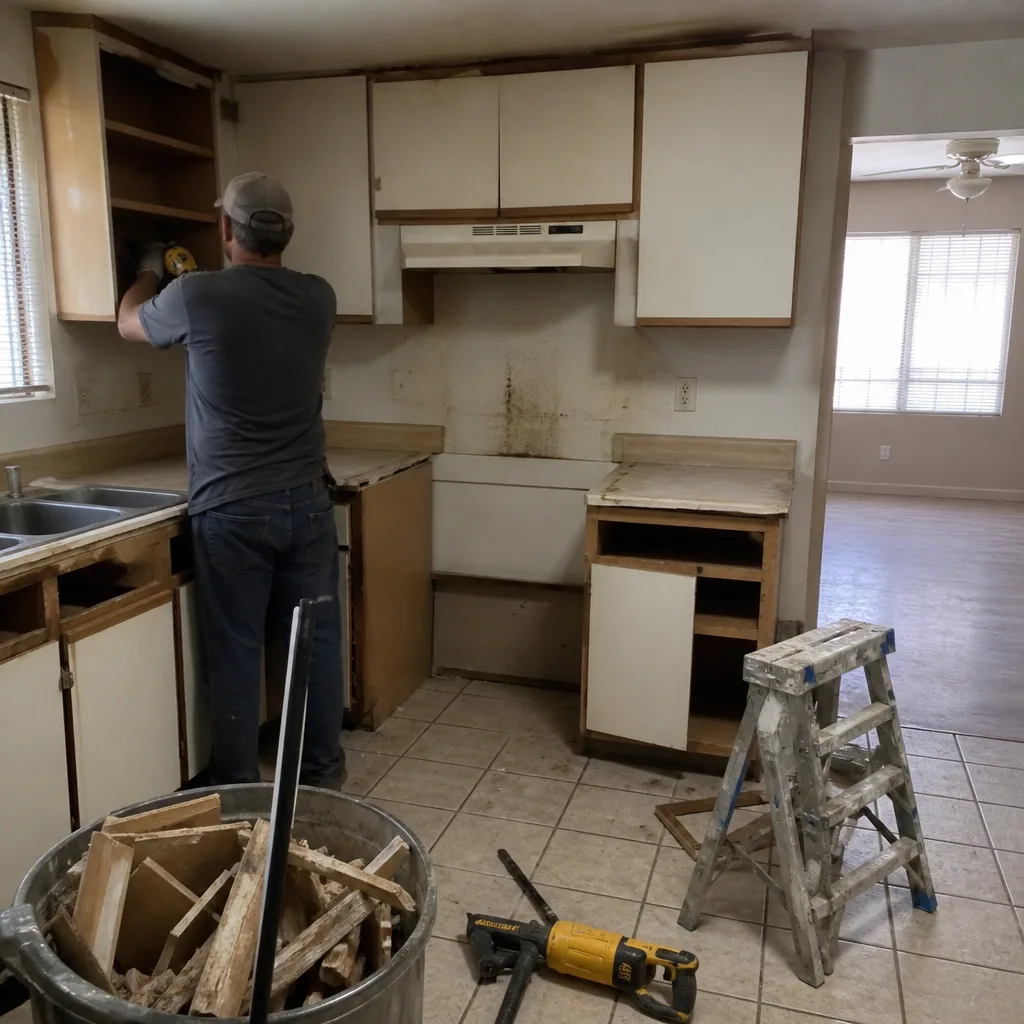
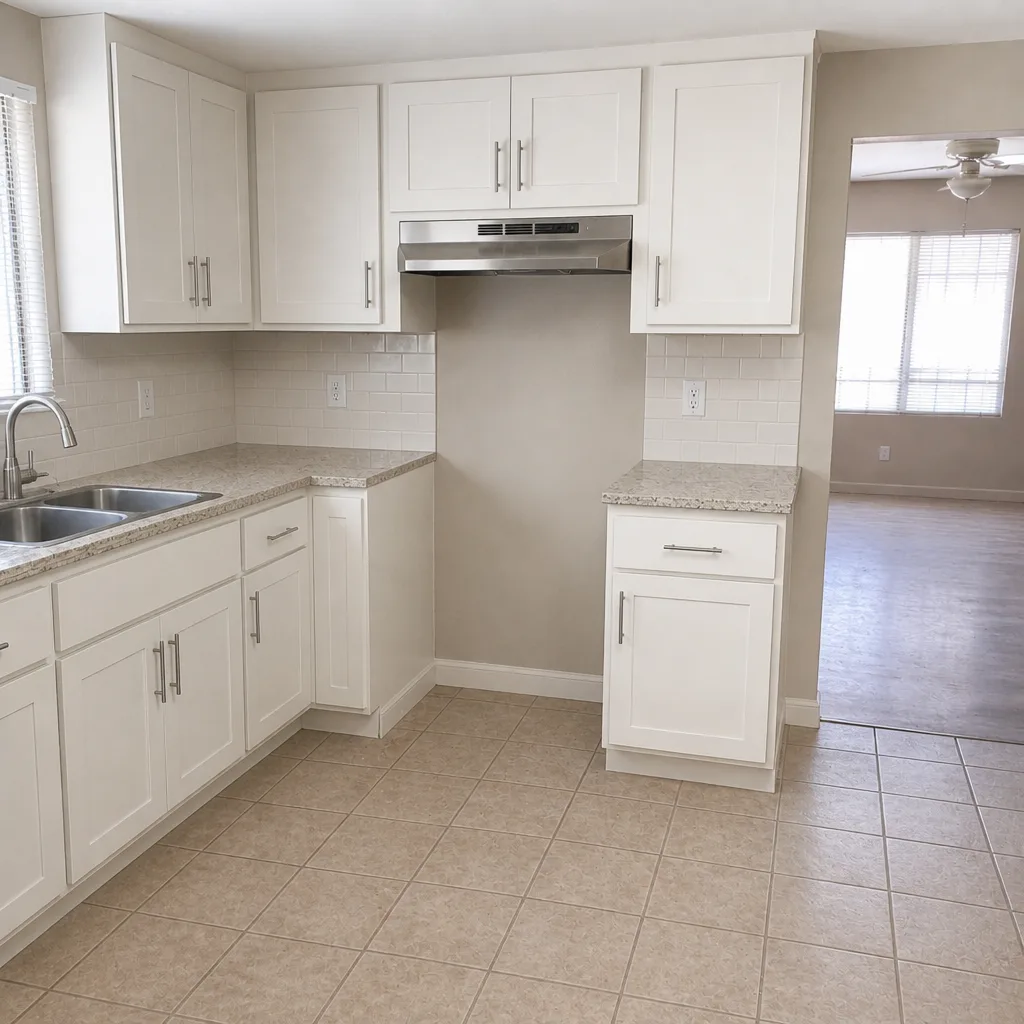
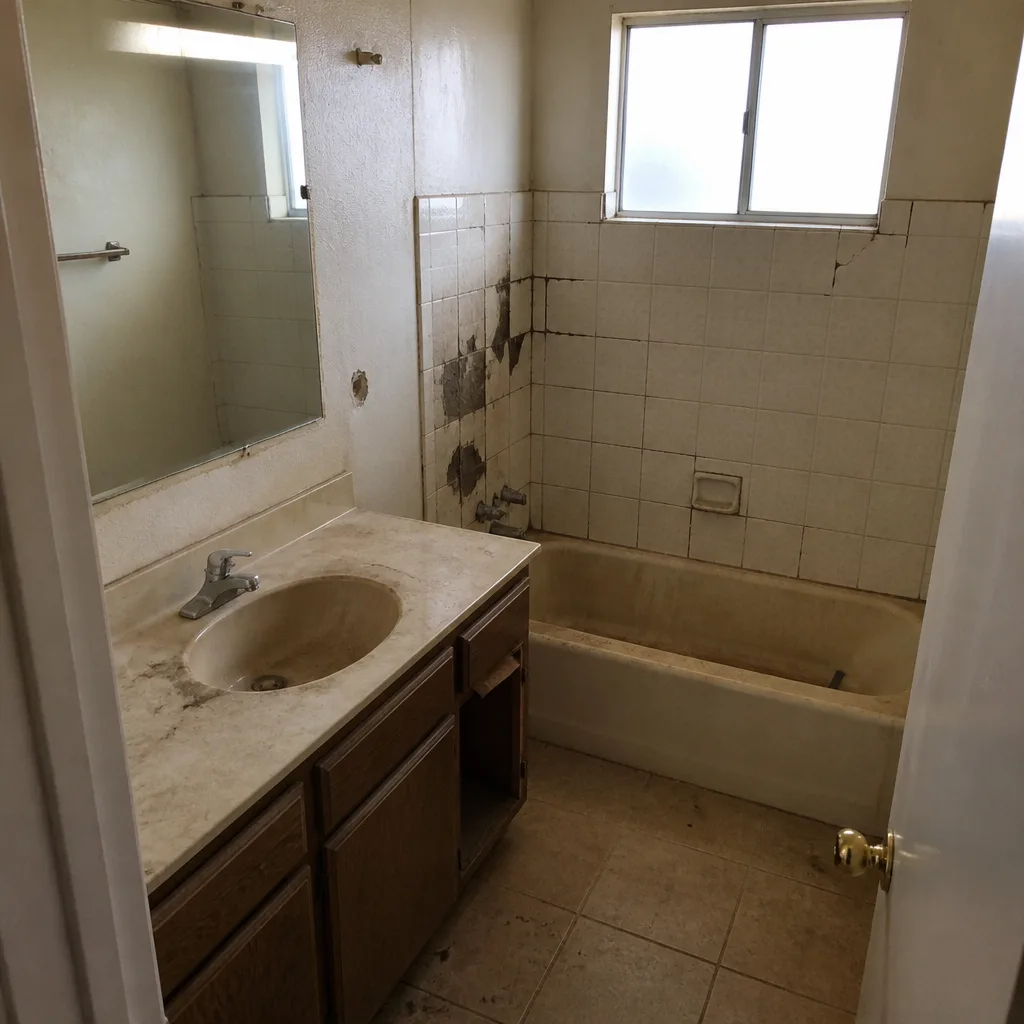
See the difference
 Before
 After
 Before
 After
 Before
 After
When to Call a Professional
Most of the seasonal tasks in this guide are homeowner-doable: caulk, irrigation controller, visual inspection, photography. The line sits where the work becomes structural, involves the roof membrane or flashing in a real way, or involves safety. Call a professional when you have a roof seam that’s lifting or a ponding area, a stucco crack wider than a credit card, concrete that’s visibly tilted or a trip hazard, any exterior door or window that’s letting in water, or any electrical work near a wet area. It’s also worth a call before a big replacement – better to know what you’re facing than to guess. Barrett & Sons Construction Las Vegas offers free estimates in Las Vegas – call (866) 814-4155. Every estimate includes written scope and written change orders before any work begins.
Frequently Asked Questions
Resealing exterior caulk joints at the April and September windows is the highest-value seasonal task in Las Vegas, because caulk failure is the most common entry point for water damage to stucco and framing. Caulk is cheap and the labor is straightforward; the damage it prevents is neither. Call (866) 814-4155 if you’d rather have someone else handle the inspection and reseal – estimates are free.
Yes. Las Vegas records overnight freezing temperatures most winters, and an uninsulated backflow preventer or exposed line can crack in a single hard freeze. The blowout and insulation take less than an hour and prevent the most common winter irrigation repair we see in February.
Hairline cracks that don’t widen with the seasons are typically normal movement in Las Vegas homes. Cracks wider than 1/4 inch, cracks running in a repeating pattern, or a slab that’s tilted are signs to have the issue evaluated by a professional.
Late September, right after monsoon season ends, is the best window for a roof inspection on a flat or low-slope Las Vegas roof. Temperatures are low enough for repairs to cure properly and you’ve just had the season that stresses seams and drains the most. Call (866) 814-4155 to get on the schedule – free estimates, written scope, permits pulled where required.
It shouldn’t, and with us it doesn’t. Every scope, every allowance, and every price change arrives as a written change order before work happens – no surprise invoices at the end. If the allowance isn’t on paper, it’s a surprise waiting for a date. Get everything in writing, from any contractor, before you sign. Then call (866) 814-4155 for a free second opinion on any written estimate you’ve already received.
Late September through November and March through April are the best windows for exterior work in Las Vegas, because temperatures are in the range where paint, stucco, and sealants cure properly. Mid-summer work is doable, but scheduling it in the transition windows gives you a better result. If you’re planning a Home Additions & ADU in Las Vegas or a Fence Installation in Las Vegas project, those transition windows are the time to get on the calendar.
The Bottom Line
Las Vegas rewards homeowners who work the calendar instead of the weather. The two transition windows – April and September – are where the real maintenance happens, and the two anchor windows – November and February – are where you check that winter didn’t undo anything. Get those four right and you’ll spend less on repairs, catch problems earlier, and keep the exterior of your home holding up against a climate that’s genuinely hard on it. When something crosses from cosmetic to structural, that’s the point to call a licensed contractor and get it in writing. Call (866) 814-4155 for a free estimate.
Written by the team at Barrett & Sons Construction Las Vegas.