
Last updated November 17, 2026
 Home additions & ADU
 Kitchen remodeling
 Bathroom remodeling
 Roofing
 Windows & doors
 Driveway & pavers
 Fence
Free written scope consultation - allowances, timeline, and change-order rules on paper before a single trade is scheduled
Construction Emergency Preparedness Guide for Las Vegas Homes
Las Vegas gets about 4 inches of rain a year, but almost all of it falls in six-week monsoon bursts. That means drainage built for the average gets buried in a single afternoon, and an in-progress construction project is the most exposed thing on the block. A half-finished foundation, a fresh pour, an open roof deck, a stack of framing lumber sitting in the yard – all of it can take damage that costs ten times what a tarp would have. This guide walks through the emergencies that actually happen here: monsoon flooding, 115°F heat that buckles new concrete, flash floods that undercut flatwork overnight, and structural discoveries that stop a project cold. You’ll learn what to do in the first 24 hours, what your contract should already say, and when to pick up the phone.
Quick Answer
For construction emergencies in Las Vegas, the first move is always the same: stop work, document everything with photos, and call your contractor before you touch the damage yourself. Flooding, heat damage, and structural concerns each have a specific 24-hour response, but the thread that ties them together is written documentation – photos, a written change order, and a call to the crew lead. If anyone is in danger or a structure looks like it could collapse, call 911 first and worry about the project second.
Styles & brands we work with
- Kitchen remodeling
- Bathroom remodeling
- Home additions & ADU
- Roofing
- Windows & doors
- Driveway & pavers
- Fence
Table of Contents
- Monsoon season: preparing your project before the storm
- The first 24 hours after a flood event
- Heat emergencies: when to stop a project vs. push through
- Discovering a structural concern in an existing home
- What your contract should say about weather damage
- The documentation habit that saves you in a dispute
- Common mistakes to avoid
- Frequently asked questions
Monsoon Season: Preparing Your Project Before the Storm
Monsoon season in Las Vegas runs roughly July through early September, and the storms don’t build gradually. A wall of water can dump half an inch in twenty minutes on a site that was dry at lunch. If you have an active project going, the week before storm season matters more than the week of. Talk to your crew lead about the storm plan now, not when the radar turns red.
What actually needs to happen before a storm warning:
- Lumber and materials off the ground. Stack framing lumber on pallets or blocking at least 4 inches up. In Las Vegas, water sheets fast across bare dirt lots and saturates anything sitting directly on grade.
- Tarps weighted, not just draped. Desert wind gusts hit 50 mph in a monsoon cell. A tarp without sandbags or block will be in your neighbor’s yard by the time the rain starts.
- Excavations backfilled or bermed. An open foundation trench is a swimming pool waiting to happen. It can fill, collapse its walls, and wash out the footings overnight.
- Site drainage checked. Make sure the crew has a path for water to leave the lot. Standing water against a new pour for 48 hours is a real problem in this heat.
- Electrical and tools secured. Cord reels, chargers, and generators come inside. Water and 220V don’t mix.
In our experience, the projects that sail through monsoon season are the ones where the homeowner asked these questions in June. The ones that don’t are the ones where nobody talked about storm prep at all.
The First 24 Hours After a Flood Event
If water got into your project, the clock starts the moment the rain stops. What you do in the first day determines whether you’re looking at a schedule slip of a week or a rebuild of the foundation.
- Photograph everything before you move anything. Wide shots, close-ups, and a video walkthrough narrating what you see. Timestamp it. This is your insurance file and your contractor file in one.
- Kill the power to any wet electrical. If water reached an open panel, a temporary service, or extension cords, shut it off at the main. Don’t wade in to check.
- Call your crew lead, not the office. Report what you see in plain language: “There’s six inches of standing water against the east footing.” If you can’t reach them, call the general contractor’s emergency line before you call anyone else.
- Pull standing water away from the structure. A wet/dry vac or a sump pump if you have one. Never work near a footing you can’t see the bottom of – the soil can be undercut and the wall can go.
- Do not start repairs yourself. The instinct to grab a shovel and dig out the trench is the wrong one. You’ll disturb evidence and possibly destabilize a footing that’s already compromised.
- Get a written damage assessment. Your contractor should walk the site within a day or two and put the damage, the repair scope, and the cost in writing before any work restarts.
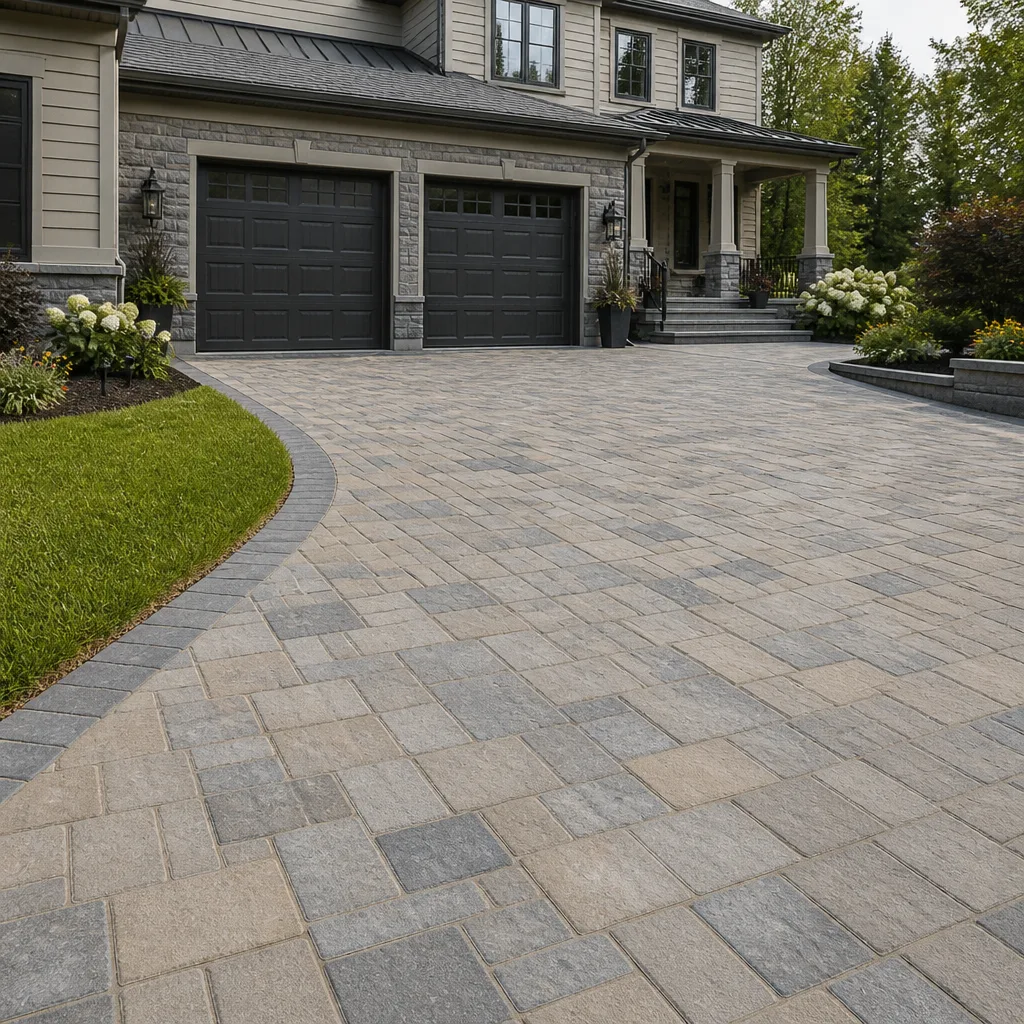
Flash floods in Las Vegas don’t just pool – they sheet across hardpan and undercut flatwork from the sides. We’ve seen a freshly poured driveway lift and crack within 12 hours of a storm because water got underneath the slab and the soil below it turned to soup. If your driveway or paver work is new, watch for settling, rocking pavers, or cracks running along the edge after any significant rain. Our Driveway & Pavers in Las Vegas page covers what proper base prep looks like so you know what to check for.
Heat Emergencies: When to Stop a Project vs. Push Through
115°F days aren’t a nuisance in Las Vegas construction – they’re a structural risk. Fresh concrete cures by a chemical reaction that generates its own heat, and when ambient temps climb past about 95°F, the mix can set faster than the crew can finish it. The result is plastic shrinkage cracks, surface crazing, and a slab that never reaches its design strength. Concrete placed at 100°F+ without special handling is a repair waiting to happen.
Signs to stop and reassess:
- Concrete surface drying white within 15 minutes of placement. That’s evaporation outrunning the cure. The crew needs to slow it with evaporation retarder or a fog spray – not push ahead.
- Roofing adhesive skinning over before shingles go down. In Las Vegas summer heat, asphalt roof cement and self-adhered underlayment set fast. Once the adhesive films over, the shingle bond is compromised and the roof will lift in the next wind event.
- Sealants and caulks stringing or refusing to tool. Exterior sealants have a working window. Past about 110°F on dark surfaces, that window closes and the seal fails within a season.
- Stucco or plaster cracking within hours. Same chemistry as concrete. If it’s cracking while the crew is still on site, the mix is too hot and the schedule should shift to early morning pours.
The right move in a Las Vegas heat wave is not to cancel the project – it’s to shift the schedule. Early morning pours, tarps for shade over fresh concrete, and honest conversations about what the temperature will do to a given material. If your crew is pushing ahead on a roof in 115°F because the schedule says so, that’s a problem worth raising. Premium brands like GAF and CertainTeed have installation temperature guidelines for a reason, and a contractor who respects them is a contractor who’ll be back to fix the roof under warranty if something goes wrong. Our Barrett & Sons Construction Las Vegas home page covers how we handle scheduling around heat.
Discovering a Structural Concern in an Existing Home
You walk into the garage and see a new crack in the slab. Or the back door won’t close the way it did in March. Or there’s a stain on the ceiling that wasn’t there last week. In our experience, this is the moment most homeowners either panic or ignore it – and neither is the right move.
Here’s the decision tree:
- Is anyone in danger right now? A wall bowing visibly, a ceiling sagging, a floor that feels spongy underfoot, gas smell, or water actively pouring through a light fixture – call 911 and get out. Those are emergency situations, not Monday morning calls.
- Is it cosmetic or structural? A hairline crack in a garage slab that’s been there for years is different from a crack that appeared last week and has displaced vertically. A door that sticks in one season is different from a door that won’t latch at all.
- Document before you call. Photos with a tape measure in the shot for scale. Note the date you first saw it. Note any recent weather event (monsoon, heat wave, freeze) that might be related.
- Call your contractor for a look. Not a structural engineer first – a contractor who’s been in Las Vegas foundations for years can tell you whether it’s worth the engineer’s fee. Many contractors, including us, offer a free second opinion on any written estimate you’ve already received, which is a good way to sanity-check a diagnosis before you commit.
- If the contractor says “get an engineer,” get an engineer. Some concerns – foundation movement, load-bearing wall questions, roof structure – need a licensed structural engineer’s stamp before anyone touches anything.
Water intrusion during an active remodel is its own category. If you discover moisture behind a wall that’s already open, you’ve got a small window to trace it to the source before the drywall goes back up. Our Home Additions & ADU in Las Vegas page covers how we sequence inspections to catch water intrusion before it’s buried.
What Your Contract Should Say About Weather Damage
This is the section most homeowners skip, and it’s the one that costs them the most when a storm hits mid-project. In Las Vegas, monsoon damage during construction is a real line item, and who pays for it should be spelled out before the first nail goes in.
What to look for in writing before you sign:
- Who carries insurance for weather-related damage. Your contractor should carry general liability and, ideally, builder’s risk coverage for the project itself. Ask for the certificate. If they can’t produce it, walk.
- What happens to the schedule after a weather event. A fair contract allows for weather delay without penalty to either side. An unfair one pushes all weather risk onto you.
- How repairs get priced. Any change to the scope – including storm damage repair – should come as a written change order before work happens. That’s a standard we hold on every job, and it should be a standard in the contract you sign.
- What’s covered by warranty vs. what’s a new charge. If a roof you had installed two years ago fails in a monsoon, that’s a warranty issue. If a storm blows off a tarp and soaks new framing, that’s a project damage issue. Different categories, different paperwork. Our Fence Installation in Las Vegas page talks about how weather and monsoon damage affect fence warranties in this climate.
- Who pulls permits and handles inspections. If storm repair involves structural work, permits are almost always required. A contractor who “forgot” to pull permits on the original job won’t pull them on the repair either. Every eligible job we do gets permits pulled and inspections signed – because the permit inspector works for you, not for the contractor.
The rule of thumb: if a clause about weather damage isn’t in the contract, it’s a surprise waiting for a date.
The Documentation Habit That Saves You in a Dispute
Photograph your property before, during, and after every project. That’s the habit. It sounds almost too simple to matter, but it’s the single most useful thing you can do as a homeowner when construction is happening on your property.
Why it works:
- Before photos establish the baseline. A crack in the driveway that was there before the crew showed up is not the crew’s fault. A crack that appears after they leave is a conversation. Without the before photo, you can’t prove which is which.
- During photos catch problems early. If the footing looks wrong on day three, you have a record. If you only notice at final walkthrough, you’re arguing about what happened six weeks ago.
- After photos are your closing documentation. Paired with the written change orders and the final invoice, they give you a complete file if there’s ever a warranty claim or an insurance question.
- They work for both sides. Contractors who document their own work are the ones who stand behind it. We keep our own photo records of every job for exactly this reason – so there’s never a question about what the condition was when we handed the keys back.
Practical setup: use your phone’s camera app with location and timestamp turned on. Create a single album per project. Take photos on the day work starts, once a week during construction, and on the final walkthrough. If a storm event happens, photograph before and after the crew’s response. Five minutes of photos can save five figures of argument later.
Common Mistakes to Avoid
- Waiting out the storm without a tarp. A $40 tarp and an hour of prep can save a $4,000 framing package. In Las Vegas monsoon season, the tarp budget is not optional.
- Pushing a pour through a heat wave. Concrete placed at 105°F without planning will crack. The cost of rescheduling is a fraction of the cost of a failed slab.
- Ignoring a crack because it “looks small.” Cracks that displace vertically are different from cracks that don’t. If you’re not sure which you have, get someone who is.
- Not reading the weather damage clause. If your contract doesn’t say who’s responsible for storm damage, the answer defaults to whoever argues loudest – and that’s usually not you.
- Skipping the before photos. The single most common reason a homeowner loses a dispute is that they can’t prove what the property looked like before work started. Take the photos. It takes two minutes.
- Calling a roofer at the first sign of a leak without documenting. Photograph the stain, the date, and the weather condition when you found it. Then call. You’ll get a faster, better diagnosis.
- Hiring a contractor who won’t put the scope in writing. An allowance that isn’t on paper is a surprise waiting for a date. That goes double for emergency repairs, where the pressure to skip paperwork is highest.
See the difference
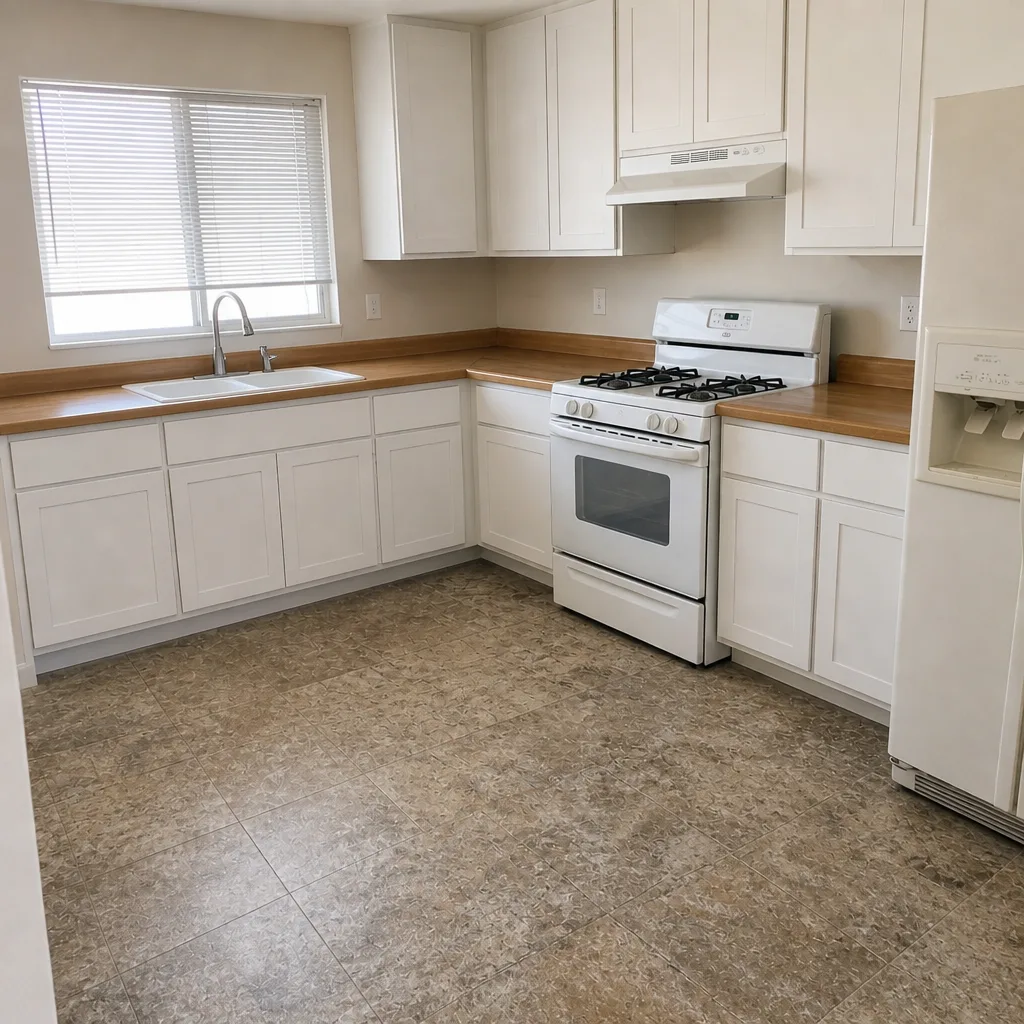
 Before
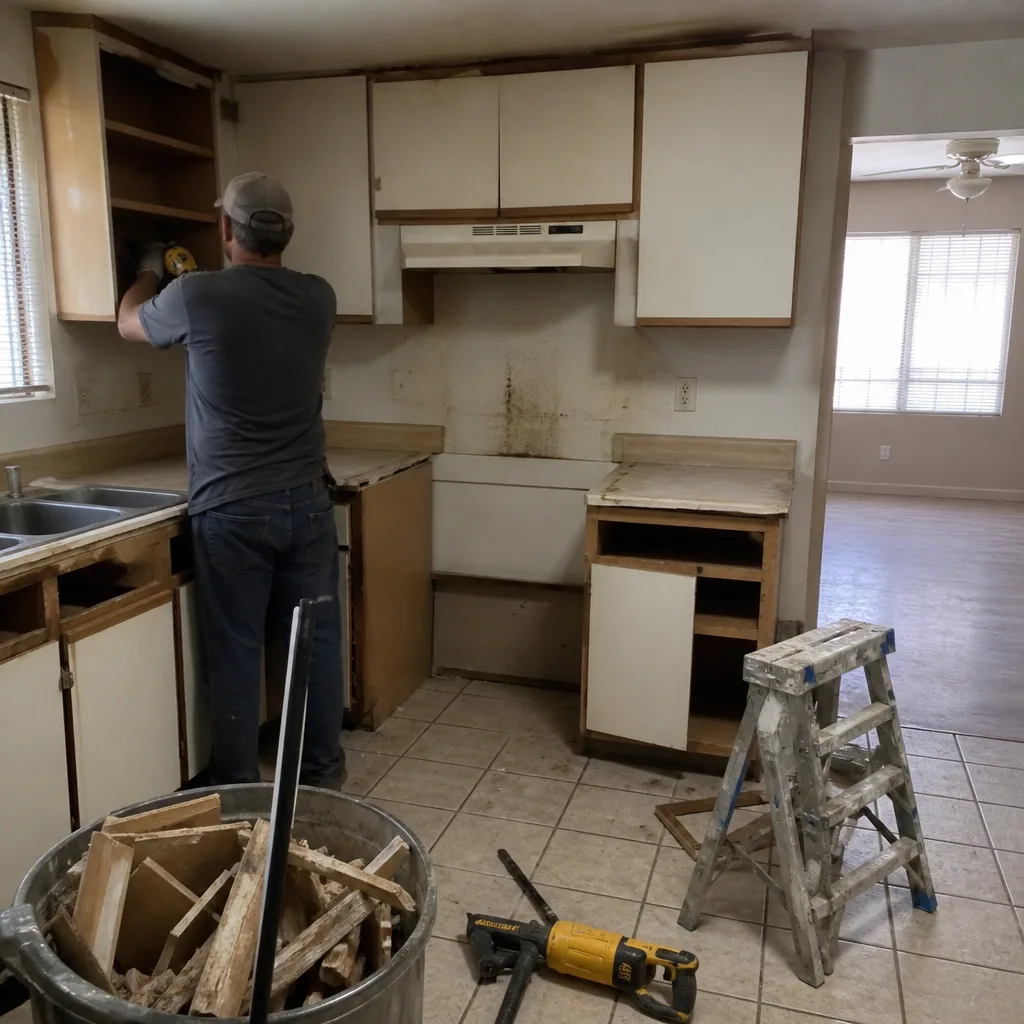
 After
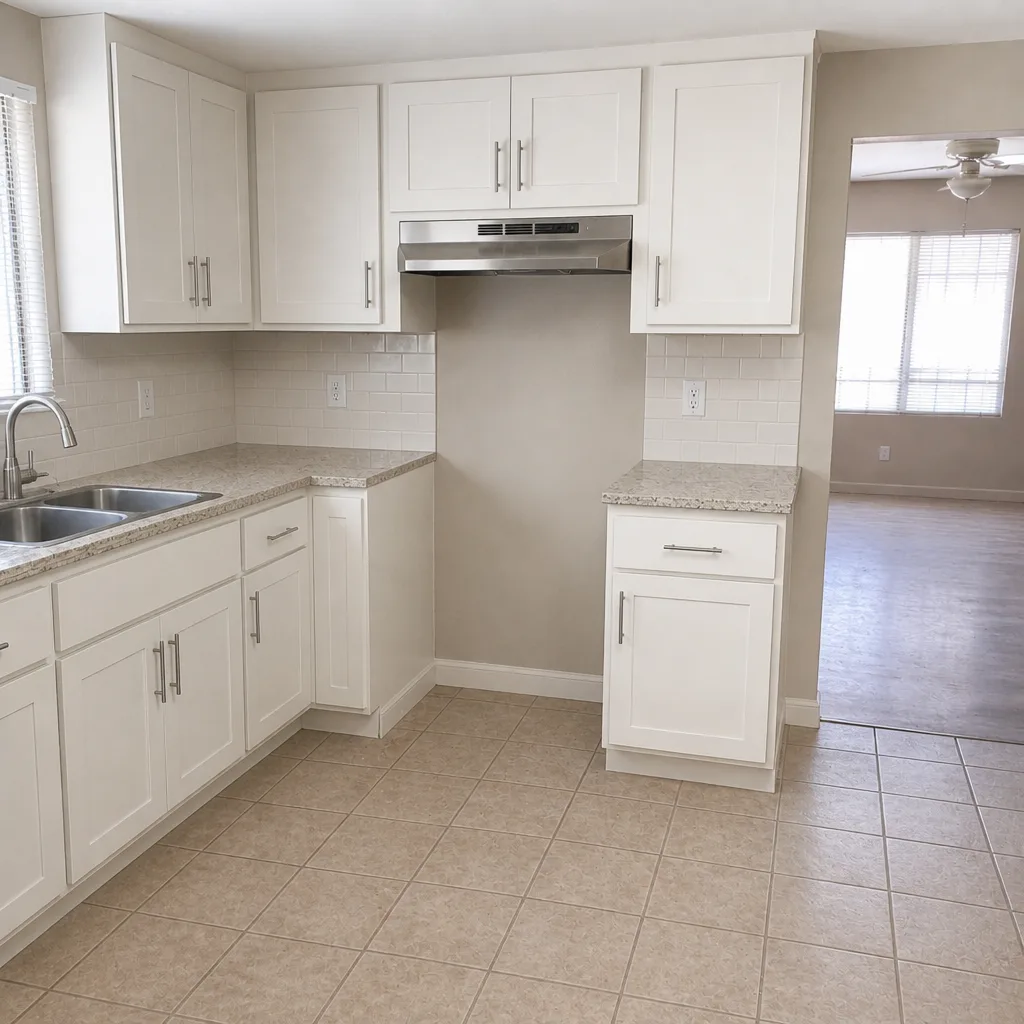
 Before
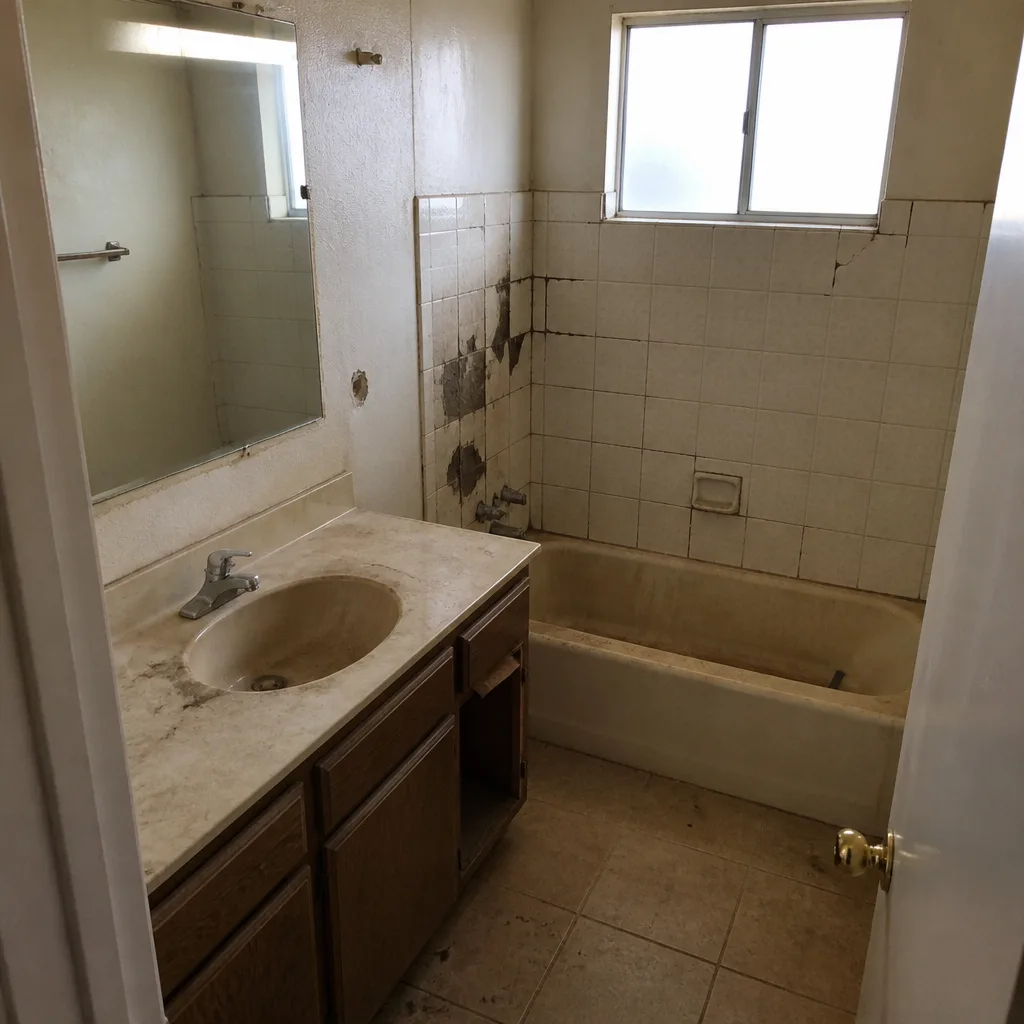
 After
 Before
 After
When to Call a Professional
Call a professional immediately if you see active water intrusion through the roof or walls, a foundation crack with visible displacement, a wall bowing, a ceiling sagging, or any sign of gas or electrical issues in a wet area. Those are emergency calls – call 911 first and get the family out. For anything less urgent – a stain on the ceiling, a hairline crack, a driveway that’s settling after a storm, a project that’s mid-construction when the radar turns purple – call your contractor for a walk-through. Barrett & Sons Construction Las Vegas offers free estimates in Las Vegas – call (866) 814-4155. We answer the phone with a live person, and every estimate is written line by line. If you’ve already got a written estimate from another contractor, we’ll give you a free second opinion on it.
Frequently Asked Questions
Stop, photograph the damage, shut off any wet electrical, and call your crew lead before touching anything. The instinct to grab a shovel and start clearing is usually wrong – you’ll disturb evidence and can destabilize a footing that’s already been undercut. Document first, repair second.
Yes, with planning. Concrete placed at 100°F+ needs special handling – evaporation retarders, shaded curing, or an early-morning pour. If your contractor is pushing ahead in 110°F heat without adjusting the mix or the schedule, that’s a red flag worth raising before the pour starts.
It depends on the policy and the contract, and you should know the answer before you sign. Ask for a certificate of insurance showing general liability and, ideally, builder’s risk coverage. Then look in the contract for the weather damage clause. If neither one is in writing, call us for a free second opinion on the estimate before you sign anything.
Cosmetic cracks are typically hairline, have no vertical displacement, and haven’t changed size since you noticed them. Structural cracks displace, spread, or appear suddenly after a weather event. If you can fit a coin into the crack or one side sits higher than the other, treat it as structural until a professional tells you otherwise. Call (866) 814-4155 for an estimate.
Usually yes, if the repair is structural or involves removing and replacing building components. Cosmetic repairs typically don’t require a permit, but the line between cosmetic and structural is where homeowners get surprised. Every eligible job we do gets permits pulled and inspections signed – storm repair included. Call us for an estimate and we’ll tell you what your specific repair needs.
Find the source or shut off the water supply, then photograph the damage before you touch anything. If the intrusion is through the roof or an exterior wall, do not get on the roof – wait for a professional. If water reached any electrical fixture or outlet, shut the circuit and call an electrician and your contractor. Call (866) 814-4155 – we answer every call with a live person and offer free estimates.
The Bottom Line
The emergencies that hit Las Vegas construction aren’t earthquakes – they’re monsoons, heat waves, and the structural discoveries that follow. The pattern that saves homeowners is consistent: get the storm prep done before the season, shift the schedule when the thermometer says so, document everything with photos and written change orders, and know the difference between a Monday morning call and a 911 call. If your contract doesn’t spell out weather damage responsibility in writing, that’s the first thing to fix. Our crew members have up to 28 years of experience between them, and the pattern is the same on every job we’ve seen – the homeowners who prepare are the ones who don’t panic when the storm hits. Call (866) 814-4155 to schedule your free estimate.
Written by the team at Barrett & Sons Construction Las Vegas.