
Last updated November 17, 2026
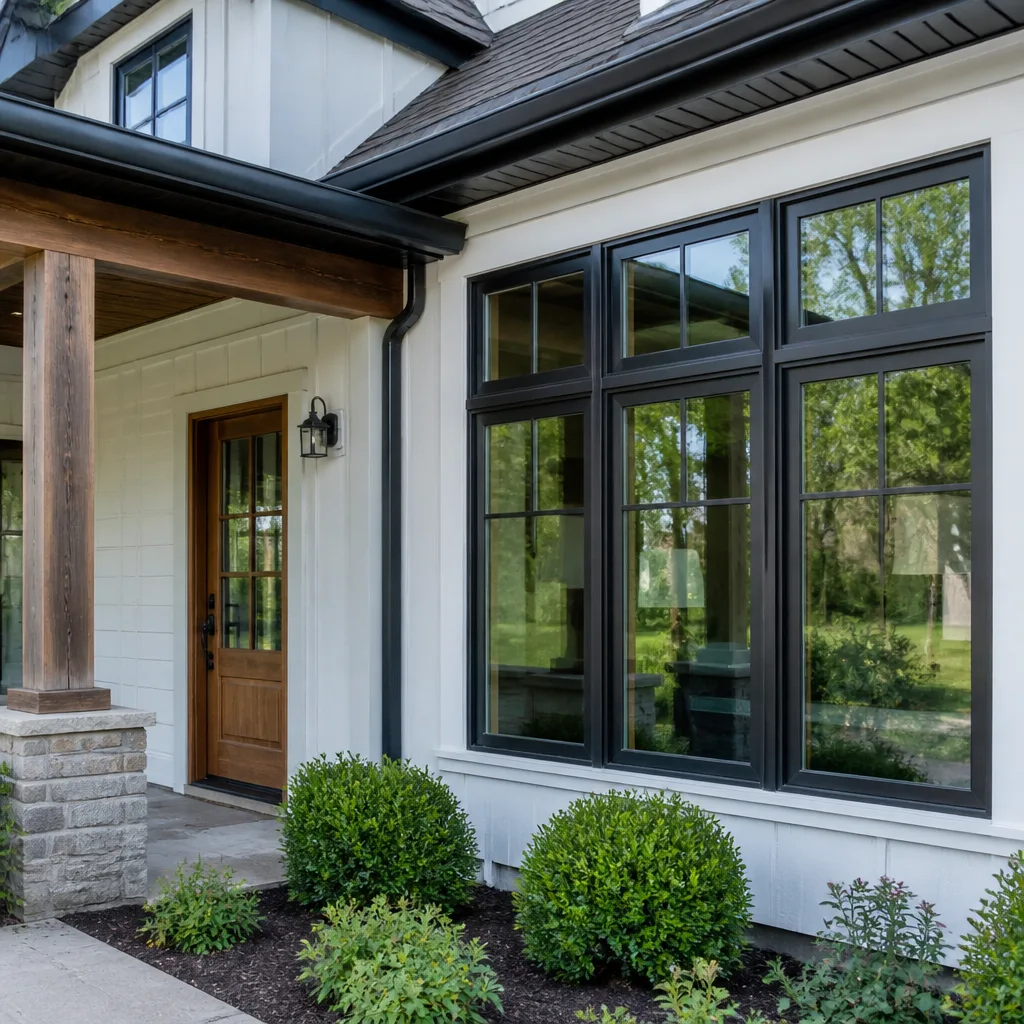 Windows & doors
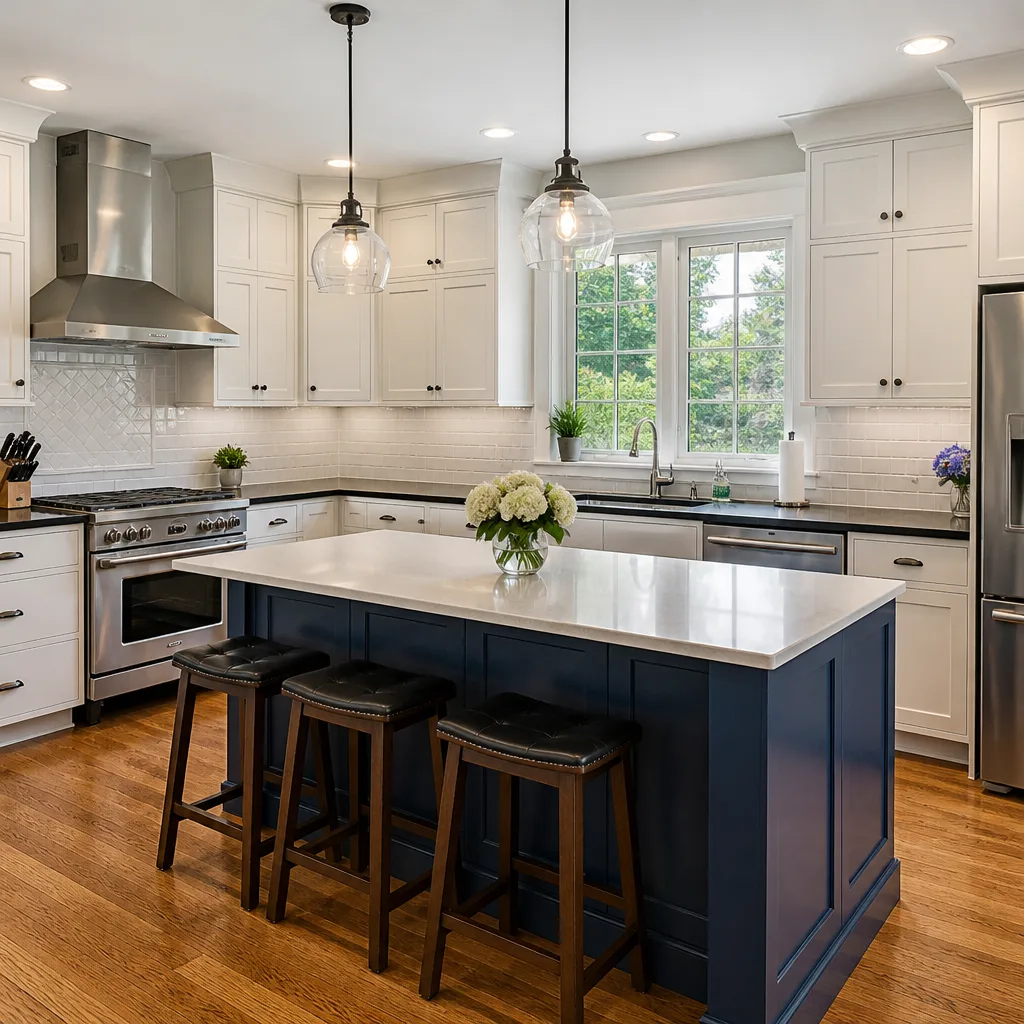 Kitchen remodeling
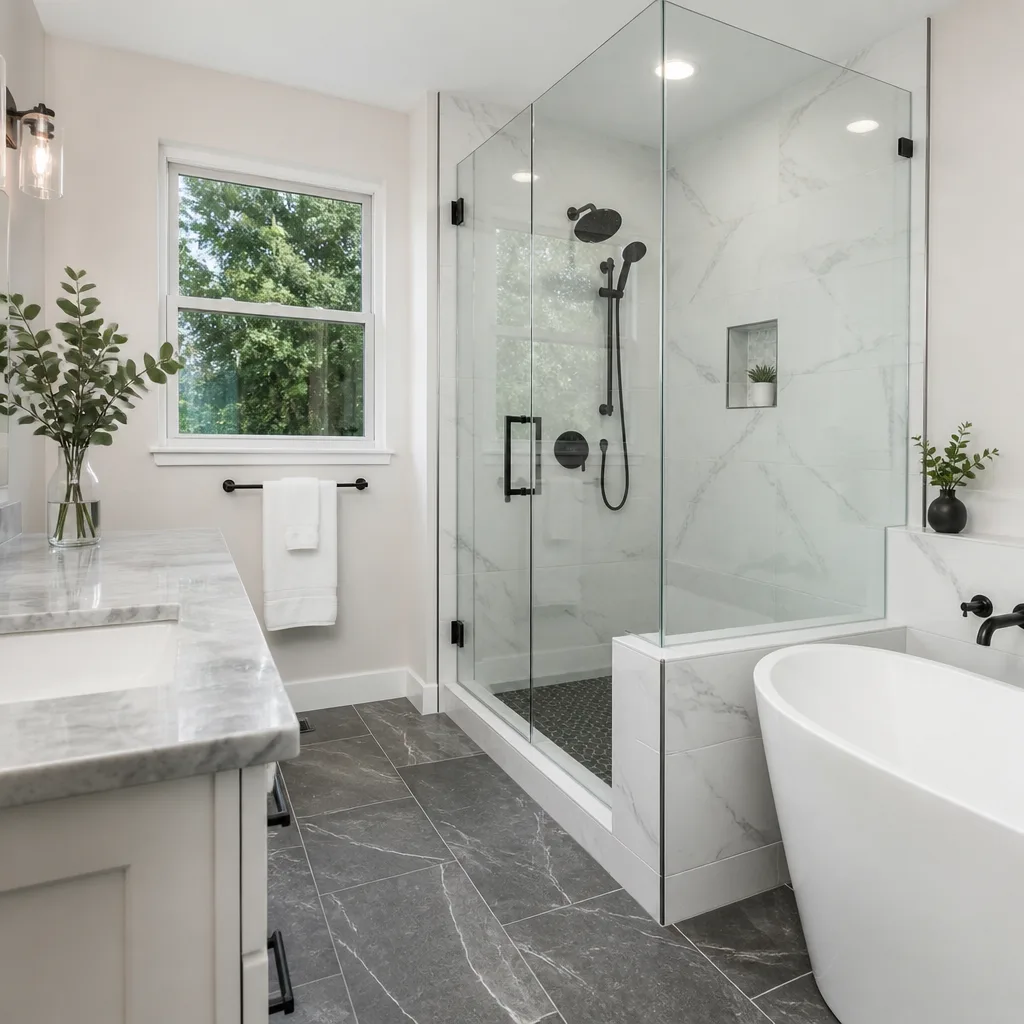 Bathroom remodeling
 Home additions & ADU
 Roofing
 Driveway & pavers
 Fence
Free written scope consultation - allowances, timeline, and change-order rules on paper before a single trade is scheduled
DIY vs Professional Windows & Doors: What’s Safe to Do Yourself
A window installed without a Clark County permit isn’t just a code violation. It’s a documented gap in your home’s improvement history, and it’s the kind of thing a title company flags at closing and an insurance adjuster finds when you least expect it. Here’s the part most homeowners don’t hear until it’s too late: when a monsoon storm drives water through a bad window install in Las Vegas, the adjuster’s first question isn’t about the storm. It’s whether the opening was permitted. This guide draws the real line between what you can safely handle yourself and what needs a licensed crew, and it’s a line set by permit rules and energy code, not by how handy you are.
Quick Answer
In Las Vegas, the safe DIY window and door tasks are interior weatherstripping, hardware swaps, screen repair, and basic caulk touch-ups. Full window or door replacement almost always requires a Clark County permit and must meet Nevada energy code on solar heat gain, so it belongs with a licensed professional. Getting that line wrong can void part of your insurance coverage on a future weather claim.
Styles & brands we work with
- Kitchen remodeling
- Bathroom remodeling
- Home additions & ADU
- Roofing
- Windows & doors
- Driveway & pavers
- Fence
Table of Contents
- Which window and door tasks are genuinely DIY in Las Vegas?
- Why does window replacement need a Clark County permit?
- What does “like-for-like” replacement actually mean?
- The energy code problem most homeowners miss
- Flashing: the step DIY installs skip
- How to work alongside a pro on a permitted job
- Common mistakes to avoid
- When to call a professional
Which window and door tasks are genuinely DIY in Las Vegas?
Plenty of window and door work is fair game for a homeowner with a Saturday and a few tools. The key is knowing where each task stops being a small fix and starts touching the building envelope or the code.
Interior weatherstripping is the easiest win. Replacing worn felt or foam strips on door jambs and window sashes is a $15 job that cuts drafts and dust. The limit: stick to interior faces. Once you’re pulling exterior trim to reach the weatherstripping behind it, you’ve opened a path for water and you’re past the safe zone.
Hardware swaps are safe too. New handles, locksets, sash locks, and door hinges are interchangeable on standard sizes. If you’re changing a lockset, keep the same backset and bore diameter and you won’t touch the frame. Custom deadbolts or a new door that requires re-boring the slab is a different story.
Screen repair is straightforward. Re-screening a frame with spline and a roller tool is a beginner project. Just don’t bend the frame, and use the right spline size for the channel.
Basic caulk touch-ups on interior trim and around interior window casings are fine. Where the line really is: any caulk work on the exterior of the opening. Exterior sealant hides flashing problems, and re-caulking over a leak you haven’t diagnosed just traps water inside the wall.
Here’s what’s not DIY in Las Vegas: full-frame window replacement, door slab replacement on an exterior entry, sliding patio door swaps, and any work that changes the rough opening. Those touch structure, waterproofing, and energy code. We’ve watched homeowners in the northwest valley try a patio door swap in June and discover mid-project that the header wasn’t sized for the new unit.
Why does window replacement need a Clark County permit?
Window replacement almost always requires a Clark County permit because the work affects the building envelope, structural attachment, and energy performance. A permit means a county inspector verifies the install meets code before it’s closed up. Skip it, and the job becomes invisible in the record.
The permit itself isn’t hard to pull. It’s what the permit does for you that matters:
- It creates a paper trail. Title companies pull permit history when you sell. A window swap with no permit shows up as an unpermitted alteration, and buyers use that to negotiate.
- It puts an inspector on the flashing and attachment. The permit inspector works for you, not for the contractor. That’s why we like him.
- It protects your insurance position. If a monsoon storm drives water through a bad opening and your carrier finds unpermitted work, a claim that should have been covered can get complicated fast.
- It confirms energy compliance. The permit process is where Nevada’s solar heat gain rules actually get checked on your specific install.
Most homeowners we talk to in Las Vegas have already been told by some contractor that permits are optional on window work. That’s the same contractor who quotes a number on the phone and hands you a different bill at the door. Ask for the permit number in writing before you sign.
If you want the permit work done right alongside the rest of the job, our Barrett & Sons Construction Las Vegas home page lays out how permits and inspections fit every scope we take on.
What does “like-for-like” replacement actually mean?
“Like-for-like” replacement means swapping a window for one of the same size, same operation type, and same rough opening, so you’re not changing the structure. That’s the phrase contractors use to mean the simplest version of window work. But most homeowners assume like-for-like means no permit needed. It doesn’t.
Even a like-for-like swap changes the unit’s U-factor and solar heat gain coefficient, and Clark County inspects those values against the code in force when the permit is pulled. Same-size does not equal same performance. A 1998 builder-grade window in a Summerlin house is nowhere near what’s on the shelf today, and the code officer knows it.
Where like-for-like genuinely helps:
- You avoid any framing or header changes.
- You can often reuse interior trim and exterior surrounds.
- Timeline is shorter, typically a single day per opening for ProVia or Andersen units sized to the existing opening.
Where like-for-like is not enough:
- Any change in rough opening, meaning a bigger window or a patio door where a window used to be.
- Any change in operation type, like fixed to operating.
- Any conversion that touches the wall structure, which is a different permit class entirely.
Brand matters here. We install Andersen and Marvin windows because the specification sheets are published and inspectable, which means a county reviewer can verify the U-factor and solar heat gain numbers on the exact unit in your wall. Mystery-brand windows off a van don’t give you that.
The energy code problem most homeowners miss
This is the part that costs people real money years later. A DIY window swap that doesn’t meet Nevada’s solar heat gain coefficient (SHGC) requirements can sit quietly on your house until you pull a permit for an unrelated remodel in the same room, and then the corrections come due.
Nevada’s energy code limits how much solar heat a window can let into the house, and the limit varies by climate zone and by which direction the window faces. South and west-facing glass in Las Vegas carries the tightest numbers because that desert sun is unrelenting. A homeowner who buys the cheapest double-pane unit at a box store and pops it in may be installing glass that meets no code value at all.
When we come behind a DIY install on a permitted remodel, the questions the county asks are:
- What’s the SHGC rating on the installed unit, and do you have documentation?
- Was the install permitted at the time it happened?
- Does the flashing and drainage meet code?
If the answers are “unknown,” “no,” and “no,” the fix isn’t a caulk gun. It’s removal and replacement of the unit, with a permit, done right. We’ve seen homeowners in Henderson spend $6,000 on a DIY window swap they were proud of, then pay another $7,000 to tear it out two years later during a bathroom remodel when the code officer flagged every opening on that side of the house.
The cheaper path is to know the required SHGC before you buy the window. Get the specification sheet from the manufacturer, confirm it against the current Nevada code, and if any part of that’s unclear, stop. That’s the moment to call in a licensed crew, not after the install.
Flashing: the step DIY installs skip
Flashing is the waterproofing detail that channels water around the opening and away from the wall. It’s the first thing a professional does and the first thing most DIY window installs skip. That skipped step is what fails eighteen months later when the first real monsoon rolls through.
Proper flashing requires a specific sequence:
- Sill pan first. The sill gets a sloped pan that drains water out, not into the wall.
- Side and head flashing layered in order. Water flows downhill, and the layers have to overlap that way. Get the order wrong and you’ve built a funnel.
- House wrap or weather barrier lapped over the flashing, not under. This one detail trips up nearly every DIY install.
- Sealant applied at the right spots, not everywhere. Excess sealant traps water instead of shedding it.
What the failure looks like: about 18 months after a bad install, the interior drywall below the window starts to show soft spots or a faint stain ring. It looks like a roof leak. It’s usually the flashing. During a monsoon, water gets behind the exterior trim, runs down inside the wall cavity, and finds the path of least resistance, which is usually the drywall below the window or the subfloor under a patio door. Water is patient. It doesn’t show up until it has soaked enough material to make a stain.
Las Vegas makes this trickier than most climates because the damage is seasonal. Winter freeze-thaw cycles work the sealant loose in the cold months, and the summer monsoon finds the gap. If your existing windows are showing any stain rings around July or August, don’t assume the roof. Call for a second opinion. Our Fence Installation in Las Vegas crews hear about this pattern too, since fence and wall joints show the same water path failures.
How to work alongside a pro on a permitted job
You can save real money on a permitted window and door job by handling the prep and finish work yourself. The trick is agreeing on the scope in writing before the crew arrives, so nobody’s guessing about who does what when the permit gets signed.
Tasks homeowners can reasonably take on alongside a permitted install:
- Clear furniture and window treatments before the crew arrives.
- Remove and reinstall interior blinds and rods.
- Do the interior trim painting after the install is inspected.
- Patch and paint interior drywall where the trim was removed, after inspection.
- Haul away the old units if your municipality allows curbside disposal.
Tasks that stay with the crew, no exceptions:
- Anything touching the rough opening, flashing, or exterior sealant.
- The energy-code specification and documentation.
- The permit application and inspection scheduling.
- Any change in operation type or opening size.
The reason the scope has to be in writing is simple. An allowance that isn’t on paper is a surprise waiting for a date. If you and the contractor shake hands on “you do the painting,” that agreement lives or dies on what’s in the contract. On every job we run, every scope, every allowance, and every price change arrives as a written change order before work happens. That’s true whether you’re doing the prep or taking on the whole thing.
For larger projects that combine a window upgrade with new outdoor living space, the same written-scope rules apply. Our Home Additions & ADU in Las Vegas work runs on the same change-order discipline, since the permit and inspection path is even longer.
Common Mistakes to Avoid
- Believing “like-for-like” means no permit. It never does. Clark County inspects a like-for-like swap for energy compliance and flashing, and skipping the permit makes the work invisible at resale.
- Buying windows before checking the SHGC number. South and west-facing glass in Las Vegas has the tightest solar heat gain limits. Buying on price alone and installing to fit is how homeowners end up tearing out a two-year-old window during a remodel.
- Skipping the sill pan to “save time.” The sill pan is the first line of defense against monsoon water. Every window we’ve pulled after a DIY failure was missing it.
- Re-caulking over an active leak. Fresh sealant over a leak you haven’t diagnosed hides the problem until the interior drywall shows it. Find the source first.
- Skipping exterior flashing because interior trim covers it. The trim hides the failure, but the water is still working its way through the wall behind it.
- Hiring a contractor who won’t publish a license number or put the scope in writing. If the quote is verbal, the price change at the end will be too. Look the license up before you sign anything.
- Assuming your homeowner’s insurance will cover a weather claim on unpermitted work. It can, and often will, complicate or reduce the claim. The adjuster will find the missing permit.
When to Call a Professional
Call a licensed crew when the job touches the building envelope, the rough opening, or the code. That includes full-frame window replacement, exterior door slab replacement, patio door swaps, any change in opening size, and any install where energy compliance needs to be verified. It also includes any window or door showing water stains inside the wall cavity or soft drywall under the opening, because that’s a flashing failure and it gets more expensive every month it’s ignored. If you’ve got a window that a box-store unit got dropped into a few years ago and you’re not sure it was permitted, that’s the other moment to call. A second set of eyes beats a tear-out down the road.
Barrett & Sons Construction Las Vegas offers free estimates in Las Vegas. Call (866) 814-4155 to schedule a walkthrough. We’ll tell you what’s safe for you to do yourself and what isn’t, in writing, before anything moves.
See the difference
 Before
 After
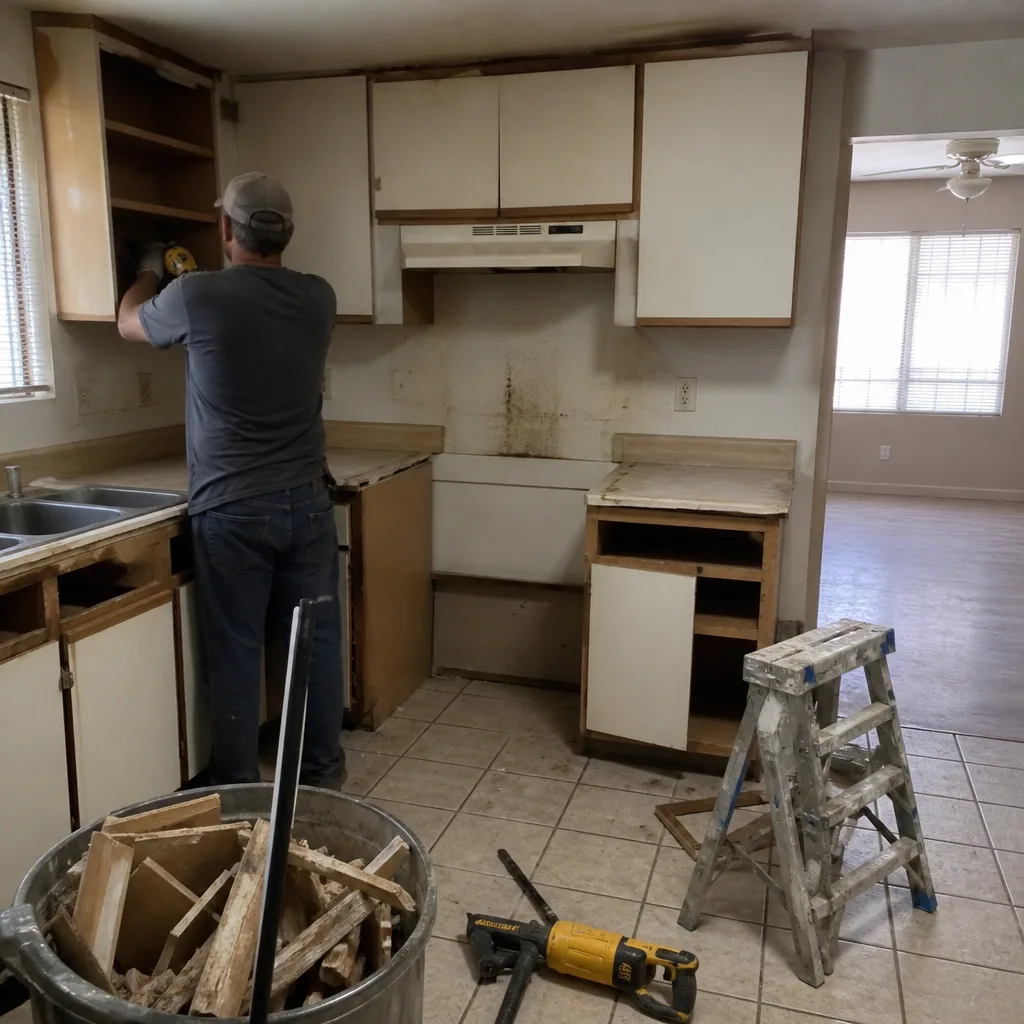 Before
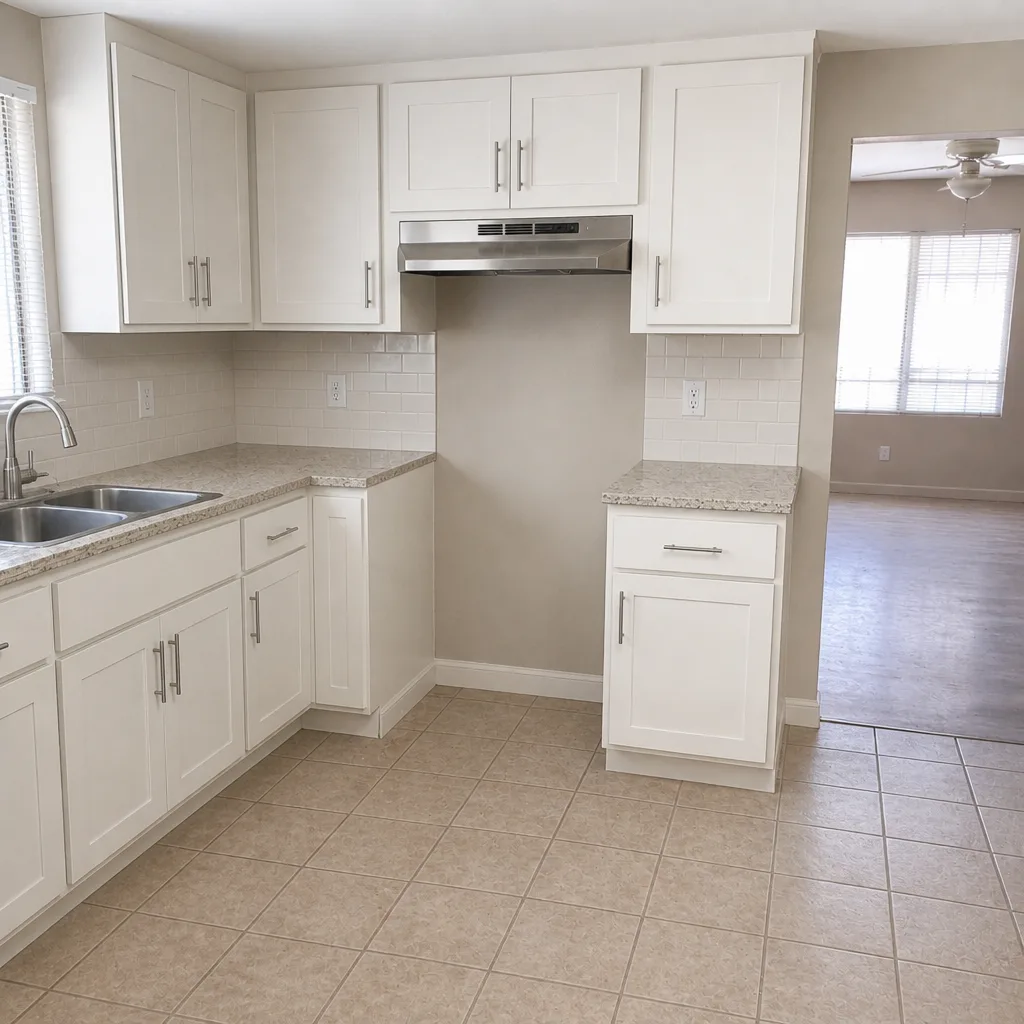 After
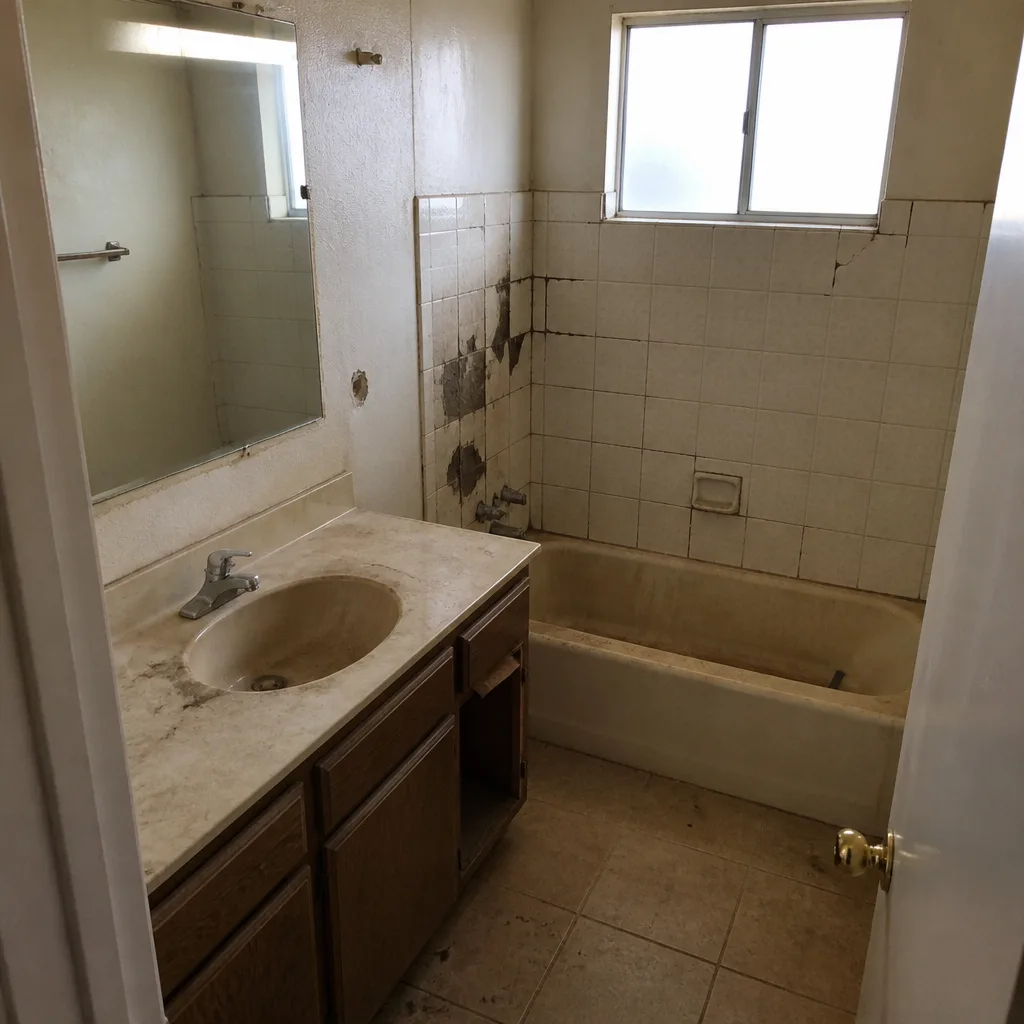 Before
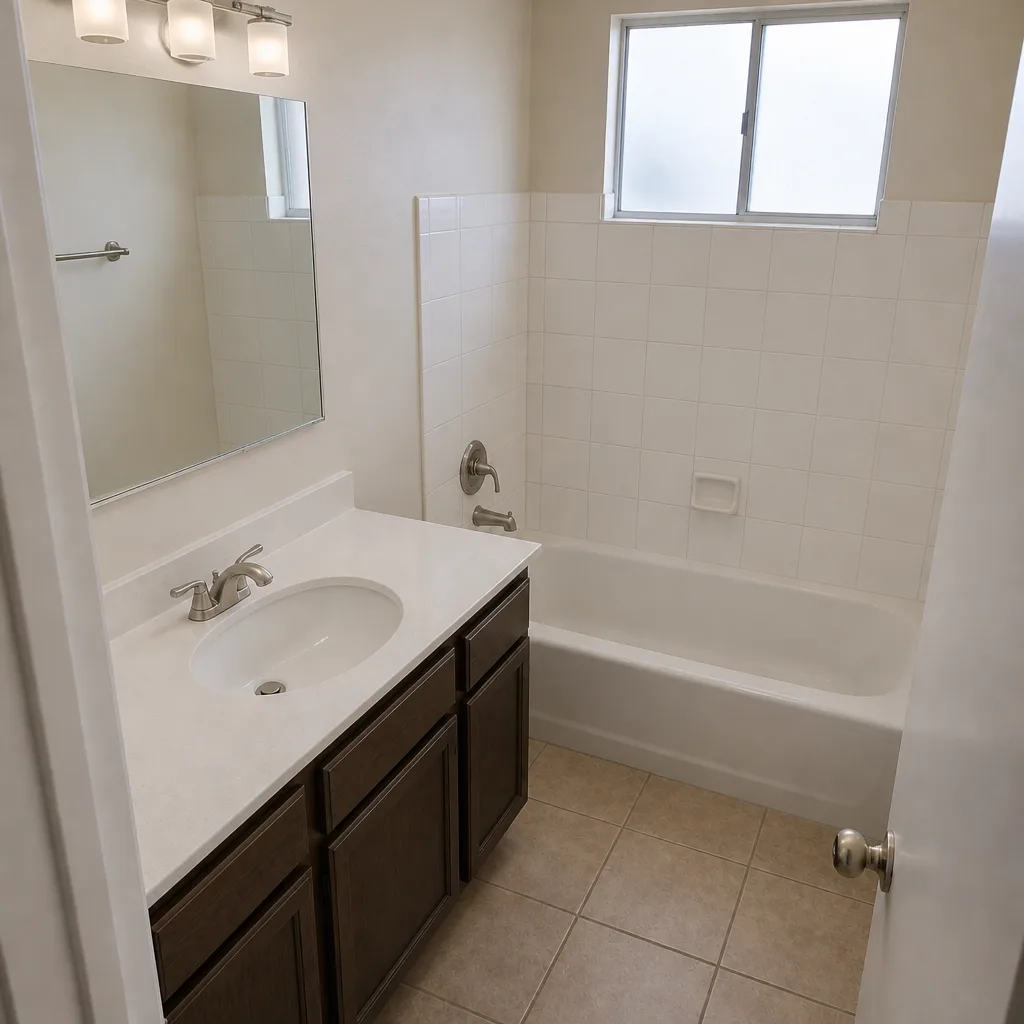 After
Frequently Asked Questions
You can replace window hardware, weatherstripping, and screens yourself, but a full window replacement almost always requires a Clark County permit and must meet Nevada energy code on solar heat gain. That’s professional work, not a Saturday project, and the future insurance and resale consequences are real. Call (866) 814-4155 for a free estimate on the permitted replacement.
Yes. A like-for-like window replacement still requires a Clark County permit because the unit’s energy performance must be verified against current code. Same-size does not mean same SHGC rating. Call (866) 814-4155 to have the permit and inspection handled as part of the job.
The unpermitted work shows up at resale as an open item on the title report, and if you file a weather-related insurance claim, the adjuster can complicate or reduce the payout because the opening wasn’t permitted. Many homeowners discover this years later during a remodel. Call (866) 814-4155 for a free second opinion on any written estimate you’ve already got.
Interior weatherstripping, hardware swaps, screen repair, and basic interior caulk touch-ups are all safe DIY tasks in Nevada. The line is anything touching the exterior envelope, flashing, rough opening, or energy compliance. When in doubt, call (866) 814-4155.
Monsoon leaks usually trace back to skipped or improperly layered flashing around the opening, not the unit itself or the roof. Freeze-thaw in winter loosens the sealant, and the first summer storm finds the gap. It gets worse every season you wait. Call (866) 814-4155 for a free second opinion on any estimate.
Yes, if the scope is agreed in writing before the crew arrives. Homeowners can clear rooms, remove window treatments, paint interior trim, and haul old units; the rough opening, flashing, permit, and inspection stay with the crew. Our written change orders make that split clear. Call (866) 814-4155 to schedule a free estimate.
The Bottom Line
The DIY line on windows and doors in Las Vegas isn’t drawn by how handy you are. It’s drawn by permits and energy code. Interior weatherstripping, hardware, screens, and interior caulk are yours to do. Full replacement, exterior doors, patio doors, and anything touching flashing or the rough opening is professional work, every time, with a permit on the record. Skip the permit and you’re not saving money, you’re risking an insurance claim and a resale headache. If you want the work done right with every permit pulled and every scope in writing, and you’d like to work alongside the crew on the parts you want to do yourself, our Driveway & Pavers in Las Vegas team runs on the same playbook. Free estimates, no trip charge inside the county, and a 90-Day Done Right Promise on every job we take on.
Call Barrett & Sons Construction Las Vegas at (866) 814-4155 for your free estimate. A live person answers, day or night. We’ll walk through what’s safe to do yourself and what needs our crew, and you’ll get it in writing before anything moves. Ask about our $40 Off Any Repair Over $200, the Free Second Opinion on Any Written Estimate, and the permanent 10% Senior and Veteran discount.
Written by the team at Barrett & Sons Construction Las Vegas.